
Travel Wish List: Kraków’s Square, Wawel, and Old-Town Lanes
Rynek Główny, Wawel Hill, Kazimierz, Planty walks, and dusk on the Cloth Hall—Kraków as a walkable history city, not a spa or volcano itinerary.
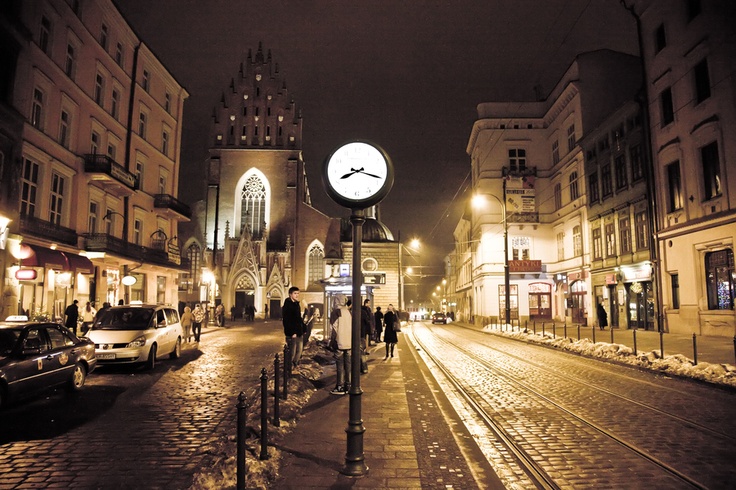
Kraków does not ask you to invent a reason to visit. The Main Market Square has been a civic stage for centuries; Wawel Hill holds castle and cathedral over the Vistula; Kazimierz keeps the layered memory of a Jewish quarter that is also a living neighborhood of cafés and synagogues. A wish list for Kraków is a history walk with good coffee—old-town stone underfoot, and enough side streets that the city never reduces to a single postcard tower.
This is not a spa island or a volcano road trip. It is a Central European city that rewards people who like plazas, churches, museums, and evening light on façades. Open eyes here means looking up at attics and down at cobbles, and noticing how much of Polish history fits inside a walkable core—royal capital, university town, trading hub, and twentieth-century witness all at once.
Rynek Główny: the square as living room
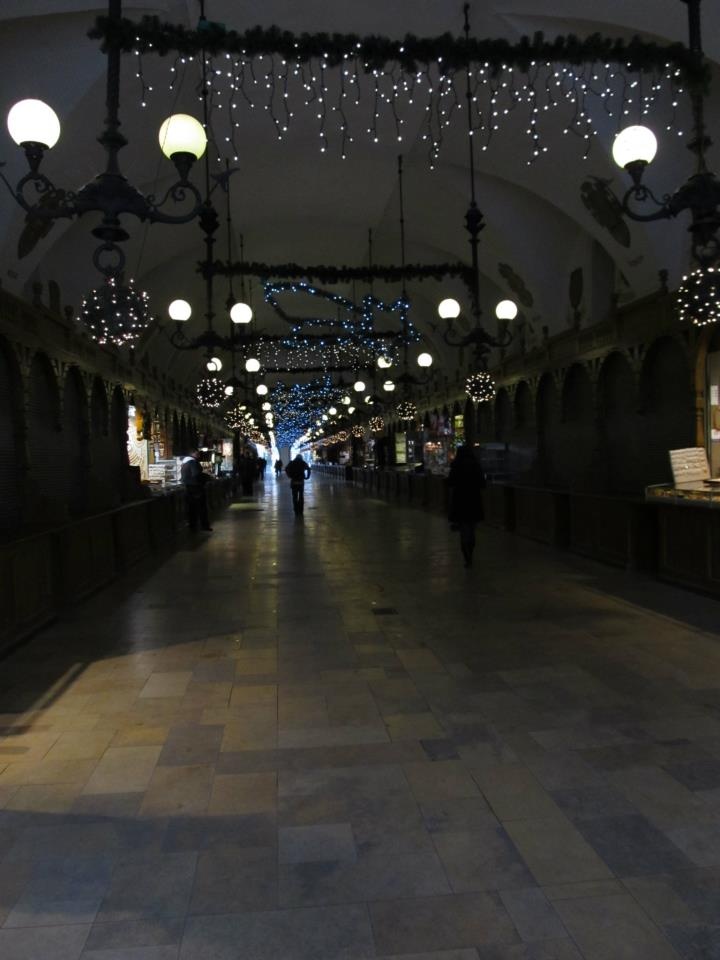
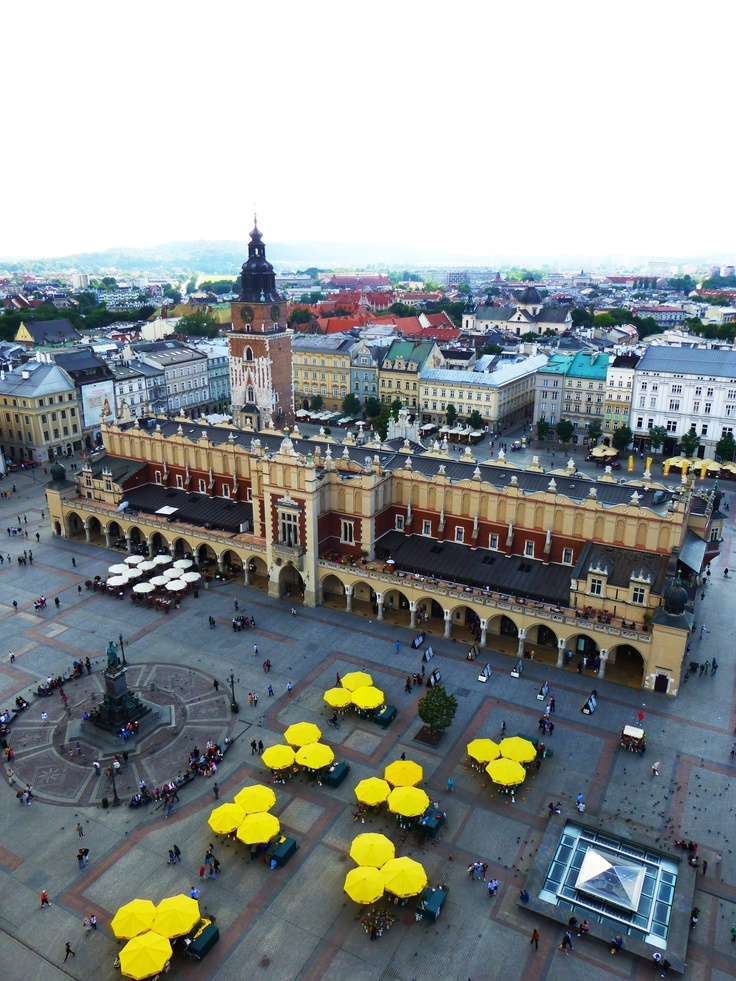
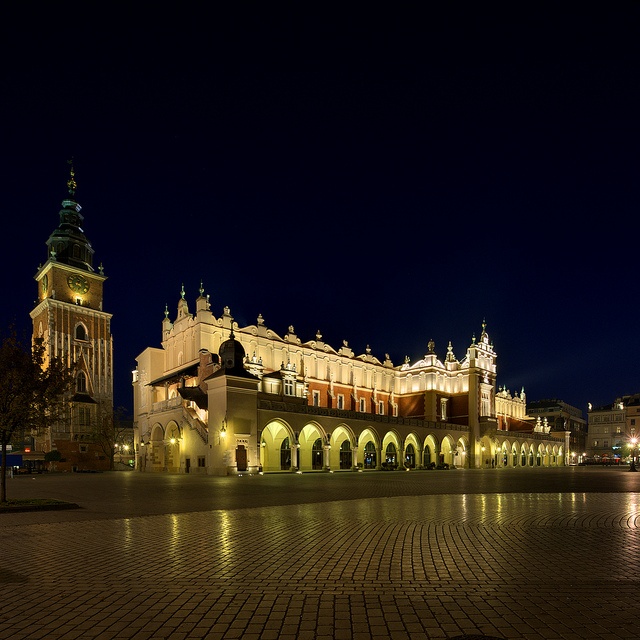
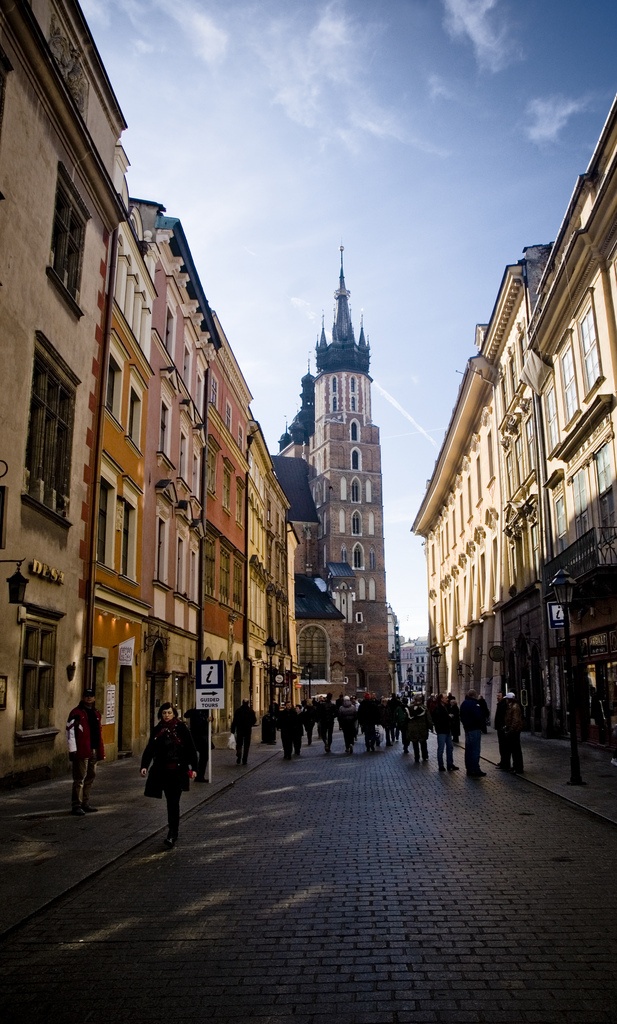
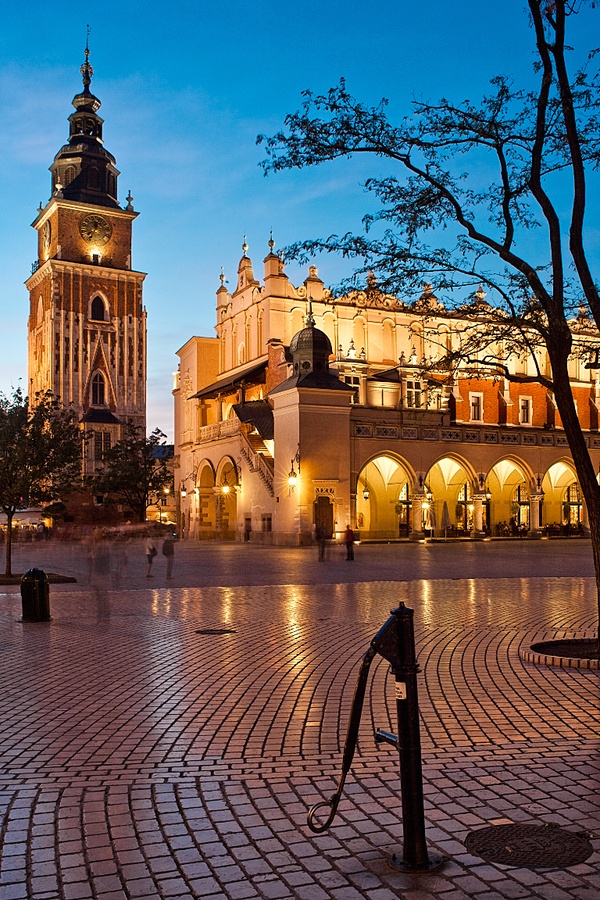
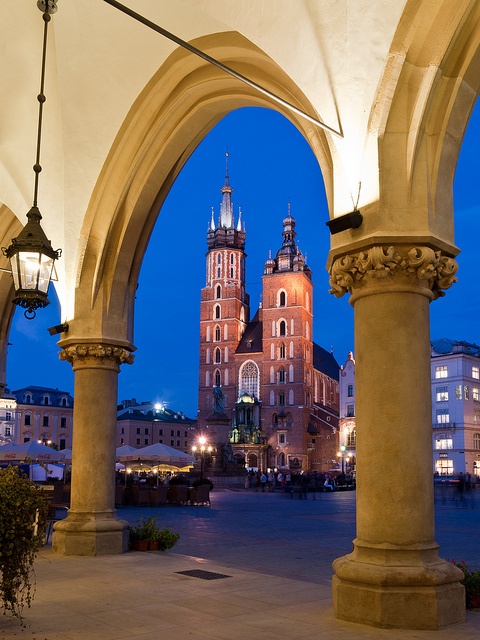
The Main Market Square (Rynek Główny) is one of Europe’s great open rooms. The Cloth Hall (Sukiennice) runs down the middle like a long Renaissance spine; St. Mary’s Basilica anchors one side with its uneven towers; horse carriages and café chairs claim the edges. Come once at midday for the buzz, once at dawn or late evening for the stone without the full crowd. The hejnał trumpet call from St. Mary’s tower is a small civic ritual—listen for it even if you already know the story of the interrupted melody. The call still marks the hour; the legend is optional flavor.
Wish-list Kraków starts here because the square teaches the city’s scale: monumental without being empty, touristed without being hollow if you also duck into side streets within two minutes’ walk. Museums upstairs in the Cloth Hall, cellars and passages below, and flower stalls outside keep the plaza useful, not only photogenic. Sit with a coffee facing the Hall and watch how residents cut diagonally across tourist clusters—the square still works as infrastructure.
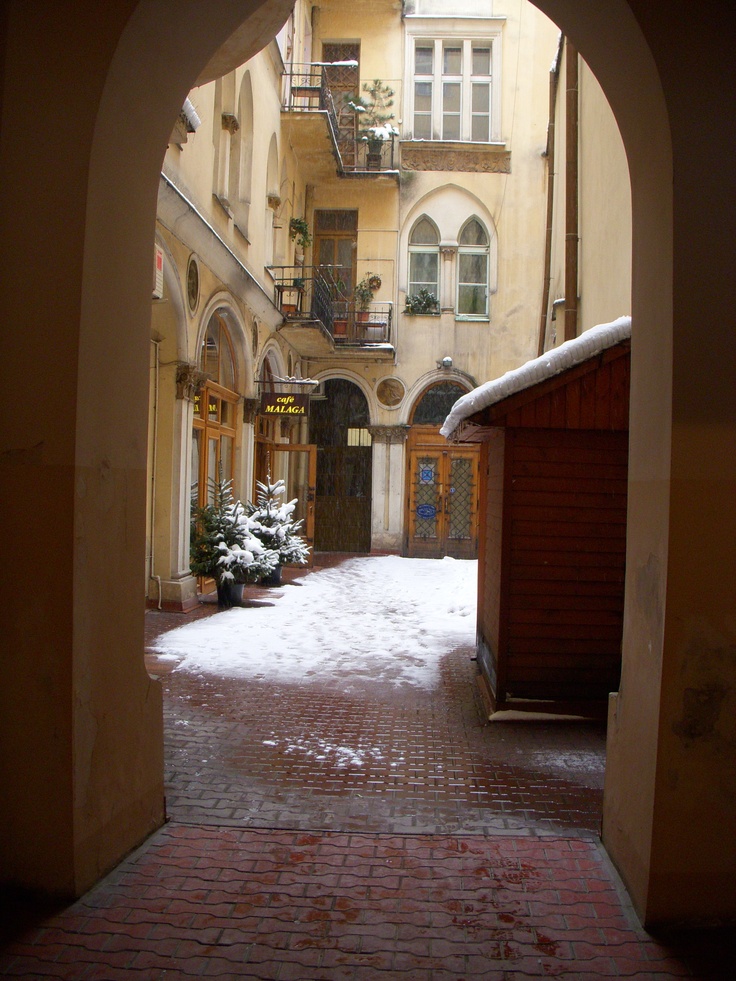
Around the Rynek, townhouses show centuries of rebuilding—Gothic cores under later façades, plaques that name writers and scholars, and courtyards that open only when you push past a gate. The square is the headline; the paragraphs are in those yards.
Wawel: hill, castle, cathedral
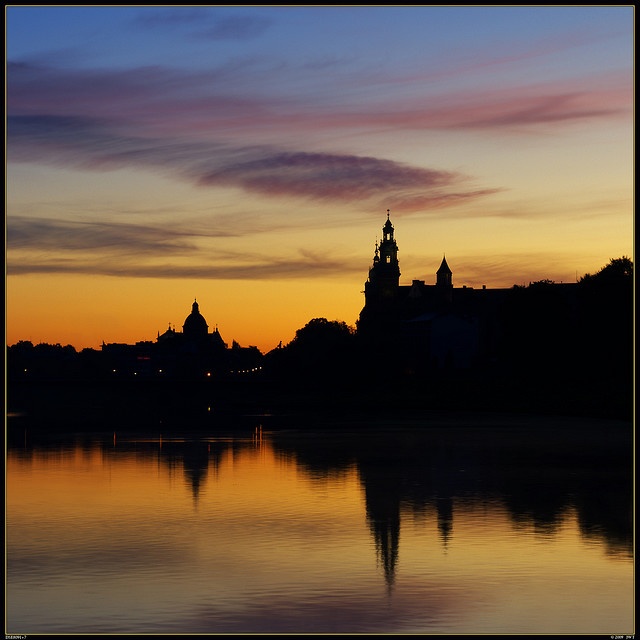
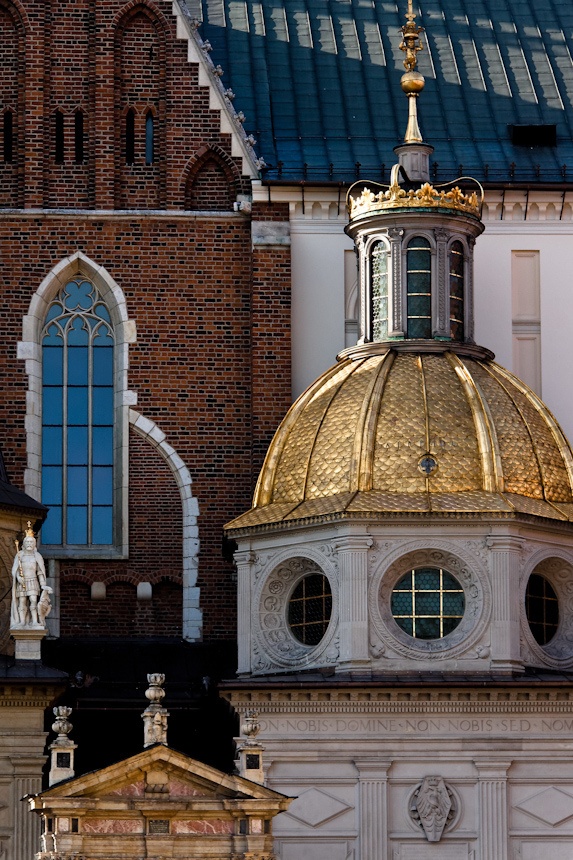
Wawel Castle and Cathedral sit above the river like a condensed national archive—royal tombs, state rooms, and a hill that has meant power for centuries. Kraków was Poland’s capital before Warsaw; Wawel still carries that older gravity. Tickets and timed entries matter in high season; decide which interiors you actually want (cathedral, state apartments, armory, or the dragon’s cave below for a lighter beat) rather than trying to see every chamber in a rush. The outdoor reward is the terrace view and the walk along the Vistula afterward, when the hill becomes silhouette.
History on Wawel is not abstract. Coronations, partitions, occupation, and restored independence all brush against these walls. A wish-list visit can be reverent without being humorless: climb, look, then sit with a simple meal nearby and let the hill settle. The cathedral’s bells and the castle courtyards do different emotional jobs—sacred continuity versus political display. Leave time for both if both matter to you.
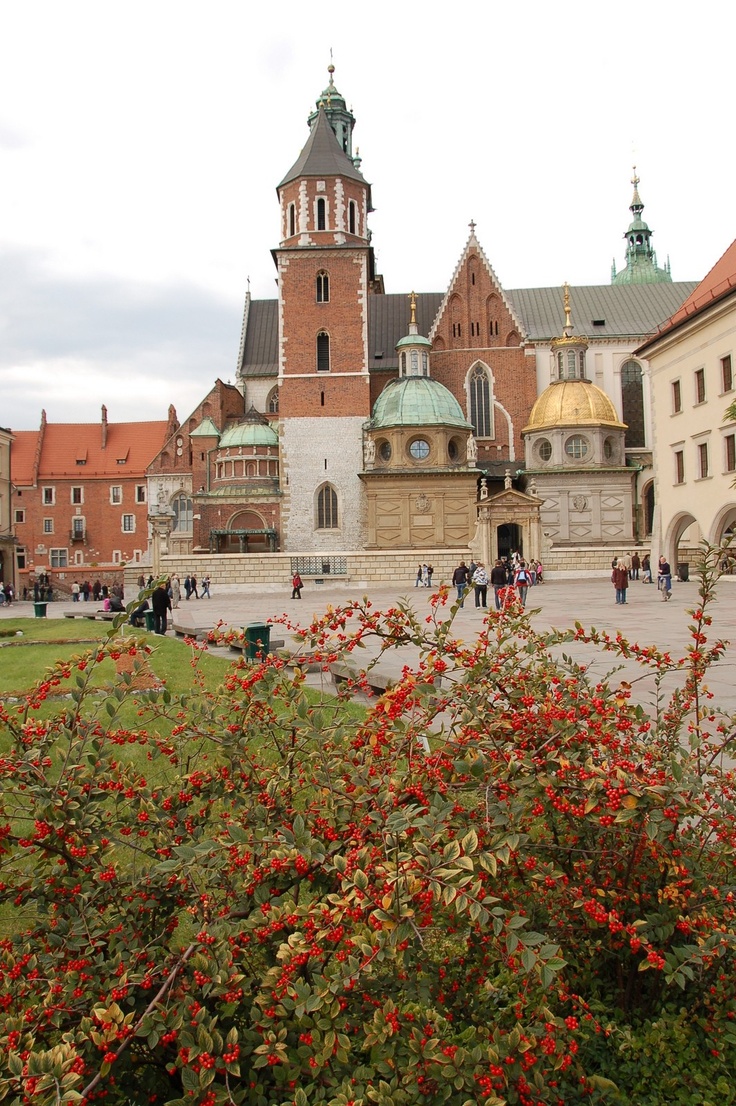
From the river boulevards, Wawel reads as a single composition: walls, towers, trees, water. Photographers chase that angle at sunset; walkers get it for free whenever the sky cooperates. On gray days the stone turns sober and just as Polish—Kraków is not only golden-hour tourism.
Kazimierz and the weight of memory
Kazimierz, south of the old town, was Kraków’s historic Jewish district and remains a place where synagogues, cemeteries, and memorial tourism meet a lively evening economy. Visit with context: the history includes flourishing culture and catastrophic twentieth-century destruction; the present includes galleries, bookshops, and nightlife that can feel dissonant if you arrive only for photos. That tension is part of the district’s honesty—it is not a frozen museum street.
Walk Szeroka and the streets around the Old Synagogue; give time to museums such as the Galicia Jewish Museum and to quieter courtyards. A responsible wish list includes reading a little before you go—enough to understand why certain façades, empty lots, and memorial plaques matter. Then eat, listen to live music if you want, and do not treat trauma sites as backdrops for poses. Kazimierz rewards curiosity that slows down.
Crossing between Kazimierz and the old town on foot is itself a lesson in urban layers—bridges, former boundaries, and the sense that Kraków’s stories sit side by side rather than in a single museum timeline.
Old-town lanes, gates, and everyday baroque
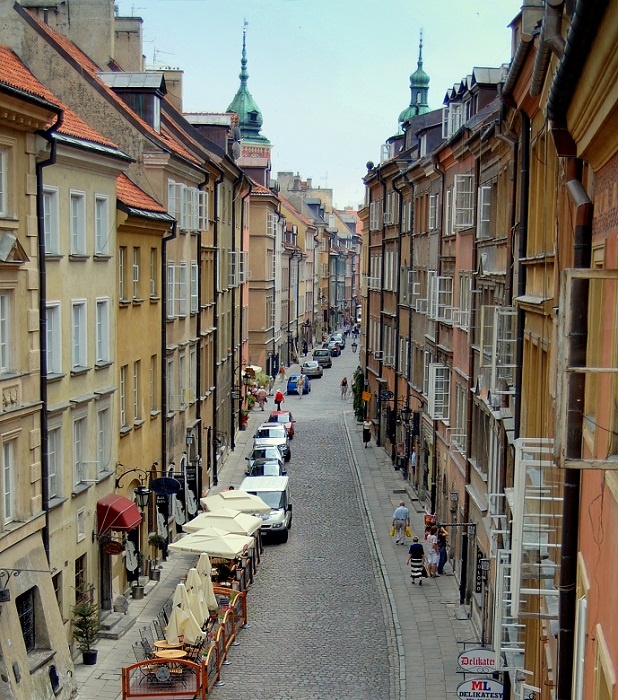
Between Rynek and Wawel, the old town (Stare Miasto) is a dense weave of churches, university buildings, and residential courtyards. Floriańska Street leads toward the Barbican and Florian Gate—the defensive leftovers of a city that once needed walls. The Planty gardens begin where those walls stood; the gate and barbican are the architectural bookmarks. University museums and collegium courtyards reward anyone who likes academic Gothic and quiet cloisters—Jagiellonian University’s deep history is not a side note; it is why Kraków feels like a thinking city as well as a royal one.
Look for details: painted façades, wrought-iron signs, narrow passages that open into sudden courtyards, and churches that hide elaborate interiors behind relatively plain street walls. Kraków’s beauty is often incremental—one doorway after another—rather than a single skyline stunt. That is why walking beats hopping between taxis, and why a second day in the same district still yields new corners.
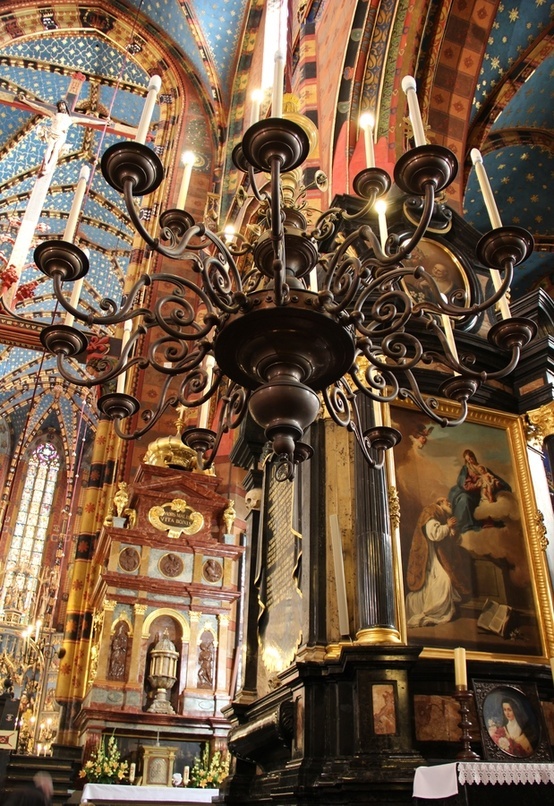
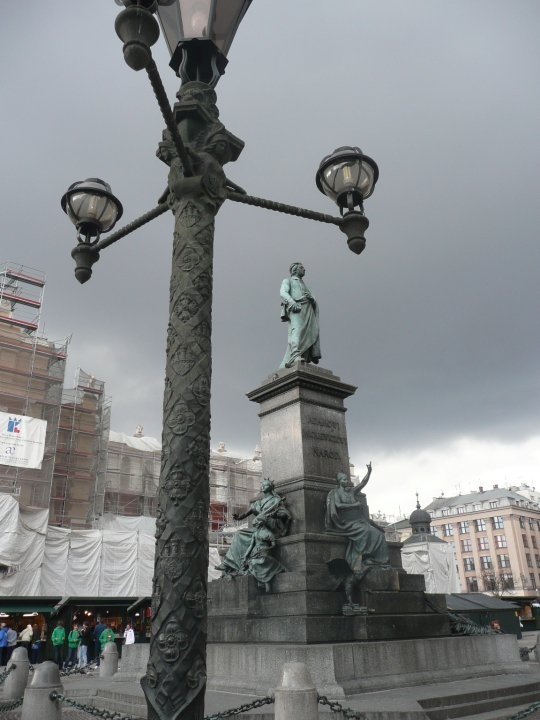
Churches repay short, respectful visits: St. Mary’s for the altarpiece and towers, others for quieter baroque interiors when the main square feels saturated. Dress codes and silence still matter; this is an active religious city, not a theme park of steeples.
Parks, river, and the Planty ring
The Planty gardens wrap the old town where the walls once stood—a green ring for reset walks between museums, perfect when café noise peaks. The Vistula boulevards give horizon and breeze. In warm months, the riverbanks become informal hangouts; in cold months, the bare trees frame Wawel cleanly. A wish-list day that only does interiors misses how Kraków breathes. Even a twenty-minute Planty loop changes the pace of a museum morning.
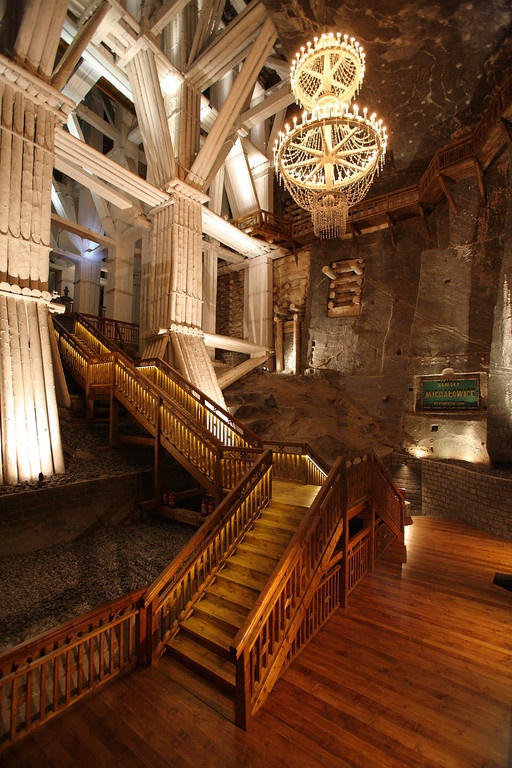
Day trips exist—Wieliczka salt mine, Tatra foothills, memorial sites that demand their own solemn day—but the city itself is dense enough for three full days without leaving the tram map. Stay near the old town or Kazimierz if walking is your plan; use trams when rain arrives, which it will. Shoulder seasons often mean softer crowds and clearer stone; summer means outdoor tables and thicker lines at Wawel.
Food is part of the history tour: pierogi in every variation, żurek, modern Polish bistros that rework classics, and milk bars that still feed students cheaply. Book one nicer dinner; keep the rest informal. Museums reward mornings; squares reward evenings. Obwarzanek from a street cart counts as research.
When the light drops and the Cloth Hall lamps come on, walk the Rynek one more time without a camera checklist. The same stones that held medieval trade now hold tourists and residents in the same rectangle of air. That dusk circuit—Wawel silhouette behind you, St. Mary’s towers ahead—is the Kraków image worth keeping on the list until you can stand in it and hear the trumpet cut the hour.

Comments
Continue reading
Travel Wish List: Paris for Streets, Culture, and Romance
Seine walks, museum days without burnout, and neighborhood rhythms—why Paris stays on the urban-romance wish list.
Travel Wish List #3: Harbors, Temples, and Alpine Lakes
Fifteen places that interrupt ordinary weeks—Kyrenia, Paris, Rameswaram, Hallstatt, Valparaíso, and more—framed as a visual wish list, not a booking funnel.
Travel Wish List #1: Light, Mist, Timber, and Quiet Rooms
Alaska aurora, Cinque Terre, Santorini, Multnomah Falls, Borgund, Peleș, Prague, libraries, Montmartre, Machu Picchu—and more—as a mood board of weather and stone.