
Alex Cooper’s Career, Call Her Daddy, and Reported Wealth Estimates
A profile of Alex Cooper’s rise with Call Her Daddy, income streams discussed in media coverage, and why net-worth figures are estimates—not audited facts.
Alex Cooper became widely known through the podcast Call Her Daddy, a show that mixed frank talk about dating, sex, friendship, and ambition with a tone that many listeners found both provocative and familiar. Curiosity about her finances followed the same path as curiosity about any high-visibility media figure: when a personality saturates feeds and charts, people ask how the work converts into money. The useful answer is less a single “secret number” and more a map of career choices, reported deals, and the limits of public estimates.
What follows is a celebrity-profile look at Cooper’s rise, the ventures commonly linked to her income, and how media-era estimates of wealth should be read—cautiously, as reported ranges rather than audited facts.
Early life and media beginnings
Public profiles commonly place Cooper’s birthdate as August 21, 1994, and her upbringing in Newtown, Pennsylvania, as the middle child in a three-sibling household. Biographical sketches often describe a suburban childhood, competitive sports (including soccer), and a household that valued stability—details that fan and press narratives later used to explain her drive, though they remain soft background rather than financial data.
She attended Boston University, studying film and television, and began experimenting with social platforms while still building media skills. After college she moved toward New York’s content and social-media work world: roles that offered industry adjacency more than instant fame. Like many creators of her cohort, she was searching for a format that matched her voice—direct, conversational, and willing to discuss subjects mainstream daytime media often softened.
That search intersected with podcasting at a moment when the medium was still expanding among younger audiences. A collaboration with Sofia Franklyn became the hinge. Together they launched Call Her Daddy in 2018, and the show’s early chemistry—candid topics, humor, and a sense that nothing was off-limits—found a large female and young-adult listenership hungry for unfiltered talk.
The rise of Call Her Daddy
The podcast’s early appeal was not subtle branding so much as permission. Listeners heard relationship mishaps, sex talk, and friendship drama treated as ordinary conversation rather than scandal. Cooper’s bolder on-mic persona and Franklyn’s contrasting presence gave the show a dual rhythm that felt like two friends recording, even when production values improved.
Download momentum and cultural chatter followed. By the late 2010s and into 2020, Call Her Daddy was regularly discussed as a standout in its lane—part entertainment, part peer counseling, part spectacle. Celebrity guests and higher-profile interviews later widened the funnel, but the core remained Cooper’s willingness to sound unscripted.
A public split with Franklyn around 2020 became a turning point. Cooper continued the show as a solo host with fuller creative control. Continuity mattered: the brand survived the change and, in many coverage narratives, grew. Solo-era episodes leaned into empowerment talk, interviews, and a more polished media operation while keeping the frankness that first built loyalty.
For career growth, that transition is the real story. Hosting alone meant carrying the brand’s risks and rewards. It also positioned Cooper as the clear face of a property that platforms and advertisers already understood as high-reach audio.
Reported income streams (not a private ledger)
Public discussions of Cooper’s money usually group a few channels. None of the following should be read as a personal tax return; they are the categories journalists and industry watchers cite when explaining how a top podcast host might earn.
Podcasting and platform deals
Podcast revenue for a hit show can include advertising, sponsorship reads, and exclusive platform arrangements. In Cooper’s case, coverage of a multi-year Spotify exclusive frequently cited an estimated figure around $60 million for the deal package reported in that era. Treat that number as media-reported estimation of a commercial agreement—not a confirmed personal bank balance, and not a permanent annual salary. Deal structures can include advances, exclusivity premiums, production support, and multi-year terms that do not translate one-to-one into “take-home” wealth.
Even without dissecting contracts, the directional point is clear: chart-level podcasts with young, brand-friendly audiences attract large sponsorships. Beauty, wellness, fashion, and consumer-tech categories have been repeatedly associated with Call Her Daddy advertising in trade and lifestyle coverage. Episode volume and download scale amplify those rates. Podcasting remains the center of gravity in most explanations of Cooper’s earning power.
Brand partnerships and endorsements
Beyond in-show ads, Cooper has been linked in coverage to brand partnerships spanning lifestyle, beauty, audio hardware, and wellness categories—names such as Bose, Honey, and Athletic Greens have appeared in public association lists. Endorsement income varies wildly by post, exclusivity, usage rights, and campaign length. The profile-level takeaway is diversification: a host with a loyal audience can sell attention on the podcast and again on social channels, provided authenticity (or the appearance of it) holds.
Social platforms and YouTube
Large followings on Instagram and related platforms create sponsored-post markets. Rates are rarely disclosed precisely; estimates floating online should be treated as speculation unless tied to documented filings or on-the-record comments. YouTube clips, interviews, and behind-the-scenes uploads can add ad-share revenue on top of the audio flagship. Merchandising—branded apparel and fan goods tied to Call Her Daddy—appears in public narratives as a secondary line: meaningful for brand extension, usually smaller than a platform exclusivity package when discussed in industry terms.
How to read “net worth” figures
Celebrity net-worth roundups love a headline number. For Cooper, some later lifestyle write-ups floated estimates on the order of roughly $100 million (including claims framed around mid-2020s snapshots). Those figures are best understood as unofficial, third-party estimates—often recycled, rarely sourced to audited statements, and sensitive to how writers treat illiquid assets, taxes, fees, and deal amortization.
A responsible reading does three things. First, it separates career success (undeniable cultural reach) from precise wealth accounting (mostly opaque). Second, it anchors on reported deal ranges when coverage exists—such as the widely discussed Spotify package estimate—while refusing to invent finer fake totals for homes, equity, or private investments. Third, it remembers that entertainment fortunes move: renewals, audience shifts, and new ventures can raise or compress future earnings without the public ever seeing a balance sheet.
In other words: Cooper’s profile supports the claim that she ranks among highly compensated podcast personalities of her generation. It does not support treating any blog’s round number as gospel.
Public image, lifestyle, and boundaries
Cooper’s public image mixes candor on the mic with selective privacy offline. Social posts have often shown travel, fashion, and New York–centered scenes; press sketches describe upscale city living and a taste for polished personal style. Those images feed lifestyle curiosity, but they are marketing surfaces as much as documentary evidence. Designer clothes and vacation photos illustrate brand positioning; they do not itemize net worth.
She has discussed relationships and career stress in formats she controls, while still drawing lines around family and romance when she chooses. That balance—open enough to feel intimate, closed enough to stay sustainable—is part of how modern media figures protect longevity. It also frustrates tabloid-style wealth mythmaking: without property records and contract leaks, lifestyle content remains atmosphere, not appraisal.
Career outlook in profile terms
Looking forward from the Spotify-era peak coverage, Cooper’s advantages are familiar: a recognizable show brand, interview access, and a direct audience relationship built over years of episodes. Possible extensions discussed in entertainment chatter—broader TV or film work, books, live events, or a larger production company—fit the usual playbook for audio stars who outgrow a single feed. Whether any given rumor lands matters less than the pattern: successful podcast IP often seeks adjacent formats.
What will determine financial trajectory is execution and retention. Audience trust is the real asset underneath every reported deal. If the show remains appointment listening for its demographic, commercial leverage follows. If attention fragments, even past headline contracts become historical context rather than a permanent ceiling or floor.
Alex Cooper’s story, then, is best told as career architecture: sports-bred competitiveness, media training, a breakout podcast, a difficult co-host transition, and a set of income channels that media coverage summarizes with large, approximate numbers. Treat those numbers as reported-era estimates. Keep the focus on how she built a loud, durable platform in a crowded attention economy—and on why “net worth” headlines are a blunt instrument for understanding a still-evolving entertainment business.

Comments
Continue reading

Funny Animal Signs That Warn People (While Animals Ignore Them)
From a seagull on a no-birds disc to classic zoo and park ironies—why animal warning signs get funny, and what the rules are still for.

How to Find Local Amenities on Vacation: Mechanics, Haircuts & More
Locate trustworthy local services and everyday spots while traveling or settling in—using publications, reviews, map apps, neighbor tips, and low-pressure exploration.
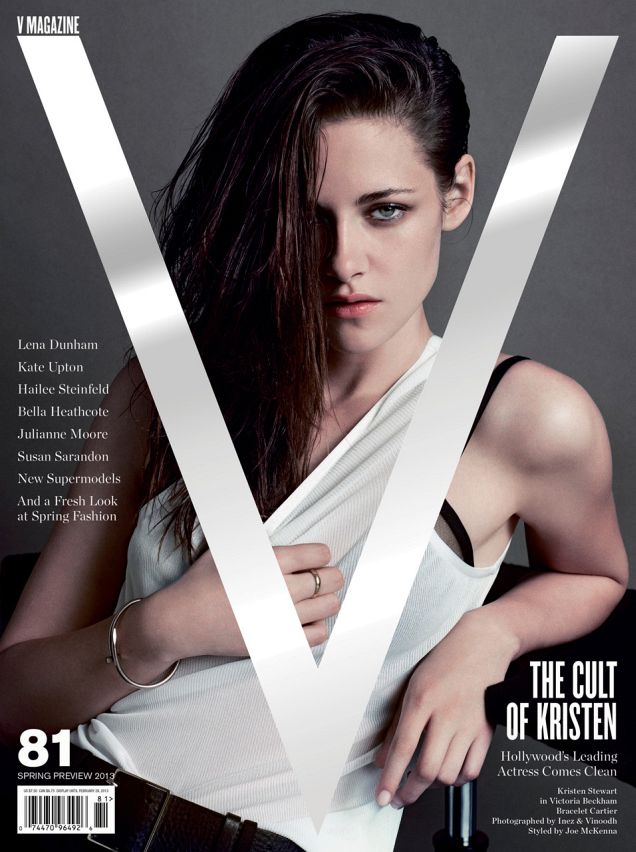
Kristen Stewart for V Magazine, Spring Preview 2013
V81’s Wild at Heart cover story—Kristen Stewart shot by Inez & Vinoodh, styled by Joe McKenna, in pale minimal spring glamour.