
Travel Wish List: Paris for Streets, Culture, and Romance
Seine walks, museum days without burnout, and neighborhood rhythms—why Paris stays on the urban-romance wish list.
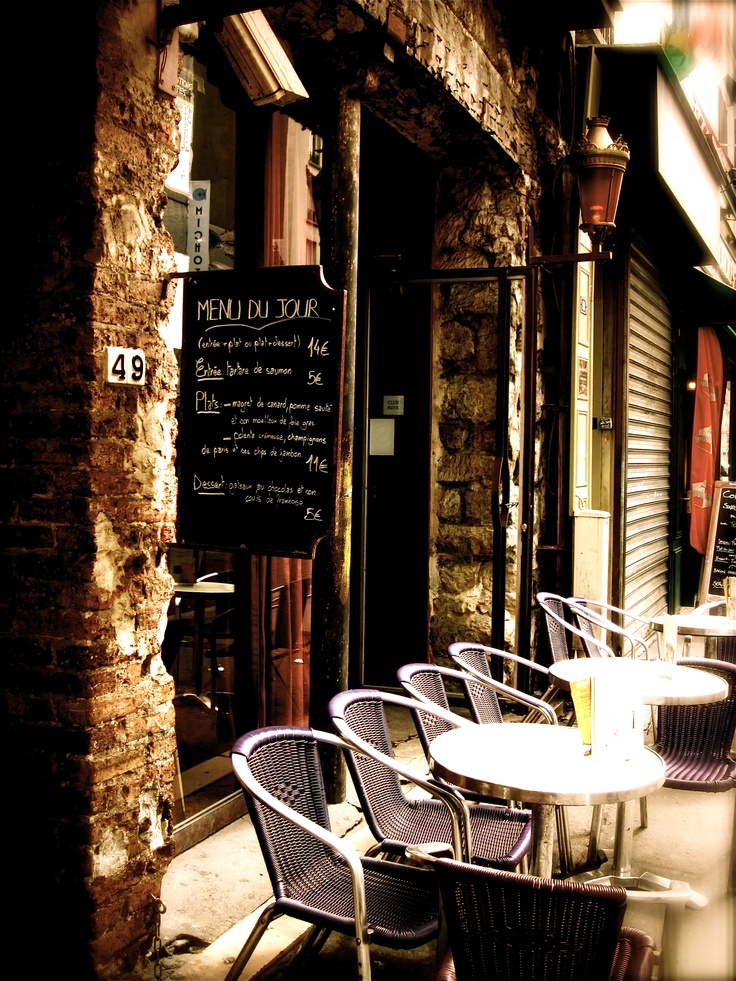
Paris belongs on a wish list for reasons that have little to do with checklists. The city is a romance of streets and stone: bridges over the Seine, café chairs facing the theater of passersby, museums that treat light as seriously as paint, and neighborhoods where a wrong turn still feels like a gift. If other destinations on your list promise wilderness or beaches, Paris promises density—culture stacked on culture, history underfoot, and evenings that stretch because conversation does. Urban romance here is not a slogan. It is the daily permission to walk, look, sit, and look again.
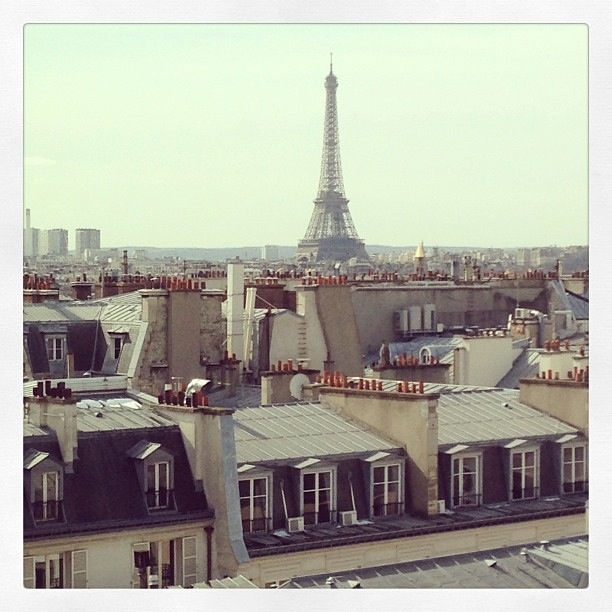
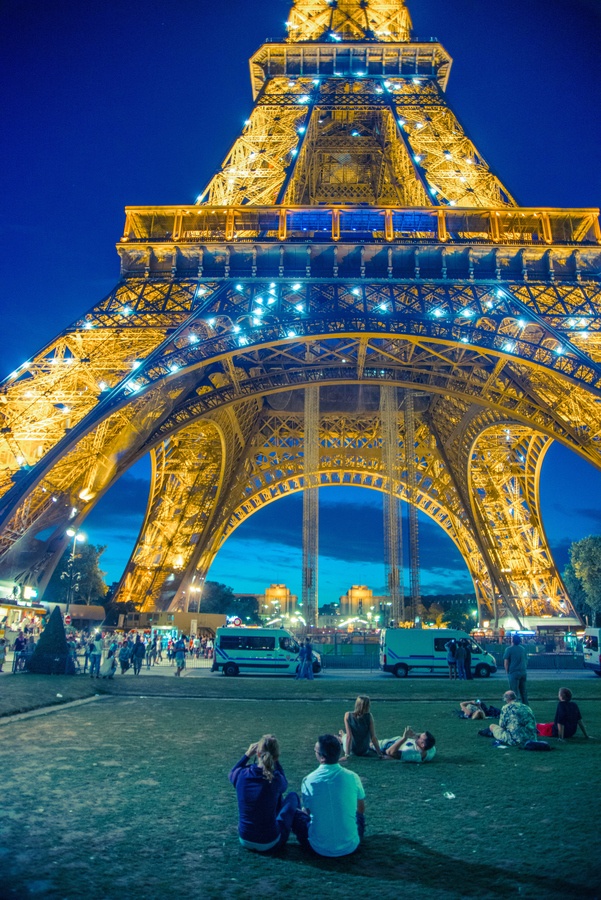
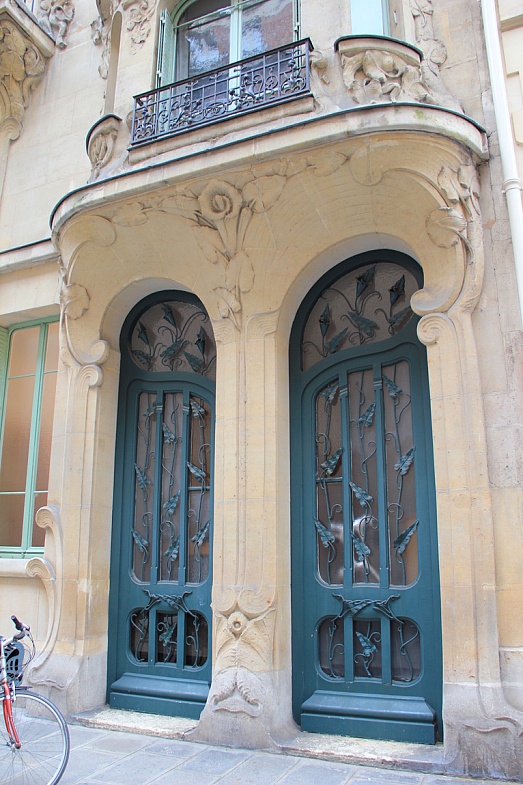
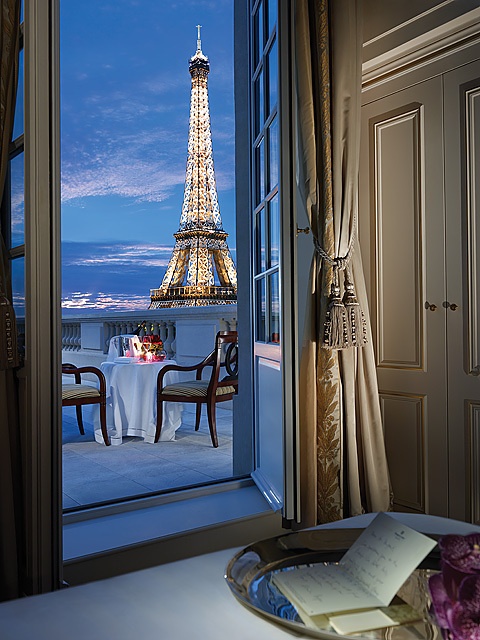
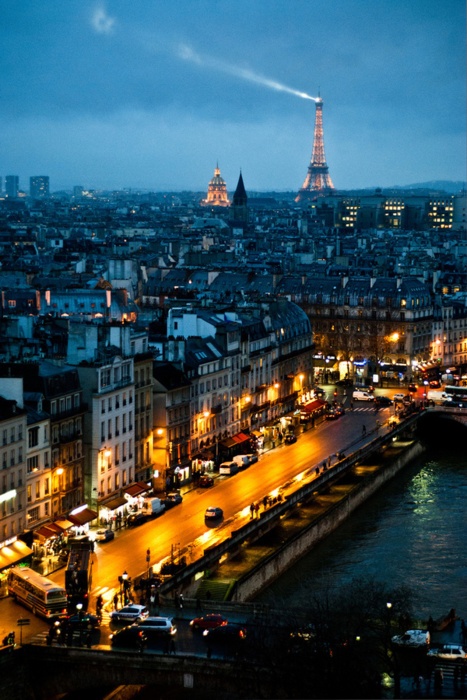
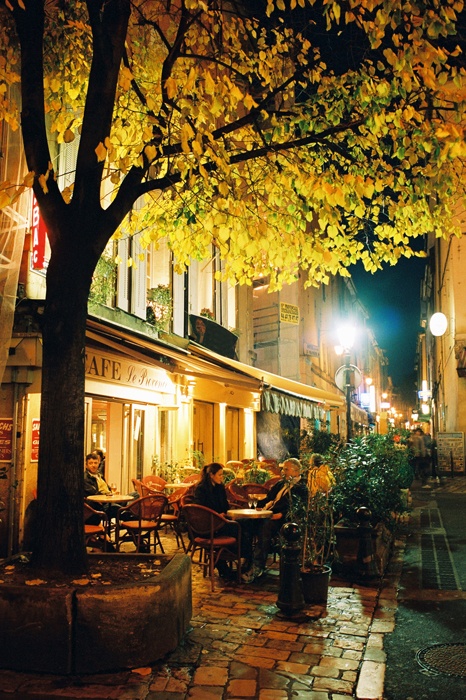
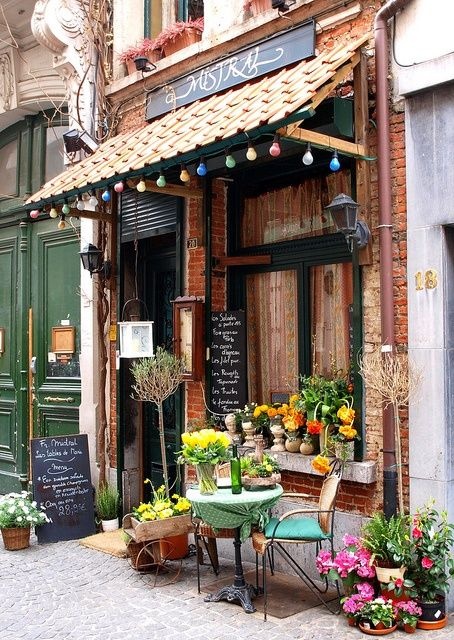
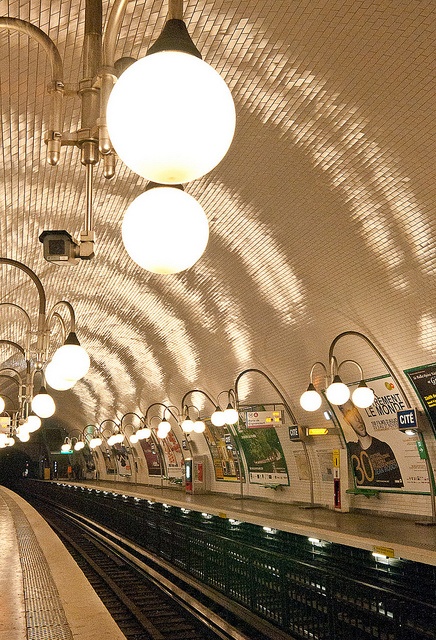
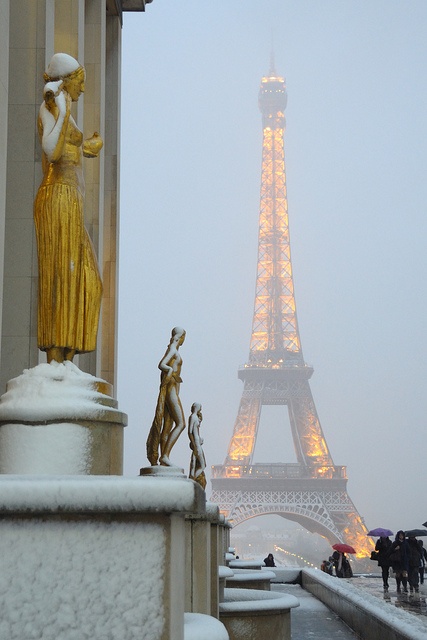
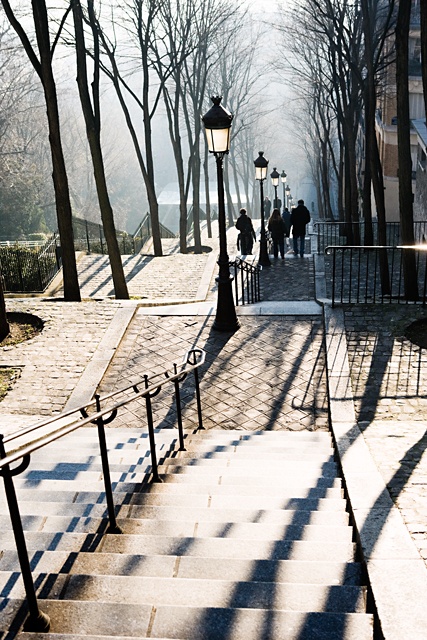
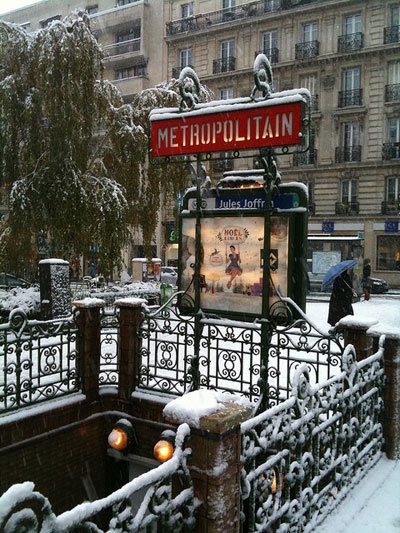
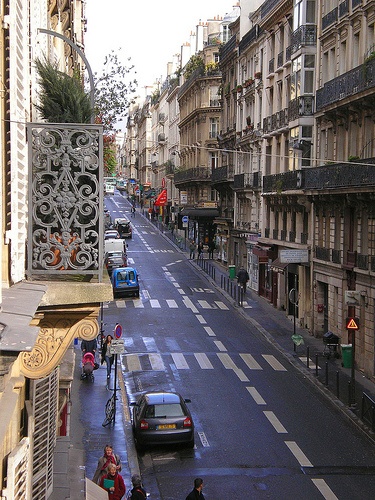
These images are less a map than a mood board: rooftops, monuments, and human-scale corners that explain why people keep returning even after the first Eiffel Tower photograph is already in the album. Use them as atmosphere while you decide how you want Paris to feel—grand, intimate, museum-heavy, or mostly street-level—and then build days that protect that feeling instead of fighting it with over-scheduling. A wish list entry for Paris works best when it names a mood, not only a monument.
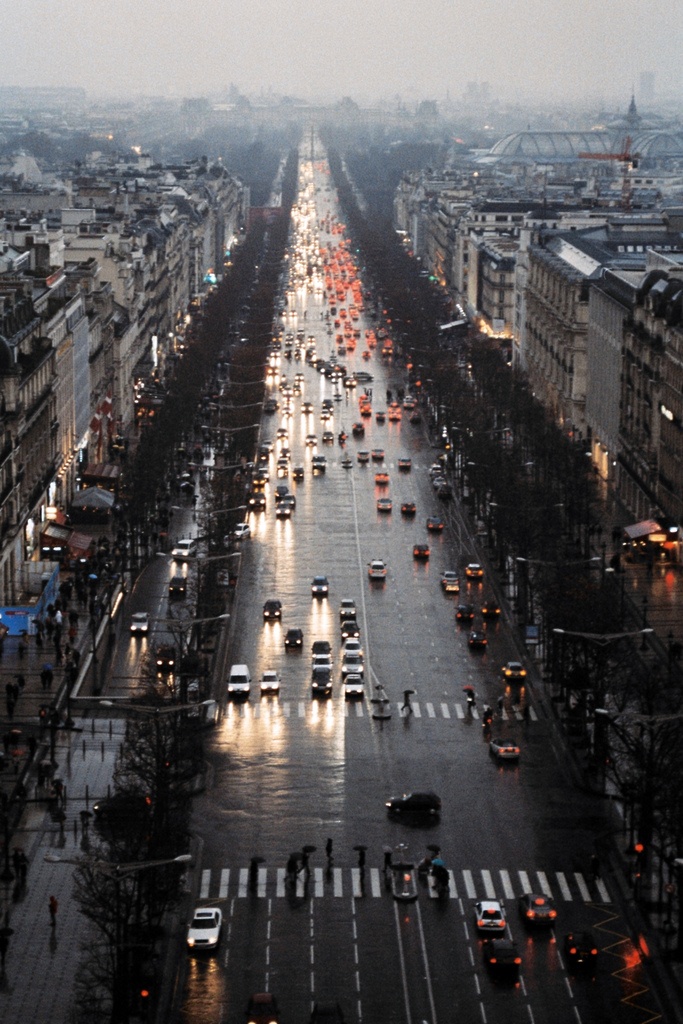
The city as a continuous room
One way to wish for Paris is to stop treating it as separate attractions and start treating it as one continuous room. Haussmannian avenues open into squares; squares spill into side streets; side streets lead to a church, a bookshop, a courtyard gate. You walk, you pause, you walk again. The romance is not only couples on bridges—it is the permission to move without a hard agenda, to let a bakery smell redirect the morning, to sit when your feet say so. A bench with a view of ordinary windows can matter as much as a famous façade if you give it ten quiet minutes. The city teaches that “nothing much” can still be the highlight of the day.
Under the sky of Paris the weather becomes part of the palette. Grey days soften limestone; clear evenings turn zinc roofs into mirrors; rain makes café windows into aquariums of light. Pack layers and comfortable shoes. The city’s best plan is often the one that survives a sudden shower and still ends with a long dinner. Umbrellas appear like a flock; then the sun returns and the wet pavement doubles every lamp. That volatility is part of why Paris photographs so endlessly: the same corner changes character by the hour. Bring a light scarf even in seasons that look warm on a forecast; stone can hold chill, and evenings cool faster than tourist maps admit.
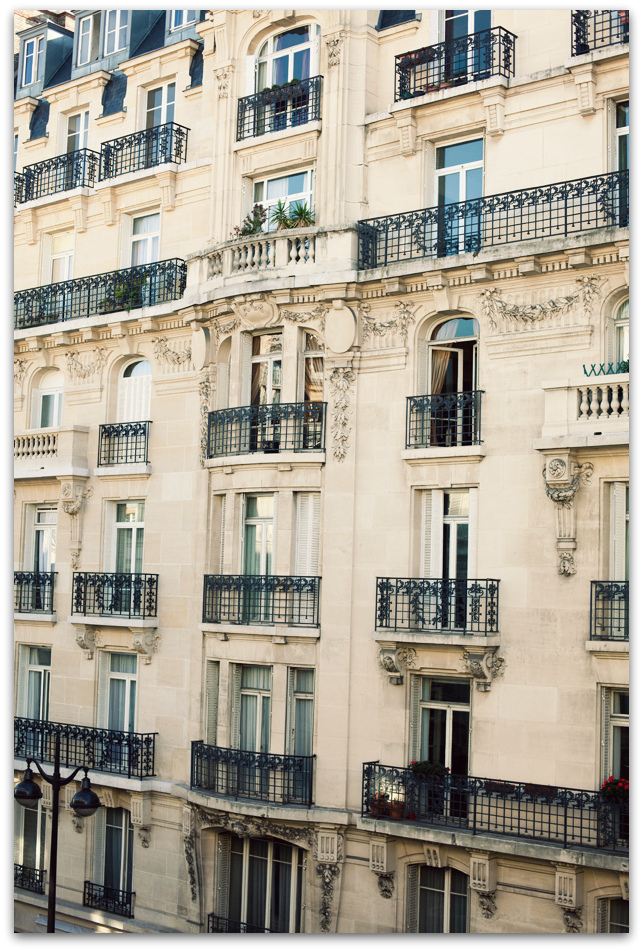
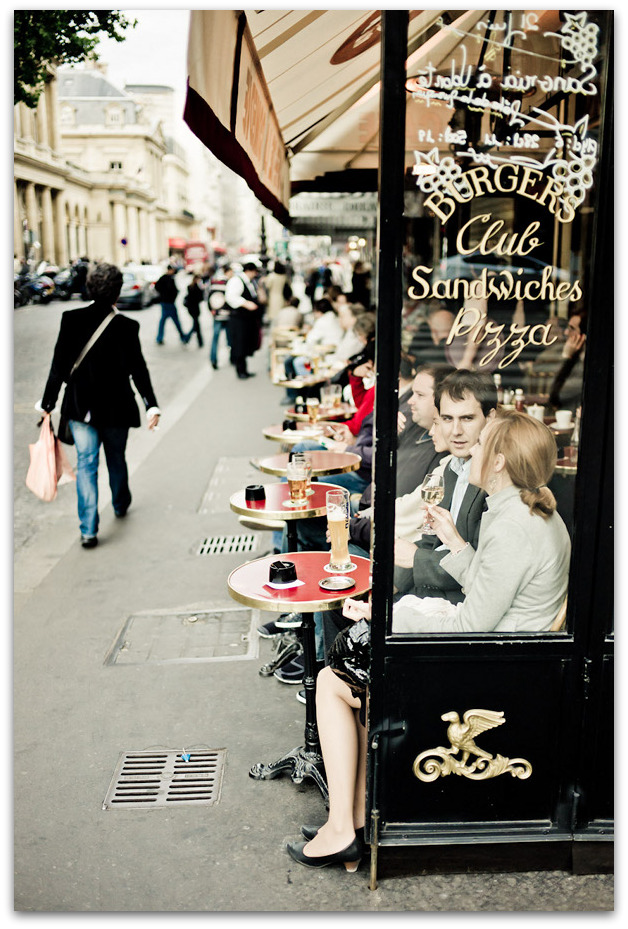
Culture without museum burnout
Paris can overwhelm if you try to “finish” it. The Louvre alone is a multi-day problem; Orsay, the Orangerie, Centre Pompidou, and smaller museums each deserve attention. A kinder approach for a first or return visit is to choose one major museum day and one lighter culture day: a church interior, a temporary exhibition, a walk through a historic library courtyard if open, or simply the public sculpture and architecture you meet for free on the street. Book timed tickets when required, then protect the hours after with something unstructured—a park, a long coffee, a bookstore browse—so your mind can keep what it saw. Culture without recovery becomes a blur of labels and sore feet.
Churches and chapels carry as much atmosphere as galleries—stained glass, stone chill, and the hush that city noise cannot fully enter. Markets and covered passages offer another kind of culture: food, craft, and the choreography of locals shopping. Romance here is attention. Looking carefully at a pastry case or a bookstore window is as Parisian as standing in front of a masterpiece, because both ask you to slow down. If you care about Impressionist light, Orsay or the Orangerie may satisfy more than racing through every wing of a palace museum. Match the collection to your curiosity, not to someone else’s checklist. A single room you love is worth more than a building you merely survived.
Seine, bridges, and the evening walk
The Seine is the city’s spine. Walk both banks when you can; cross bridges without hurry; watch barges and the changing height of the water. Île de la Cité and Île Saint-Louis concentrate postcard Paris, yet even there, early morning can feel almost private—bakery shutters opening, street cleaners finishing, the first coffee cups appearing on zinc counters. At dusk, lights come on along the quais and the city performs its oldest trick: looking more like memory than real estate. Blue hour on a bridge is a cliché because it works. Stay long enough for the sky to finish changing; the extra twenty minutes are often the ones you remember.
Night walks are a Paris specialty if you stay aware of your surroundings as you would in any large city. The reward is atmosphere—monuments lit, streets quieter, cafés still glowing. Urban romance is often just shared attention: two people (or one person and a camera) agreeing that this corner, this reflection, this stretch of river is enough for now. You do not need a reserved Seine cruise to claim the river. Walking costs only time and good shoes. If you do take a boat, treat it as one chapter, not the whole book—the streets still hold most of the city’s voice.
Neighborhoods with different temperatures
Paris is plural. Marais lanes feel different from Montmartre slopes; the Latin Quarter’s student energy differs from quieter residential arrondissements farther out. Canal areas offer a softer, watery rhythm; grand western avenues offer width and polish. You do not need to collect every arrondissement. Pick two or three bases for walking loops and let the rest wait for another trip. A week that stays mostly in one cluster of neighborhoods often feels richer than a week spent crossing the city for one “must” per district. Metro time adds up; walking time pays better dividends when the weather cooperates.
Food is inseparable from the city’s wish-list status—not only Michelin rooms, but also boulangeries, cheese shops, simple bistros, and markets. A practical romance tip: make one meal a day special and keep another light. Standing at a counter with a sandwich and a view of a busy intersection can be as memorable as a reserved table, especially when the light is good. Learn a few polite phrases; they are not magic, but they signal respect. Tip and seating customs vary by place—watch how locals behave and follow the room. Market mornings can be as cultural as museum afternoons if you taste carefully and leave room for dinner.
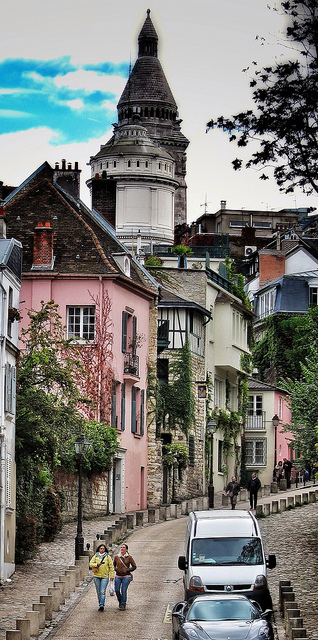
Return, at the end of a long day, to one concrete Seine moment: a particular bridge, a particular stretch of quai, the way a barge’s wake breaks the reflected streetlights. Hold that image. When the trip ends, you may remember that blue-hour crossing more clearly than any ticketed highlight. That is the urban promise of Paris: culture and romance arrive together when you give the streets time to work.

Comments
Continue reading
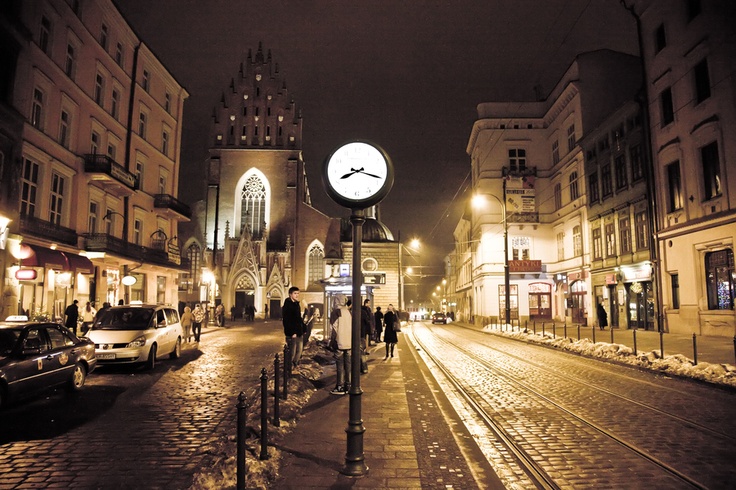
Travel Wish List: Kraków’s Square, Wawel, and Old-Town Lanes
Rynek Główny, Wawel Hill, Kazimierz, Planty walks, and dusk on the Cloth Hall—Kraków as a walkable history city, not a spa or volcano itinerary.
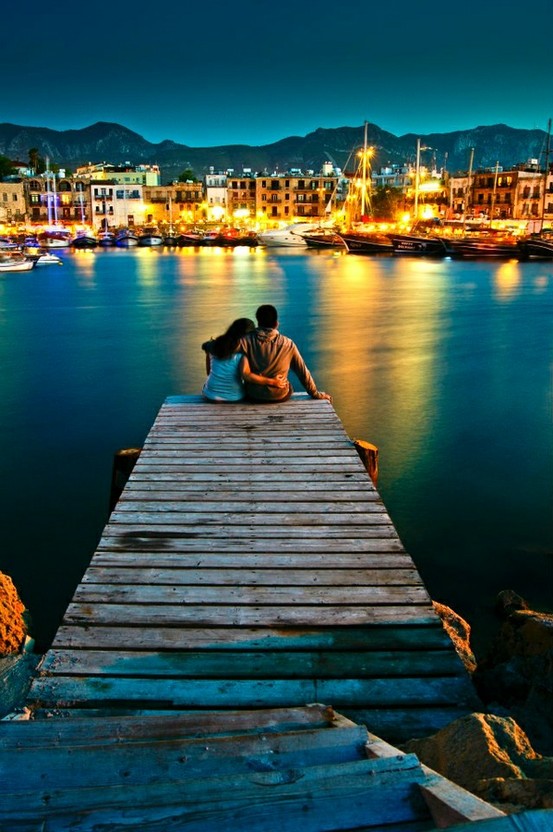
Travel Wish List #3: Harbors, Temples, and Alpine Lakes
Fifteen places that interrupt ordinary weeks—Kyrenia, Paris, Rameswaram, Hallstatt, Valparaíso, and more—framed as a visual wish list, not a booking funnel.

Travel Wish List #1: Light, Mist, Timber, and Quiet Rooms
Alaska aurora, Cinque Terre, Santorini, Multnomah Falls, Borgund, Peleș, Prague, libraries, Montmartre, Machu Picchu—and more—as a mood board of weather and stone.