
Travel Wish List: Mykonos, Heart of the Aegean
Whitewashed Chora, windmills, Little Venice, and Aegean beaches—how to wish-list Mykonos for light, food, and island rhythm.
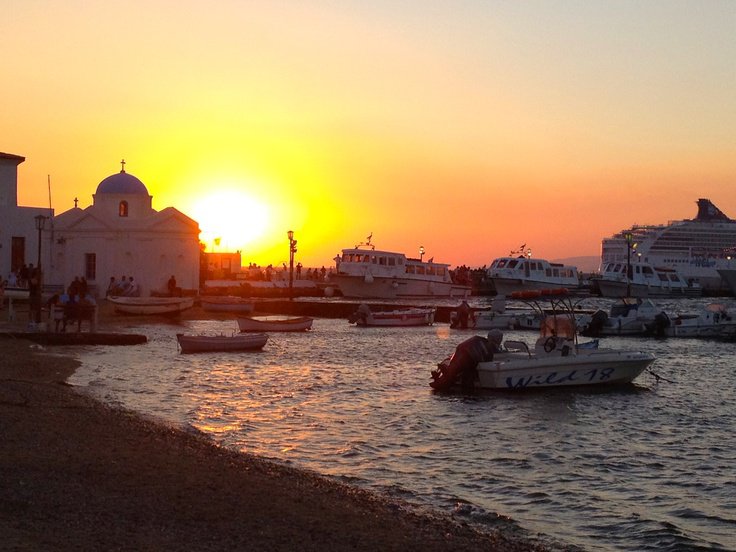
Mykonos sits in the heart of the Aegean, a Cycladic island where whitewashed lanes meet wind-scoured headlands and water that shifts from turquoise to ink-blue in a single afternoon. People come for beaches and nightlife, yet the island’s lasting pull is quieter: light on limewashed walls, the grind of wind through alleyways, and the sense that the sea is never far from any conversation. If you are building a travel wish list around Greece’s islands, Mykonos earns its place as the classic Aegean postcard—busy in high summer, radiant in shoulder season, and always tied to salt, stone, and sky.
What follows is not a hotel ranking or a party map. It is a way to read the island as an island: town landmarks that explain the silhouette, coastal days chosen by mood, and the food and evening rhythms that keep Mykonos from collapsing into a generic resort strip. The Aegean setting is the point. Everything else—fashion weeks of reputation, yacht masts in the harbor, late music—arranges itself around that water.
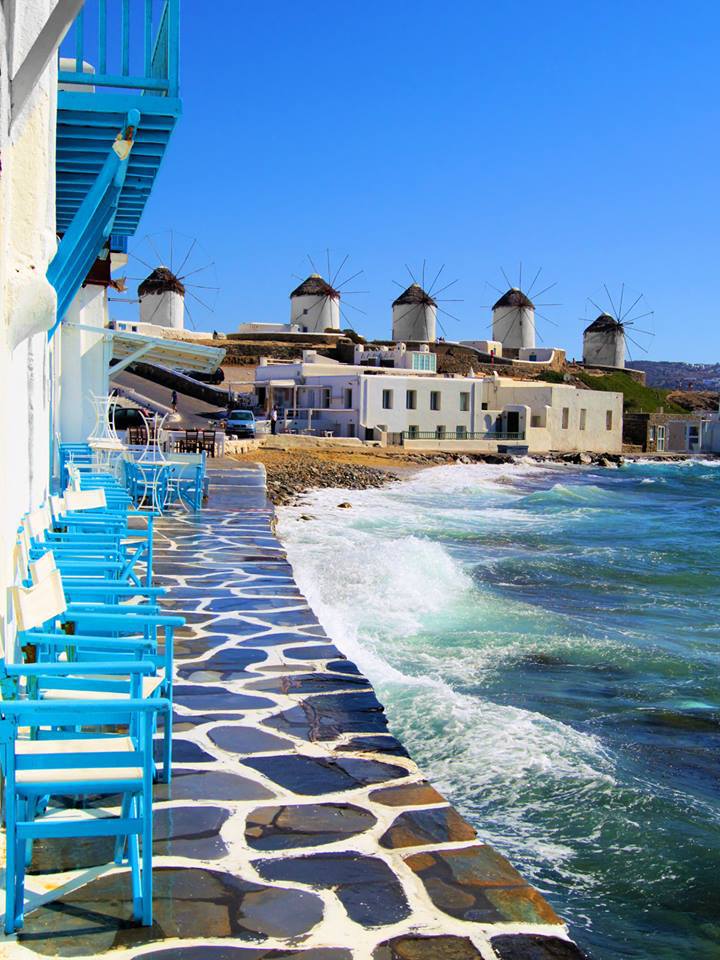
Chora: white cubes, blue doors, and walking as the plan
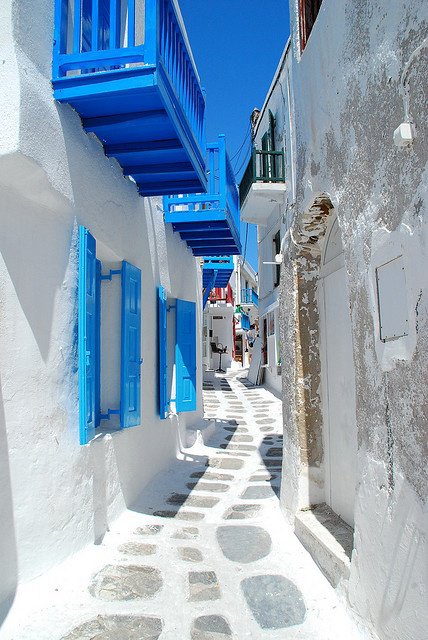
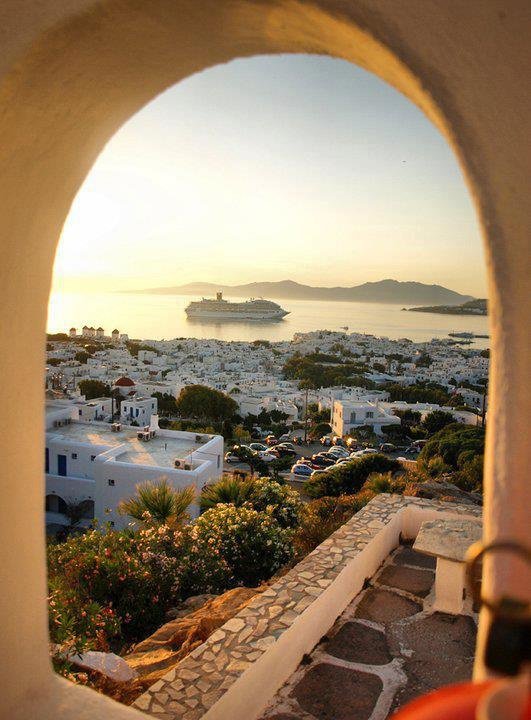
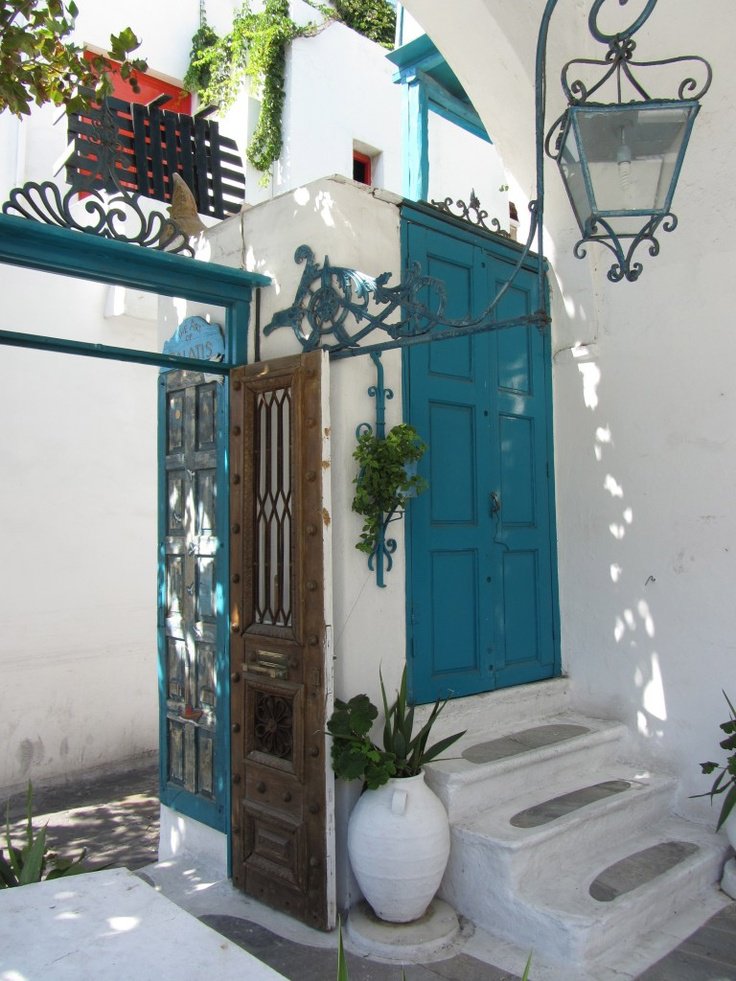
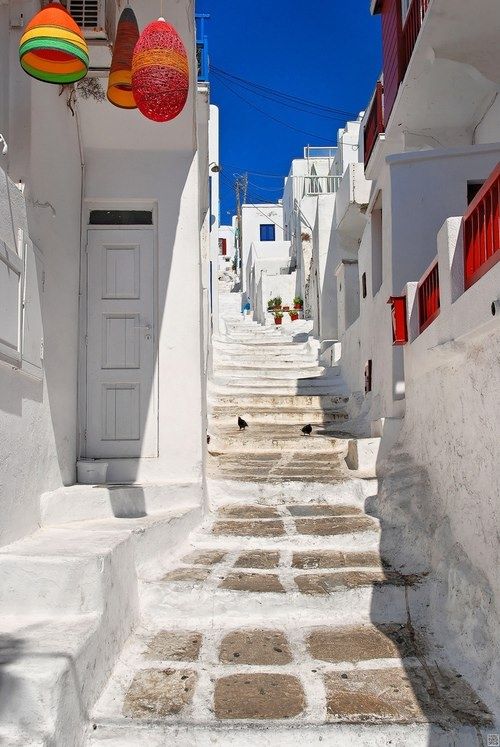
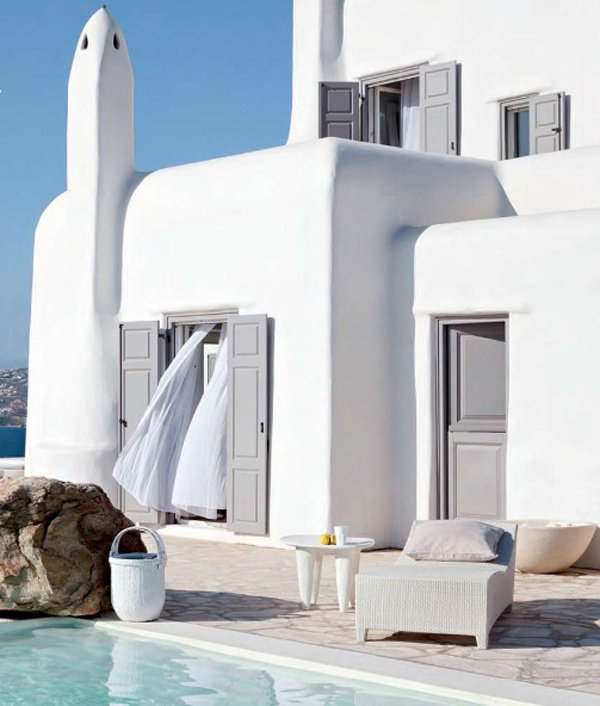
Mykonos Town—Chora—is the island’s social and visual center. Cubist houses stack tightly, churches punctuate rooftops with domes and bells, and shopfronts open onto lanes barely wide enough for two people with shopping bags. Navigation is part of the pleasure: you get “lost” on purpose, follow a flash of blue shutters, and emerge at a café terrace or a sudden view of the harbor. Maps help a little; curiosity helps more. The town rewards early mornings, when delivery vans and cruise tenders have not yet thickened the streets, and late evenings, when stone holds the day’s heat and conversation spills outdoors under soft lamps.
Among the town’s living mascots is Petros the pelican, a long-running local character visitors still hope to spot near the waterfront. Whether you meet the bird or only hear the story from a café table, the point is the same: Mykonos keeps a playful public face alongside its international reputation. Bring patience for crowds in July and August, and bring curiosity for the quieter side streets that still feel residential—laundry lines, cats on steps, a chapel door left ajar—rather than purely commercial.
Practical Chora advice sounds almost too simple, yet it saves trips: wear shoes that forgive uneven paving, carry water even for short walks, and decide in advance whether shopping is the day’s entertainment or a distraction from the light. The white maze photographs beautifully at noon, but it feels better when the sun is lower and the walls glow instead of glare.
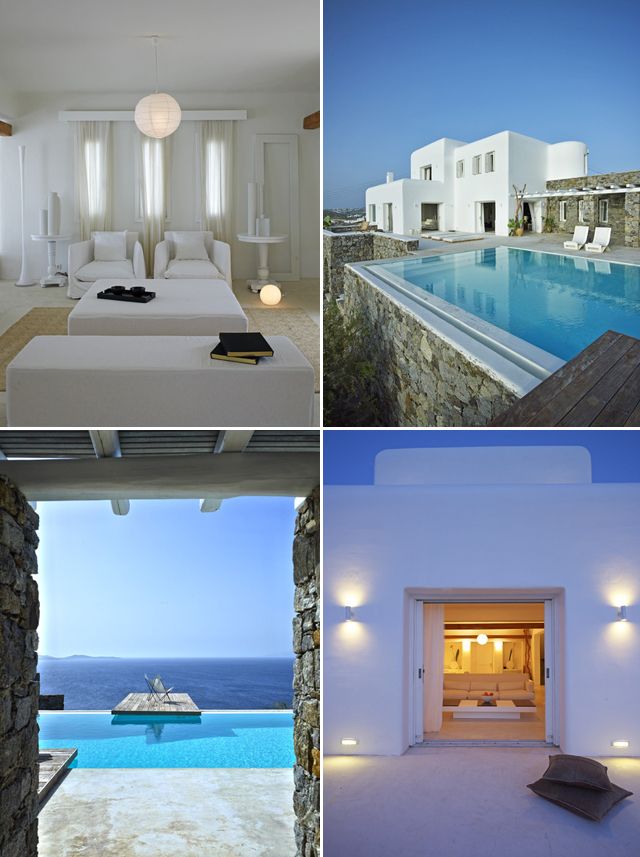
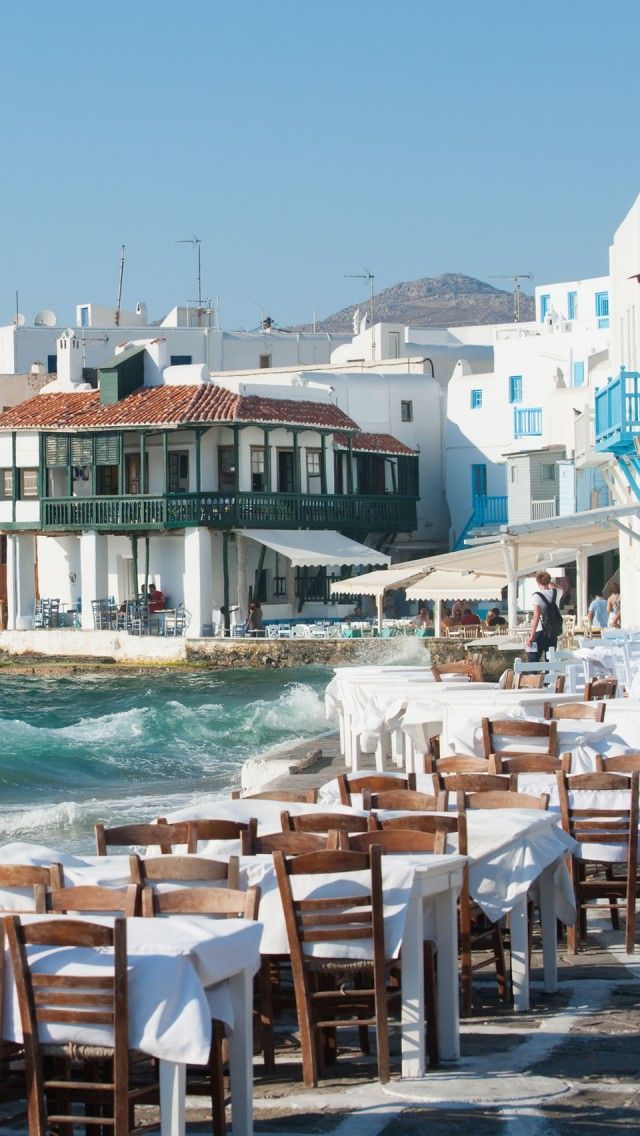
Windmills and Little Venice: the island’s signature silhouettes
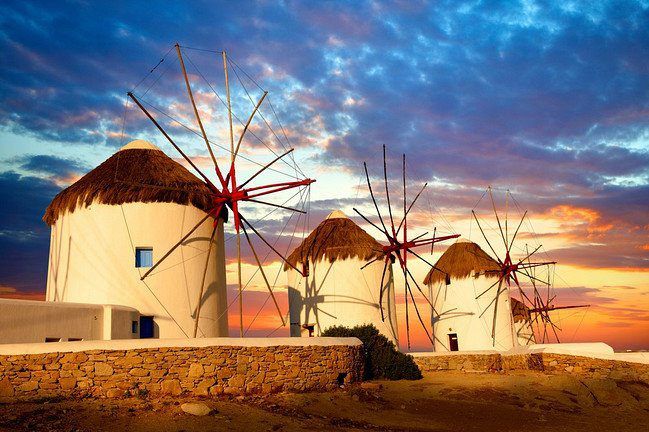
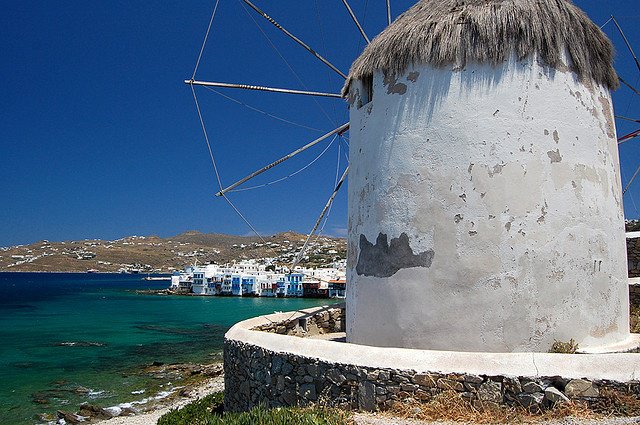
The Mykonos windmills—Kato Mili and their companions along the western edge of town—are the island’s most recognized skyline. Once practical grain mills catching Aegean wind, they now read as sculpture against the sea. Visit for photographs, but also for the wind itself: you feel why the island earned its reputation for the meltemi. Golden hour turns the white cylinders warm; night lights turn them into soft beacons. Pair the windmills with a slow walk rather than a five-minute selfie stop, and the scene becomes atmosphere instead of trophy. Sit on a low wall, watch boats, and let the sound of the air become part of the memory.
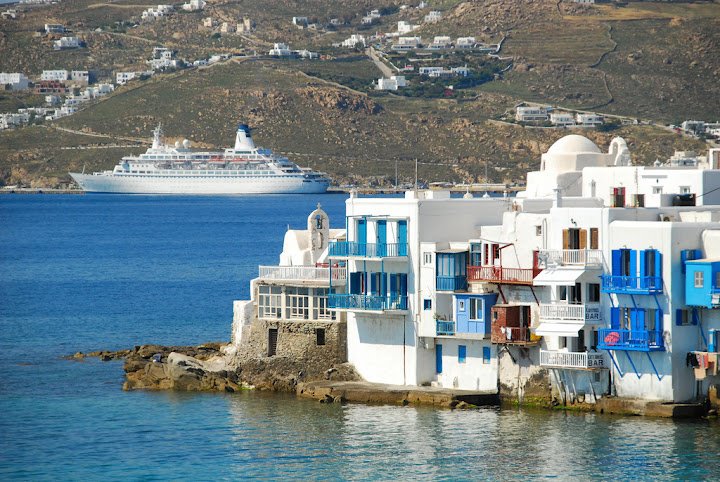
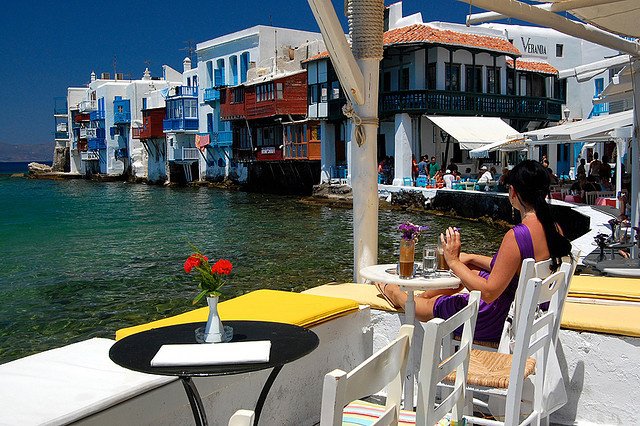
A short stroll away, Little Venice (Alefkandra) lines houses directly against the water. Balconies hang over waves; sunset crowds gather along the edge; bars and restaurants claim the best seats early. The romance is real and the crush can be too. Arrive before the sky pinks up if you want space, or lean into the social theater if people-watching is part of your wish list. Either way, Little Venice explains why Mykonos photographs so well: architecture, horizon, and human movement in one frame. Spray from a bigger wave can reach the seats—that is not a flaw; it is the island announcing itself.
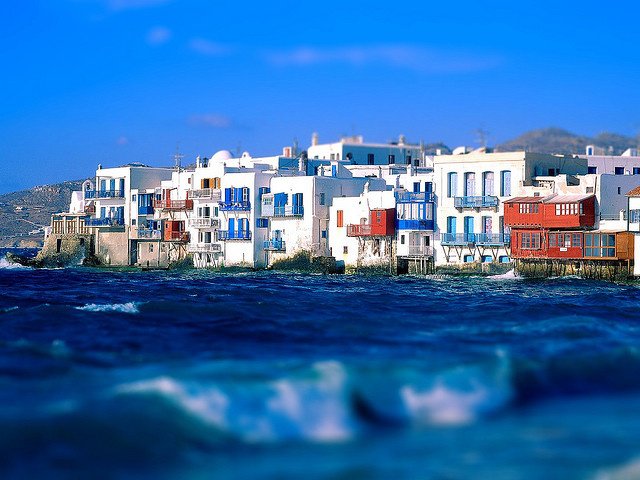
Bays and beaches: choose your Aegean mood
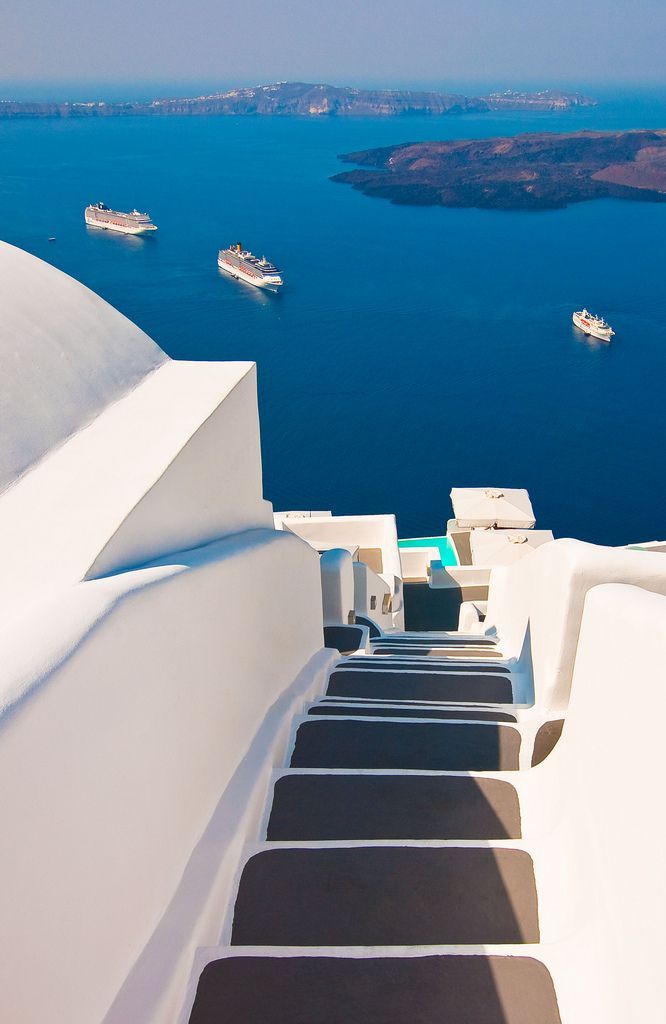
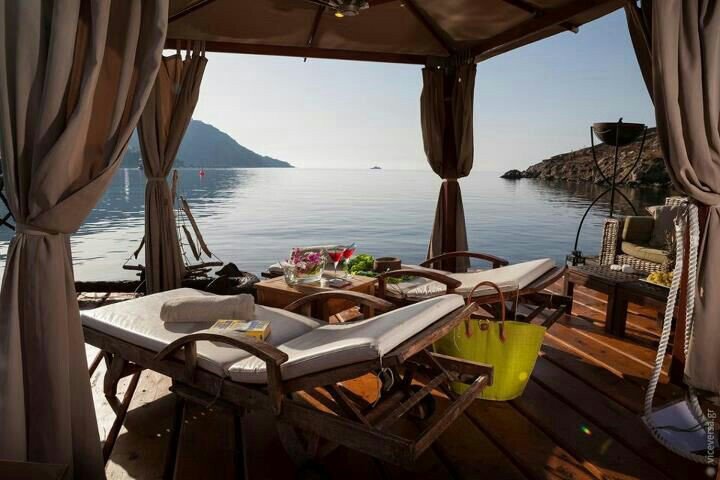
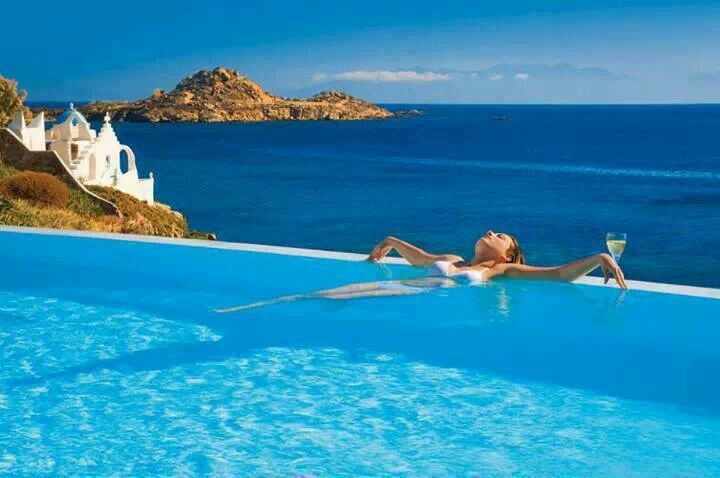
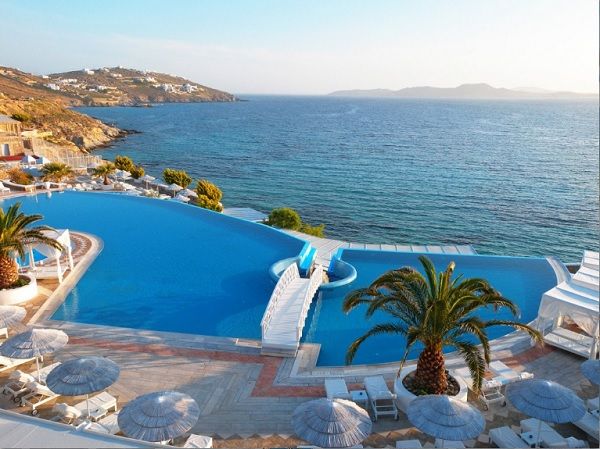
Mykonos is ringed with beaches and coves, each with a different social temperature. Some stretches lean party-forward, with music and daybeds; others stay simpler, with umbrellas, soft sand, and a taverna up the path. The wish-list move is not to “do every beach,” but to match water days to energy. Want quiet swimming and a book? Aim for calmer, less branded coves and go early. Want Aegean theater—boats, fashion, long lunches that become early evenings—choose the livelier sands and accept the price of popularity. A single beach day done well beats three beaches half-seen.
Practical island logic still applies. Summer ferries and flights fill fast; midday sun is intense; water shoes help on rockier entries; and wind can reshape a beach day in an hour. Carry shade, water, and a flexible plan. If the meltemi rises, switch to a more sheltered bay or return to Chora’s lanes instead of forcing a miserable windblown picnic. The Aegean is the main attraction—everything else is staging. When the water is clear and the heat softens, swimming becomes the simplest luxury on the island.
Taste the island: honey, olives, oil, pistachios, feta
Greek island food on Mykonos is both everyday and celebratory. Look for local honey with thyme and floral notes; olives and olive oil that taste green and peppery rather than bland; pistachios from nearby islands when they appear on menus and in sweets; and feta that is creamy or crumbly depending on how it is served—with tomato and oregano, in salads, or baked. Seafood is an obvious coastal pleasure when it is fresh and simply grilled. The best meals often feel unhurried: shade, bread, a shared plate, and the sound of water or street talk nearby. Order less than you think you need, then add; Greek hospitality and portion size can surprise.
Nightlife is part of the island’s modern mythology—bars that spill into lanes, clubs that run late, and a cosmopolitan mix of visitors. You can participate fully or only lightly. Many people find the sweet spot is a late dinner, a drink with a sea view, and an early enough night to reclaim the town before the next day’s heat. Cosmopolitan does not have to mean exhausted. If dance floors are your wish-list item, plan one strong night rather than every night, and keep a beach morning sacred afterward.
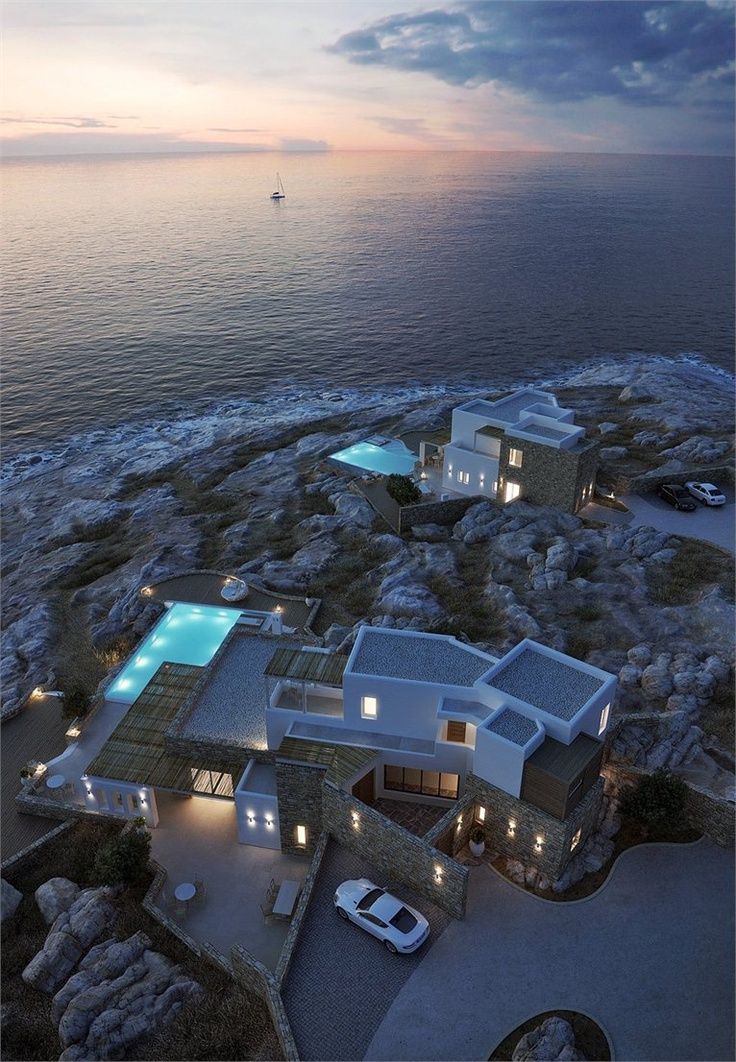
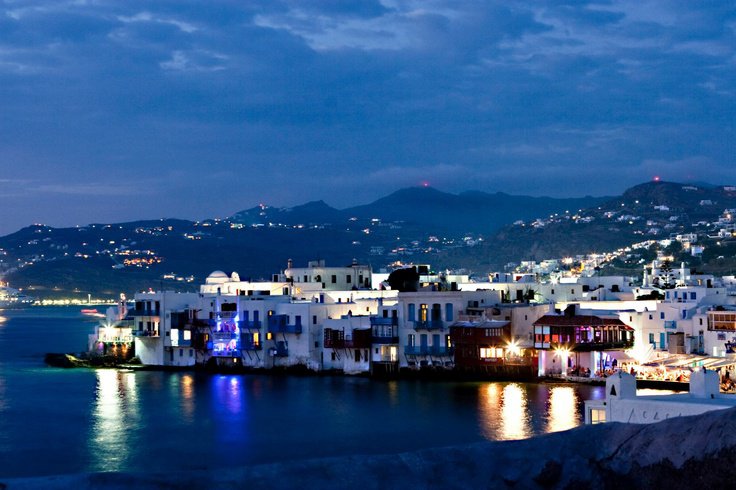
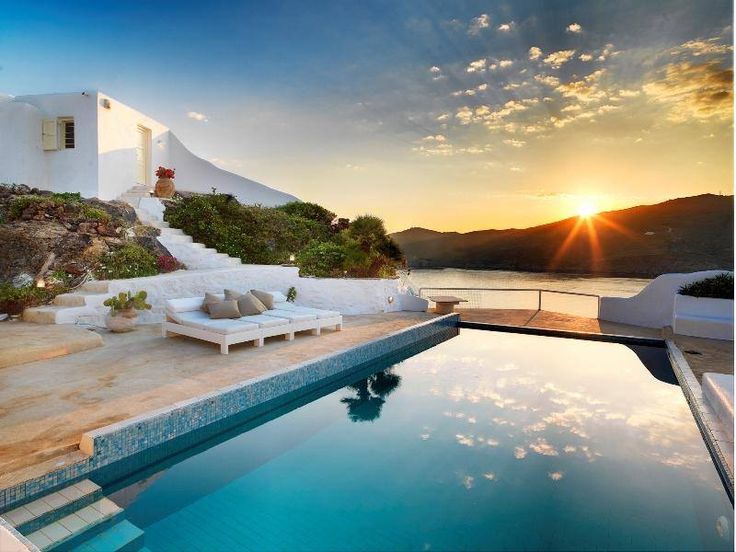
How to hold Mykonos on a wish list
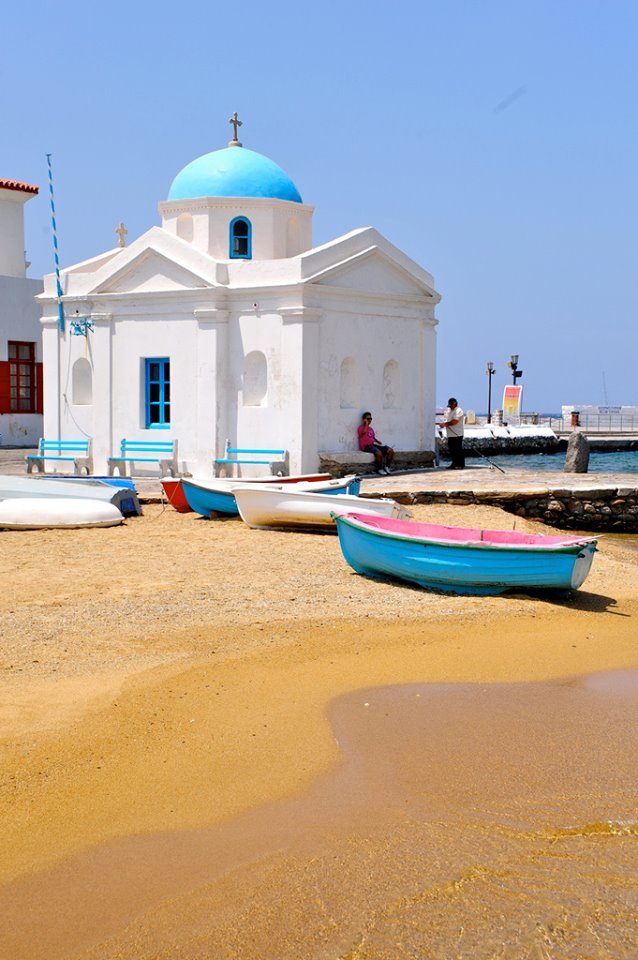
Think of the island as three overlapping experiences: Chora’s walkable white maze; coastal days chosen by mood; and evenings that range from quiet waterfront wine to full nightlife. Layer Delos as a day trip if ancient sites interest you—the neighboring sacred island sharpens Mykonos’s contrast between leisure and history, with ruins open to Aegean wind and almost no shade at midday. Even without that excursion, the island setting is enough. Shoulder months (late spring, early autumn) often give better light, softer crowds, and more room to notice details: a chapel dome against blue, a cat on a step, laundry snapping in the wind, a fisherman sorting nets while tourists photograph walls.
Budget and booking reality deserve a clear sentence. Peak summer prices and availability punish last-minute improvisation; shoulder season rewards flexibility. Decide whether your base is walkable Chora convenience or a quieter stay with beach access and a bus or taxi plan into town. Neither is wrong. Mixing both across a longer stay can be ideal if time allows.
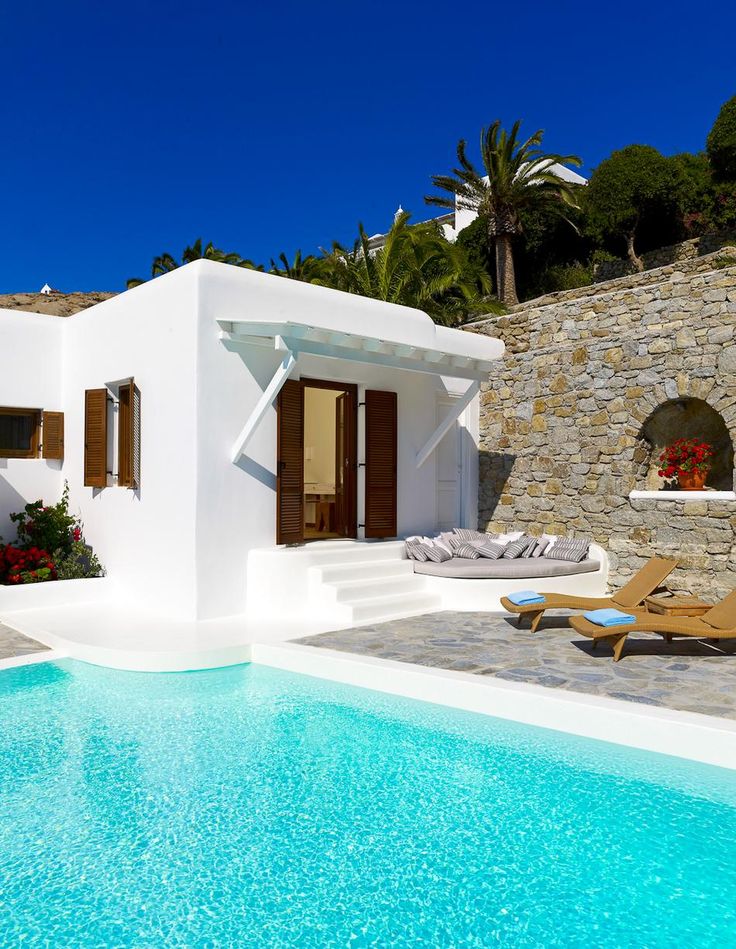
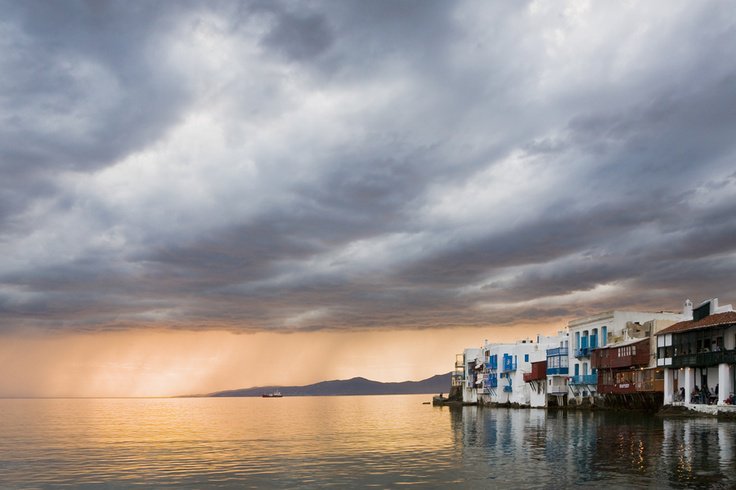
If you only have one golden-hour plan, walk from the windmills toward Little Venice and let the light decide the pace. Stay until the white turns amber and the water takes the last of the day. The Aegean will do the rest.

Comments
Continue reading
Travel Wish List: Paris for Streets, Culture, and Romance
Seine walks, museum days without burnout, and neighborhood rhythms—why Paris stays on the urban-romance wish list.
Travel Wish List: Kraków’s Square, Wawel, and Old-Town Lanes
Rynek Główny, Wawel Hill, Kazimierz, Planty walks, and dusk on the Cloth Hall—Kraków as a walkable history city, not a spa or volcano itinerary.
Travel Wish List: Norway’s Fjords and Far North
From Bergen and Geiranger to Preikestolen, Trolltunga, and Lofoten—a south-to-north wish list built around fjords, cliffs, and northern light.