
Dream-Like Wedding Dresses, Part 2: Fabric, Veils, and Fitting-Room Tests
Beyond silhouette: champagne satin, lace density, veil weight, and seated comfort tests that decide whether a romantic gown still feels dream-like on the real day.
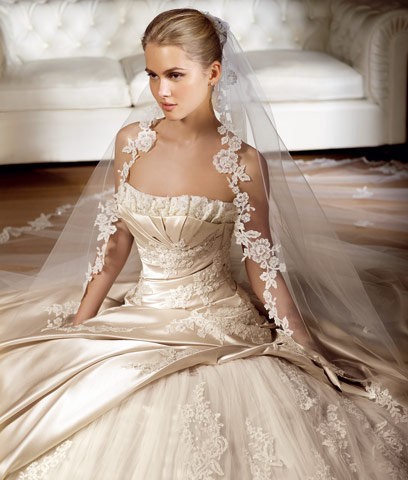
If the first gallery was about silhouette—how a gown fills space—this continuation is about the quieter decisions that make a dress feel dream-like once you are inside it: fabric temperature, lace density, veil weight, how a skirt behaves when you sit, and whether champagne reads warmer than pure white under your actual lights. Think of it as the fitting-room half of the conversation.
You can browse the earlier silhouette gallery here: Dream Like Wedding Dresses. Below, the focus is the details that photographs often hide until the day itself.
Seated romance is a different test
Most bridal appointments happen standing. Most wedding days include long stretches of sitting—ceremony chairs, dinner, portraits on a sofa or floor. A dream-like ballgown in champagne satin with lace appliqué and a lace-edged veil can look ethereal while standing and suddenly feel like a fabric landscape when you sit. That is not a flaw; it is information. Ask to sit in the sample. Watch how the skirt pools, whether the bodice stays smooth, and whether the veil stays flattering when it falls around the shoulders instead of floating behind a walk.
Seated photos also reveal shine. High-sheen satin catches window light and polished wood floors. If you love that glow, keep it. If you want a softer storybook matte, look for mikado, crepe, or tulle-forward constructions instead. Dreaminess is not only volume; it is how light lands on the surface while you are still.
Ivory, cream, and champagne as mood tools
Pure optical white can feel crisp and modern. Cream and champagne push the dress toward candlelight, antique lace, and warm interiors. Against a white sofa or pale wall, champagne can separate the gown from the background so the silhouette does not dissolve. Against brick, dark wood, or evening outdoor light, warmer ivories often look richer than blue-white.
Bring a fabric swatch or phone photo of your venue linens when you shop. A dress that looked perfect under boutique LEDs can shift under string lights or late-afternoon sun. Dream-like does not mean one shade forever; it means the shade that keeps looking intentional in your rooms.
Lace: border, appliqué, or armor
Lace does three different jobs. A lace border on a veil frames the face and photographs as a drawn edge. Scattered appliqués on a bodice or skirt add soft punctuation without covering every inch. All-over lace can feel romantic or heavy depending on scale—fine Chantilly reads airy; dense guipure reads structured and graphic.
When you evaluate lace up close, check three things:
- Edge quality: clean scallops versus cut edges that fray in the mind’s eye.
- Motif scale: tiny florals suit delicate frames and close portraits; large motifs need distance and height.
- Contrast with base fabric: lace over tulle feels lighter than lace over solid satin.
If you already chose a high-volume silhouette from the first gallery, lace is often best as accent rather than total coverage—unless you want the dress to read almost architectural. Dream-like excess works better when one element leads: either the lace story or the cloud of tulle, not both screaming at once.
Veils that finish the dream
A long sheer veil with a wide lace border changes the emotional temperature of a gown immediately. It softens shoulders, lengthens the vertical line, and gives movement even when you are still. Birdcage and shoulder-length veils do the opposite: they concentrate attention on the face and keep the dress’s own shape in charge.
Try the veil you actually plan to wear—not a random sample—before you finalize alterations. Bustles, trains, and veil length must negotiate with each other. A cathedral veil over a cathedral train can be magnificent in a long aisle and chaotic in a small loft. Dream-like layering needs floor plans as much as mood boards.
Comfort criteria that preserve the fantasy
The dresses that look most unreal in photos often ask the most of the body: corsetry, weight, heat trapping tulle, straps that dig, zippers that press. Build a private checklist for the second appointment:
- Can you inhale fully enough to speak vows without adjusting?
- Do underarms and waist stay calm after ten minutes of standing?
- Can you walk a hallway, turn a corner, and climb three stairs without managing the skirt every second?
- Does the dress still look composed after you sit and stand twice?
- Are you choosing this gown because it feels like you amplified—or because it looks expensive on a hanger?
Fantasy that hurts becomes a memory of endurance. The goal is a dress that still feels dream-like at hour ten, not only in the first mirror selfie.
Styling partners: hair, jewelry, shoes
Champagne and lace invite soft metallic jewelry and warm stones more readily than icy platinum minimalism—though either can work if the rest of the palette agrees. A sleek updo keeps lace borders visible; loose waves can tangle with veil lace. Shoes matter more when the skirt is meant to lift in portraits: a soft satin pump continues the dream; a sharp metallic heel can modernize it on purpose.
If your dress is already highly textured, simplify the accessories. If the gown is mostly smooth satin with a lace veil doing the romance, you have more room for a statement earring or hair vine. Dream-like styling fails when every surface competes.
How to use this page with the first gallery
Start with silhouette on the earlier page: ballgown versus A-line, strapless versus high neck, train length, amount of air in the skirt. Then use this page’s questions on the two or three finalists. A dress can win the silhouette contest and lose the seated-satin test. Another can look quieter on a hanger and become the dream once the lace veil drops and the champagne tone meets your venue wood.
Bring one trusted person who will talk about movement and comfort, not only “wow.” Take photos in daylight and in the boutique’s warmer corners. Compare how lace reads at arm’s length versus across the room. Dream-like wedding dresses earn that adjective when the details survive real distance, real sitting, and real light—not only when they look magical in a single cropped image.
Before you say yes, put the veil on, sit down, stand up, and ask one blunt question: do you still want to be in this dress when the music slows and nobody is watching the mirror?

Comments
Continue reading
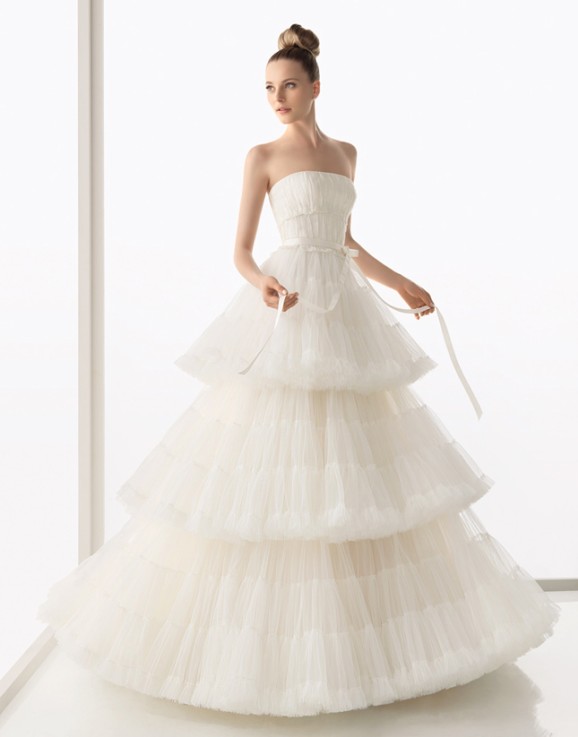
Dream-Like Wedding Dresses: Volume, Lace, and Fairytale Silhouettes
A gallery of romantic bridal gowns - tiered tulle, lace trains, keyhole backs, and crystal sashes - mapped by silhouette, texture, and how dream volume works in real venues.

Funny Animal Signs That Warn People (While Animals Ignore Them)
From a seagull on a no-birds disc to classic zoo and park ironies—why animal warning signs get funny, and what the rules are still for.
How to Find Local Amenities on Vacation: Mechanics, Haircuts & More
Locate trustworthy local services and everyday spots while traveling or settling in—using publications, reviews, map apps, neighbor tips, and low-pressure exploration.