
10 Beyoncé Songs That Mark Pop and R&B Career Peaks
Single Ladies, Halo, Irreplaceable, Love on Top, and more—ten Beyoncé solo highs from the Sasha Fierce era through early-2010s 4-era craft and performance.
Beyoncé did not stumble into pop dominance; she built it like a rehearsal schedule. The solo years after Destiny’s Child turned R&B vocabulary—runs, pocket, stacked harmony—into stadium grammar without losing the sense that someone had counted every beat. Videos arrived as choreography briefs. Singles arrived already knowing how a crowd would answer. That fusion of musician and show architect is the career signature these ten songs capture.
The list matches the early-2010s shortlist people fought over when I Am… Sasha Fierce still named the public split and 4 was feeding new peaks into rotation: breakup utilities, vow anthems, dance commands, and ballads cut for cathedral volume. This is cultural and musical appreciation of those peaks—not a spreadsheet of invented chart figures.
1. Love on Top
“Love on Top” is bright-soul pleasure with a dare inside it. The groove feels sunlit and throwback; the vocal keeps ascending as the song modulates upward, which is why live performances turn into visible proof-of-work. Affection is stated in plain language, then verified with technique. In a catalog famous for emotional warfare and feminist voltage, this track insists joy can be engineered with the same seriousness as heartbreak.
As a career peak it matters because it refuses the false choice between sweetness and skill. Pop craft here is athletic and warm at once—love-man swagger without emptiness.
2. Best Thing I Never Had
The piano leaves air; the chorus opens like an exit. “Best Thing I Never Had” reframes a near-miss partnership as escape, not unfinished mourning. Writing stays lucid; delivery stays large. Harmonies stack toward a catharsis designed for cheap seats and kitchen speakers alike. You can follow the story on first listen and still feel the release on the twentieth.
Next to earlier kiss-off hits, it sounds like adulthood: less theatrical revenge, more grateful departure. That emotional register was part of her early-2010s elevation—power without only relying on the old fight songs.
3. Single Ladies (Put a Ring on It)
Few modern singles braided choreography, fashion silhouette, and hook architecture this tightly. “Single Ladies” is a rhythmic essay: clipped phrasing, chant chorus, zero fat in the arrangement. It taught a culture a dance and a thesis in the same breath. As R&B-pop songwriting, efficiency is the flex—every bar earns floor time.
In career terms it crystallizes the Sasha Fierce era. Persona, performance, and song lock until analysis feels secondary to the fact that the whole planet learned the count. Dominance here is not abstract; it is muscle memory.
4. Countdown
Drawn from 4, “Countdown” plays like witty maximalism—numerical hooks, sample sparkle, a vocal navigating rhythmic puzzles without dropping charm. Love gets celebrated with invention and humor rather than only vow language. The production keeps restarting attention, a pop skill as real as a held high note.
This peak is about curiosity. Beyoncé pushes form while keeping mainstream heat, proving experimental instinct and radio body can share a track.
5. Halo
“Halo” is the cathedral ballad of the set: broad melody, devotion cast in sacred light, sustained tones treated like architecture. It became wedding and showcase repertoire because the feeling is immediate and the structure still rewards repetition. Ballads fail in two directions—ornament overload or emotional thinness. She threads the middle.
For pop and R&B craft, it remains a reference point: how far a contemporary voice can open in mainstream space without losing command of dynamics, breath, and dignity.
6. Irreplaceable
Guitar pulse, a sheen with country-adjacent sparkle, and a breakup script the world memorized—“to the left.” “Irreplaceable” functions as public utility songwriting: clear enough for karaoke, pointed enough to feel private. Verses talk; the chorus instructs. That shift from conversation to communal command is classic Beyoncé dramaturgy.
Career-wise it widened the solo map beyond a single format lane while keeping Black pop storytelling at the center. Soft confidence, hard boundary. The peak is clarity that scales.
7. Run the World (Girls)
Drums like a march, chant energy, title as thesis. “Run the World (Girls)” casts Beyoncé as rally architect—public address welded to elite choreography. The vocal often rides percussion patterns as much as melody; empowerment arrives first as groove, never as pamphlet.
Even if your personal favorites live in ballad territory, a honest peaks list needs this lane. It shows how she bends stadium infrastructure toward political mood without abandoning the body that makes pop persuasive.
8. If I Were a Boy
A thought experiment with chest weight. “If I Were a Boy” borrows a male-perspective frame to expose double standards, then refuses to treat the idea as a novelty. Ballad gravity carries it; patience in the build lets the final stretch hit harder. Live, she has often expanded that back half into a heavier statement, which is why performers and audiences keep returning.
High concept only works in pop when the song still feels. This one does. Storytelling and vocal drama split the credit; neither is decoration.
9. Sweet Dreams
Cold synth gleam, nightlife temperature, a hook that lodges before you decide whether you trust it. “Sweet Dreams” catches the electronic edge of the Sasha Fierce period—desire and danger sharing a booth. Her vocal plays cool against the frost of the production rather than melting it.
Range is the career argument here. Set beside “Halo” and “Love on Top,” the same artist owns reverent ballad, ascending love-man joy, and icy dance-pop. Peaks are not only soft anthems; sometimes the peak is proving you can change a room’s climate with one chorus.
10. End of Time
“End of Time” closes with brass-bright urgency and a vow paced for motion. From 4, it mixes throwback soul punch with modern pop drive. The vocal attacks rhythm; the chorus reaches for communal lift. Onstage it often becomes a precision machine—band hits and dancer lines orbiting her count.
Ending on this track fits the early-2010s frame of the list. Not a claim that her story stopped—only a clean snapshot of pop, R&B, and performance discipline charging the same direction. Love promised at full throttle. Craft audible in the breath before the first step lands.

Comments
Continue reading
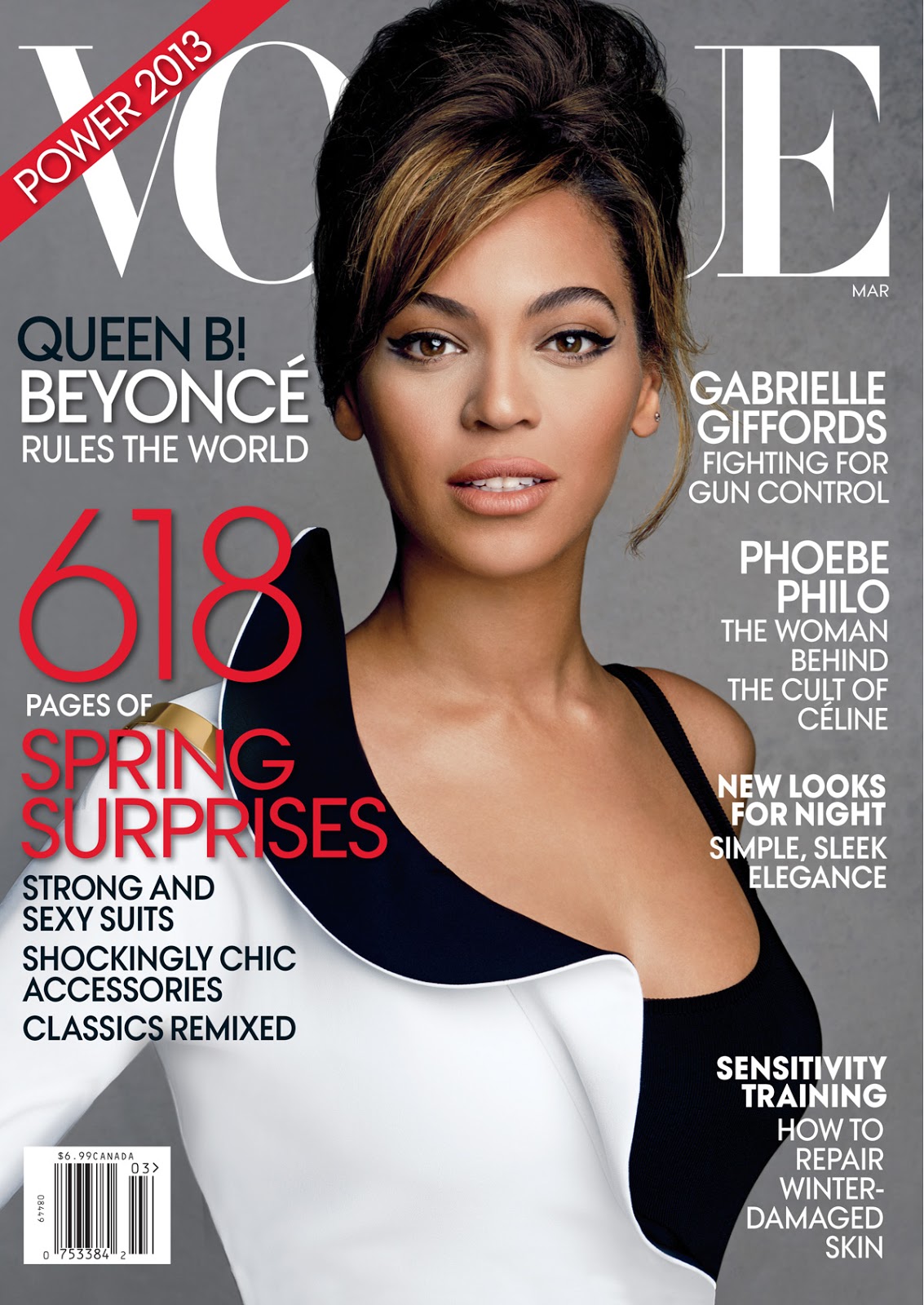
Beyoncé for Vogue US, March 2013 Power Issue
Beyoncé on the March 2013 Vogue US Power Issue—Patrick Demarchelier’s period editorial of fashion, control, and cover-star glamour.
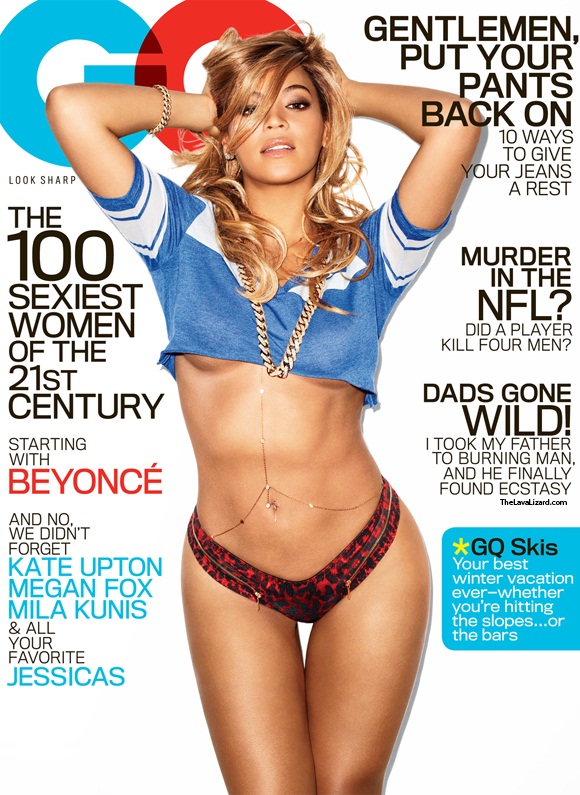
Beyoncé for GQ, February 2013
Period context for Beyoncé’s GQ February 2013 cover feature—work ethic, album collaborators, influences, and Super Bowl prep, with the editorial images.

Funny Animal Signs That Warn People (While Animals Ignore Them)
From a seagull on a no-birds disc to classic zoo and park ironies—why animal warning signs get funny, and what the rules are still for.