
Technology-Free Weekend: Why Unplugging Still Matters
Part 1 of the series: why a technology-free weekend restores attention, sleep, and outdoor presence—and what “unplugged” should actually mean.
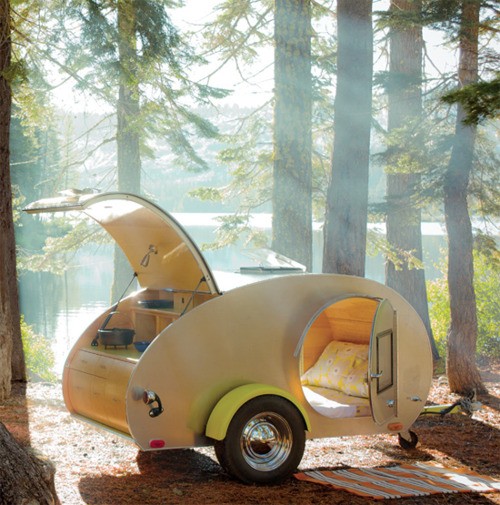
A technology-free weekend is not a moral purity test. It is a short, deliberate interruption of the default: the reflex to check, refresh, and fill every quiet gap with a screen. This first part of the series makes the case for why that interruption is worth trying—especially outdoors—before the later parts turn to how you spend the hours and how households recover afterward.
Open a weekend without devices and you are not rejecting tools. You are reclaiming the background conditions those tools usually occupy: unbroken attention, slower conversation, and sensory input that is not designed by a notification team. Nature is the easiest amplifier of that reclaiming. Trails, water, wind, and long horizons do not compete for your thumbs. They ask your nervous system to widen again.
What “technology-free” actually means
Define the boundary before Friday night, or the weekend will argue with you. For most people, a workable definition is: no social feeds, no streaming queues, no work email, no recreational browsing. Exceptions should be named out loud—one charged phone in a drawer for true emergencies, a paper map instead of turn-by-turn nagging, a camera if photography is the point of the walk rather than a content pipeline.
Ambiguity is where relapse hides. “I’ll just check the weather” becomes a twenty-minute scroll. Write the rules on a card. Tell one friend you are offline so nobody panics at silence. If your job truly cannot spare forty-eight hours, shrink the experiment to a single Saturday and protect it fiercely rather than pretending a porous Sunday counts.
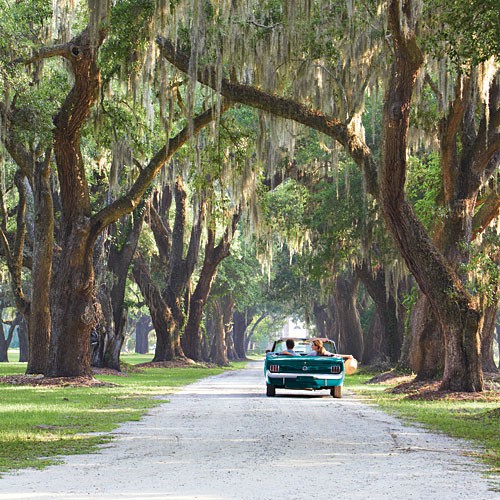
Why attention needs a weekend off
Modern devices are engineered for intermittent rewards. Each buzz offers a tiny resolution: a message, a like, a headline. Over a workweek those micro-resolutions train the brain to prefer quick closure over sustained focus. By Friday, many people feel simultaneously overstimulated and under-rested—tired of input, yet restless without it.
A technology-free weekend interrupts that loop long enough for boredom to return. Boredom is useful. It is the door through which reading, walking, cooking without a podcast, and unhurried talk re-enter. You may feel twitchy for the first few hours. That twitch is withdrawal from a habit, not proof that the habit was necessary.
Sleep often improves when screens leave the bedroom and the hour before bed. Light, alertness cues, and late cognitive arousal all shift. You do not need a lab coat to notice that mornings feel different when the night was not spent in blue glow. Treat better sleep as a primary benefit, not a side effect.

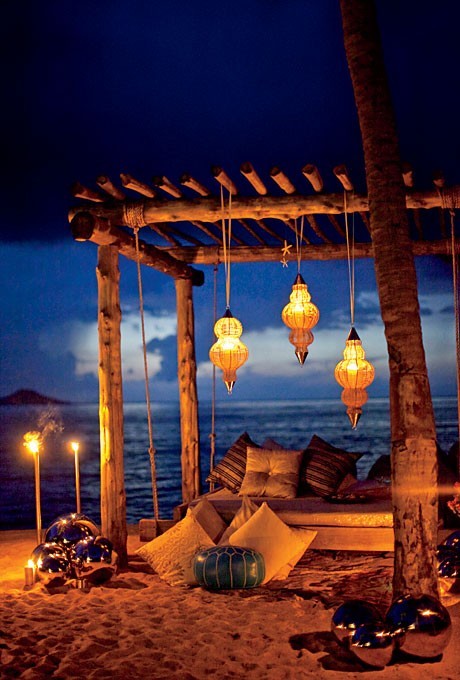
Nature as the counterweight
Indoor detoxes are possible—board games, paper books, cooking—but outdoor time multiplies the effect. Green space, moving water, and long sightlines reduce the sense that something urgent is happening just off-screen. Your body gets different feedback: temperature, uneven ground, weather. That feedback is harder for an app to imitate.
You do not need a wilderness permit. A city park, a shoreline path, a botanical garden, or a slow neighborhood loop can carry the same weekend thesis: place your attention where the world is not optimized for engagement metrics. If you can leave town, even better—distance from Wi-Fi removes a category of temptation that willpower alone often loses.
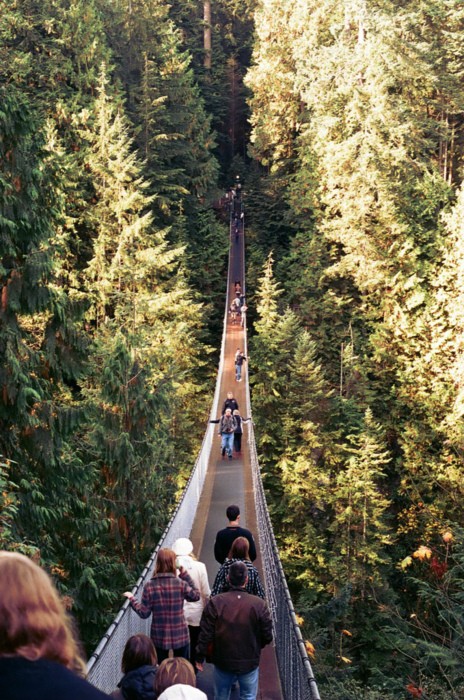

Signs you especially need the break
Consider a technology-free weekend if you catch yourself unlocking a phone with no destination in mind; if meals happen with a second screen open; if weekends feel like unread tabs; if children or partners compete with devices for your face; if Sunday night dread arrives earlier because Monday’s inbox already leaked into Saturday. None of these require a diagnosis. They are design outcomes meeting human limits.
Also consider it if your creative work has gone flat. Many makers discover that ideas return when inputs thin. A weekend offline will not finish a novel, but it can restore the idle mental space novels need. The same is true for problem-solving at work: solutions often arrive on walks, not in another tab of research you already half-read.
None of this requires becoming anti-technology as an identity. It requires remembering that tools should serve a weekend, not colonize it. If your Saturday only feels real when documented, the weekend has already been captured by an audience that is not in the room.

The cost of always being reachable
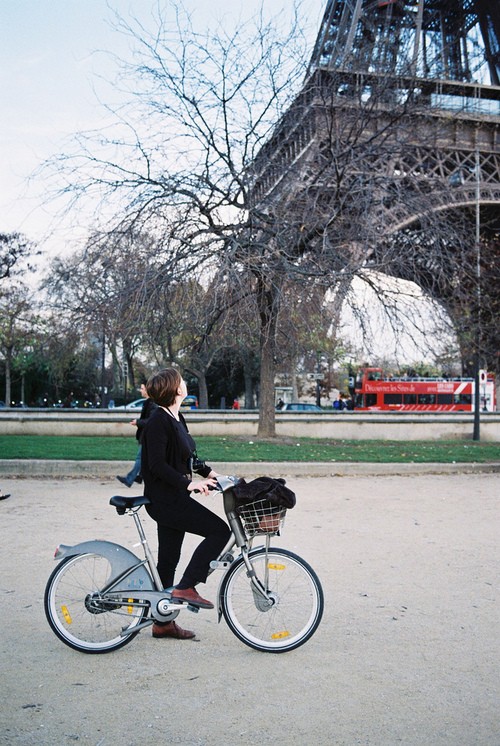
Constant reachability blurs rest into standby. Friends assume instant replies. Work leaks into Saturday through “quick” checks. News cycles refresh whether or not you asked. Over months, the weekend stops being a different kind of time and becomes a lighter version of the week—same inputs, softer deadlines. A technology-free weekend restores a boundary that culture no longer supplies by default.
There is also a social cost to always half-listening. Conversations thin when one person keeps glancing at a glowing rectangle. Meals lose their shared tempo. Walking becomes a route between notifications rather than a way of being outside. Unplugging for a weekend will not repair every relationship, but it makes the damage pattern obvious enough to name.
What this series will not claim
A single weekend will not cure compulsive checking forever. It will not replace therapy, fair workloads, or humane workplace norms. It will not make you superior to people who stay online. Treat it as a laboratory: forty-eight hours to notice what your mind does when the feed is gone. Part 2 covers how to fill those hours without defaulting back to screens. Part 3 turns to family logistics and what to keep after Monday returns.
For now, the invitation is simpler. Choose a weekend with few external obligations. Tell the people who need to know. Put the devices somewhere boring. Step outside if you can. Let the first hours feel awkward. Awkward is the sound of a habit losing its grip.


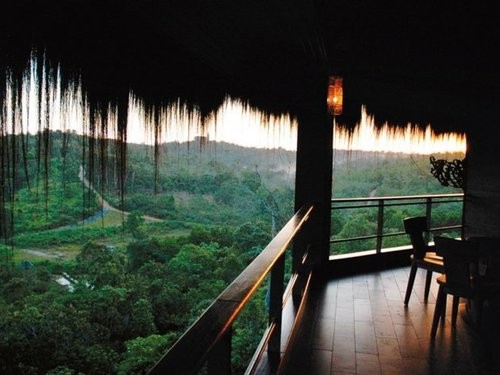
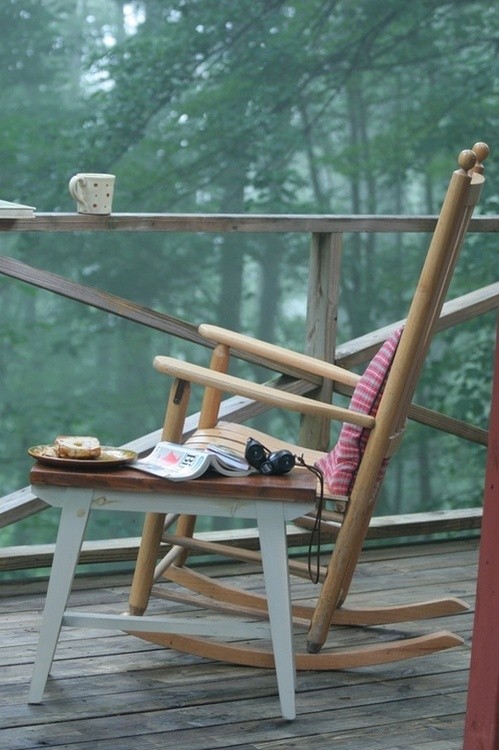
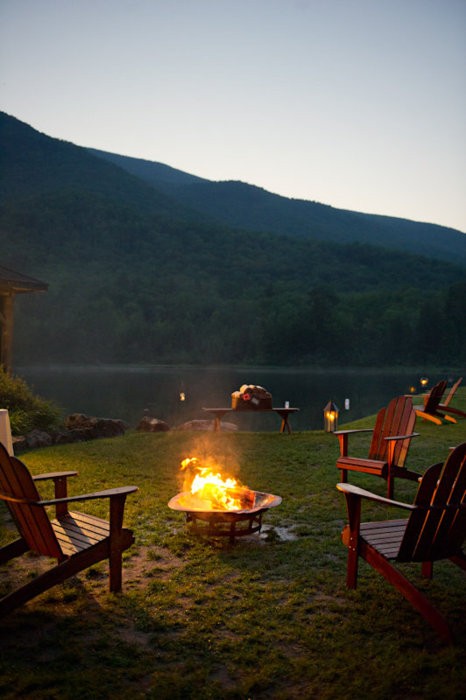
If the why feels clear, stop reading about detox and schedule one. The pictures on this page are not a destination list; they are a reminder of the kind of weekend attention that screens usually postpone. Part 2 is waiting when you want the hour-by-hour playbook.

Comments
Continue reading

Technology-Free Weekend Part 2: A Solo Playbook
Part 2: hour-by-hour structure, activity bank, and solo friction fixes for a technology-free weekend that does not collapse into idle scrolling.

Technology-Free Weekend Part 3: Family, Household, Aftermath
Part 3: how households run a screen-free weekend fairly—prep, age bands, resistance, Monday keepers—and what to preserve after devices return.

7 Sweet Free Ways to Spend a Long Weekend
Hollywood hikes, free concerts, Smithsonian days, Independence Hall, the 9/11 Memorial, cable car history, and free art museums—weekend plans that skip the big ticket.