
Sophia Loren: Italian Cinema Elegance
Sophia Loren’s Mediterranean elegance—from Naples roots and De Sica’s Two Women to Mastroianni comedies—and how to browse her portraits as Italian screen style.
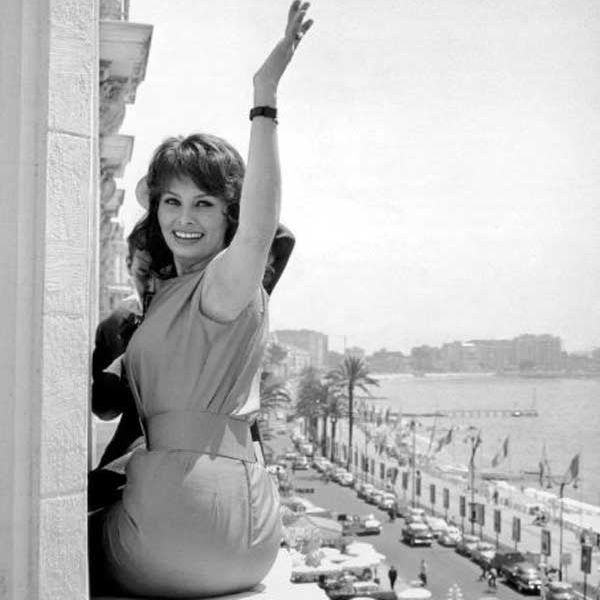
Sophia Loren’s beauty does not float above place. It carries Naples, postwar Italy, and a cinema culture that could move from neorealist grit to international comedy without losing its accent. Where some Hollywood icons read as studio inventions and others as Pop Art afterlives, Loren reads as Italian elegance under pressure—earthy, witty, and strong enough to win an Oscar for a performance spoken in another language. This gallery is a place to study that elegance in still form: faces, gestures, wardrobe, and the Mediterranean temperature that keeps returning.
Naples roots, international face
Born Sofia Villani Scicolone in 1934 and raised near Naples through wartime scarcity, Loren entered beauty contests and small roles before Italian cinema claimed her fully. The face that emerged could look classical and contemporary in one frame: dark eyes, a sculptural profile, a mouth ready for laughter or argument. She did not need Anglo-blonde neutrality to travel. Mediterranean features were the export, and that fact alone puts her on a different path from platinum Hollywood myths.
By the late 1950s and early 1960s she was a bridge figure—Italian star, international name, magazine cover and national character at once. The elegance stayed warm. Loren’s public persona mixed glamour with appetite; the spaghetti quip was branding, but it also refused thin, chilly perfection. Beauty, here, could include humor, hunger, and a body that looked lived-in rather than abstracted into a logo for endless reprinting.
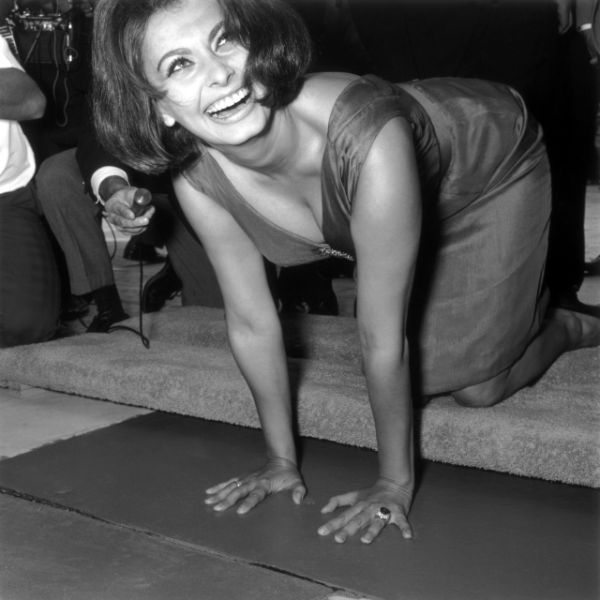
Photographers understood that warmth. They framed her with contrast and gesture instead of frosty symmetry. A turned shoulder, a broken laugh, a hand at the hip keep stills from becoming mannequin studies. Even formal portraits feel as if a conversation could start after the shutter. That conversational quality is one of the clearest differences between Loren’s archive and colder studio goddess traditions.
De Sica, Two Women, and beauty with weight
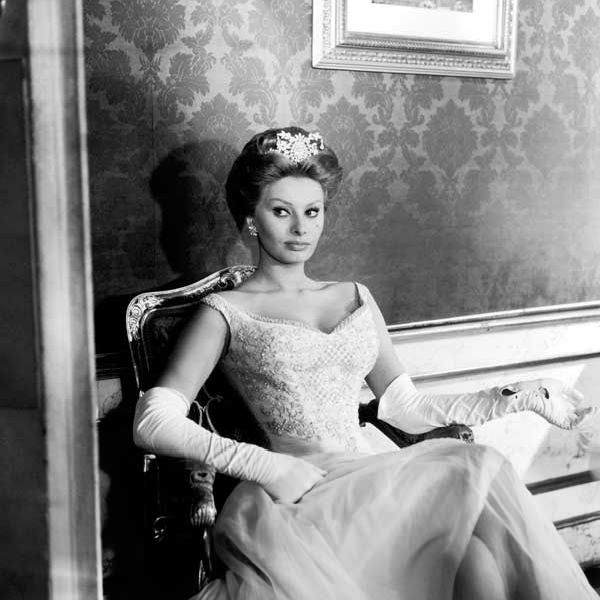
Loren’s image grew inside films that asked more than posing. With Vittorio De Sica on Two Women (La ciociara, 1960), she played Cesira, a mother protecting her daughter amid wartime horror. The Academy Award for Best Actress—historic for an Italian-language performance—tethered her glamour to endurance. Audiences watched a star look exhausted, terrified, and maternal without losing magnetism. The camera did not apologize for her beauty; it asked beauty to carry moral weight.
That Oscar should change how you browse a beauty gallery. Many collections freeze actresses as decorative surfaces. Loren’s career refuses the freeze. The cheekbones that sell a cover also carried Italy’s wartime wounds on screen. When a still shows a set jaw or steady eyes, you are seeing continuity with Cesira, not a separate marketing product invented later by publicists.
Comedies with Marcello Mastroianni—Yesterday, Today and Tomorrow (1963), Marriage Italian Style (1964)—opened another register: sensual timing, comic intelligence, flirtation as sport between equals who understand timing. Hollywood vehicles and European epics widened the map, yet the Italian core held. Style remained an attitude learned on Italian sets, not only a costume-department trick imported for export posters.
A visual grammar distinct from Hollywood and Pop
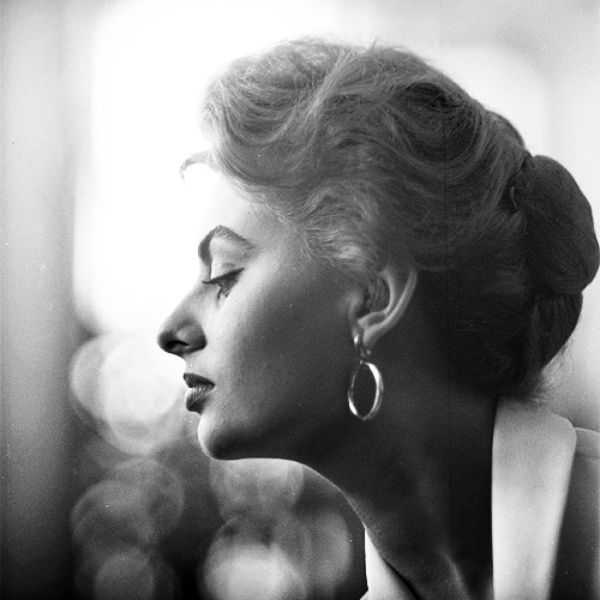
Golden Age American glamour often powdered skin into continuous tone and lifted stars above the room with theatrical key lights. Later American iconography sometimes flattened a face into a stencil for endless reprinting across art and advertising. Loren’s photographs usually sit between those poles. Black-and-white frames emphasize bone and eye line; warmer frames lean into skin and fabric color. The overall temperature stays human, even when the clothes are spectacular.
Italian postwar cinema taught audiences to accept beauty beside rubble and moral mess. Loren inherits that permission. She can be spectacular without pretending the world is clean. Even gala-ready pictures keep a neighborly charge—diva and local woman sharing one expression. If you cover the gown and look only at the eyes, you still get personality rather than pure surface.
Also watch the gaze. Many mid-century publicity shots treat the viewer as invisible consumer. Loren frequently looks as if she knows she is being watched and has opinions about it. That self-possession is elegance as authorship of the exchange, not hardness for its own sake. It is one reason her stills still feel modern in a feed full of vacant beauty templates.
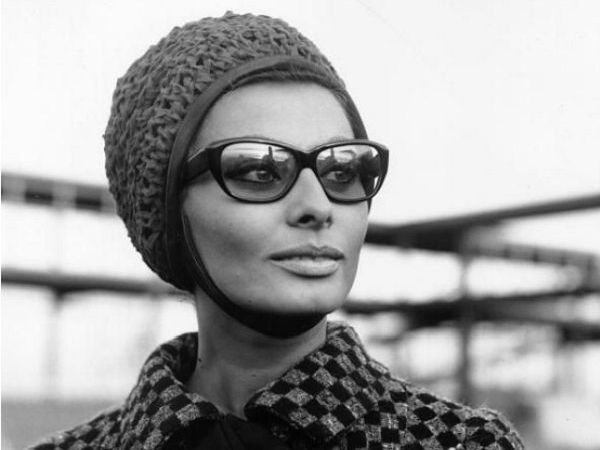

La bella figura as stamina
La bella figura—presenting oneself with grace—can be misheard as vanity. Loren’s version includes competence: fighting for serious roles when lighter ones would have been easier, working across languages, sustaining decades of public appearance after many contemporaries left the stage. Elegance becomes stamina made visible. The photographs are evidence of that long negotiation with the camera, not a single lucky year of youth.
Browse with that in mind. Ask what kind of strength each camera records. Playful confidence, composed distance, maternal softness that refuses to shrink—the range matters. A single “sexy Italian” stereotype cannot hold this set. Group the pictures by mood and you will see a career’s flexibility rather than one repeated sales pose recycled under different hats.
It also helps to notice what is absent. These frames are not about platinum-blonde American mythology, nor about 1940s Columbia musical choreography, nor about later pop-star reinvention cycles. They are about an Italian actress whose face became a global standard without erasing origin. Keeping that distinction sharp is how a “timeless beauty” series stays useful instead of becoming a blur of famous women.
A practical way through the images
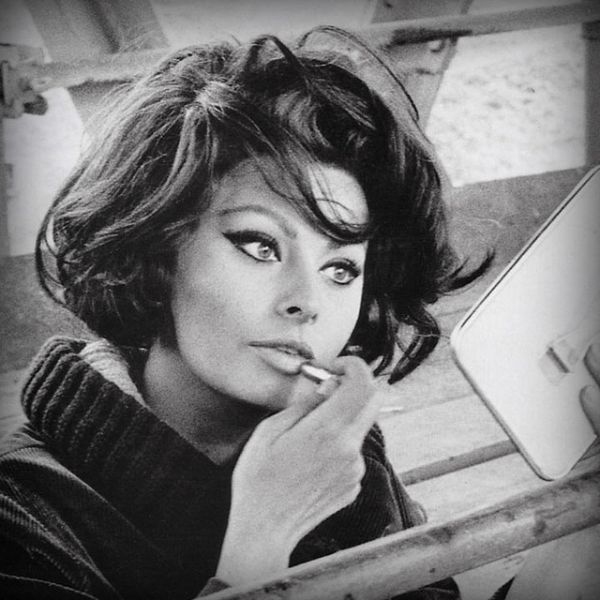
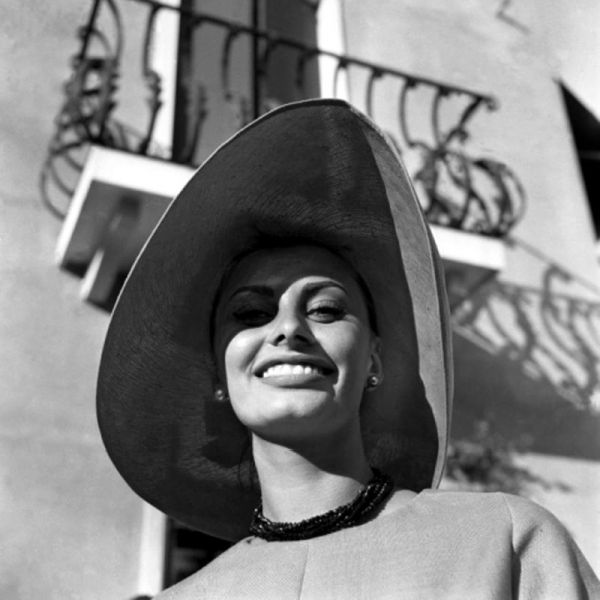
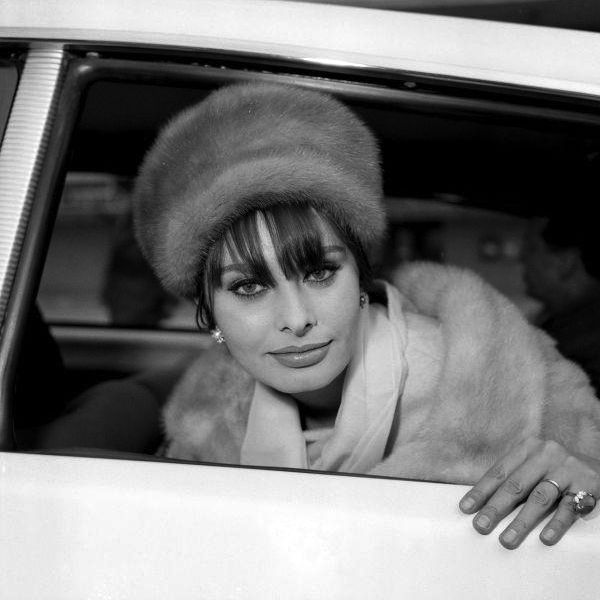
Move slowly and sort as you go. The set rewards grouping more than racing to the end:
- Profile studies — nose, brow, jaw; Mediterranean silhouette as architecture.
- Gaze studies — direct confrontation versus over-the-shoulder invitation.
- Gesture studies — hands and shoulders that imply comedy or drama off-frame.
- Wardrobe studies — fabric and jewelry supporting expression instead of replacing it.
- Temperature studies — playful, solemn, or red-carpet ready.
If a frame feels like a De Sica close-up, linger. If another feels like a festival staircase, name that too. The collection’s job is not to crown one “best” Loren; it is to show how Italian screen elegance shifts register while staying recognizable. After a dozen pictures you should be able to describe her look in your own words—eyes, mouth, posture—without borrowing generic “classic beauty” adjectives.
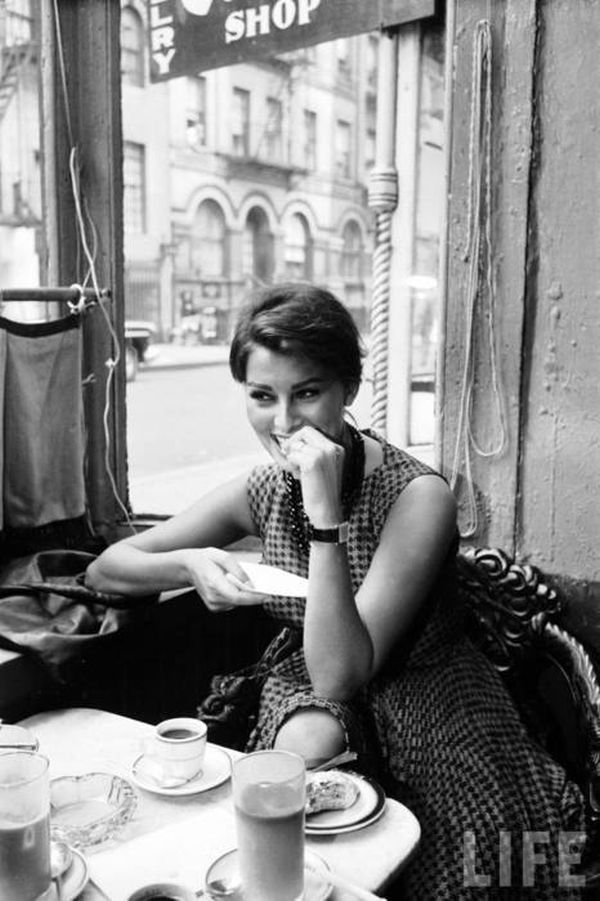
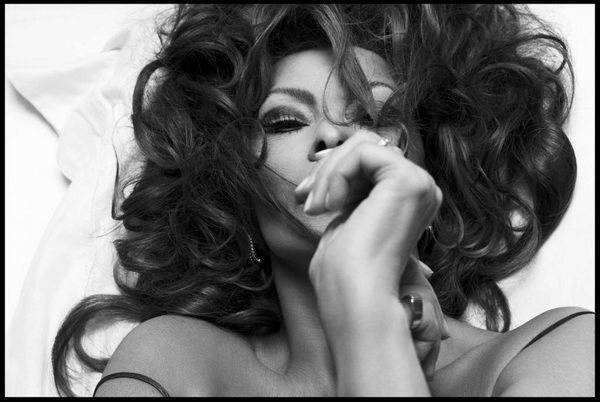
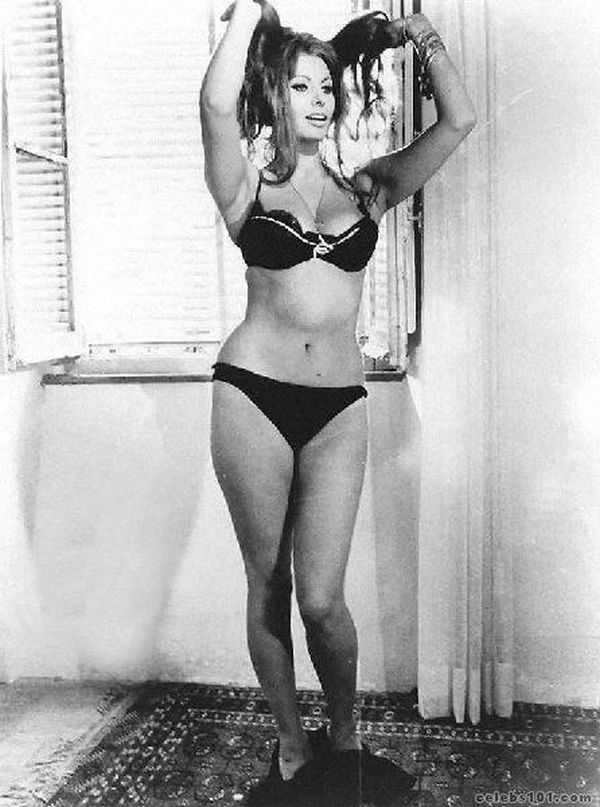
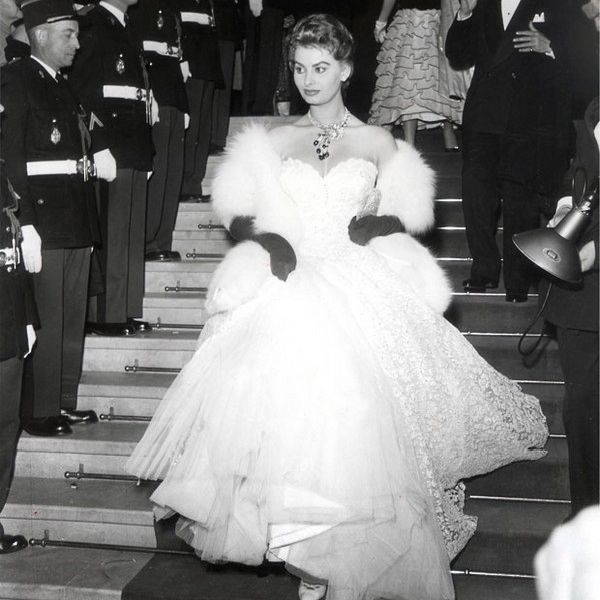
Whenever glamour starts to float free of meaning, return to Cesira in Two Women. The same face that can sell a fragrance also carried a wartime story that demanded gravity. Decorative and devastating in one career—that double capacity is the heart of Loren’s elegance. Leave the last frame with that film in mind: not a postcard goddess, but an actress whose beauty Italian cinema trained to hold when the light turned harsh and the scene asked for more than a pretty profile.

Comments
Continue reading
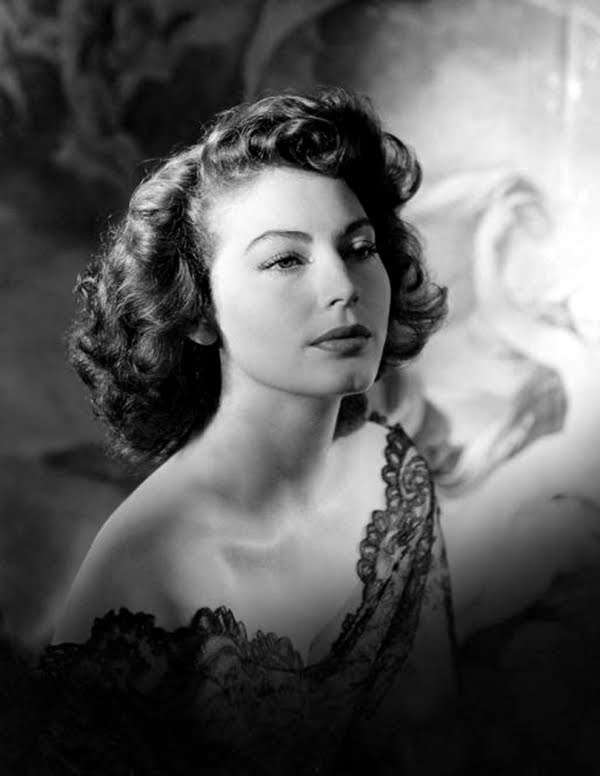
Timeless Beauty: Ava Gardner’s Classic Hollywood Glamour
Ava Gardner in respectful glamour framing—studio light, screen presence, and mid-century allure—distinct from Hepburn’s elegance-icon archive.

Rita Hayworth: Golden Age Glamour in Still Light
Rita Hayworth through Hollywood’s Golden Age craft—dance partnerships, wartime pin-up fame, Gilda’s noir elegance, and how to read studio portrait lighting.

Funny Animal Signs That Warn People (While Animals Ignore Them)
From a seagull on a no-birds disc to classic zoo and park ironies—why animal warning signs get funny, and what the rules are still for.