
Food Photography by Brandon Matzek
San Diego cook and photographer Brandon Matzek shoots Kitchen Konfidence from the cutting board out—dough, cheese, and produce as appetite before the plate.
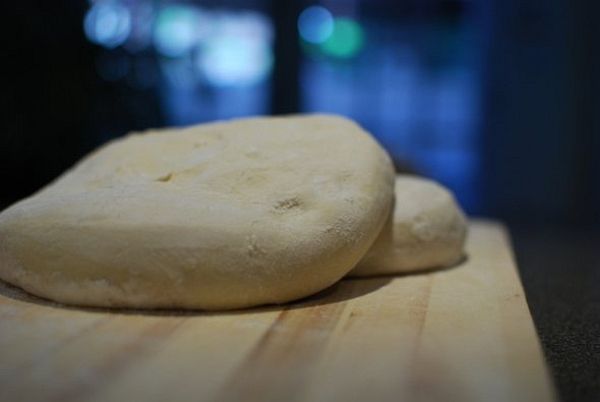
Brandon Matzek photographs food the way a careful cook tastes—slowly, for texture first. Based in San Diego and known through his Kitchen Konfidence work, he treats recipes and images as a single practice: shop, cook, style, shoot, and write without handing the camera to someone else. The pictures gathered on this page come from that early period when a DSLR and a blog could still feel like a private studio. What they show is not restaurant theater. They show ingredients in the hour before they become dinner.
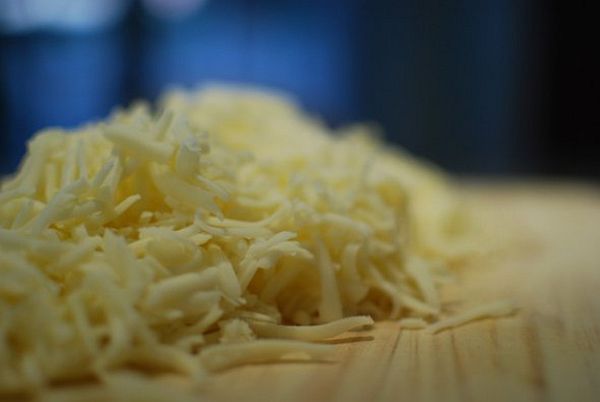
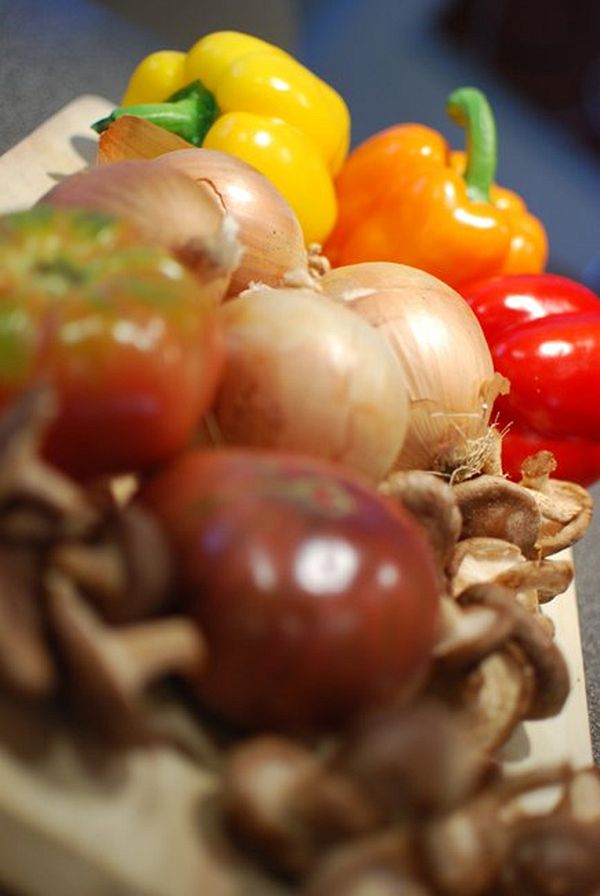
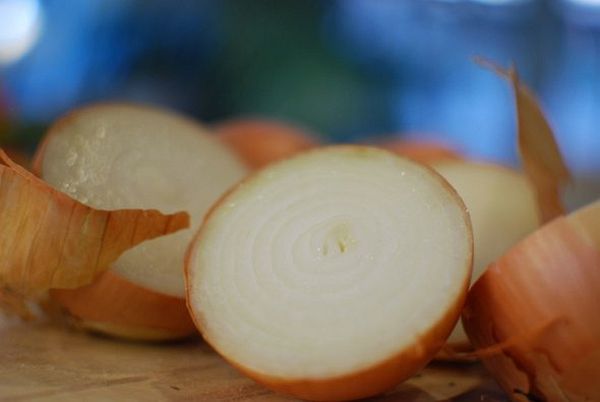
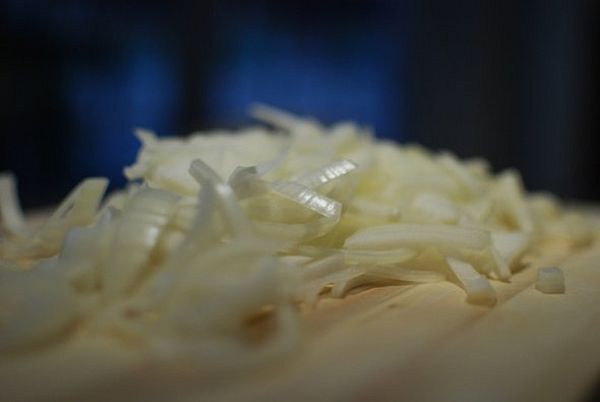
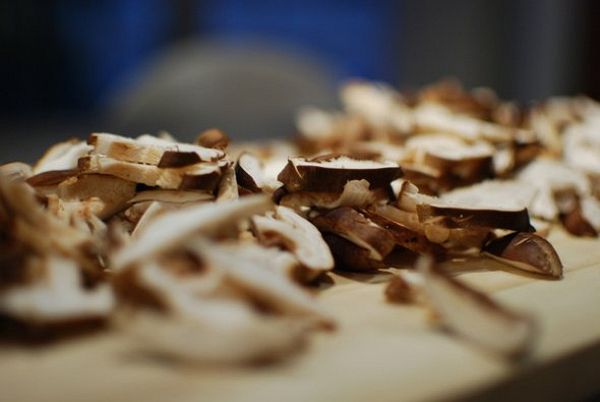
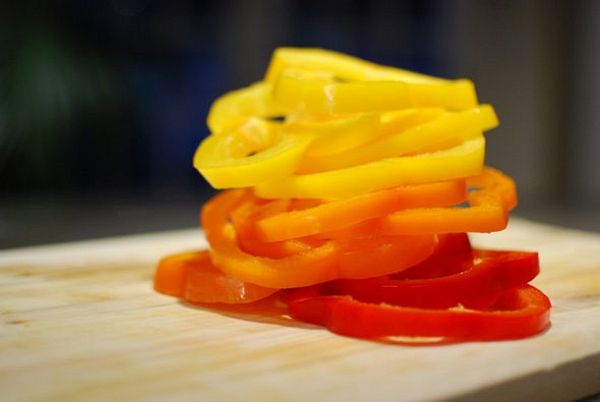
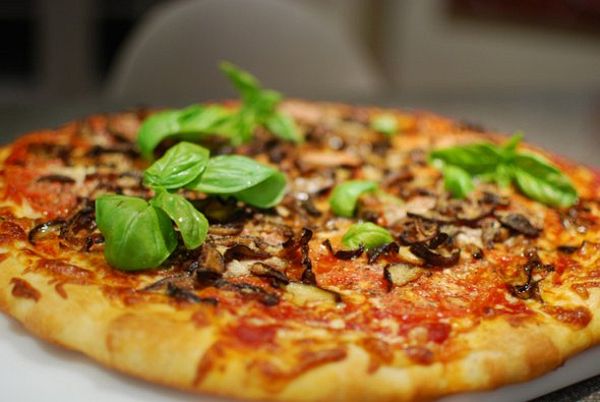
Flour-dusted dough, a mound of freshly grated cheese, onions with papery skins still on, peppers bright enough to read as heat—these are process pictures. They argue that appetite begins before plating, in the small decisions of prep. Matzek’s craft is to make those decisions look as intentional as a finished dish.
From New Jersey kitchens to California light
Matzek’s own account of his cooking life starts with family comfort food—Italian and Eastern European dishes that taught him confidence in a familiar repertoire. Moving from New Jersey to California in 2004 widened the pantry. San Diego offered seasonal produce, a restless restaurant culture, multicultural neighborhoods, and Mexico close enough to influence weeknight cooking. Kitchen Konfidence, launched in 2010 after he bought his first DSLR, became the place where those two loves—cooking and photography—stopped competing for time and started sharing a workflow.
That origin story matters for reading the images. They are not distant luxury still lifes. They come from a home cook’s ambition: to leave the comfort zone without losing the comfort. Photography, in that project, is both documentation and teaching. If a reader can see the flour bloom on dough, they can believe they might make the bread. If cheese looks freshly grated rather than bagged, the recipe’s texture becomes believable before the oven timer starts.
Shallow focus as appetite
Look closely at how focus behaves. Matzek often works with a wide aperture and a low angle, so the nearest ridge of dough or the front strands of cheese stay sharp while the rest softens into color. The technique is familiar in contemporary food media, but here it feels purposeful rather than fashionable. Shallow depth of field isolates the tactile: powder, shred, skin, gloss. It also mimics the way attention works at a cutting board—you stare at the thing under your hands, and the kitchen falls away.
Lighting stays naturalistic and directional, usually from one side, with backgrounds allowed to go cool and dark. That contrast makes pale dough and yellow cheese read as luminous. It also keeps the pictures from looking like catalog shots under even retail light. Mood is part of the recipe. A dim blue backdrop behind warm wood suggests evening cooking, not a studio seamless.
Styling without disguise
Food styling can easily tip into fiction—glycerin dew, tweezers, and plates that never meet a fork. Matzek’s stronger images resist that theater. Vegetables keep their irregularities. Onion skins flake. Peppers shine because they are fresh, not because they have been polished into plastic. The arrangement on the board is composed, yes, but composition here means editing clutter, not inventing a fantasy market stall.
That honesty fits his teaching impulse. Through Kitchen Konfidence he has aimed to help home cooks cook outside their habits—seasonal menus, confident technique, the kind of practical bravery friends associate with cooking Thanksgiving under his watch. Photography that looks achievable supports that ethos. If every dish looks like a commercial set, the reader’s kitchen feels inadequate. If the photograph still smells like prep, the reader can enter.
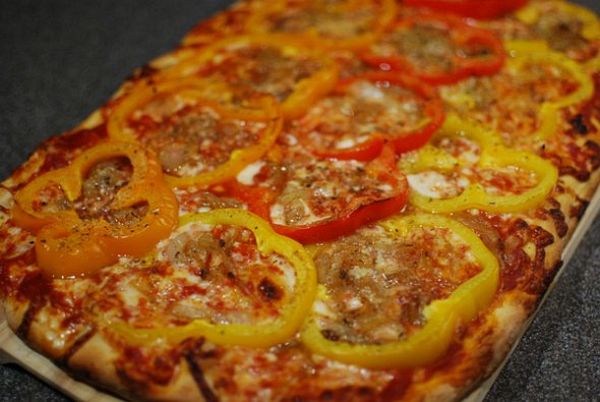
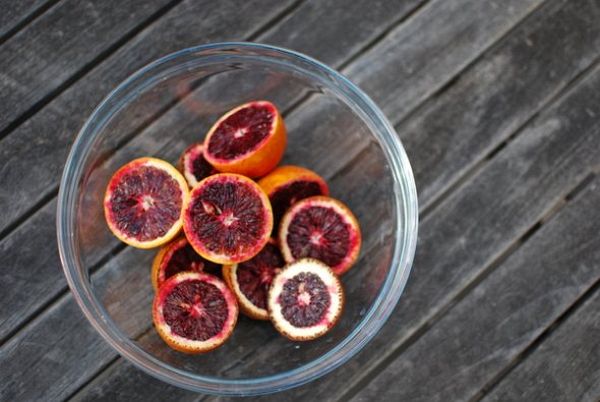
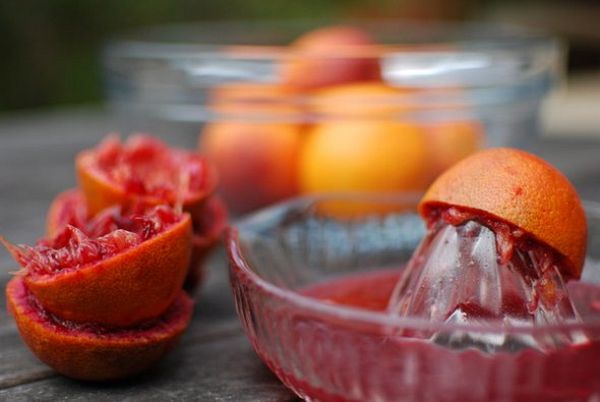
San Diego as an invisible ingredient
Even when a frame shows only a cutting board, place leaks in. Southern California light is generous; produce markets reward color; proximity to Mexico and a coastal climate encourage brightness and freshness in the plate and, by extension, in the photograph. Matzek’s early specialties—infused alcohols, ice creams, cocktails, seasonal desserts—also favor subjects that photograph well: translucence, melt, garnish, condensation. The gallery’s ingredient studies are the quieter cousins of those finished dishes, the preparatory verses.
Working alone on cooking, styling, and photography creates a feedback loop. The cook knows which side of an onion should face the lens. The photographer knows which minute of resting dough will hold a fingerprint without collapsing. That single-author control is part of why the set feels coherent. There is one sensibility deciding when a pile of cheese is enough and when it becomes clutter.
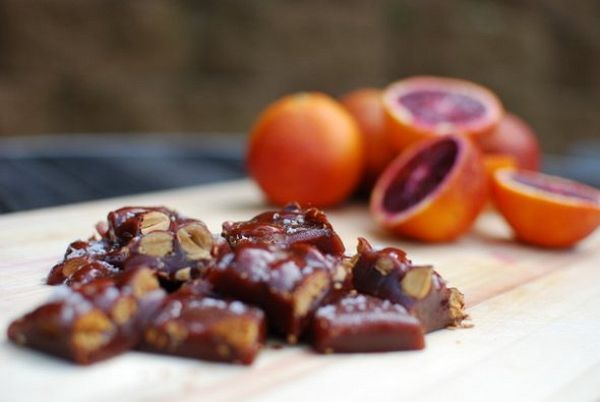
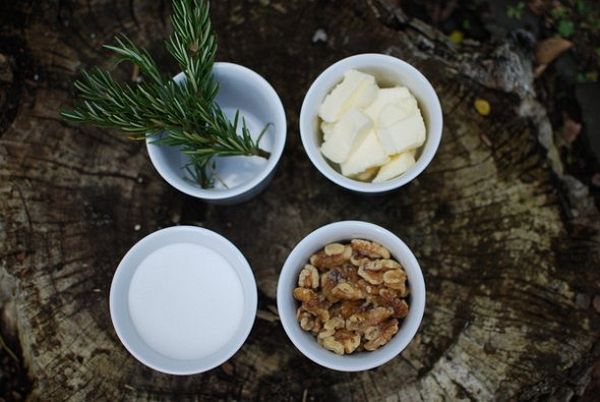
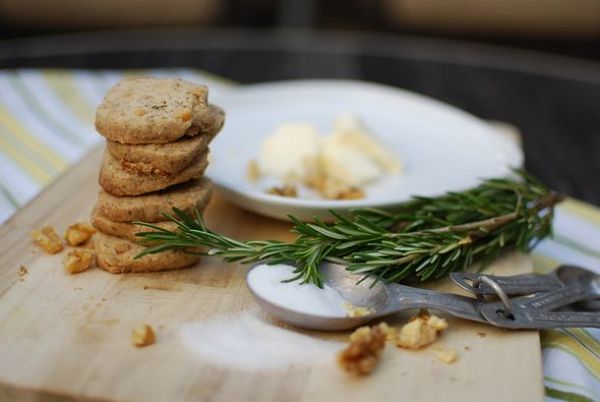
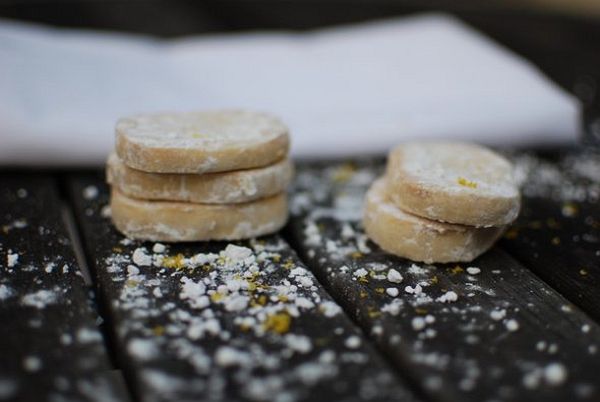
Process pictures versus plated theater
Early food blogs often chased the hero shot: steam rising, fork mid-cut, a perfect drizzle caught midair. Matzek can work that language when a finished recipe needs it, but the images saved here prefer the quieter minutes. Unbaked dough is a promise. Grated cheese is labor made visible. A board of raw vegetables is a shopping list turned into color study. Those choices align with how home cooks actually spend time—much of cooking is prep, waiting, and noticing when something is ready for the next step.
There is also an archival honesty to photographing ingredients in 2010–2012 blog culture. Before every recipe page became a grid of near-identical overhead tablescapes, many cooks still shot beside a window with whatever board they owned. Matzek’s control of focus and background lifts that homemade circumstance into intention without erasing it. You still sense a real kitchen behind the blur.
What the pictures teach
Spend time with the dough before you scroll past it. Notice how flour turns a flat disk into topography. Then jump to the cheese and count how few props are needed when texture is doing the storytelling. In the vegetable vertical, watch focus choose the onions while peppers wait in soft fire behind them. That hierarchy is a cooking lesson as much as a photographic one: know what is primary in the pan, and let the rest support.
Try one more exercise across the later frames in the set. Ask, for each image, whether you could smell the subject if the screen went cold—yeast and flour, dairy fat, pepper skins warming in a bag on the walk home. If the answer is yes, the photograph has done documentary work inside an aesthetic frame. That double duty is Matzek’s recurring strength: appetite as information, beauty as a side effect of paying attention.
Brandon Matzek’s food photography from this period remains persuasive because it never pretends cooking is only the plated finale. Hunger starts earlier—at the board, in the grate, under the flour cloud. His camera simply agrees.

Comments
Continue reading
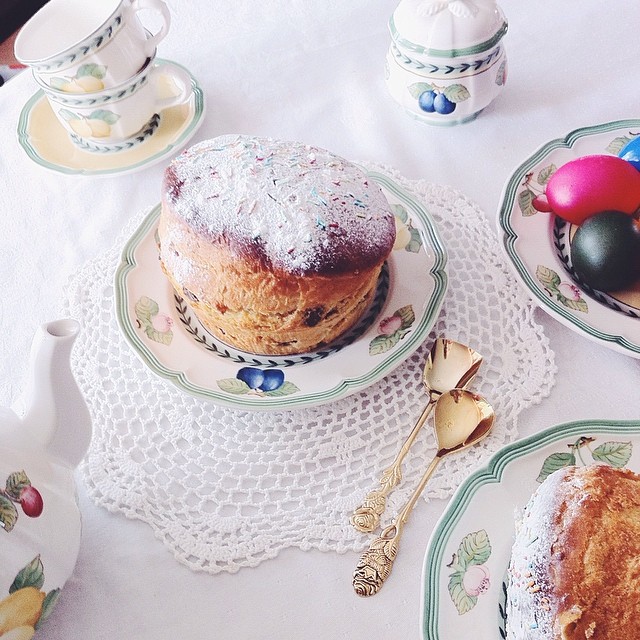
Svetlana Karner’s Food Photography: Appetite and Memory
Vienna-based photographer Svetlana Karner styles bright, nostalgic food images—plum cake included—where recipes feel like family stories.
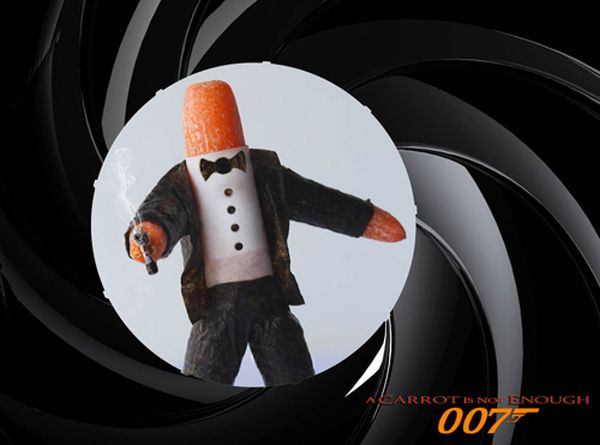
Food Photography by Vanessa Dualib: Playful Produce Characters from São Paulo
Vanessa Dualib’s humorous food photography turns groceries into characters—craft, casting, and light behind the São Paulo artist’s playful stills.
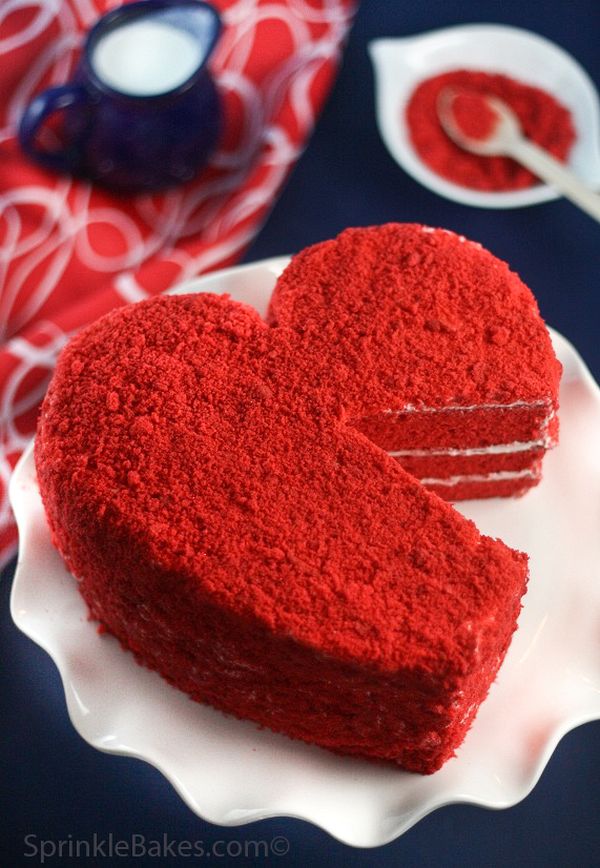
Inspirational Food Photography: Light, Styling, and Appetite
How to shoot food that looks truly edible—sidelight, hero hierarchy, angles, props, and timing—so your plates inspire hunger instead of looking staged.