
Svetlana Karner’s Food Photography: Appetite and Memory
Vienna-based photographer Svetlana Karner styles bright, nostalgic food images—plum cake included—where recipes feel like family stories.
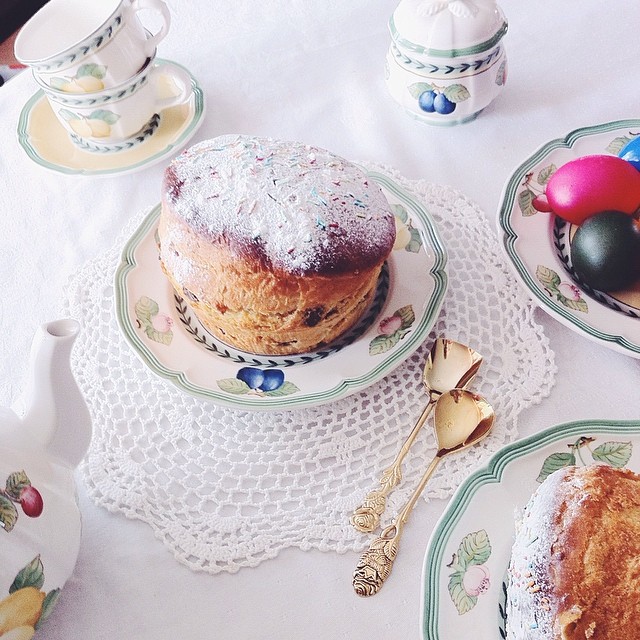
Svetlana Karner photographs food as if it still belonged to memory. Based in Vienna during the period when these images circulated widely, she has described herself as a photographer and food lover who spends real time in the kitchen—testing recipes, arranging plates, and chasing the kind of light that makes a simple tart look like a weekend you want to keep.
Her own words set the tone better than any styling checklist: food connects her with the past, with childhood, with nostalgia. A piece of plum cake with streusel topping, she has said, can send her back toward a great-grandmother who baked tartes with juicy yellow plums from a secret garden behind a small house in town. That sentence explains the pictures. They are appetizing, yes, but they are also emotional weather—warmth, quiet, and the soft focus of recollection.
A bright, airy kitchen aesthetic
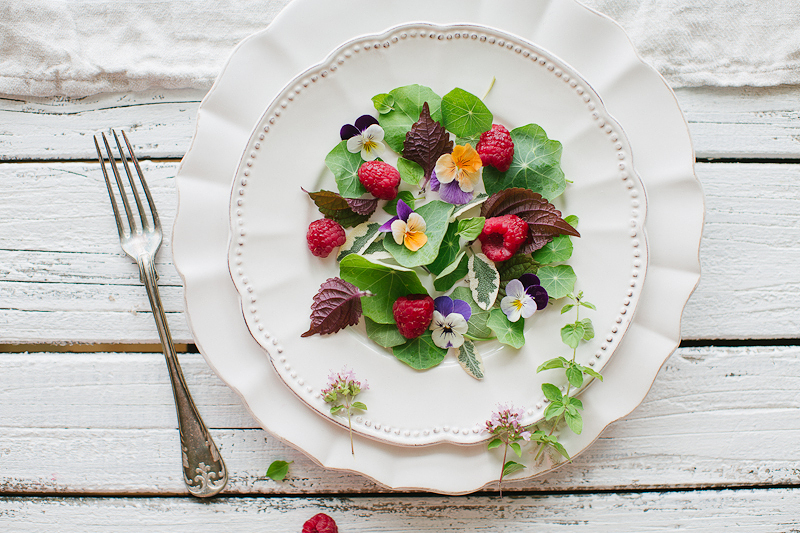
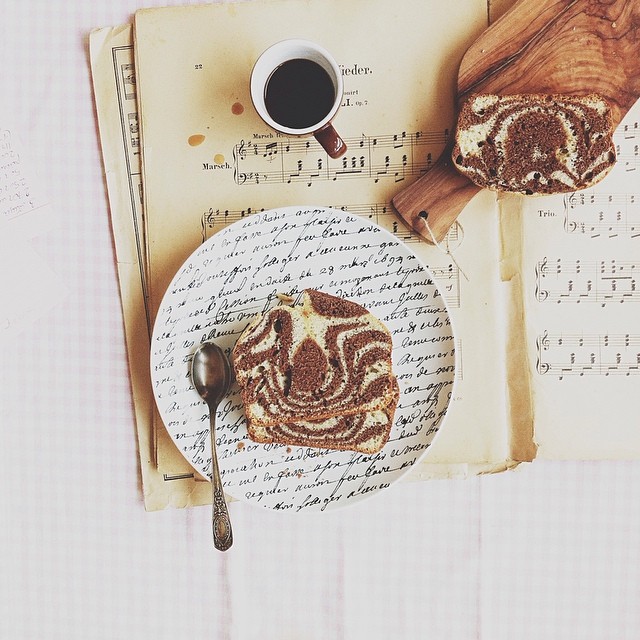
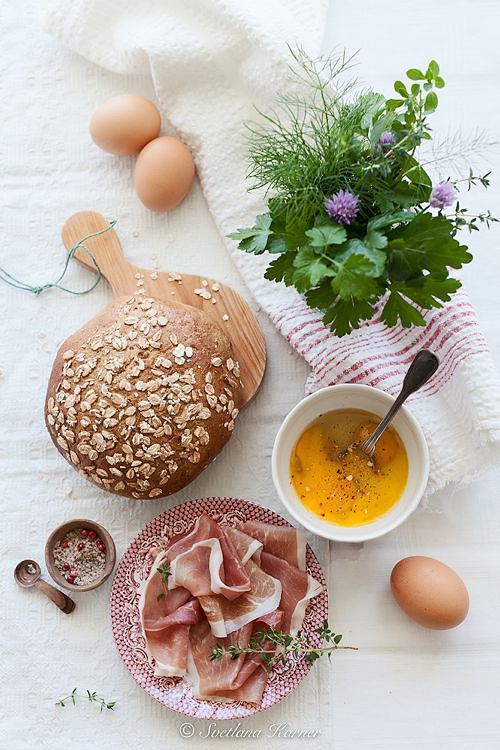
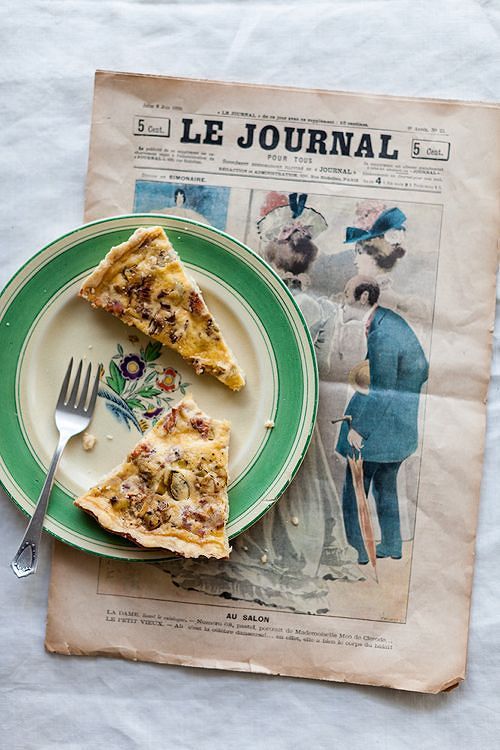
Karner’s food work is often recognized for a feel-good palette: pale woods, white ceramics, linen that looks lived-in rather than ironed for a catalog, and daylight that wraps instead of stabs. Chocolate can look rich without turning muddy. Fruit keeps its juice. Pastry flakes catch specular highlights that suggest butter without needing a caption.
The style sits between home blog intimacy and professional still life. Nothing feels sterile. Crumbs are allowed. A spoon may rest off-center. Hands sometimes enter the frame—pouring, holding, offering—so the food stays connected to use. That human trace is part of why the images read as hospitality rather than product shots alone.
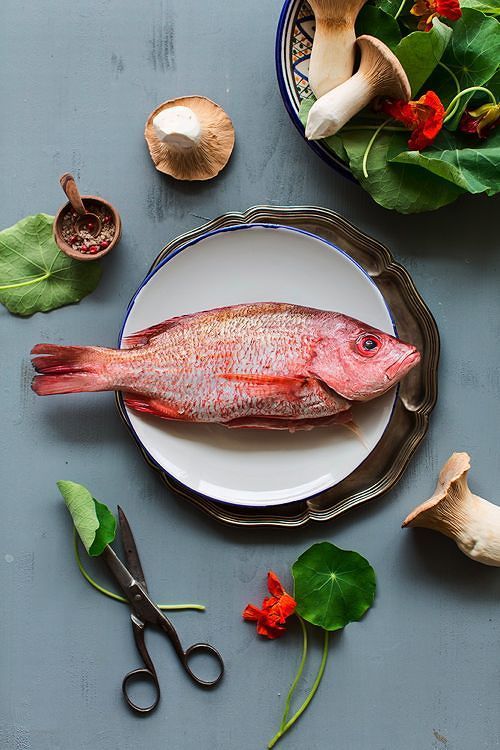
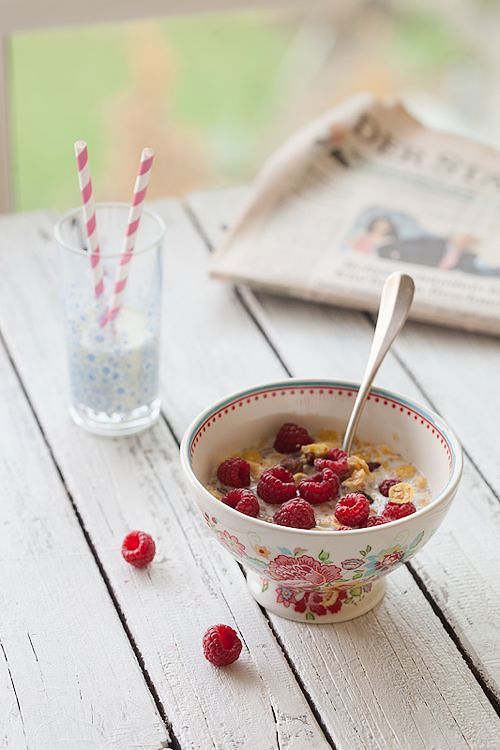
Color harmony does heavy lifting. She tends to choose companions that support the hero ingredient: soft greens with herbs, muted pinks with berries, cream and gold with baked dough. When a frame feels calm, it is usually because the palette was edited before the camera was. Competing red packaging or a loud patterned napkin would break the spell; her sets rarely make that mistake.
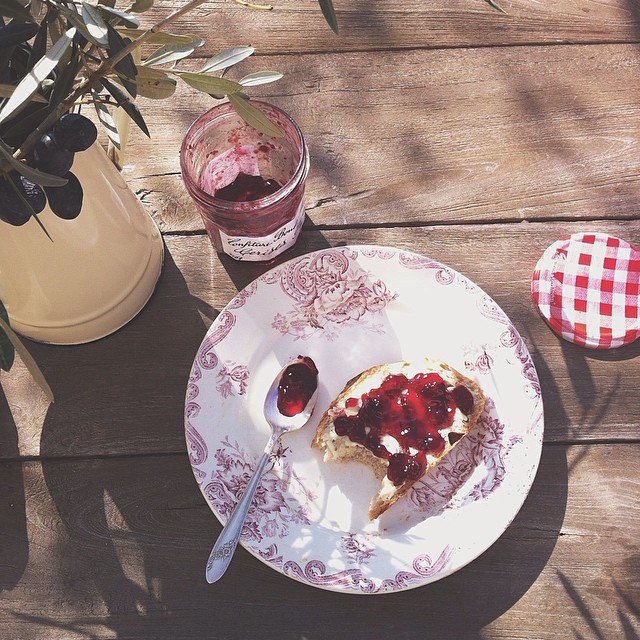
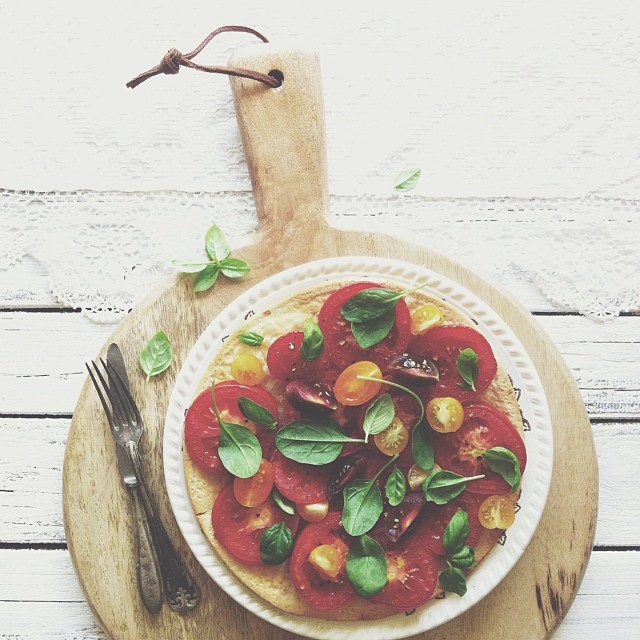
Nostalgia as a working method
Many food photographers chase trend cues—overhead flat lays, extreme minimalism, hyper-saturated “crave” lighting. Karner’s stronger images lean toward continuity: recipes that could have been made a generation earlier, plated without irony. Nostalgia here is not costume. It is a way of choosing subjects that already carry story—stone fruit, cakes, breakfasts, preserves, chocolate meant to be shared.
That approach also shapes composition. Slightly lower angles can feel like sitting at a table. Soft backgrounds suggest rooms rather than seamless paper. Depth of field often keeps the nearest bite sharp and lets the rest of the setting breathe, the way attention works when you are actually about to eat.
Travel and family life have long intertwined with her photography practice. Stories from kitchens and roads feed the same archive: a sense that food is how days are marked. Even when a frame shows only a plate, the implication is that someone will sit down soon. The plum-cake memory is not a one-off anecdote; it is a template for choosing what deserves film or sensor time.
Reading the gallery
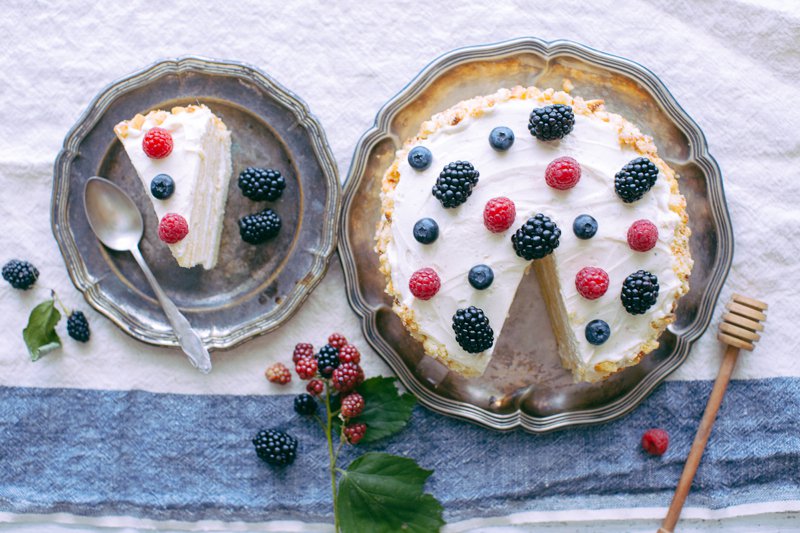
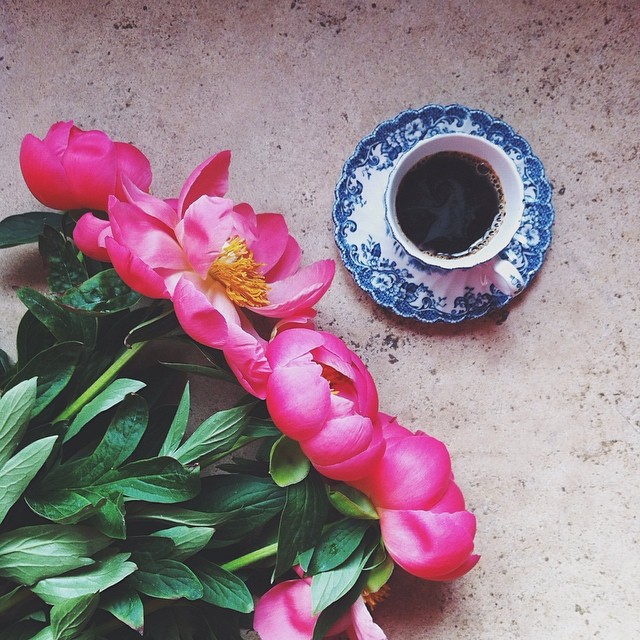
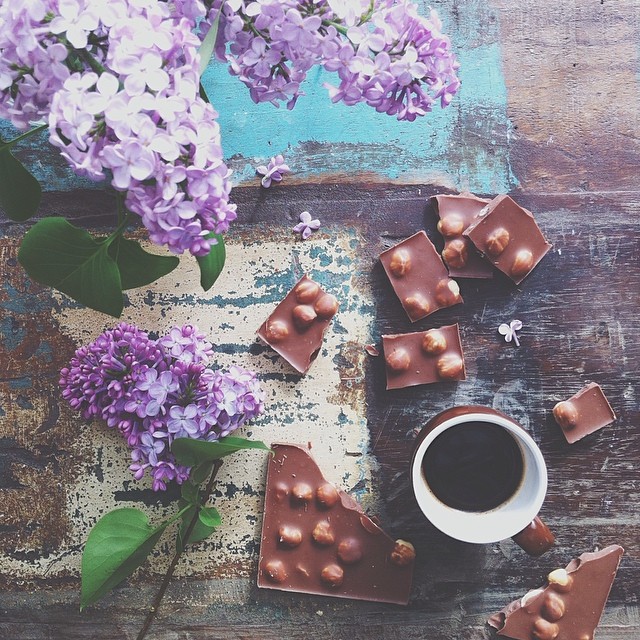
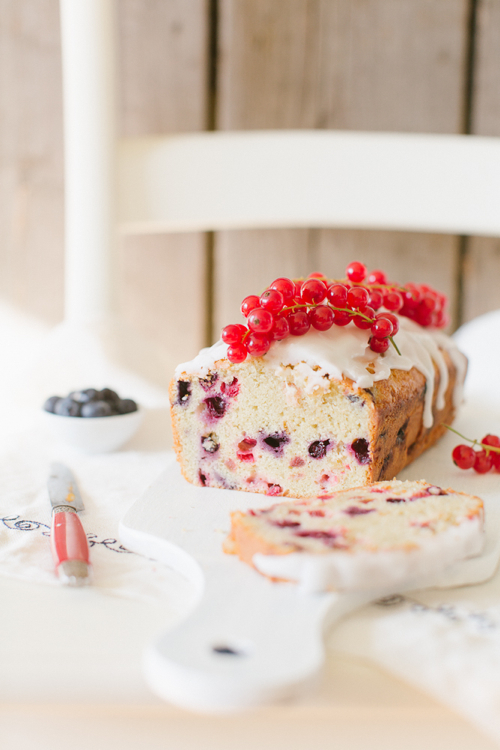
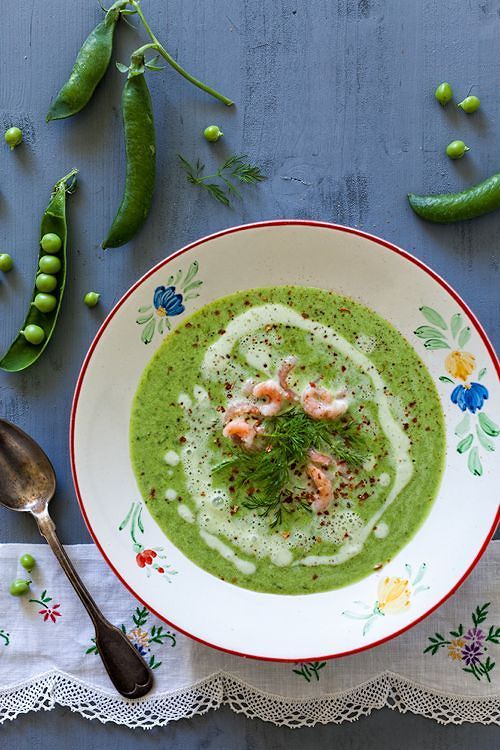
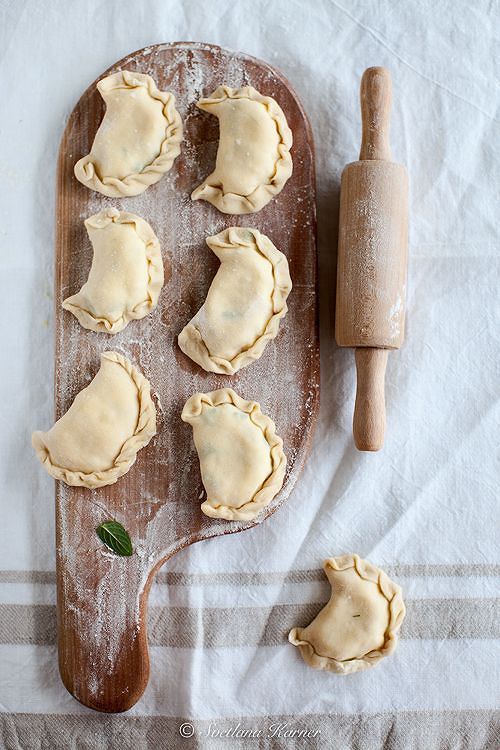
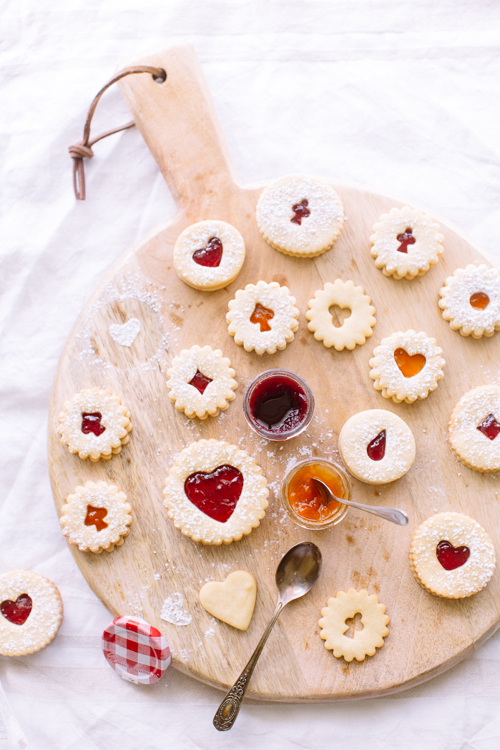
The photographs collected here show the range inside one consistent voice: square frames that feel like personal album pages, wider scenes that place dishes in a room, close studies of texture, and taller compositions that treat a plate like a portrait. Sweets appear often—chocolate, cake, fruit desserts—but so do everyday meals that depend on steam, glaze, and garnish rather than sugar alone.
Notice surfaces. Wood grain, stone, cloth, and ceramic recur as a quiet set. Props are limited enough that the food remains the subject. When metal cutlery appears, it usually adds a cool counterpoint to warm baked tones. When glass appears, it catches window light and expands the sense of air.
Also notice restraint with overlays and effects. The craft is in cooking, arranging, and exposing—not in heavy digital theater. That restraint ages well. Trend-heavy food images can look dated in a few seasons; daylight, honest texture, and a clear hero plate tend to last. Scroll the set once for appetite, then again for craft: edge highlights on glaze, soft falloff behind a cup, the decision to leave negative space on one side of a plate.
Lessons for anyone photographing a meal
You do not need Karner’s career to borrow her priorities. A few practical habits travel well from her kind of work into a home kitchen shoot:
- Cook something you care about. Indifference shows. Affection shows too.
- Use window light first. Face a north or shaded window when you can; diffuse hard sun with a curtain.
- Edit the set before you shoot. Remove logos, clutter, and competing colors.
- Leave one imperfection. A broken crumb or uneven glaze can signal reality.
- Shoot faster than the food dies. Lettuce wilts, sauces skin over, ice melts—plan the order of plates.
- Taste between setups. Food photography that never feeds anyone eventually looks like cardboard theater.
Styling is not the enemy of honesty. A nudge of herb, a wipe of the plate rim, a turn of the best brow toward the light—these are manners, not lies. The line to avoid is plastic perfection that erases appetite. If a dish looks better slightly messy, trust that. Karner’s frames often do.
White balance deserves a quiet mention. Cool window light can turn butter gray; a slight warm correction restores the kitchen feeling without turning everything orange. Shoot a reference plate if you batch-edit later, so cake and coffee stay in the same world.
Vertical frames and intimate scale
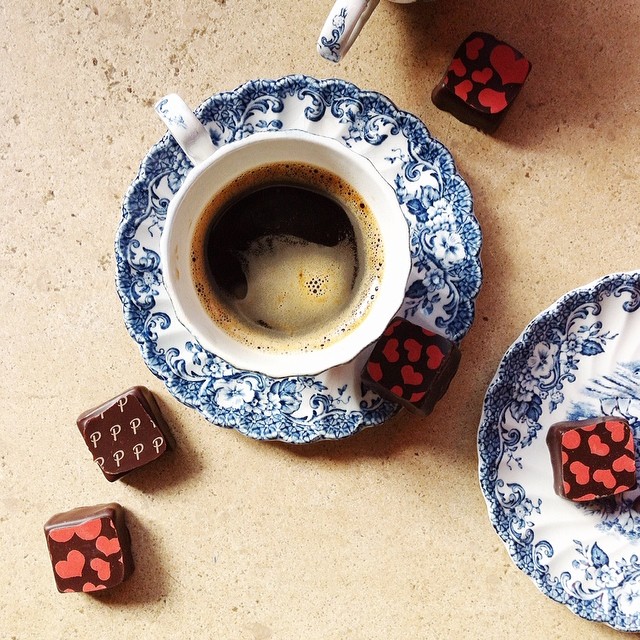
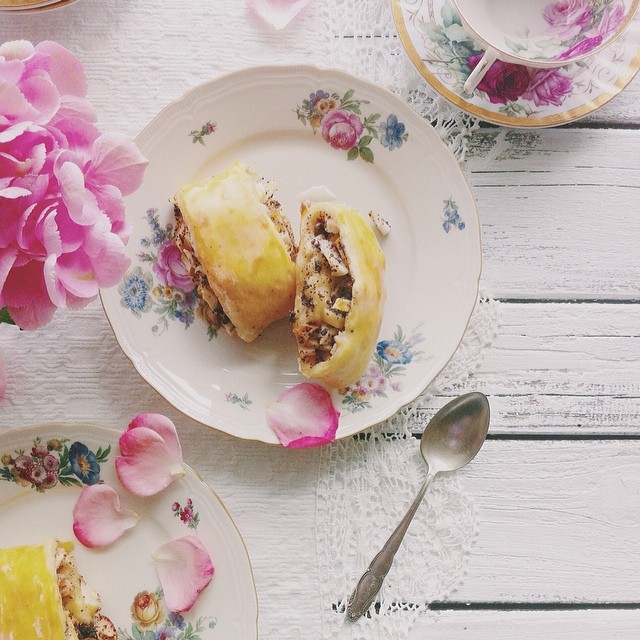
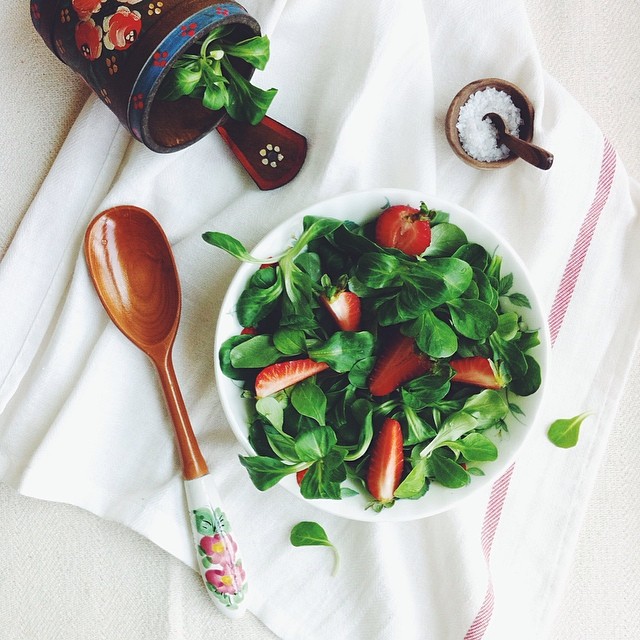
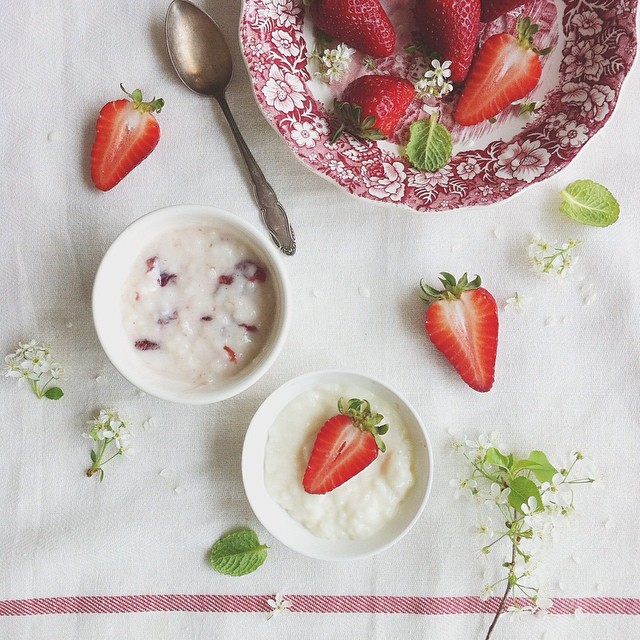
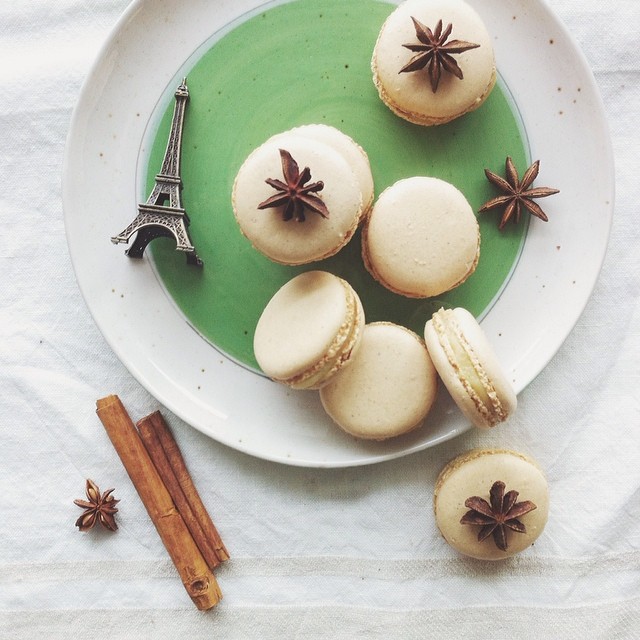
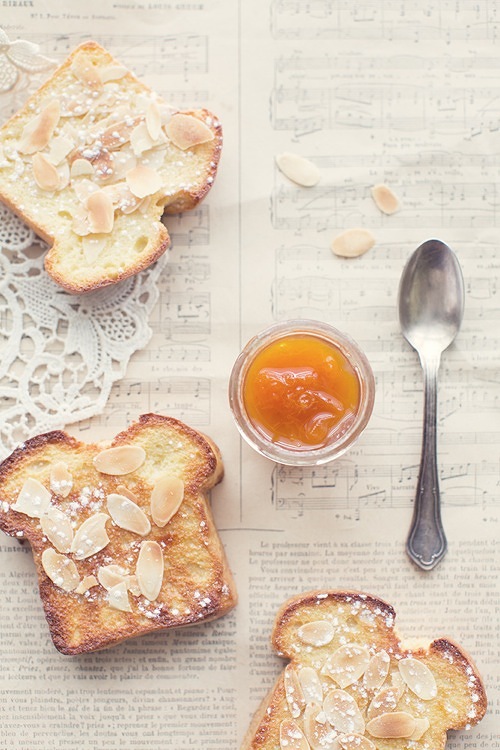
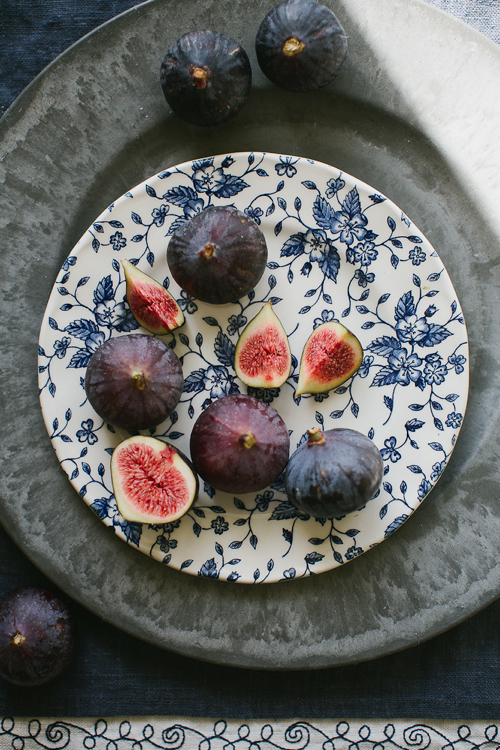
Several images in this set use taller proportions that isolate a dish the way a portrait isolates a face. That choice suits social sharing, but it also changes storytelling: less room context, more material detail—crumb structure, glaze thickness, the edge where cream meets fruit. When Karner works in that mode, the nostalgia shifts from “grandmother’s kitchen” to “the bite in front of you.”
Square crops do another job. They feel diary-like, symmetrical enough to calm the eye, flexible enough for a single bun or a full breakfast assembly. Together, the formats suggest a working photographer who thinks about how images will live after the meal is gone—on a blog, in a magazine feature, or in a personal archive of recipes worth repeating.
Wider horizontal frames, when they appear, usually buy atmosphere: a table edge, a second plate in soft focus, a hint of chair or window. Those details sell place. Vienna light or any soft northern daylight becomes part of the ingredient list.
From recipe to frame
If you follow the spirit of her work rather than copying a single prop kit, start with a recipe that already has a story—something baked for a person, not only for a feed. Plate it the way you would serve a guest. Set the camera while the food is still honest. Make a short sequence: wide for place, medium for the plate, close for texture. Keep the best three. Eat the rest.
Karner’s food photography works because technique serves feeling. Soft light, edited color, and careful plates are only the craft layer. Underneath is a belief that a streusel-topped plum cake can be a time machine—and that a photograph should protect that journey long enough for a stranger to taste it with their eyes.

Comments
Continue reading
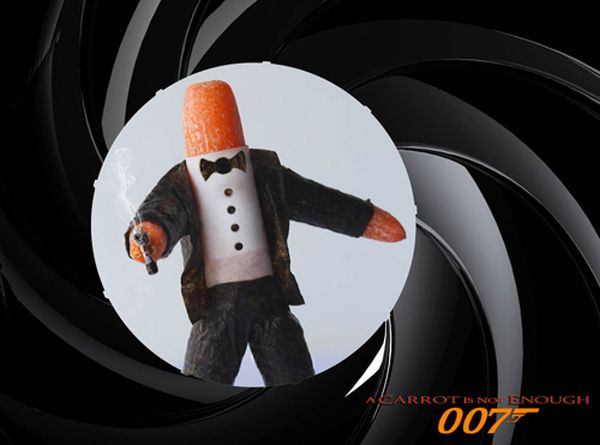
Food Photography by Vanessa Dualib: Playful Produce Characters from São Paulo
Vanessa Dualib’s humorous food photography turns groceries into characters—craft, casting, and light behind the São Paulo artist’s playful stills.
Inspirational Food Photography: Light, Styling, and Appetite
How to shoot food that looks truly edible—sidelight, hero hierarchy, angles, props, and timing—so your plates inspire hunger instead of looking staged.
Call Me Cupcake: Linda Lomelino’s Food Photography and Sweet Still Lifes
Swedish baker-photographer Linda Lomelino’s Call Me Cupcake world—soft light, cupcakes and layer cakes, and still-life craft from blog to early cookbooks.