
Call Me Cupcake: Linda Lomelino’s Food Photography and Sweet Still Lifes
Swedish baker-photographer Linda Lomelino’s Call Me Cupcake world—soft light, cupcakes and layer cakes, and still-life craft from blog to early cookbooks.
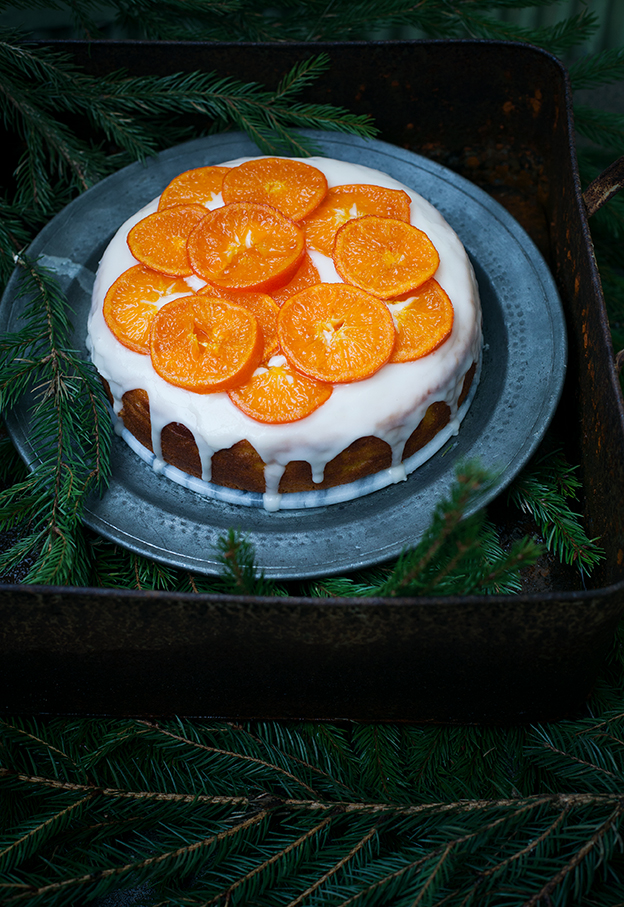
Still-life photography has always liked objects that catch light—glass, metal, fruit on a plate. Desserts raise the stakes: frosting softens, glaze skins over, berries weep, and the clock starts the moment the cake leaves the stand. Swedish photographer, stylist, and baker Linda Lomelino built a body of work inside that pressure. On her blog Call Me Cupcake and in cookbooks that began crossing languages in the early 2010s, she treated cupcakes and layer cakes as serious subjects—quiet, seasonal, and composed with the patience of someone who both bakes the thing and decides how it should be seen.
This feature stays with that moment: a self-taught food photographer working from southern Sweden, a first cake book traveling into English and other editions, and a visual language that made buttercream feel like atmosphere rather than party clutter.
From boutique clerk to Call Me Cupcake
Lomelino started Call Me Cupcake in 2009. She has said she came to food photography without a commercial studio pedigree—amateur frames first, then rapid improvement because blogging demanded another shoot, another recipe, another chance to fix what failed. Baking itself was a late fascination rather than a childhood inheritance; once cupcakes caught her attention, the loop of mix, frost, style, and photograph became the work.
She photographed from a domestic scale in Halmstad, a small city in the south of Sweden—not a capital-city restaurant circuit. That constraint shaped the look. Daylight from apartment windows, a limited prop shelf, textiles that could be reused or even dyed with fruit, plates that returned across posts until they felt familiar. When she later left a clothing-boutique day job to bake and shoot full time, the apartment remained the studio. The pictures never pretended otherwise. They made intimacy the brand.
Process, as she has described it in interviews from that era, often began with an ingredient at market. Strawberries or cherries suggested the next post before a recipe was fully formed. Research and her own earlier books fed ideas; baking happened in evening or morning blocks; backdrops and props were chosen to suit the mood; a few test frames checked the composition; then the real shoot, followed by editing while the feeling was still sharp. A finished post could take two or three days. That pace is visible in the work: nothing looks rushed under harsh flash, and nothing looks overhandled into plastic perfection.
Reading the sweet still life
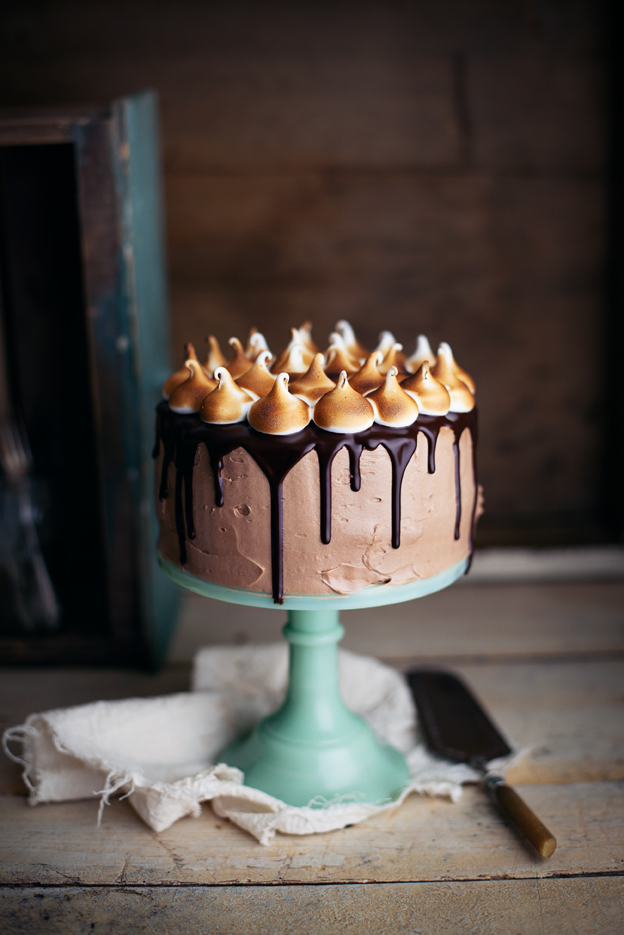
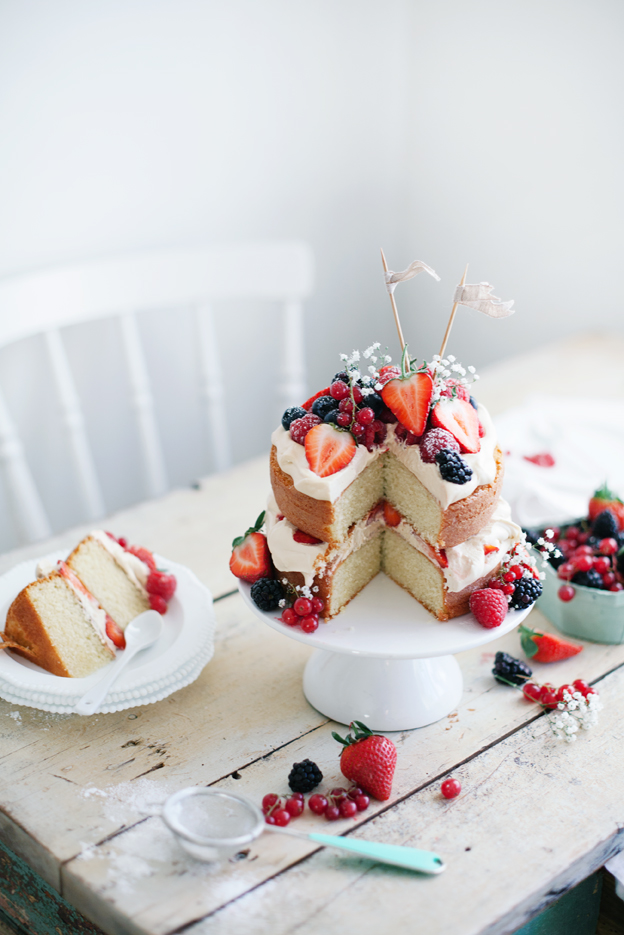
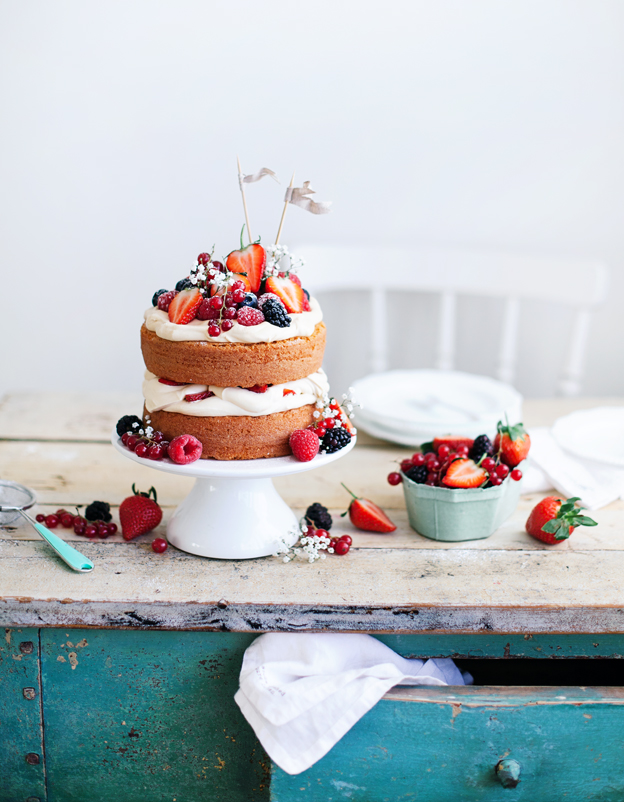
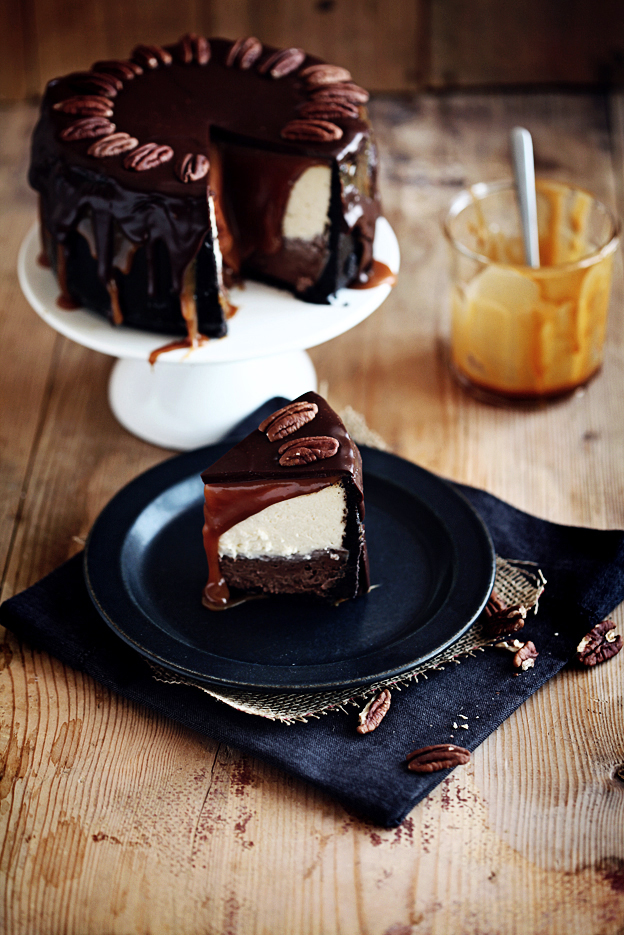
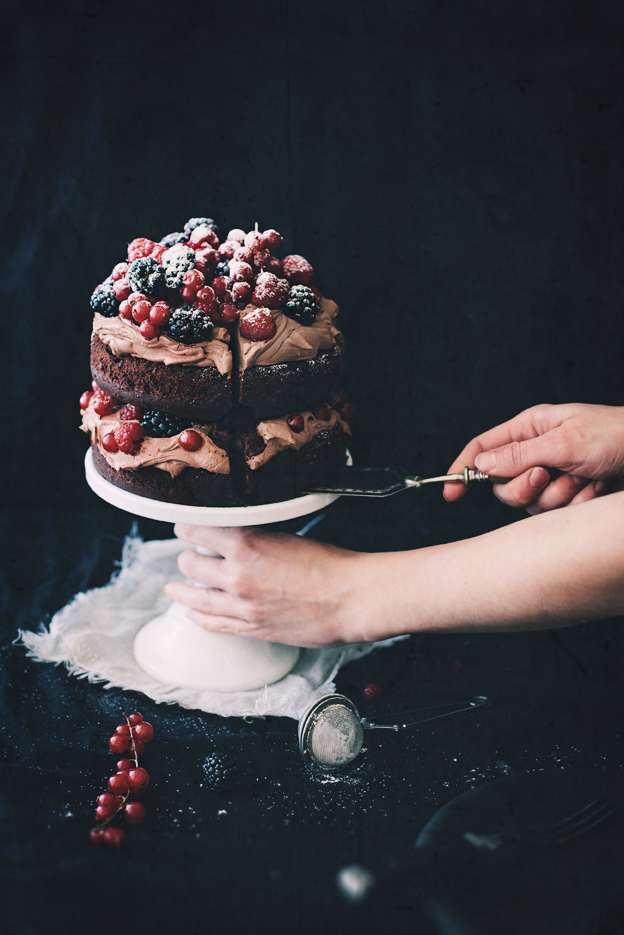
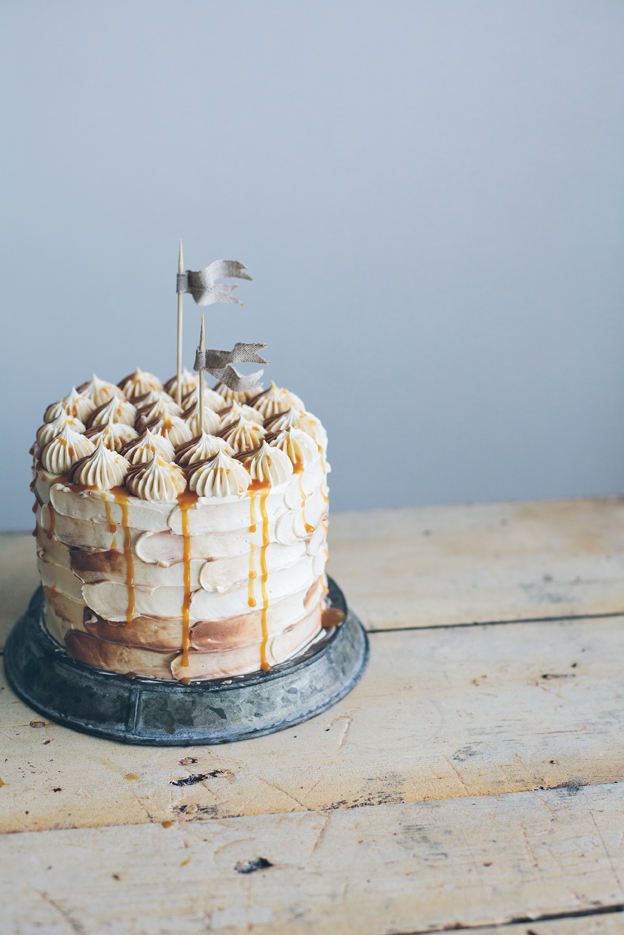
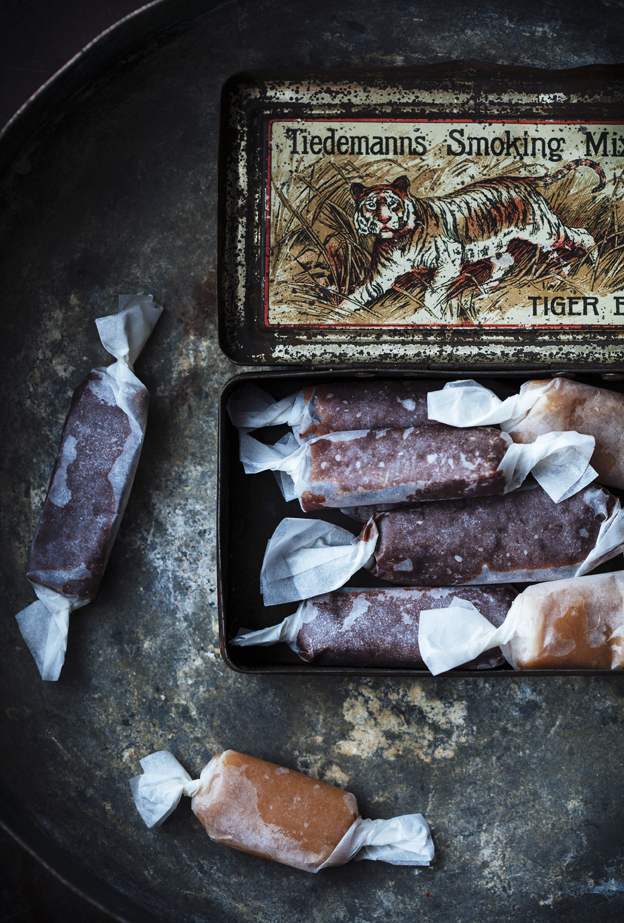
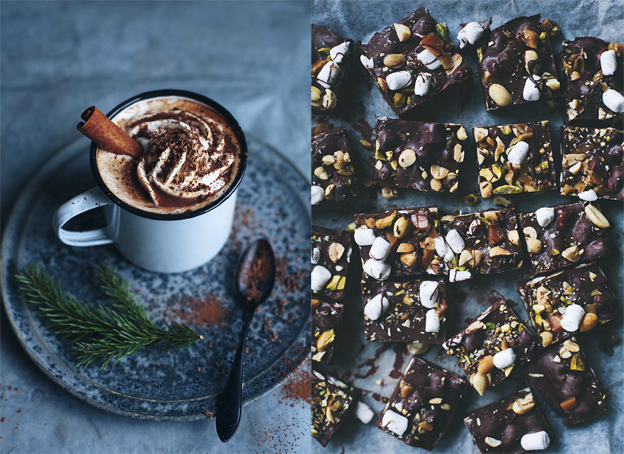
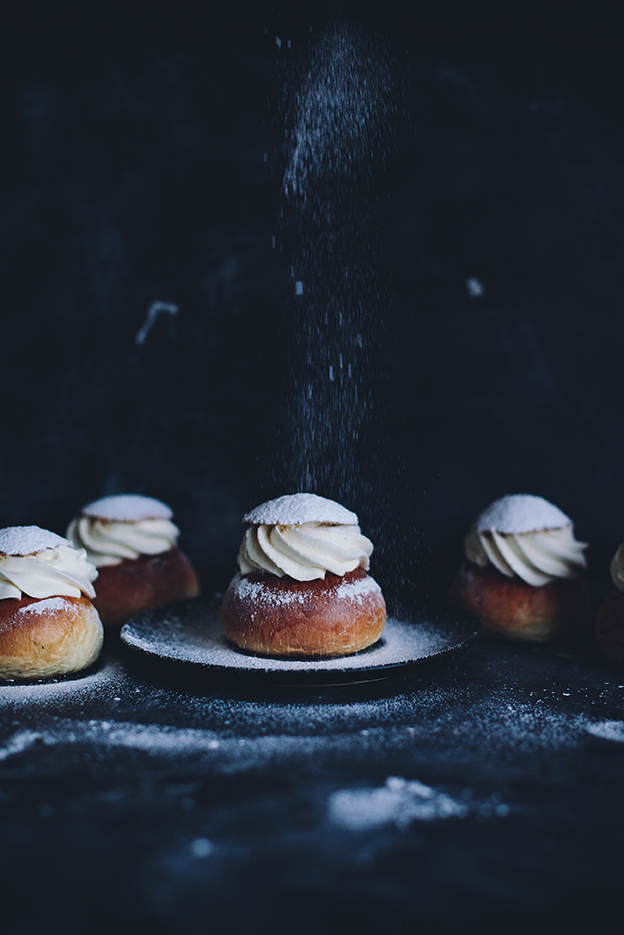
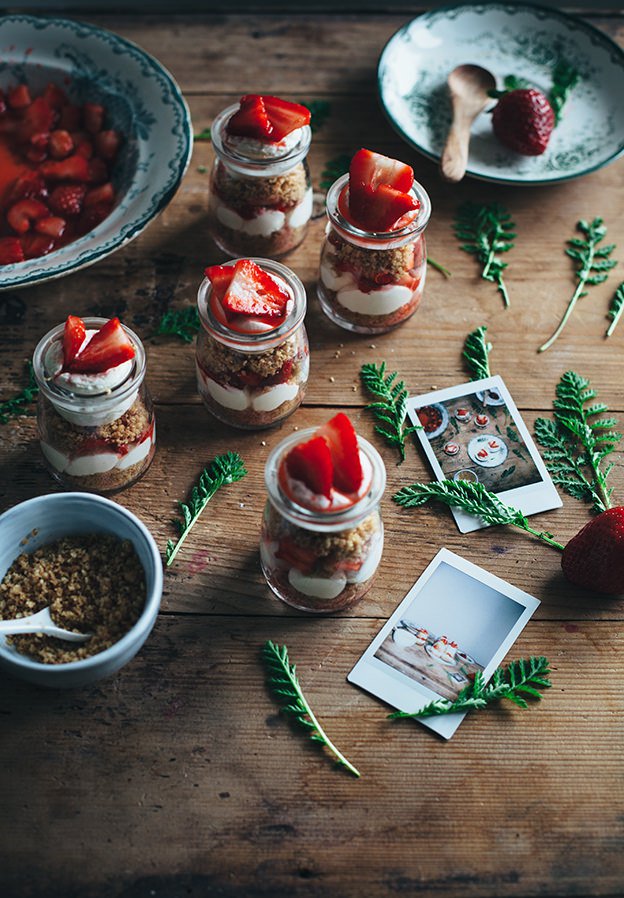
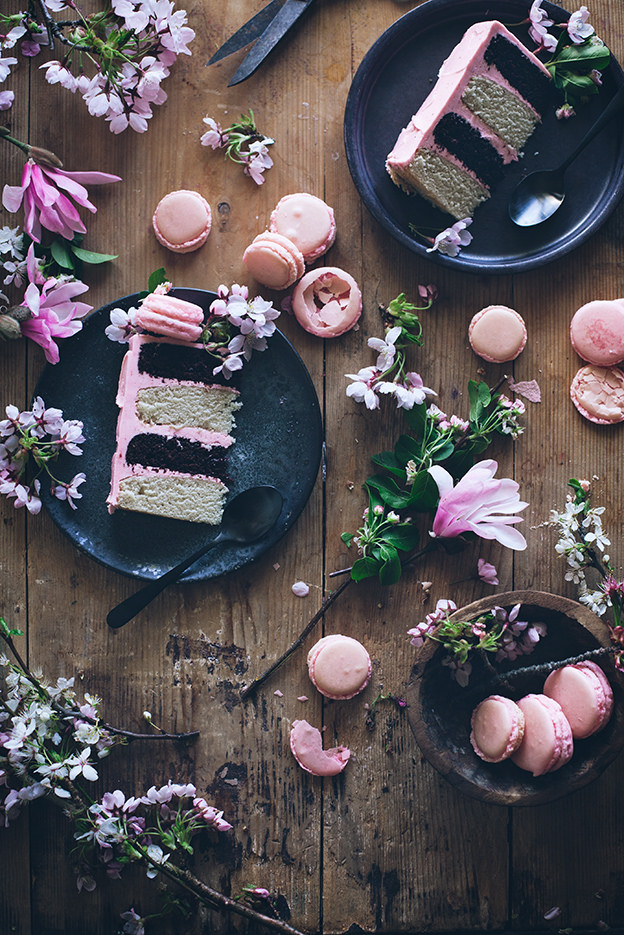
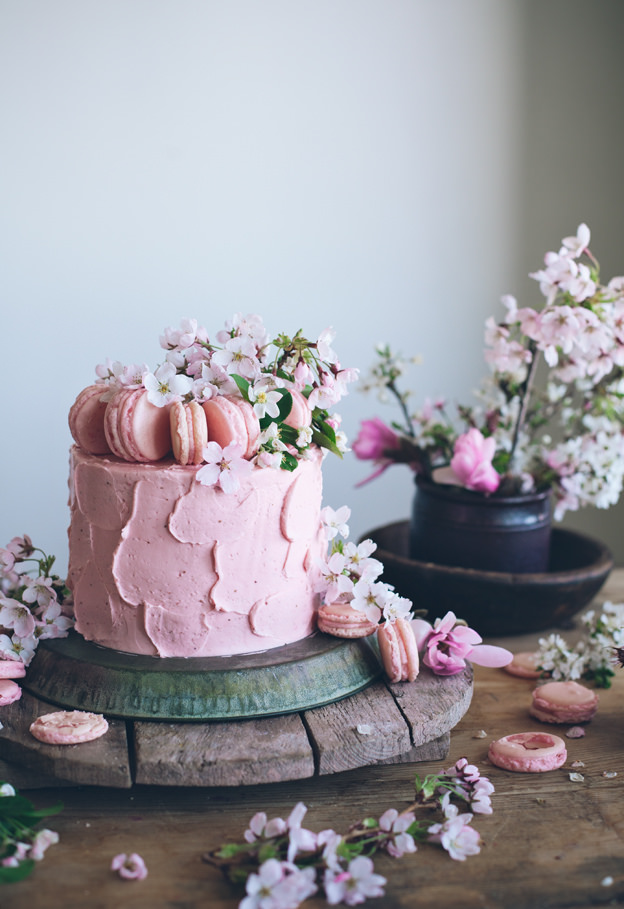
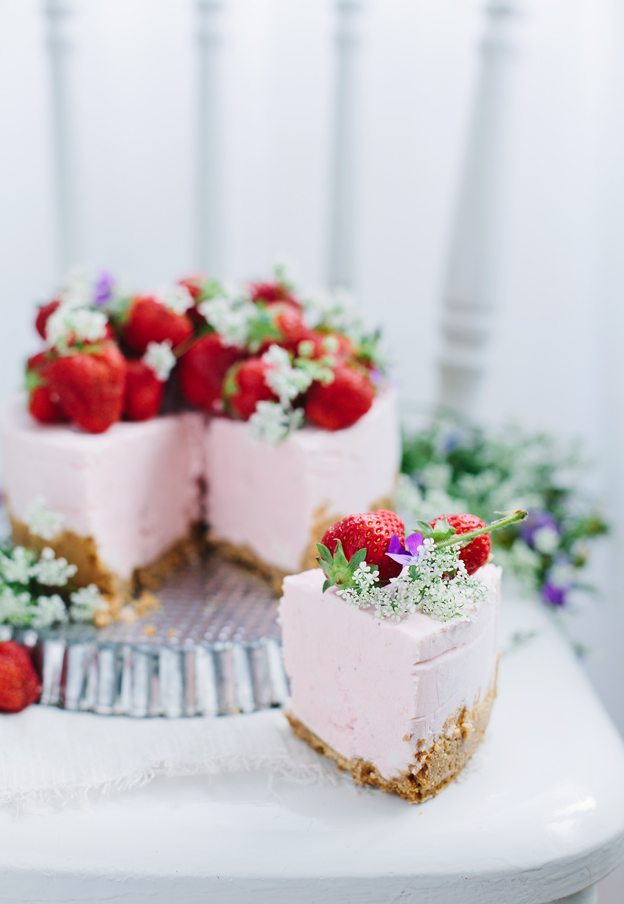
Open a Lomelino frame and the first impression is rarely “product.” It is weather: soft side light, a highlight sliding across ganache, a background that falls away without fighting the plate. Depth of field often keeps one plane crisp—a rose piped on a cupcake, a cut crumb wall—while the rest dissolves. The dessert becomes landscape. Frosting ridges read like terrain; a spoon break becomes gesture; negative space keeps the sweet from looking crowded by props.
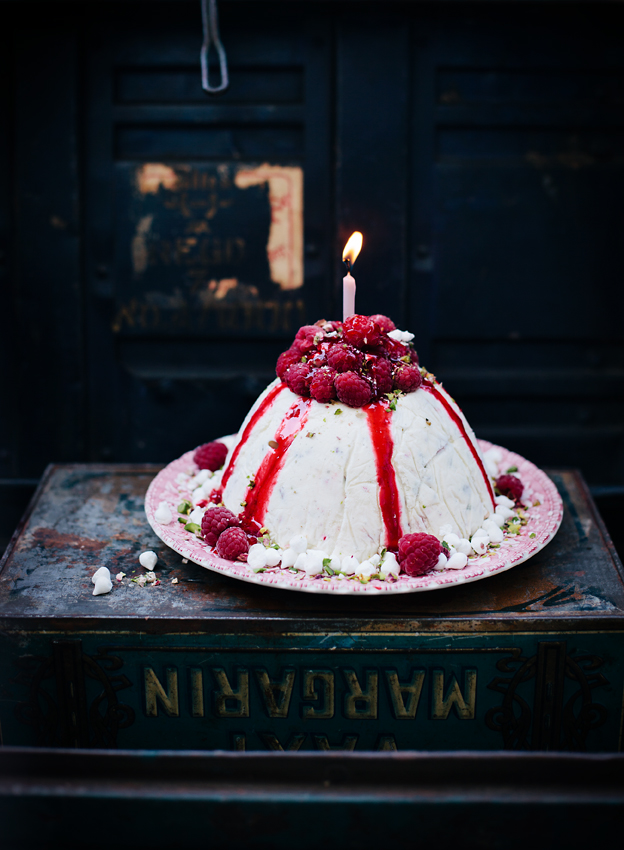
Color is disciplined. Berries and frostings carry saturation; linens, woods, and papers stay quieter. The mood can feel solitary—a slice waiting, a cup nearby, no party hands reaching in. That solitude is why the images travel as stills: they read as private moments, almost portraiture of sugar and butter, not event coverage.
Decoration matters, but not as a checklist. Piped roses, glaze drips, fresh flowers, and fruit appear because they earn their place in the light. The camera is less interested in proving every technique than in how surface catches and loses brightness. For food photographers, that priority is the useful lesson: style in service of seeing, not in service of showing off every tip you know.
Gear habits, not gear myths
In those years Lomelino often mentioned a full-frame Canon body with fast primes—commonly a 50mm for intimacy and a short macro or short tele for detail—plus phone frames for looser notes. The list is less important than the habits around it. Side daylight beats complicated lighting kits when you are racing melting chocolate. A stable table and a backdrop you already understand beat a prop warehouse. Shoot while frosting still looks alive; process soon enough that you remember why you chose the angle.
She has also emphasized working with what you have. That resourcefulness shows up later in book chapters on dyeing fabric, finding props, and frosting cleanly without industrial pastry tools. The blog trained the same muscle: limited space, seasonal shopping, and enough repetition to build taste.
Books that carried the blog eye outward
Swedish publisher Bonnier Fakta released Lomelinos tårtor in 2012—her cake book, full of layer cakes that looked like the blog’s best days. Ice cream followed, then a photography-forward sweet volume often discussed as Sweet Food & Photography, with related international titles that mixed recipes and how-to notes on styling and shooting. English readers met Lomelino’s Cakes as the first book crossed into Roost Books territory around 2014, with other languages following. She has spoken of finding those translations mind-blowing—an understandable reaction for someone who began by posting cupcakes from a small-town apartment.
Around the date of this page’s original feature, that arc was the story: first book traveling, further manuscripts in motion, Call Me Cupcake still the home base. The books did not abandon apartment-scale method. They packaged it—step photographs, approachable recipes, piping and frosting guidance, prop and backdrop advice—so home bakers could chase the same soft still-life feeling without pretending they owned a studio.
What to steal for your own dessert frames
You do not need her exact apartment or camera to borrow her priorities. Put the dessert near a window and kill competing overheads. Choose one backdrop that stays out of the fight—linen, wood, quiet paper. Style fewer props than you think you need. Leave breathing room around the plate. Make a hero angle and a detail: the drip, the crumb, the fork cut. Move quickly once glaze sets and fruit softens.
Let season write the color script. Dark chocolate and winter citrus ask for different linens than June strawberries. Edit a set for mood consistency so white balance and contrast feel related; one wildly lit outlier can break a chapter even if the cake is perfect. If you bake and shoot yourself, accept that you will eat failures and reshoot winners—the blog’s real curriculum.
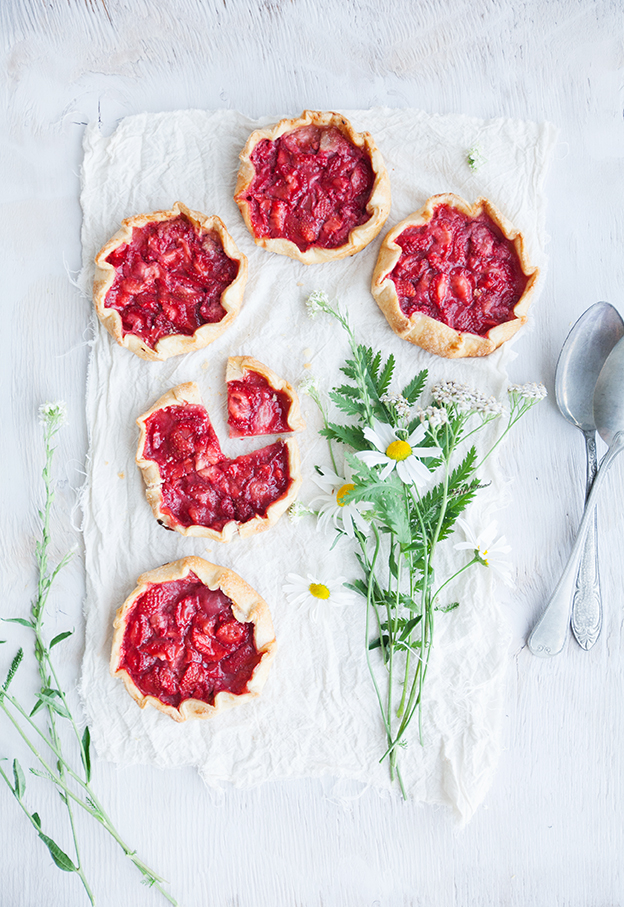
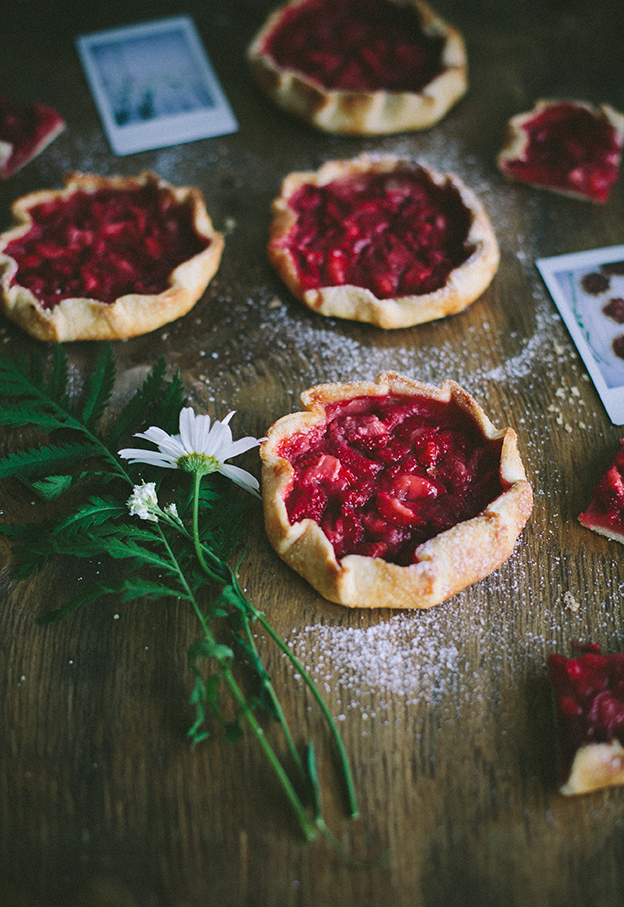
Put one cupcake under the softest window you have, shift until frosting finds a highlight, and stop when the plate already feels like a small weather system. That habit—more than any prop haul—is what Call Me Cupcake taught a generation of bakers who wanted their sweets to look as considered as they tasted.

Comments
Continue reading
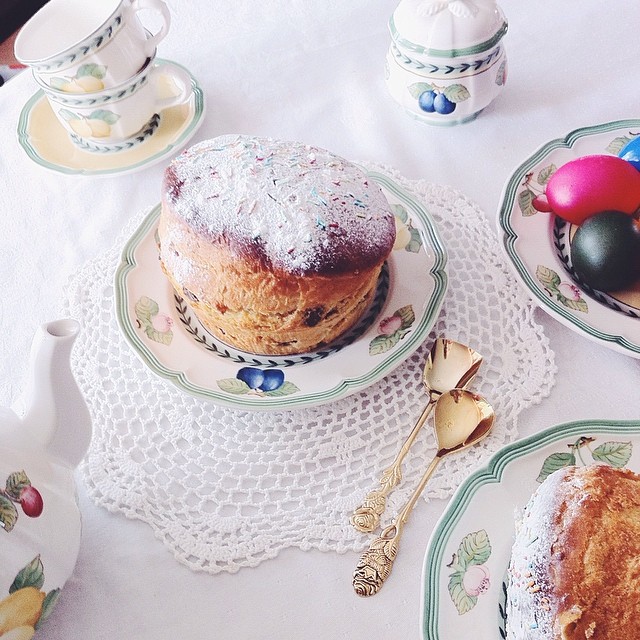
Svetlana Karner’s Food Photography: Appetite and Memory
Vienna-based photographer Svetlana Karner styles bright, nostalgic food images—plum cake included—where recipes feel like family stories.
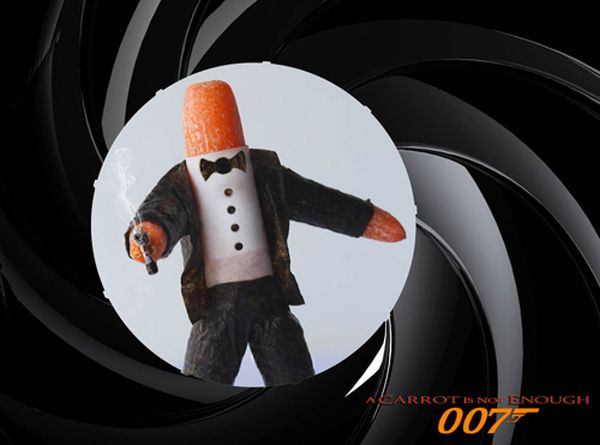
Food Photography by Vanessa Dualib: Playful Produce Characters from São Paulo
Vanessa Dualib’s humorous food photography turns groceries into characters—craft, casting, and light behind the São Paulo artist’s playful stills.
Inspirational Food Photography: Light, Styling, and Appetite
How to shoot food that looks truly edible—sidelight, hero hierarchy, angles, props, and timing—so your plates inspire hunger instead of looking staged.