
Food Photography by Vanessa Dualib: Playful Produce Characters from São Paulo
Vanessa Dualib’s humorous food photography turns groceries into characters—craft, casting, and light behind the São Paulo artist’s playful stills.
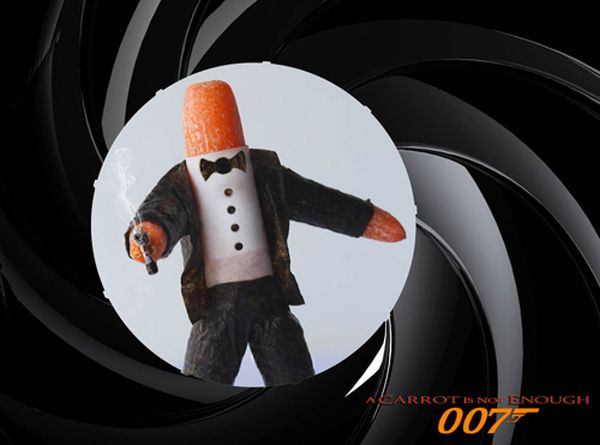
Vanessa Dualib photographs food as if it had wandered into a comedy sketch and decided to stay. Based in São Paulo, Brazil, she became widely known for playful series that turn produce, pantry staples, and everyday groceries into characters, animals, and tiny narratives. The images collected here sit in that tradition: food photography with humor in the foreground and careful craft underneath. Spelling matters on this page—Vanessa Dualib—because searchers land here looking for her name, not a near miss.
Around the late 2000s and early 2010s, Dualib’s “playing with food” projects (often framed in Portuguese as Brincando com a Comida) circulated through design blogs and features, including coverage that highlighted her habit of hunting supermarket aisles for fruits and vegetables that already looked like something else. The camera did not invent the joke alone; casting began at the produce bin. What followed was arrangement, lighting, and a punch line delivered in a single still frame. That timeline matters for reading this gallery: it belongs to an era when food art photography traveled quickly online, and Dualib’s work stood out because it was funny without being cruel to the ingredients.
She has described mixing photography, food, and humor as a tribute—an invitation to smile—rather than a wasteful spectacle. Public notes from the period often mention that a large share of what she shoots is later eaten. That ethic keeps the pictures closer to play than to disposable prop theater. You can feel it in the frames: the food still looks like food, even when it is acting.
Humor as a photographic subject
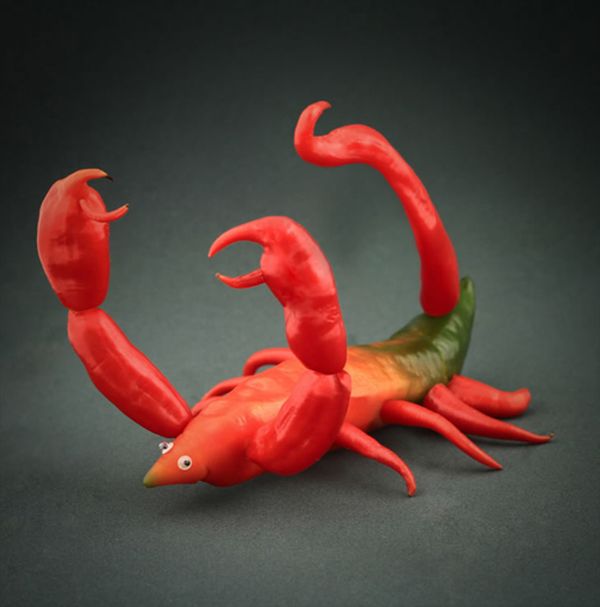
Most commercial food photography sells appetite. Vanessa Dualib’s best-known work sells a smile first and appetite second. Peppers become creatures. Eggs get storylines. Pasta and fruit assemble into scenes that feel closer to stop-motion props than to recipe headers. That does not make the photography casual. Soft, even light keeps textures readable. Backgrounds stay simple so the gag is clear. Depth of field isolates the hero character the way a portrait isolates a face.
The humor works because the ingredients remain recognizable. You still see a carrot, a chili, a potato—only now they have roles. Dualib’s supermarket casting method is part of the craft: she has talked about rescuing produce that seemed “born to be something else,” turning odd shapes into protagonists instead of discarding them as imperfect. That approach is both thrifty and inventive. It also trains a photographer’s eye to see silhouette and gesture before seasoning and garnish.
Related series expanded the same grammar. Egg-centered adventures cast breakfast’s most fragile ingredient as a character under threat. Fruit cards and produce dioramas play with movie, animal, and everyday-life parodies. Across those projects, the joke is visual first. Captions help, but the best frames still read if you mute the title.
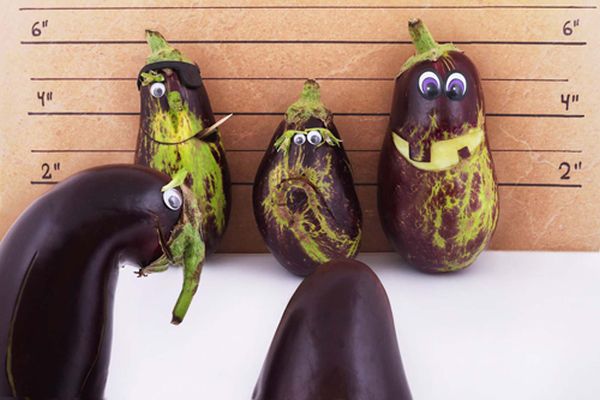
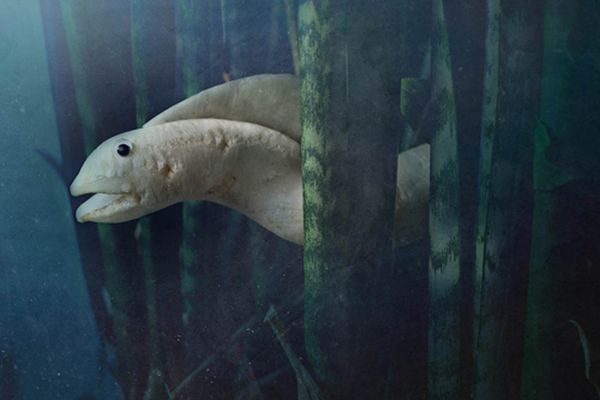
What to notice in the frames
Move through the gallery with a maker’s eye rather than a snacker’s. Ask where Dualib found the character—in the silhouette of a fruit, in a bruise that reads as an expression, or in a pairing of shapes that suggests motion. Notice how few props compete with the food. A sheet of parchment, a scrap of nori, a sprinkle of flour for “sand” can complete a scene without turning the set into a craft store explosion.
Color does heavy lifting. Natural produce already carries saturated greens, reds, and yellows; Dualib’s frames often let those hues sit against quiet neutrals so the joke stays sharp. Scale is another tool: a close crop can turn a small pepper into a movie-star silhouette. A wider view can build a diorama—tiny landscapes of celery trees or potato creatures in mud made from coffee and water, as some of her better-known pieces demonstrated in contemporary features.
Lighting stays friendly. Hard, dramatic shadows can look cinematic, but they also hide the texture that makes food feel real. Softer side light or broad diffusion keeps peel, cut edges, and crumb visible. That visibility is why the pictures feel affectionate rather than grotesque. You are invited to laugh with the produce, not at a mess.
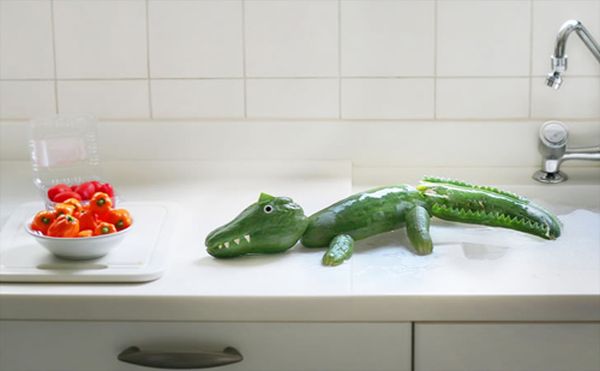
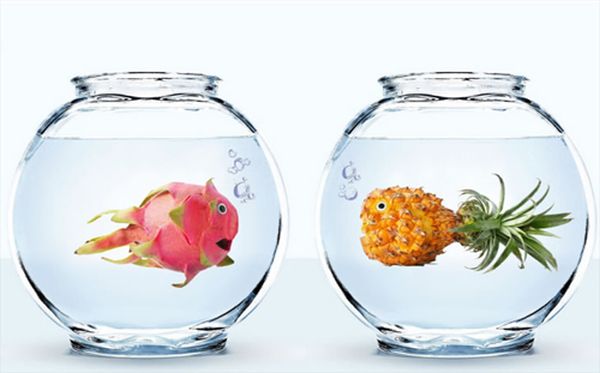
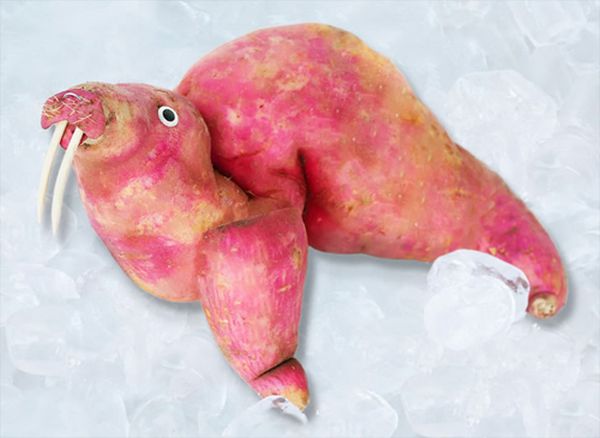
Food photography versus food sculpture
These pictures sit at the border of photography and edible illustration. The sculpture is temporary and edible; the photograph is the lasting artwork. That distinction matters for anyone learning from Vanessa Dualib. If you only copy the sculpting, you miss the lighting decisions. If you only copy the lighting, you miss the casting of ingredients. Her strength is the handshake between the two: build a character from real food, then photograph it with the patience of a studio still life.
It also helps to separate this work from classic hospitality food photography, where the goal is appetite and brand atmosphere. Dualib’s gallery is not primarily about making you order dinner; it is about making you look twice at a chili or an egg. Both genres celebrate cuisine. They solve different problems. Keeping them distinct helps readers who arrive from search: this page is about Vanessa Dualib’s humorous food photography, not a general restaurant lighting tutorial.
Because the sculptures are perishable, timing is part of the method. Produce wilts, eggs warm, cut surfaces brown. Working quickly—and shooting more frames than you think you need—protects the joke. Micro-adjustments of a leaf or a pepper stem change expression the way a portrait subject’s mouth does. Editing then becomes choosing the single frame where the punch line lands without explanation.
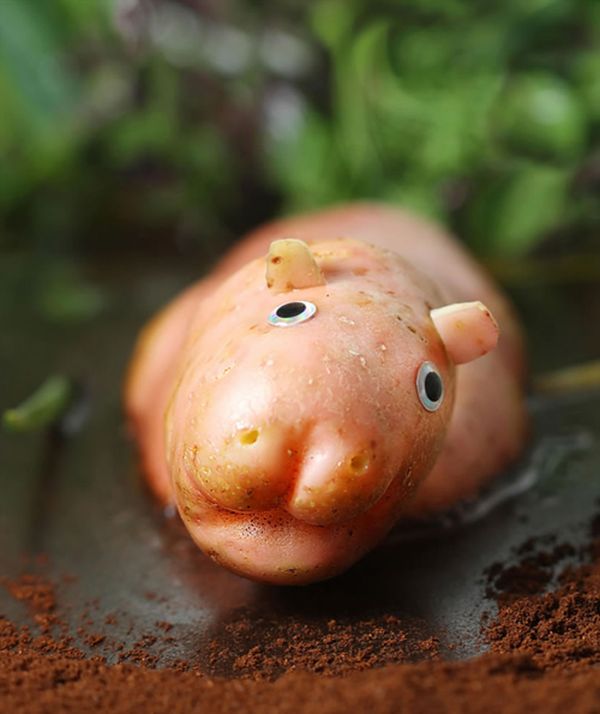
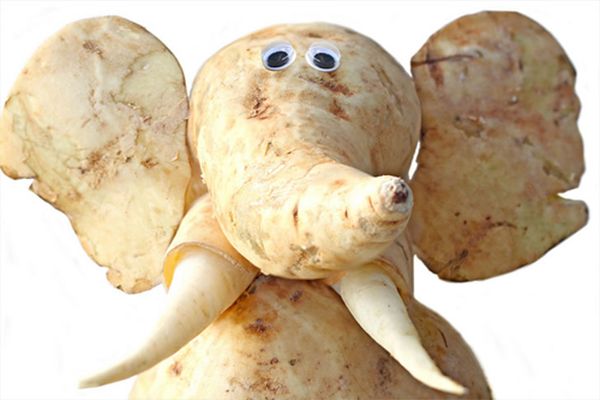
Lessons for photographers and food lovers
You do not need Dualib’s exact jokes to borrow her method. Start with observation: walk a market looking for forms that already suggest faces, animals, or costumes. Limit your toolkit—one cutting board, one soft light, a plain backdrop. Build quickly so produce stays fresh. Edit ruthlessly. One joke per frame usually beats a crowded scene where nothing is funny.
For cooks and parents, the gallery is also an invitation to look again at leftovers and “imperfect” produce. A bent chili or a potato with odd eyes can be a character before it is dinner. That spirit—curious, gentle, slightly absurd—is why Vanessa Dualib’s photographs keep traveling years after they first appeared on blogs and portfolio pages.
- Cast first: choose ingredients with inherent shape language.
- Simplify the set: let food carry color and story.
- Light for texture: soft side light reveals peel, crumb, and cut edges.
- One joke per frame: avoid stacking gags until nothing is funny.
- Respect the food: plan to eat what you can after the shoot.
Which image in this set still makes you smile on a second look—and what single ingredient is doing the acting? That question is a better guide than copying a caption. Vanessa Dualib’s photographs reward that kind of attention: the laugh is instant, but the craft is patient, and the produce never quite stops being produce.

Comments
Continue reading
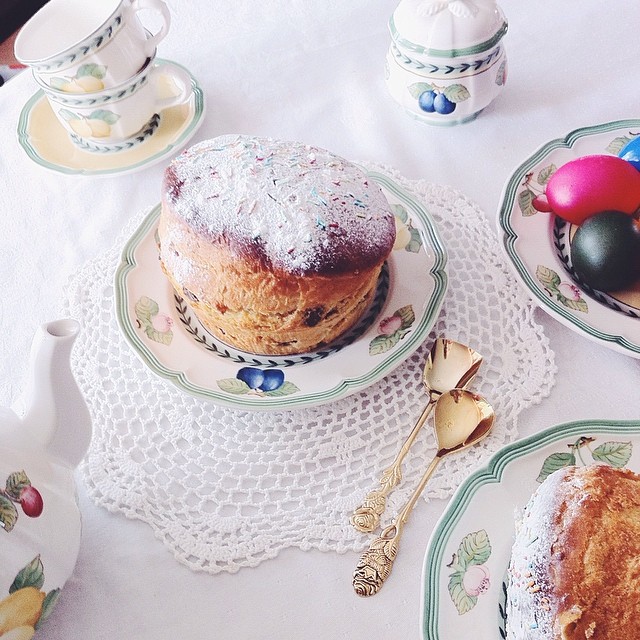
Svetlana Karner’s Food Photography: Appetite and Memory
Vienna-based photographer Svetlana Karner styles bright, nostalgic food images—plum cake included—where recipes feel like family stories.
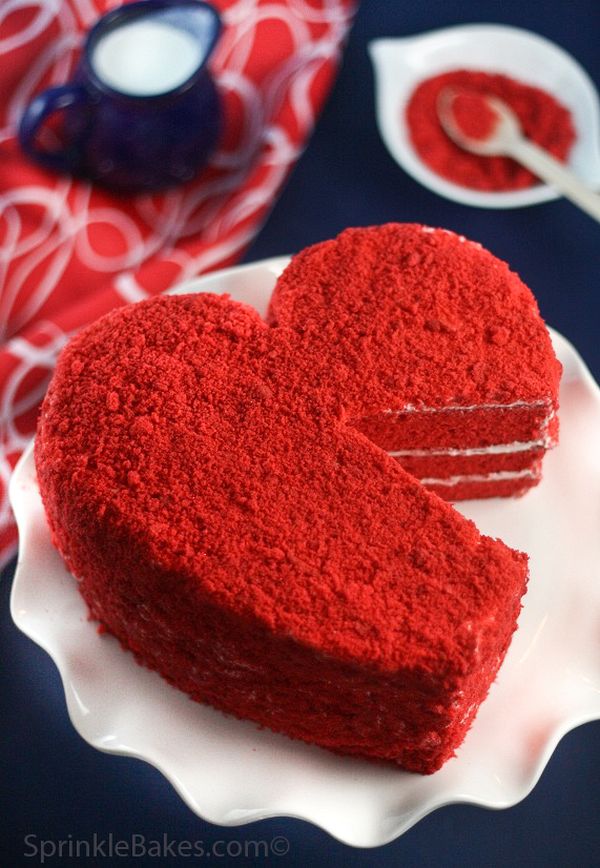
Inspirational Food Photography: Light, Styling, and Appetite
How to shoot food that looks truly edible—sidelight, hero hierarchy, angles, props, and timing—so your plates inspire hunger instead of looking staged.
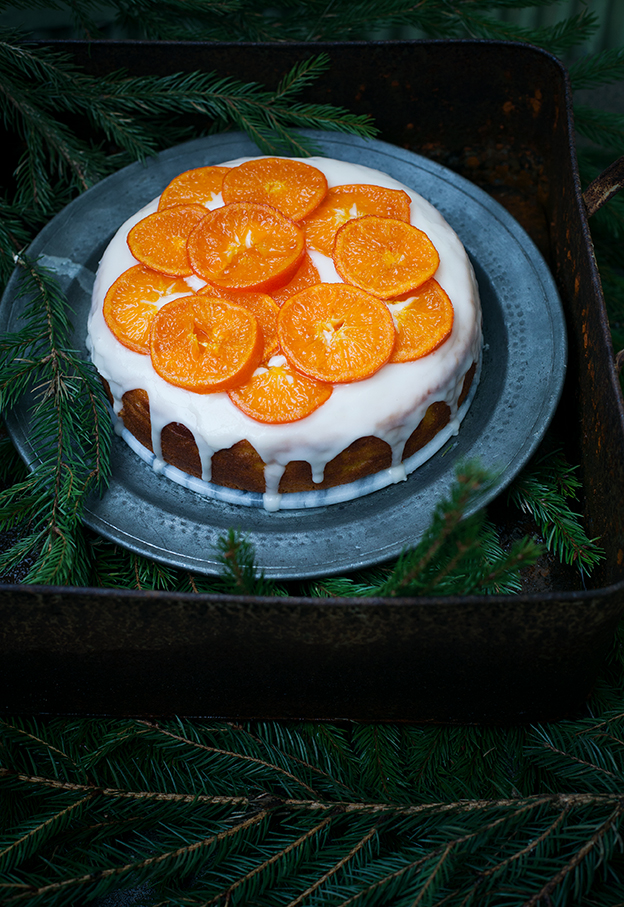
Call Me Cupcake: Linda Lomelino’s Food Photography and Sweet Still Lifes
Swedish baker-photographer Linda Lomelino’s Call Me Cupcake world—soft light, cupcakes and layer cakes, and still-life craft from blog to early cookbooks.