
Ottoman Designs That Work Hard: Footrest, Table, Storage, Style
An ottoman pouf can be footrest, coffee table, storage, and seating accent—here’s how shape, fabric, and scale make the multifunctional piece earn its floor space.
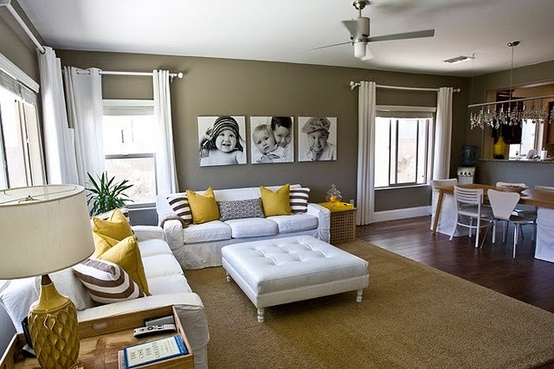
An ottoman looks modest until you start counting what it does. Footrest, improvised coffee table, extra seat, lid-top storage, and a color or texture accent that can reset a whole seating group—few pieces of furniture earn so many jobs per square foot. A well-chosen pouf or upholstered ottoman does not merely fill space between sofa and television. It tunes comfort, circulation, and style at once.
That is why ottoman design keeps returning in interiors conversations. The form is old enough to feel familiar and flexible enough to absorb new materials, shapes, and uses. Round or rectangular, tufted or clean-lined, leather, linen, wool, velvet, or patterned textile—the category is a toolkit rather than a single silhouette.
What an ottoman is for
At its simplest, an ottoman is a padded, usually legless or low-legged piece meant for resting feet or providing soft seating without a back. History stretches through Ottoman Empire court furniture into Western parlors and modern living rooms, where the name stuck even as styles changed. Today the word covers classic boxed ottomans, round poufs, storage chests with upholstered tops, and oversized cubes that act as coffee tables with a tray on top.
Multifunction is the practical selling point. End a long day with heels up. Drop a tray and serve coffee without dragging in another table. Hide throws, remotes, or board games under a hinged lid. Pull the piece toward a guest when you need a fifth seat. In small apartments especially, that elasticity matters more than another single-purpose accent chair.
Decoration is the emotional selling point. Because an ottoman sits in the visual center of many rooms—or at least in the foreground of a sofa vignette—it can carry pattern, contrast piping, nailhead trim, or a bold solid that the larger upholstery cannot risk. Changing an ottoman is often cheaper and faster than reupholstering a sofa, which makes it a smart place to experiment.
Shape, scale, and the path through the room
Shape decides how the piece behaves in circulation. A round pouf softens tight corners and is kinder to shins in narrow walkways. A rectangular ottoman aligns with sofa fronts and can visually extend a seating block into a more intentional conversation zone. Oversized squares work as coffee-table substitutes when you want soft edges and kid-friendly bumps instead of sharp wood corners.
Scale is where many rooms go wrong. An ottoman that is too tiny reads like an afterthought and fails as a tray surface. One that is too tall fights the sofa seat height and makes foot-resting awkward. As a rough guide, match seat height closely when the piece will double as overflow seating, and keep coffee-table ottomans a touch lower than sofa cushions so trays feel stable and legs tuck comfortably.
Leave walking lanes. Even a beautiful pouf becomes clutter if it blocks the natural line from doorway to window or from sofa to kitchen. Trace the paths people actually take, then place the ottoman where it serves without becoming an obstacle course. In open plans, a substantial ottoman can also act as a soft room divider—defining lounge territory without a hard console.
Materials that work hard
Upholstery choice should follow real life, not only mood boards. Performance fabrics and tightly woven textiles forgive daily feet and occasional spills. Leather and quality faux leather wipe clean and age into character, though they show scratches differently than cloth. Velvet looks lush in evening light but needs a household willing to brush and spot-clean. Natural fibers such as linen and wool breathe well and suit relaxed, layered rooms; they also wrinkle and pill according to their nature, which some people love and others do not.
Poufs filled with beads, foam, or mixed fills feel different underfoot. Dense foam holds a tray more honestly. Softer fills hug the ankles and look more informal. Storage ottomans add structure—wood or engineered frames under the cushion—so check lid hardware quality. A beautiful top with a weak hinge becomes daily frustration.
Color and pattern deserve a plan. If the sofa is busy, let the ottoman go quiet: solid, tonal, textured. If the sofa is a calm neutral, the ottoman can carry geometric pattern, stripe, or a saturated hue that pulls from artwork or a rug. Piping, contrast welting, and tufting are detailing tools. Tufting adds classic depth; clean box edges feel more contemporary; channeling or wrap stitching can bridge both moods.
Styling without turning it into a prop dump
An ottoman used as a coffee table wants a tray. The tray protects fabric, creates a hard landing for cups, and visually organizes books or a small plant. Keep the vignette editable. Two or three objects beat a permanent still life that makes the surface unusable. When feet need the whole top, the tray should lift away in one motion.
Layer textiles nearby rather than on top if you need the surface free: a folded throw on the sofa arm, a floor cushion beside a pouf for floor seating nights. In bedrooms, a bench-style ottoman at the foot of the bed holds a morning outfit or a spare quilt and softens the architecture of a large mattress. In entryways, a durable ottoman can be a shoe-on seat if the fabric and fill can take it—choose washable or wipeable covers when that is the job.
Pairs and clusters change the grammar. Twin poufs can flank a fireplace or slide under a console when not needed. A large central ottoman with two smaller ones nearby offers flexible seating for movie nights. Matching is optional. Related materials—same leather different sizes, or same fabric family in different shapes—often look more collected than identical twins.
DIY, custom, and the pleasure of a tailored fit
Ottomans are popular DIY and custom projects because the construction is relatively approachable compared with a sofa. A plywood box, foam, batting, and a stapled fabric wrap can become a storage cube. Recovering a thrifted ottoman updates color without buying new structure. Piping and a zipper cover raise the finish level. The design lesson inside those projects is measurement: foam density, seam placement, and fabric pattern matching decide whether the result looks handmade-charming or handmade-sorry.
Custom work shines when proportions are odd—bay windows, unusually deep sofas, or rooms that need a specific height for a favorite tray. Specifying legs or no legs, casters or static feet, and lid versus fixed top turns the ottoman into a precise tool. Casters help in multipurpose rooms; felt pads protect floors when you prefer to slide occasionally without scratching.
Sustainability angles are practical too. Recovering extends life. Choosing durable textiles delays landfill. Buying one excellent multifunctional piece can replace a cheap table plus a cheap stool plus a plastic storage bin. Good design here is not only silhouette; it is reduced object count with equal or better usefulness.
Choosing for your room, not for a catalog
Start with the primary job. If you need storage, prioritize lid quality and interior depth. If you need a footrest, prioritize height match and cushion give. If you need a table, prioritize a relatively flat, firm top and a tray strategy. If you need a style spark, prioritize textile and silhouette first, then confirm the piece still passes the comfort test with your actual sofa.
Test the room’s existing palette in daylight and evening light. An orange that looked lively in a store can shout at home; a gray that looked safe can go lifeless beside warm wood. Bring fabric swatches when you can. Notice rug pile height: a heavy ottoman on a thick shag may sit strangely or mark the pile. On hard floors, check that feet or base will not scar the finish.
Finally, allow the ottoman to remain movable furniture. The best designs invite slight seasonal shifts—closer for winter reading, centered for summer entertaining, tucked aside when a yoga mat or guest mattress needs the floor. Furniture that can change jobs without drama earns its keep in homes that actually get lived in.
A small piece with a long reach
Imagine an accessory that can be footrest, coffee table, storage, and seating accent without demanding a new room. That is the lasting appeal of the ottoman pouf and its upholstered cousins. Chosen with honest attention to scale, material, and daily path, it spices a decoration scheme while solving quiet logistics. The photograph above is one mood among many; the category is wider than any single fabric or shape.
Walk your living room once with empty hands and once with a coffee cup. Wherever you wish for a soft landing, a tray perch, or a hidden bin, that is where an ottoman is already arguing for its place. Listen to that argument. Then pick the design that can keep answering it for years—comfortably, usefully, and with enough style to make the room feel finished rather than merely furnished.

Comments
Continue reading
Garden Decoration Beyond Beds: Lace, Mosaiculture, and Upcycled Yard Art
From dressed topiary and floral cyclists to license-plate dragonflies and lace between trees—garden decorations that give a yard a voice.
Kitchen Design Ideas: Layout, Storage, Light, and Finishes That Work
Practical kitchen design ideas—work zones, cabinetry, lighting, and durable finishes—so inspiration translates into rooms that cook and gather well.
25 Cool Room Partition Ideas That Actually Divide Space
From frosted sliders and pallet screens to book towers and branch walls—twenty-five ways to carve rooms without building solid walls.