
Irina Shayk for Alessandro Angelozzi Couture 2013: A Fashion Editorial Archive
A historical look at Irina Shayk in Alessandro Angelozzi’s Couture 2013 campaign—bridal white, champagne, and red evening glamour from the early-2010s lookbook.
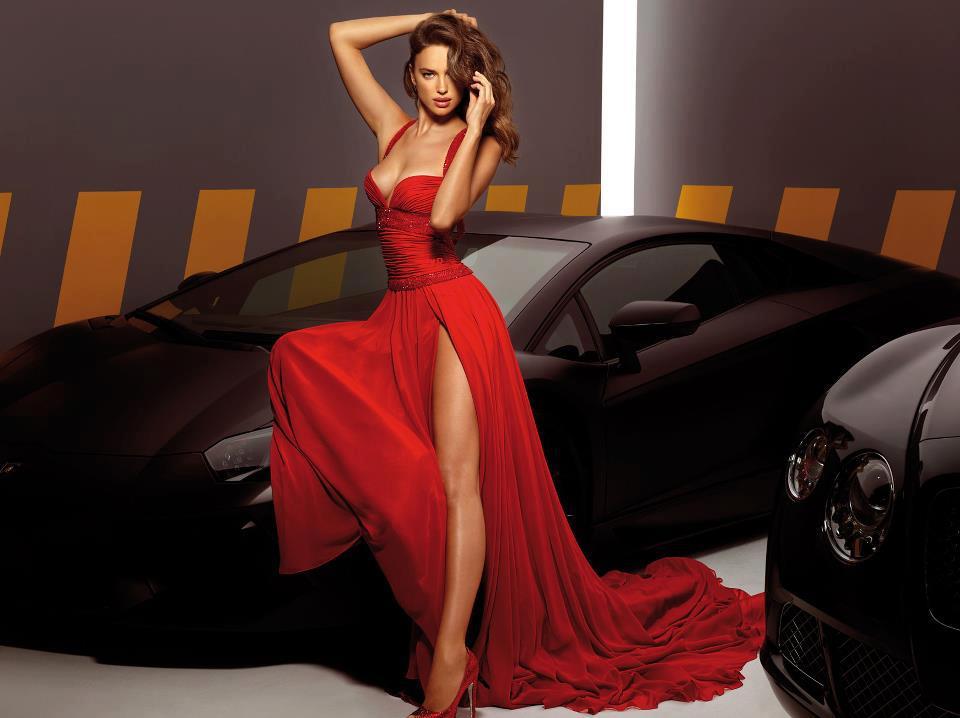
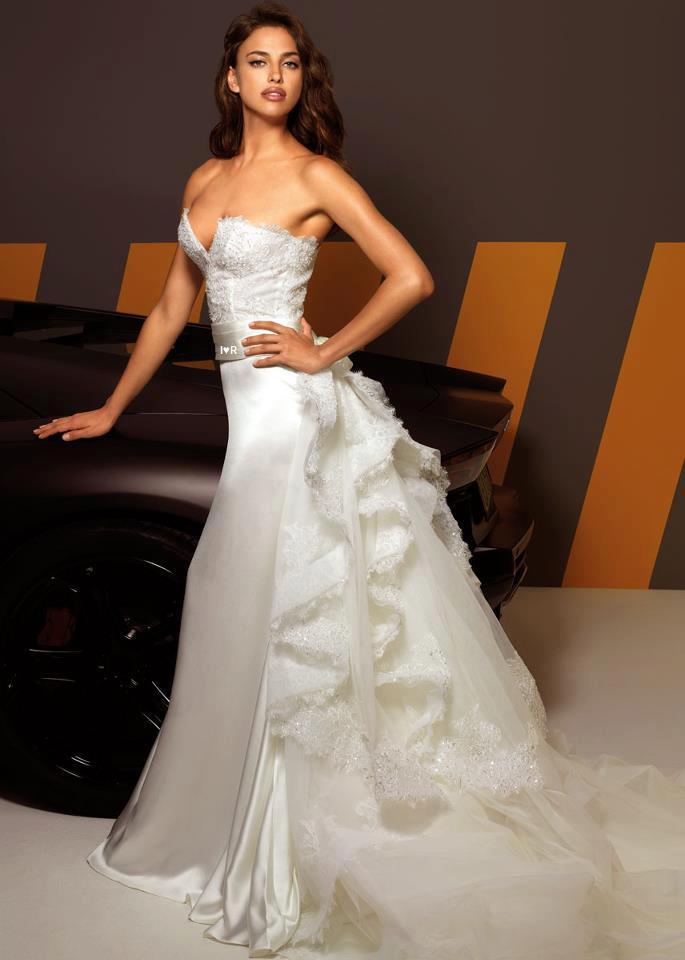
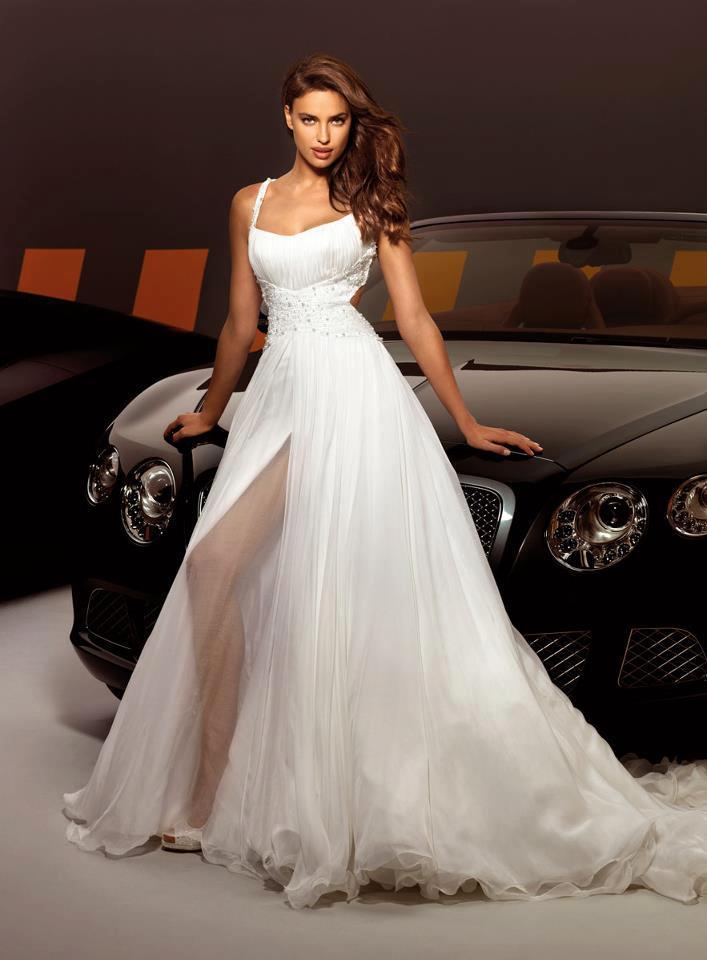
In late 2012, fashion media circulated a polished campaign pairing Russian model Irina Shayk with Italian designer Alessandro Angelozzi’s Couture 2013 collection. The images—bridal white beside champagne tones and a signature streak of red—arrived as a lookbook-style editorial rather than runway reportage. They captured a moment when Shayk, already widely known from swim and commercial work, was also being cast in more formal couture storytelling.
This page gathers photographs from that Alessandro Angelozzi Couture 2013 presentation with Irina Shayk. Read it as a historical fashion editorial: a fixed campaign from the early 2010s, not a breaking news drop and not a current-season alert. The clothes, the casting, and the styling belong to that year’s fantasy of ultra-feminine bridal and evening wear. What remains useful now is the silhouette library and the way a global model translated atelier clothes for mass-media desire.
A 2013 couture casting, fixed in time
Alessandro Angelozzi’s house was associated with Italian bridal and evening couture—gowns built from silk, tulle, chiffon, and lace, often with dramatic volume or body-conscious evening lines. For the 2013 collection, Irina Shayk became a visible testimonial face in European coverage dated around November 2012, as bridal and spring calendars traditionally previewed ahead of the numbered year. That calendar lag is ordinary fashion timing; it is also why the campaign should be read as period material rather than “just out.”
Casting Shayk made commercial sense. She brought global recognition and a camera presence that could carry both ceremonial white and high-glamour red without looking like two different models. Contemporary write-ups framed the shoot as an Italian bridal fantasy: traditional white rendered in soft fabrics, then interrupted by champagne hues and evening pieces that loosened the “bride only” reading of the book. The fantasy was deliberate. Couture bridal imagery rarely documents a real wedding; it sells an elevated version of celebration.
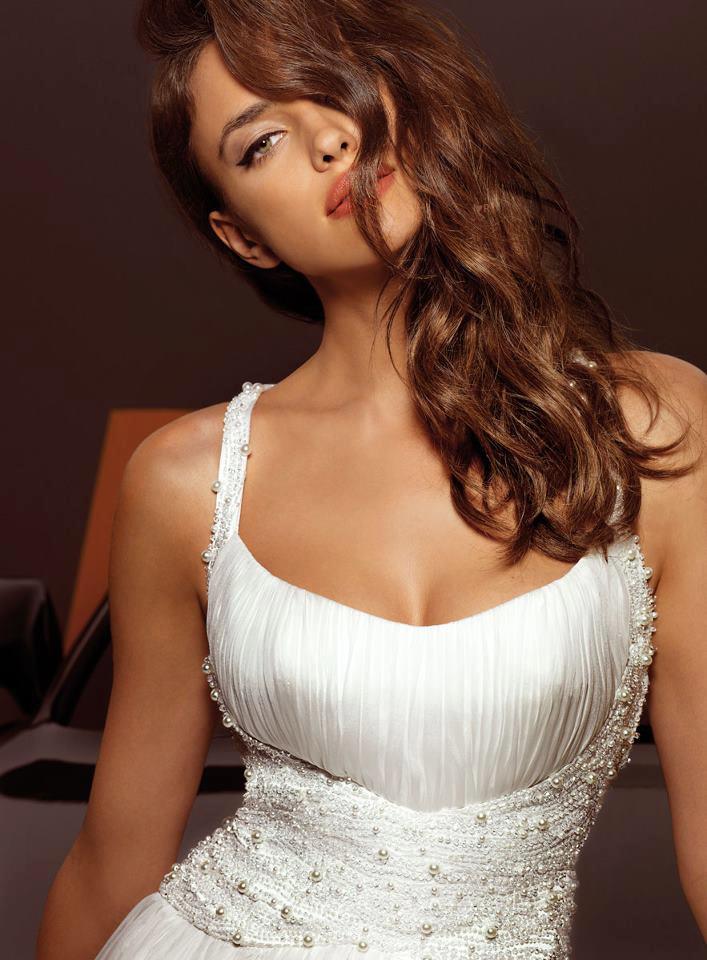
Angelozzi had previously worked with other recognizable faces for couture imagery. Shayk’s turn fits that pattern—high-visibility modeling used to translate atelier clothes into clickable desire across entertainment and fashion sites. The photographs emphasize pose, fabric movement, and close attention to necklines and waists more than documentary context. That is campaign language: the dress is the subject; the model is the amplifier. Backgrounds and props stay secondary so the gown’s architecture can dominate the rectangle.
Bridal fantasy and evening heat
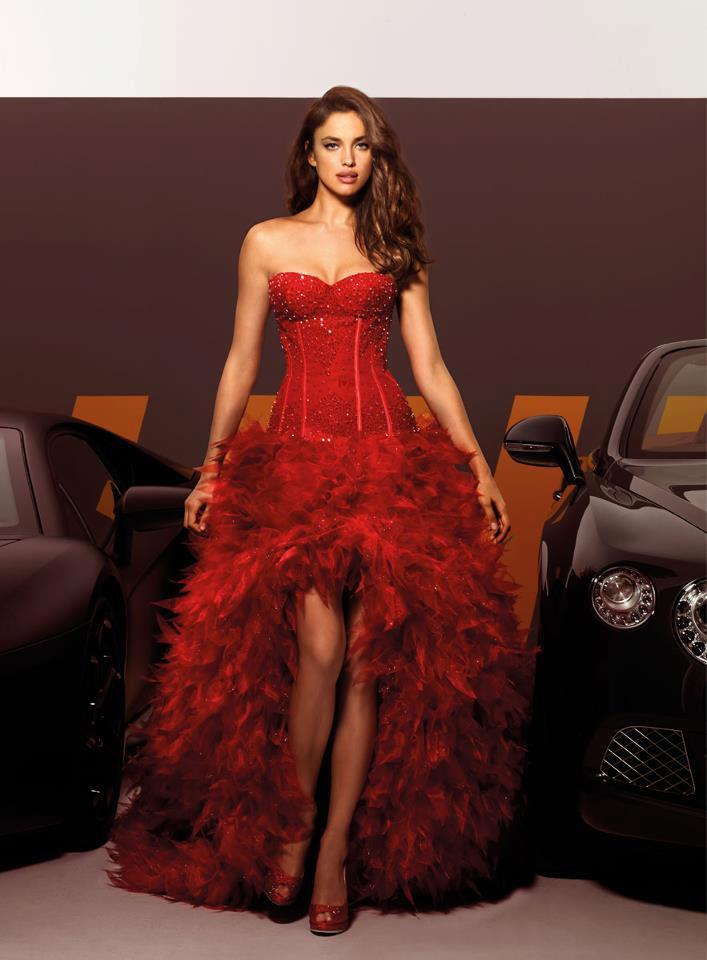
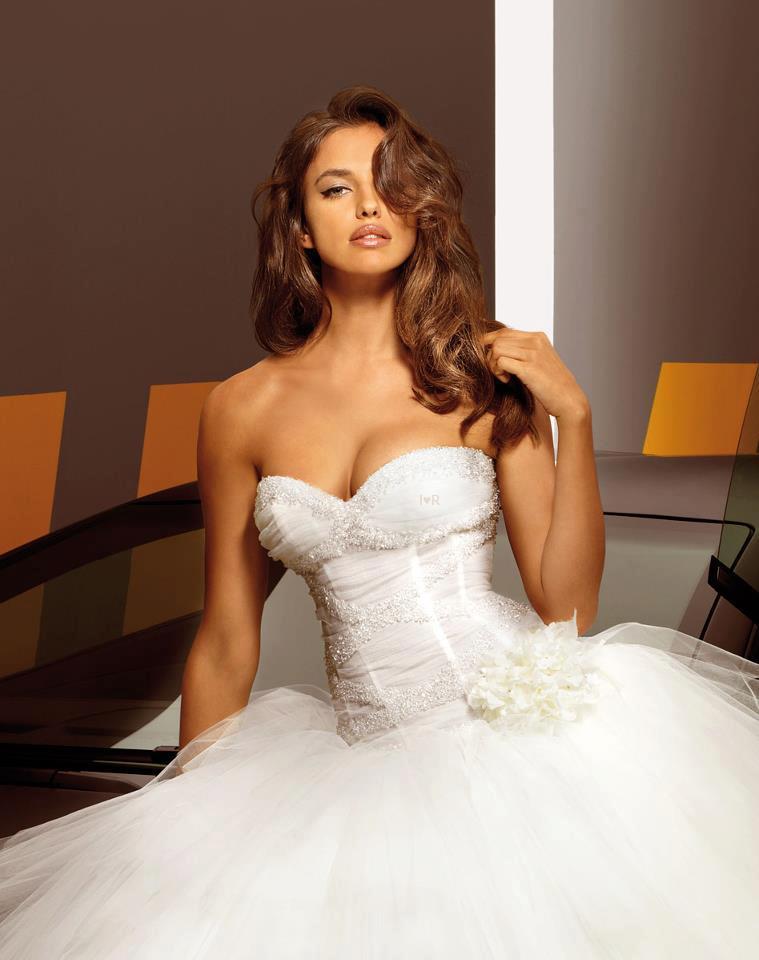
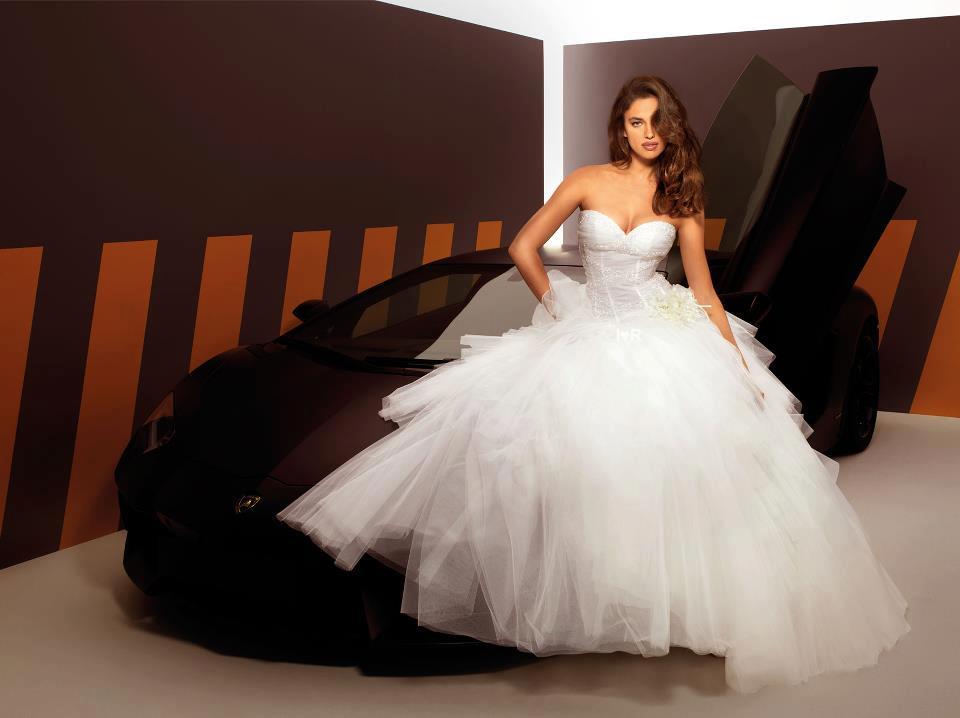
The collection, as presented through these images, splits into related moods. Bridal looks lean into tulle, gauze, and silk in white or soft champagne, with silhouettes that play with volume—skirts that bloom, bodices that frame the torso, details that read romantic even when cuts are revealing. Evening looks tighten the story: cleaner lines, deeper color, and at least one memorable red gown that fashion pages singled out as a fiery counterpoint to the whites. The palette strategy is simple and effective: continuity in pale tones, then a chromatic reset.
That red-and-white dialogue matters. Pure bridal campaigns can feel monochrome; introducing evening color tells buyers the house dresses the whole celebratory arc—ceremony, reception, related formal nights. Shayk’s ease in both registers keeps the book cohesive. She does not switch personas so much as adjust temperature: cooler and ethereal in white, warmer and assertive in red. Hand placement and chin angles change with the cloth; heavy skirts ask for a different balance than columnar evening dresses.
Hair and makeup in the set follow early-2010s glamour conventions—polished skin, defined eyes, controlled waves or sleek finishes depending on the gown. Jewelry and styling accessories stay secondary to fabric. The camera favors full-length reads for silhouette and closer frames for face-and-neckline salesmanship. Nothing here pretends to be street style; it is studio or controlled-location couture theater, lit to flatter both face and textile sheen. Retouching taste of the period softens and smooths in ways that themselves date the images for careful viewers.
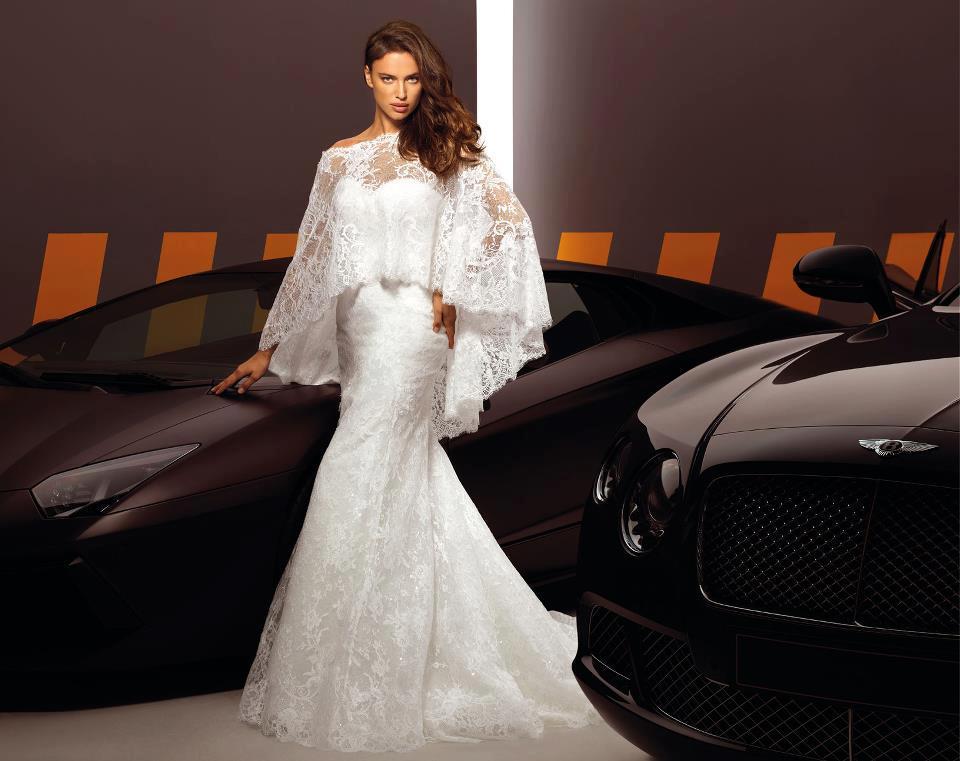
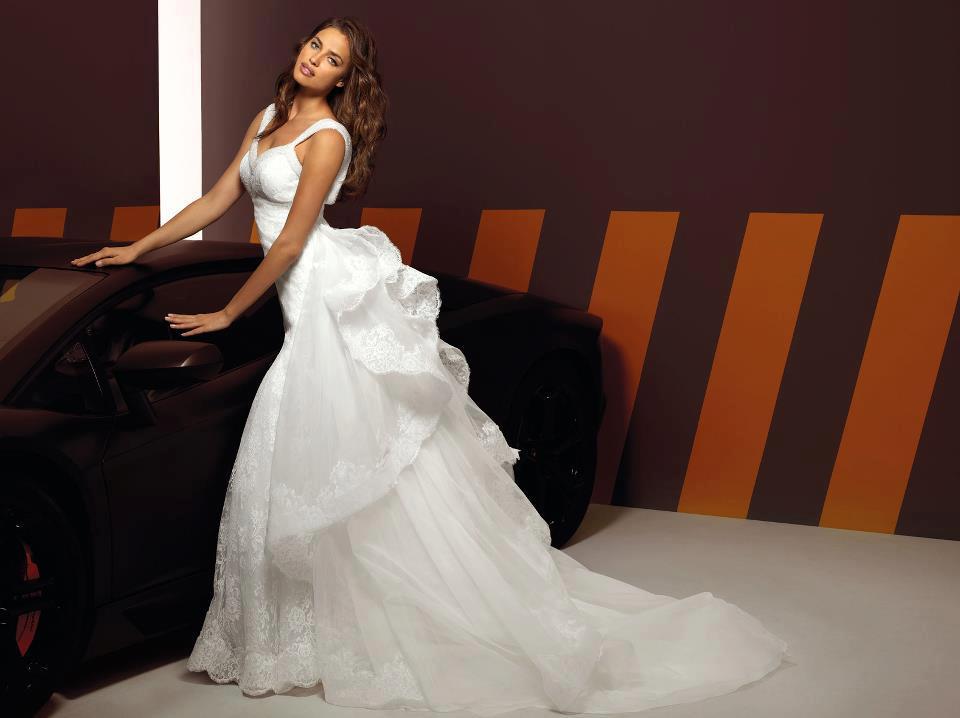
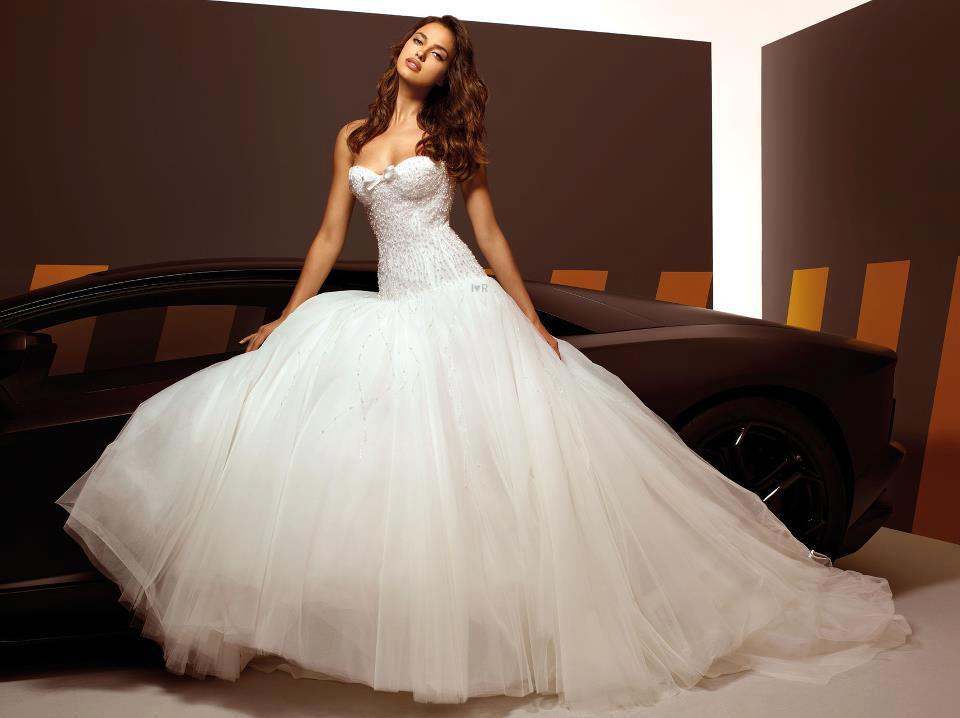
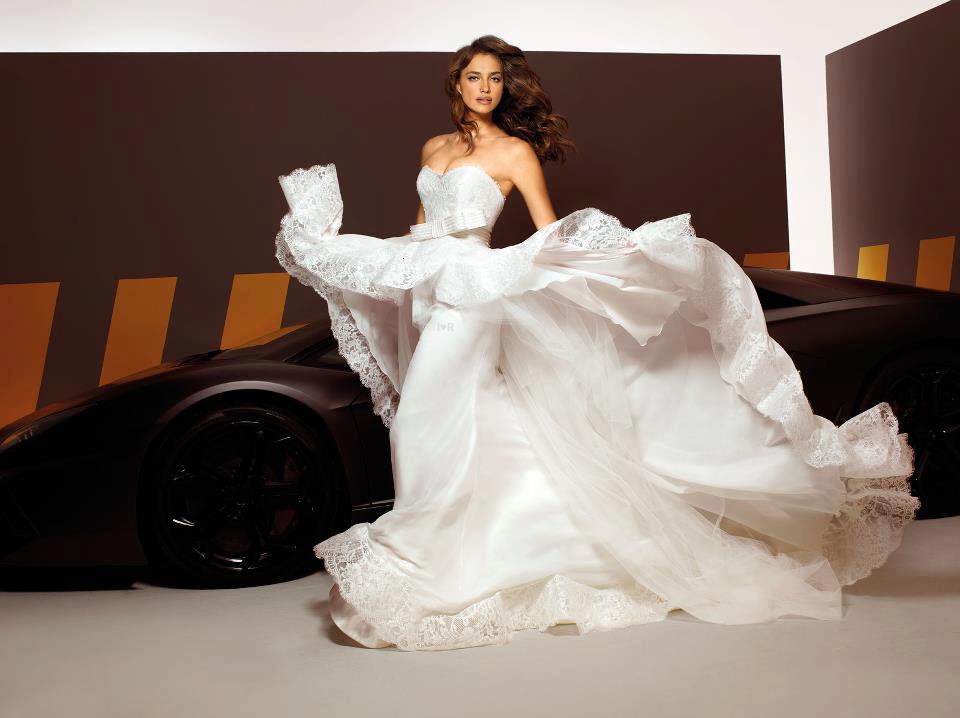
Irina Shayk’s early-2010s fashion position
By 2012–2013, Irina Shayk was far past newcomer status. Swim covers and commercial campaigns had made her face familiar worldwide; fashion magazines and runways were expanding how audiences saw her range. An Italian couture bridal book sat alongside that trajectory: proof that the same model could sell athletic glamour one month and atelier romance the next. For houses seeking international reach, that crossover recognition was precisely the point of the casting.
Tabloid noise around her personal life trailed many captions at the time. The more useful fashion reading ignores gossip and watches craft—how she holds posture in heavy skirts, how she turns a plunging neckline into elegance instead of accident, how she keeps eye contact with the lens in a way that suits advertising stills. Campaign modeling is a specific skill distinct from runway walk or candid red-carpet presence. These frames show that skill applied to Angelozzi’s silhouettes with professional consistency across looks.
Historically, the set also marks a media habit of the era: model-as-bride fantasies circulated quickly through entertainment and fashion sites, often with breathless headlines that treated a lookbook like breaking society news. Distance helps. Seen now, the photographs are simply a couture lookbook preserved from that cycle—valuable as styling reference and as a dated snapshot of how bridal houses courted attention with celebrity-adjacent faces. The urgency of 2012 coverage does not need to be replayed; the garments and poses still repay slow looking.
What to study in the frames
If you are here for design ideas rather than celebrity archaeology, treat the gallery like a silhouette library:
- Volume vs. column: Which gowns expand into space, and which stay narrow to emphasize height?
- Fabric behavior: Tulle softens edges; silk throws specular highlights; lace adds pattern without changing color families.
- Color strategy: White and champagne build bridal continuity; red punctuates the book so the eye resets.
- Pose grammar: Hand placement, chin angle, and weight shift sell structure as much as the pattern pieces do.
- Era tells: Retouching taste, makeup density, and glamour lighting anchor the images in early-2010s campaign aesthetics.
Those notes remain useful for stylists, students, and anyone reconstructing period mood boards. Trends move on; archived campaigns keep their internal logic. Compare two white looks side by side and you will see how neckline geometry alone can change the entire emotional temperature of a bridal image. Compare a white look to the red and you will see how color does narrative work that pattern alone cannot.
Bridal couture as media object
Couture bridal imagery has always done double duty—selling dresses to a small clientele while feeding a larger audience’s appetite for transformation fantasy. The Irina Shayk / Alessandro Angelozzi Couture 2013 pictures sit squarely in that tradition. They are not documentary photographs of a wedding. They are constructed desire: atelier craft, model charisma, and seasonal storytelling locked together for the camera. That construction is not a flaw; it is the genre.
Viewed with historical framing, the set needs no update cycle and no “just released” urgency. It is a completed chapter of early-2010s fashion media—Irina Shayk in Angelozzi’s white, champagne, and red vocabulary—still worth studying for how a couture house and a global model briefly shared one polished fiction. Keep the date in mind, keep the gossip out of the way, and the dresses do the talking they were built to do.

Comments
Continue reading

Funny Animal Signs That Warn People (While Animals Ignore Them)
From a seagull on a no-birds disc to classic zoo and park ironies—why animal warning signs get funny, and what the rules are still for.
How to Find Local Amenities on Vacation: Mechanics, Haircuts & More
Locate trustworthy local services and everyday spots while traveling or settling in—using publications, reviews, map apps, neighbor tips, and low-pressure exploration.
Kristen Stewart for V Magazine, Spring Preview 2013
V81’s Wild at Heart cover story—Kristen Stewart shot by Inez & Vinoodh, styled by Joe McKenna, in pale minimal spring glamour.