
Timeless Beauty: Ava Gardner’s Classic Hollywood Glamour
Ava Gardner in respectful glamour framing—studio light, screen presence, and mid-century allure—distinct from Hepburn’s elegance-icon archive.
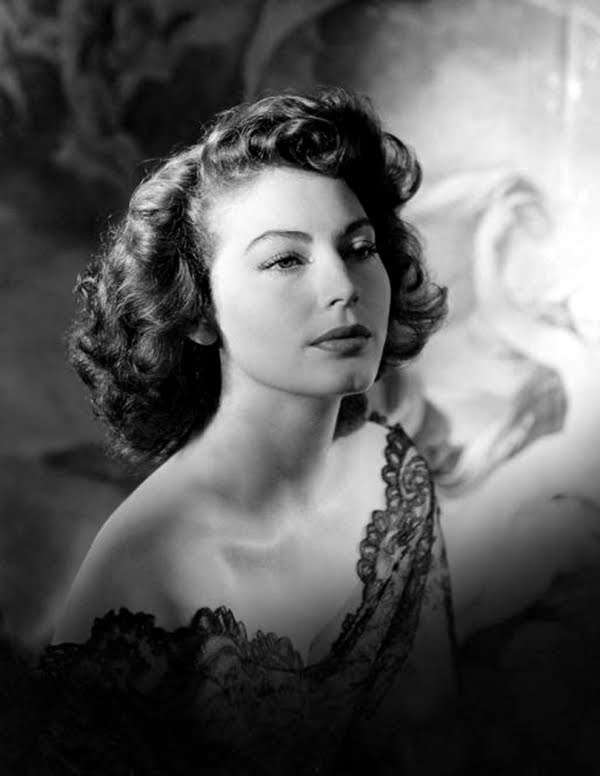
Ava Gardner’s beauty belonged to night air and studio smoke—the kind of face that made classic Hollywood look expensive even in a simple blouse. She is remembered less as a fashion-diagram icon than as glamour itself: dark hair, frank mouth, eyes that could turn a still into a dare. These photographs keep that charge without turning her life into tabloid reruns. The subject here is screen presence and mid-century allure—how lighting, pose, and presence built a star who still reads as magnetic in silence.
People reach for weather metaphors around Gardner—heat, fogged windows, nights that run long—because her image suggests appetite and atmosphere. The respectful way to honor that is to talk about craft: how MGM-era portraiture sculpted cheekbones with key light, how a slight turn of the shoulder sold sensuality without needing a scandal caption, how her North Carolina roots and Hollywood ascent shaped a persona that felt both earthy and untouchable.
Glamour as studio language
Classic Hollywood glamour is a technical dialect. Soft focus at the edges. Catchlights placed like jewelry. Shadows that deepen the eyes. Hair treated as sculpture. Gardner’s portraits excel in that dialect. Where Audrey Hepburn’s enduring brand is daylight elegance and couture line, Gardner’s is nocturnal voltage—beauty that seems to have arrived from a club, a casino set, or a balcony after midnight.
That difference matters for anyone browsing “timeless beauty” galleries. Hepburn teaches editing and silhouette. Gardner teaches glow and gravity. One archive rewards clean necks and ballet posture; the other rewards the slow look, the parted lips, the sense that the frame has temperature. Mixing the two into one generic “old Hollywood pretty” folder erases what made each woman distinct on a lobby card.
Gardner’s career titles sketch the myth without needing gossip columns: The Killers, Mogambo, The Barefoot Contessa, later dramatic turns that used her authority as much as her face. On screen she could play danger and wounded pride; in stills, photographers often chased a simpler assignment—make desire look inevitable. The best frames do it with restraint: a gown’s strap, a cigarette held like punctuation, a gaze that declines to giggle for the camera.
Face, light, and the mid-century close-up
Before color saturation became the default fantasy, black-and-white (and carefully graded color) close-ups carried star power. Gardner’s features were built for that economy. Strong brows. A mouth that photographed as a decision. Skin that took light like satin. In an era when studios managed image tightly, a face like hers was capital: reproducible on posters, recognizable at a distance, flexible enough for both siren roles and weary romantic dramas.
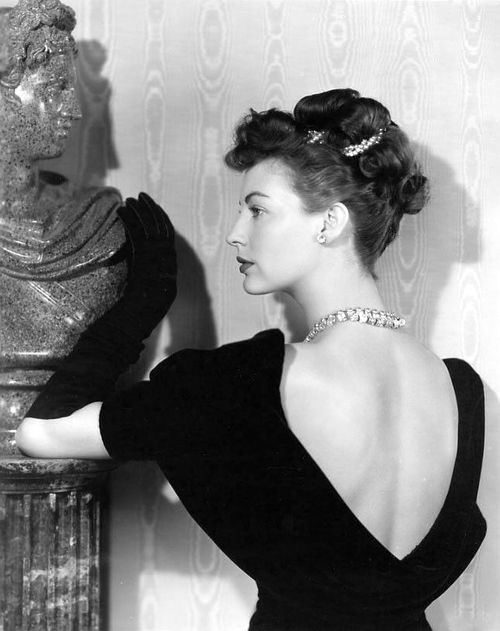
Watch the shoulders in strong Gardner portraits. They often set the emotional key—open and inviting, or angled into mystery. Hands appear less as nervous fidget and more as compositional weights. The glamour code of the 1940s and 1950s loved a controlled languor: the star is at ease; the viewer is the one unsettled. Hepburn’s ease looks like poised wit. Gardner’s ease looks like knowing something the room has not admitted yet.
Costume in her iconography tends toward richness—deep tones, sheen, jewelry that catches a rim light—without always requiring avant-garde cutting. Glamour here is less about inventing a new hemline than about inhabiting luxury as if it were weather. Designers and stylists framed her; she supplied the voltage. That collaboration is easy to flatten into “she was just beautiful.” The photographs argue otherwise: beauty is being directed, held, and returned to the lens with intention.
Reputation without the scrapbook of rumors
Gardner’s private life was public property in the gossip press—marriages, breakups, expatriate years in Europe, friendships and feuds that filled columns. A modern gallery can acknowledge that she lived vividly without rehearsing every headline. What endures for image culture is narrower and fairer: she remains a reference for classic sex appeal that does not depend on contemporary influencer tricks. No ring light tutorial replaces how a carbon-arc key once carved a cheekbone.
Biographical respect also means allowing complication. She was a working actress navigating studio contracts, typecasting pressures, and the narrow lane Hollywood offered women who looked like temptation. Roles could celebrate that allure or punish it. Portrait sittings, by contrast, often froze the allure at its most generous—beauty as craft product, not moral lesson. Looking at those sittings today is a way to study lighting history and star mythology at once.
If you are a photographer, Gardner’s archive is a lighting workbook. Notice how shadows gather under the cheek and along the collarbone. Notice whether the background falls to velvet dark or stays softly alive. Notice the ratio between skin highlight and hair sheen. Try recreating the mood with modern LEDs and you will learn quickly how much of “Old Hollywood” was smoke, diffusion, and patience—not only genetics.
If you are a stylist or designer, study the relationship between neckline and face. Gardner’s strongest images rarely fight her features with busy pattern at the throat. The garment frames; the face finishes. Jewelry appears as accents, not camouflage. Hair volume balances shoulder lines. These are practical notes you can steal for contemporary editorials that want vintage voltage without costume-party parody.
Why she still holds the frame
Trends revive “clean girl” minimalism and then swing back toward glam. Gardner waits at the glam end with receipts. She proves that timelessness is not only about neutral wardrobes and ballet flats. Sometimes timelessness is a specific voltage—an agreement between face, light, and cultural memory that this is what movie desire looked like when cinema was the main fantasy machine.
Pair her intentionally. A Hepburn moodboard for day tailoring and witty restraint. A Gardner moodboard for evening, for satin, for portraits that need heat. Keep Madonna’s pop-reinvention archive in a third folder if you are building a longer beauty timeline; her game is metamorphosis and media control, not MGM glamour grammar. Separate folders keep lessons sharp.
Return to the first photograph in this set when you finish. Ask what the light is doing, what the mouth is doing, what the shoulders allow. If you can answer those three without a rumor attached, you are seeing Ava Gardner the way the best stills ask to be seen—as classic Hollywood glamour held in place by craft, still warm enough, decades later, to fog the metaphorical window and make sunrise easy to miss.

Comments
Continue reading
Rita Hayworth: Golden Age Glamour in Still Light
Rita Hayworth through Hollywood’s Golden Age craft—dance partnerships, wartime pin-up fame, Gilda’s noir elegance, and how to read studio portrait lighting.
Sophia Loren: Italian Cinema Elegance
Sophia Loren’s Mediterranean elegance—from Naples roots and De Sica’s Two Women to Mastroianni comedies—and how to browse her portraits as Italian screen style.

Funny Animal Signs That Warn People (While Animals Ignore Them)
From a seagull on a no-birds disc to classic zoo and park ironies—why animal warning signs get funny, and what the rules are still for.