
Marilyn Monroe: The Iconography of a Face
How Marilyn Monroe’s platinum silhouette became a portable cultural image—studio craft, film shorthand, Warhol’s grids, and how to read the photographs as iconography.
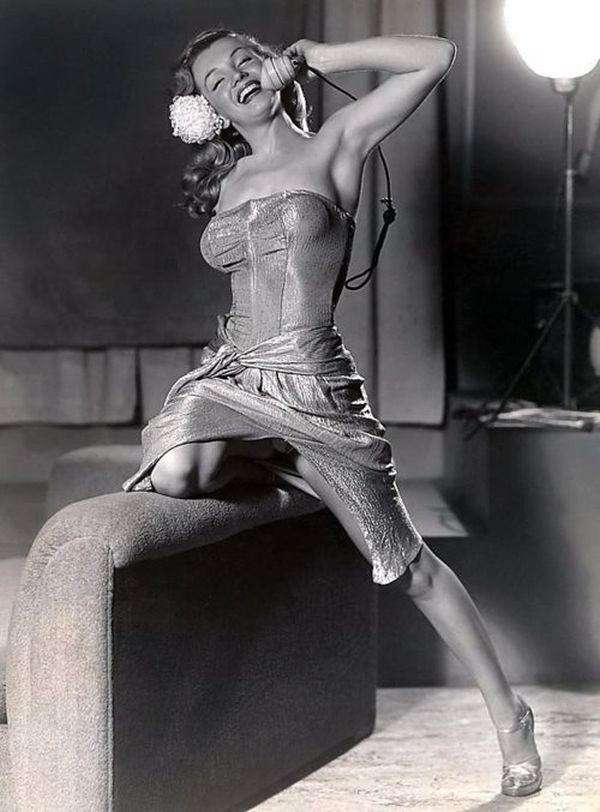
Marilyn Monroe is less a single face than a set of reusable signs. Platinum hair, a half-open mouth, a white dress fighting an updraft, a beauty mark that reads like punctuation—once you know the vocabulary, you can spot the idea of her on posters, memes, Halloween wigs, and subway ads without needing a caption. This gallery sits inside that larger story: how a mid-century actress became one of the most portable cultural images of the twentieth century.
From Norma Jeane to a public emblem
Born Norma Jeane Mortenson in 1926, Monroe’s early life was marked by foster homes and factory work before modeling and bit parts opened Hollywood’s door. The name change, the hair dye, and the studio coaching were never merely cosmetic; they were tools for building a character the public could recognize at a glance. By the early 1950s she was already circulating as something larger than any one role—an emblem of postwar American fantasy about glamour, sex, and vulnerability staged for the camera.
That emblem worked because it was specific. The blonde was not generic; it was platinum, almost white under flash. The smile could tip into comedy without losing heat. The body language mixed invitation with a slight awkwardness that made desire feel human rather than polished marble. Audiences read those cues as “Marilyn” even when the film changed, and still photographers learned to chase the same signals.
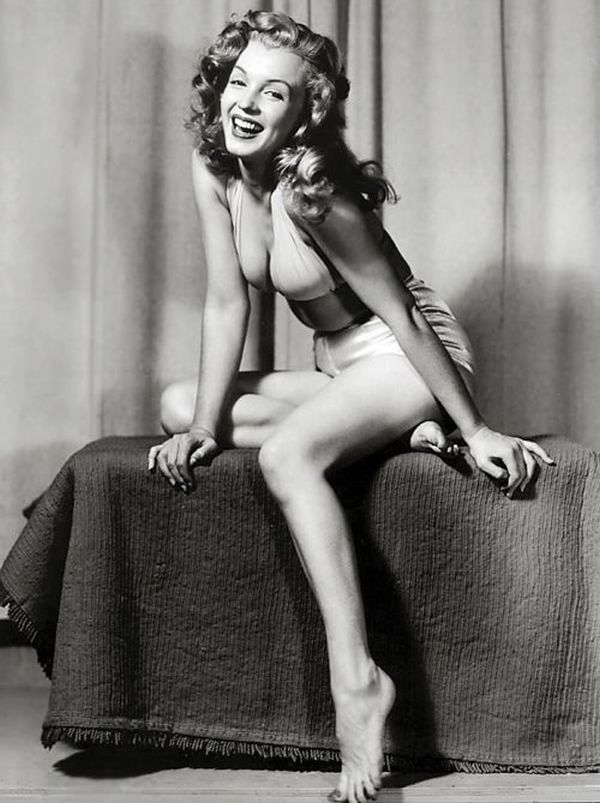
The image machine that made an icon
Monroe’s career coincided with a dense media ecology: studio publicity stills, magazine covers, newsreels, and later television clips. Photographers such as Milton Greene, Eve Arnold, and Bert Stern (among many others) helped fix versions of her that could travel independently of the movies. A still could outlast a box-office week; a calendar could outlive a contract dispute. The more the image circulated, the more the person and the brand intertwined until separating them became a cultural habit rather than a research task.
Film roles sharpened the silhouette. Gentlemen Prefer Blondes (1953) and The Seven Year Itch (1955) supplied scenes that still function as shorthand—diamonds, subway breeze, comic timing wrapped in spectacle. Some Like It Hot (1959) added another layer: Monroe as both object of desire and participant in farce, a combination that kept the icon from freezing into pure pin-up. Comedy mattered. It made the image feel alive, which is why later copies so often try (and fail) to imitate the laugh as much as the lipstick.
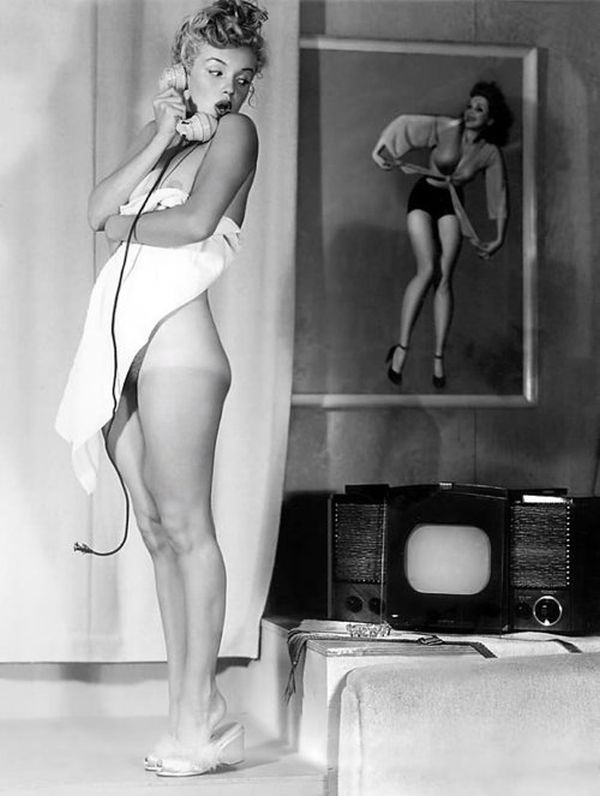
Why the silhouette outlived the star
Monroe died in 1962 at thirty-six. The abrupt ending did not shrink the image; it accelerated its detachment from biography. Within months Andy Warhol began serializing her face into Pop Art grids—color shifts, repetition, the face as industrial product. Those canvases taught a new generation that “Marilyn” could be a graphic unit, like a logo. Once art history ratified the face as modern myth, fashion, advertising, and fan culture had a ready-made template.
Iconography thrives on reduction. You do not need the full filmography to recognize the white halter dress, the arched brows, or the breathy vocal cadence people parody. Reduction is also why the image can feel both intimate and distant: intimate because the signs are familiar, distant because the living person is no longer available to complicate them. Every generation inherits a slightly different Marilyn—sex symbol, tragic muse, feminist case study, camp reference—without the underlying silhouette disappearing.
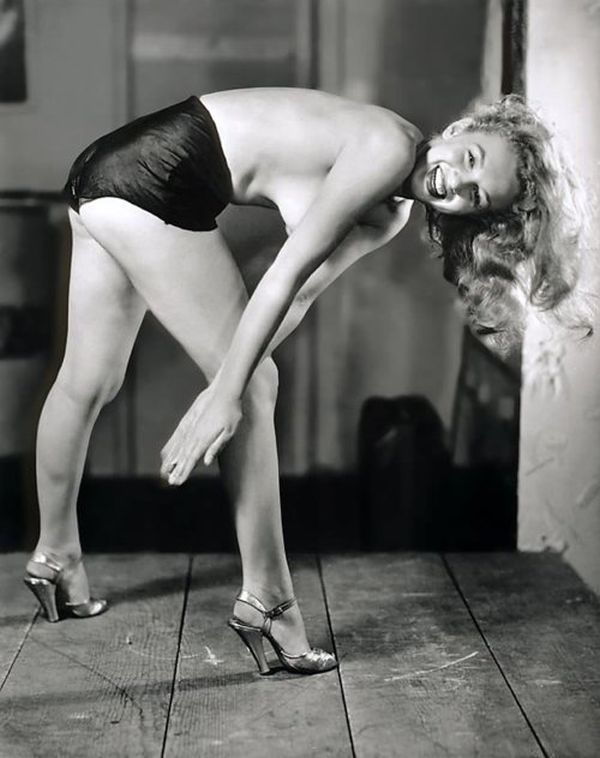
Reading these photographs
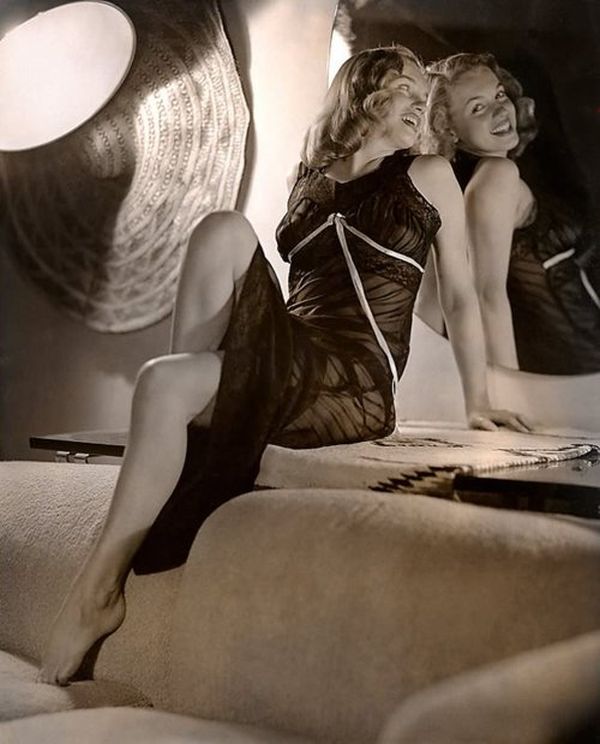
The portraits collected here reward a slower look than the meme versions allow. Notice how lighting builds cheekbones and softens edges; how curls are arranged to catch flash; how a tilted chin can change the entire emotional temperature. Studio glamour of the 1950s was craft as much as charisma. Makeup, hair, wardrobe, and the photographer’s timing collaborated to produce an image that could survive cheap reprinting.
Also notice what the photographs omit. They rarely show the labor of becoming Marilyn—the early mornings, the retakes, the anxiety about typecasting. Iconography edits for clarity. That is not a reason to reject the pictures; it is a reason to remember that every “timeless” beauty image is also a historical object made under specific industrial conditions.
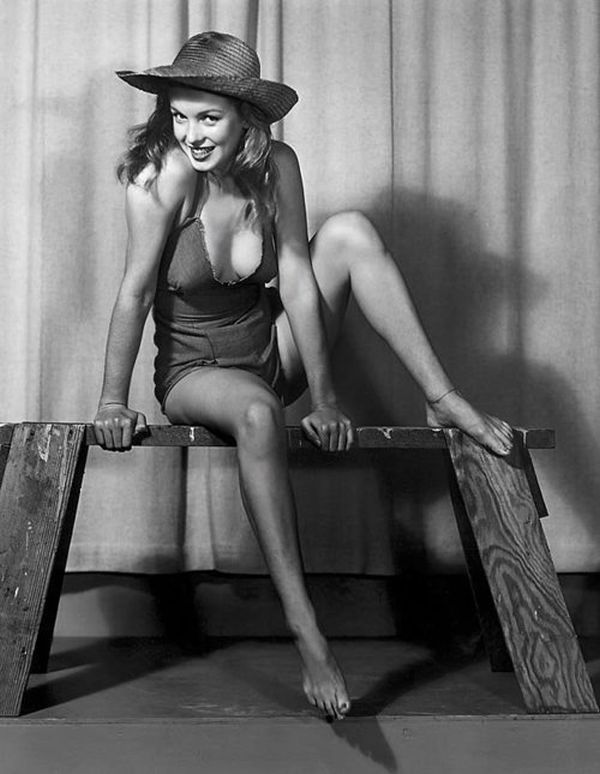
Monroe as cultural grammar
Part of Monroe’s afterlife is linguistic. People say “Marilyn” when they mean a certain blonde fantasy, the way they say “Elvis” for a certain rock swagger. That shorthand appears in drag performances, perfume ads, and political cartoons. It also appears in debates about consent and ownership of a woman’s image—questions that intensify whenever private or early nude photographs resurface without her control. The icon is not only celebrated; it is contested, which keeps it active.
Compare that cultural job with other mid-century stars and the difference becomes clear. Some actresses survive mainly through film history. Monroe survives through visual citation. You can know almost nothing about her Oscars nominations or production companies and still feel you “know” her because you have absorbed the signs. That is iconography’s power and its risk: it can flatten a complicated life into a stencil.
What to look for in this set
Use these frames as a small field guide to the Monroe look rather than a biography. Ask, in each picture:
- Where does the light create the “glow” associated with her public face?
- How much of the expression is soft invitation, and how much is performance for the lens?
- Which details—hairline, lipstick edge, jewelry—would survive if the photo were reduced to a logo?
- What mood remains if you crop away everything except eyes and mouth?
Those questions turn browsing into a study of how celebrity images are engineered. They also explain why black-and-white prints of Monroe still feel contemporary: contrast and silhouette travel better across decades than period color trends.
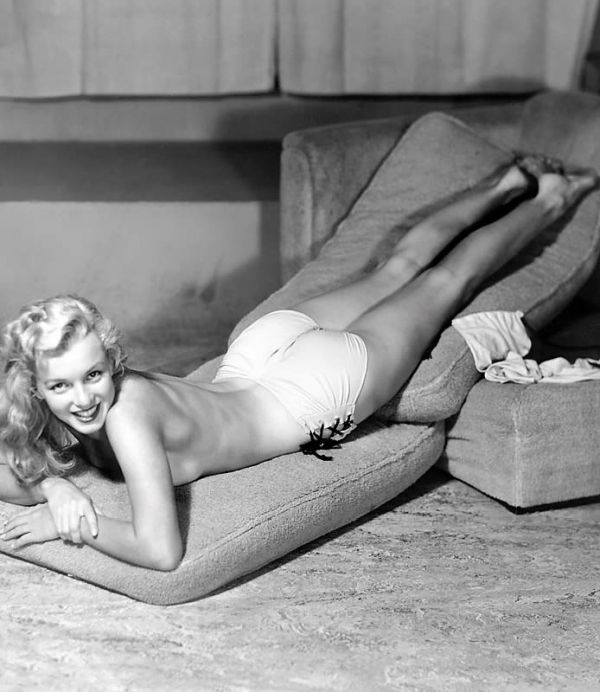
The unfinished bargain
Monroe’s films remain watchable; her interviews still surprise people who expect only the breathy stereotype. Yet the cultural default remains the icon—the face that can be painted, printed, and worn. That bargain is unfinished because each new medium remakes her again: Warhol’s silkscreens, then music videos, then social-media filters that sell “blonde bombshell” as a preset.
Looking at still photographs is one way to interrupt the autopilot. In a quiet portrait, the stencil loosens. You see craft, timing, and a person negotiating the camera. The icon does not vanish; it simply shares the frame with evidence of how it was made. Whether that evidence makes her more human or more mythic depends on the viewer—and that open question is why the image keeps circulating.

Comments
Continue reading
Timeless Beauty: Audrey Hepburn’s Style and Elegance
A photo essay on Audrey Hepburn as a fashion elegance icon—Givenchy lines, ballet posture, and daylight clarity—rather than gossip or bombshell myth.
Timeless Beauty: Madonna in Black and White
A black-and-white Madonna photo essay on reinvention, gaze, and pop-image control—metamorphic beauty distinct from Golden Age glamour archives.

Dramatic Photo Art by Sukron Ma’mun (Ipoenk Graphic)
Cirebon, Indonesia photographer Sukron Ma’mun uses theatrical natural light to frame village life, play, and place in lyrical photo art.