
Timeless Beauty: Audrey Hepburn’s Style and Elegance
A photo essay on Audrey Hepburn as a fashion elegance icon—Givenchy lines, ballet posture, and daylight clarity—rather than gossip or bombshell myth.
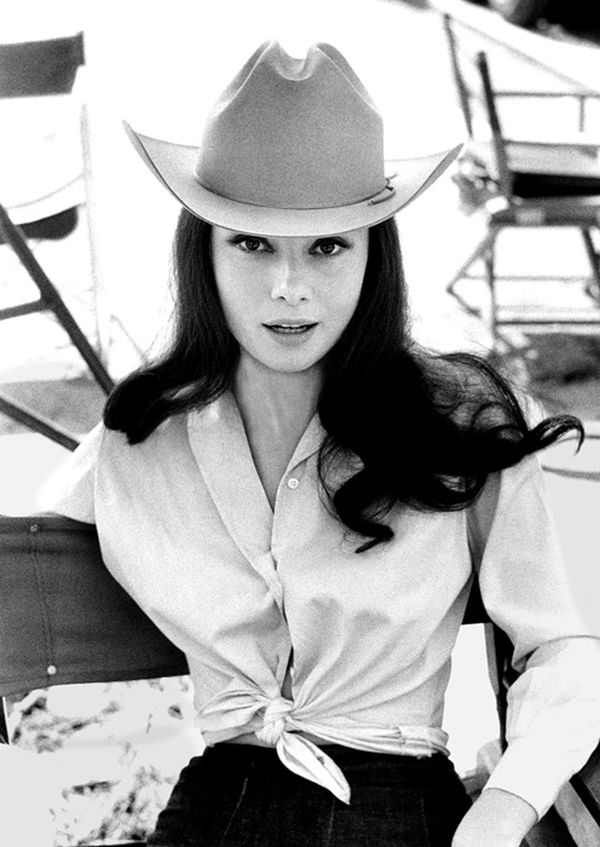
Audrey Hepburn’s image still travels light: a Givenchy silhouette, a cigarette holder that slipped into parody, a short fringe, a neckline clean enough to teach geometry. Fashion remembers her as an elegance icon more than as a scandal headline—and that is the useful frame for these photographs. They are not gossip archaeology. They are a study in how posture, proportion, and restraint made a mid-century actress into a durable style signal that still shows up on moodboards whenever wardrobes get noisy.
Hepburn’s oft-quoted creed—belief in pink, in laughing as a calorie burner, in kissing, in strength when things go wrong, in happy girls and tomorrow and miracles—sounds breezy until you notice how closely it matches her public craft. Softness without collapse. Optimism without clutter. The photos that endure tend to show the same equation: simplicity that reads as luxury because every line is decided. In an age of maximal feeds, that decision-making is what keeps her readable at thumbnail size.
Elegance as editing
Style icons are often maximalists. Hepburn’s lasting brand is subtractive. Capri pants and ballet flats against the era’s heavier glamour. A little black dress that works because the body language is precise. Necks and wrists left visible. Hair that frames rather than overwhelms. In stills, that editing becomes architecture: negative space around the face, a clean coat collar, a glove that finishes a line instead of decorating it.
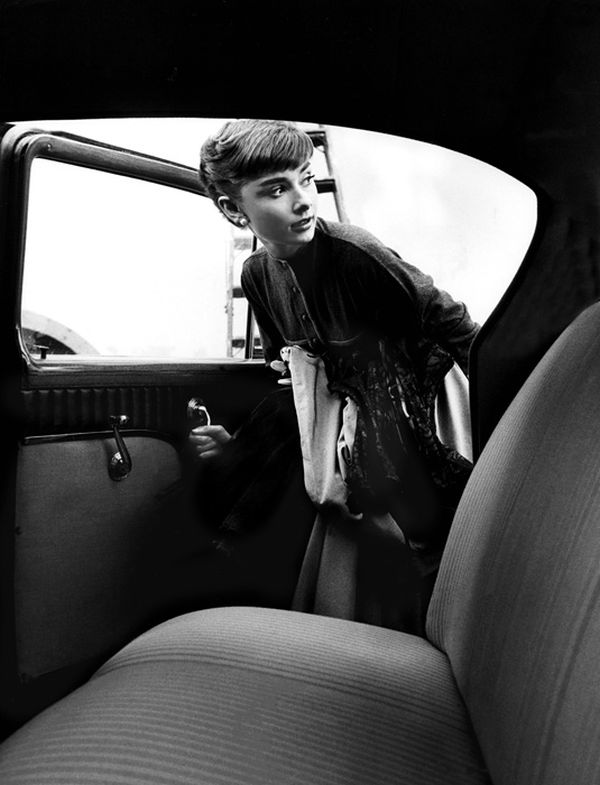
Compare her visual vocabulary with classic Hollywood glamour of the Ava Gardner type—satin, smoke, bedroom eyes, a sensual charge built for studio lights—and the difference clarifies. Hepburn’s camera romance is closer to couture sketch than to nightclub myth. She sells clarity. Even playful frames keep an upright intelligence: the smile arrives, but the shoulders stay composed. If Gardner’s timelessness is nocturnal voltage, Hepburn’s is daylight confidence.
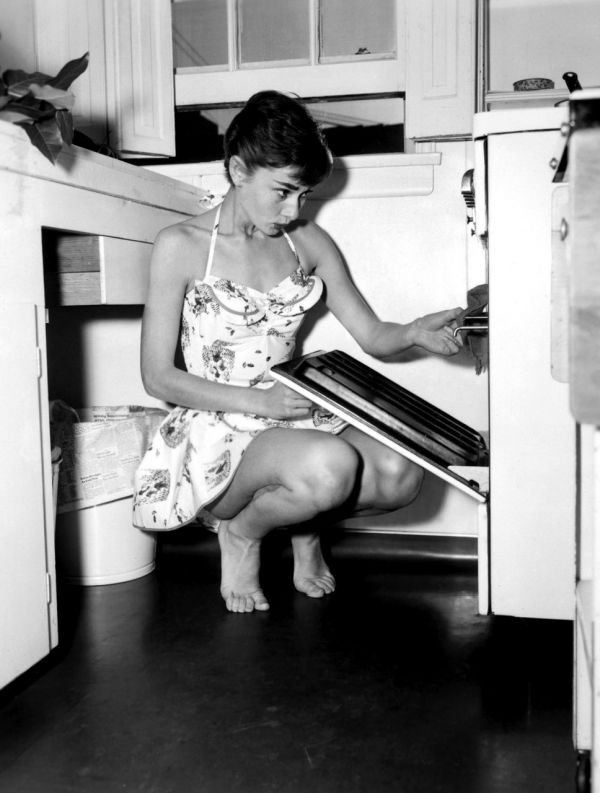
That composure had biography behind it—wartime childhood in Europe, ballet training, a physique that designers could draw as a continuous line. The fashion story that followed (Hubert de Givenchy’s partnership chief among them) was less “makeover” than mutual recognition. Givenchy’s clean volumes and Hepburn’s carriage amplified each other. Photographs from that orbit still teach: if the garment is eloquent, do not interrupt it with fidget. Accessories should behave like punctuation marks, not paragraphs.
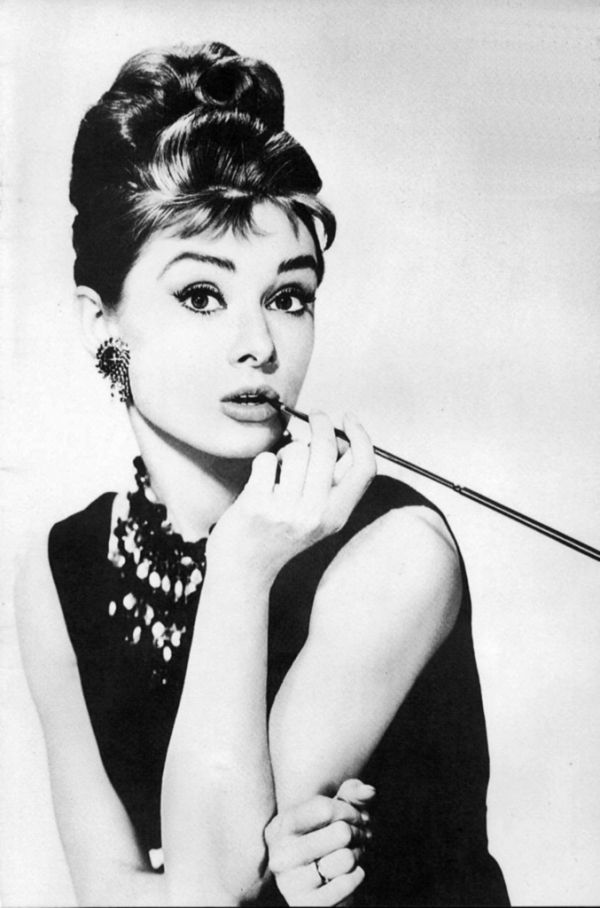
Editing also shows up in color discipline across her public looks—blacks, neutrals, the occasional sharp accent—rather than costume-party overload. When a hat appears, it completes a diagonal. When pearls appear, they are small bright notes against a quiet field. The eye always knows where to land. That is elegance as information design as much as as taste.
Cinema that dressed like thought
Roman Holiday, Sabrina, Funny Face, Breakfast at Tiffany’s—the titles alone sketch a wardrobe curriculum. Princess cut loose in Rome. Chauffeur’s daughter transformed without losing wit. Bookstore clerk yanked into Paris fashion. Holly Golightly’s little black dress as urban armor. In each case costume is character psychology, not merely branding. Hepburn’s face could carry comedy and melancholy in the same stillness; clothes had to leave room for that range.
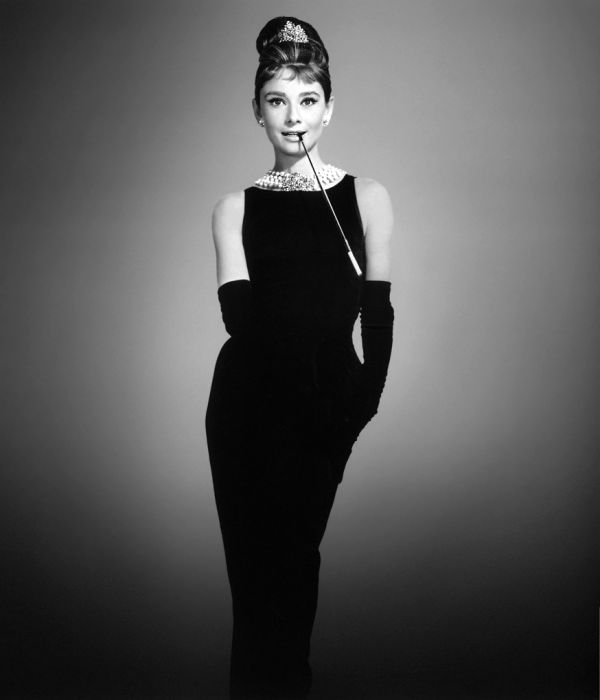
Watch how often these images favor three-quarter turns, elongated necks, and hands used as punctuation. Ballet habits survive in civilian dress. Weight sits lightly. The gaze meets the lens without begging. Modern influencers chase “effortlessness” with racks of product; Hepburn’s photos suggest effortlessness is rehearsal—years of physical discipline translated into how a coat hangs when she turns toward a doorway or a motorcycle in Rome.
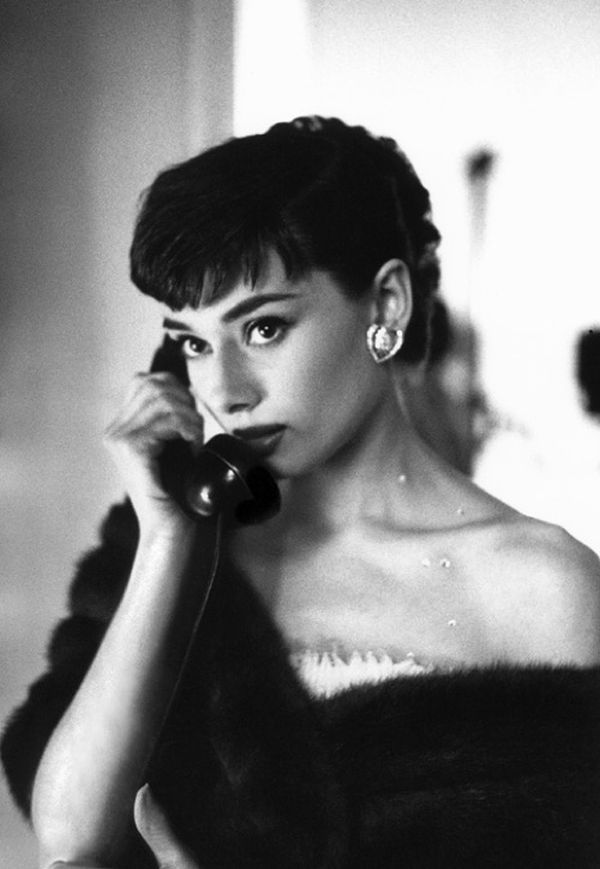
Black-and-white frames help the lesson. Without color noise, silhouette and contrast do the talking. A dark dress against pale skin. A hat brim cutting a diagonal. Photographers and publicists of the studio era understood that Hepburn’s features rewarded graphic design: brows, eyes, and that famous smile arranged like a logo you could recognize across a magazine rack. Color portraits in her archive often keep the same graphic honesty—clear key light, unfussy backgrounds, skin treated as part of the composition rather than a filter playground.
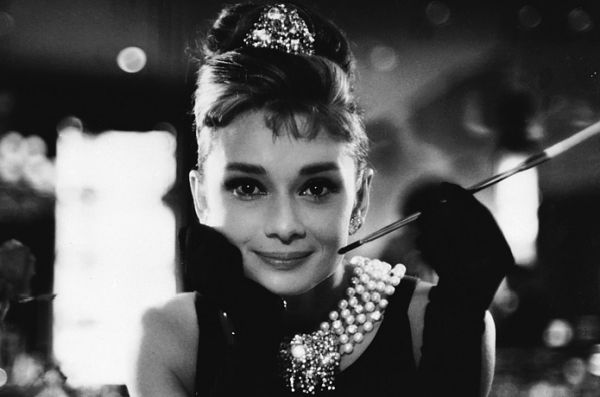
Film stills and publicity portraits are different animals, yet Hepburn’s continuity between them is striking. On set she could play mischief; in a sitting she could play poise; both share the same skeletal clarity of presentation. That continuity is why fashion students still pause on her frames when they want an example of “character through clothes” instead of clothes shouting over character.
Why the look still teaches
Trends cycle back to Hepburn whenever fashion tires of costume-party maximalism. Capri length returns. Ballerina flats return. The LBD returns. What returns underneath is an ethic: choose a few strong lines and protect them. Accessories should finish sentences, not overwrite them. Hair can be short and still romantic. Femininity need not equal clutter. A trench can be more eloquent than a sequined spectacle if the posture inside it is awake.
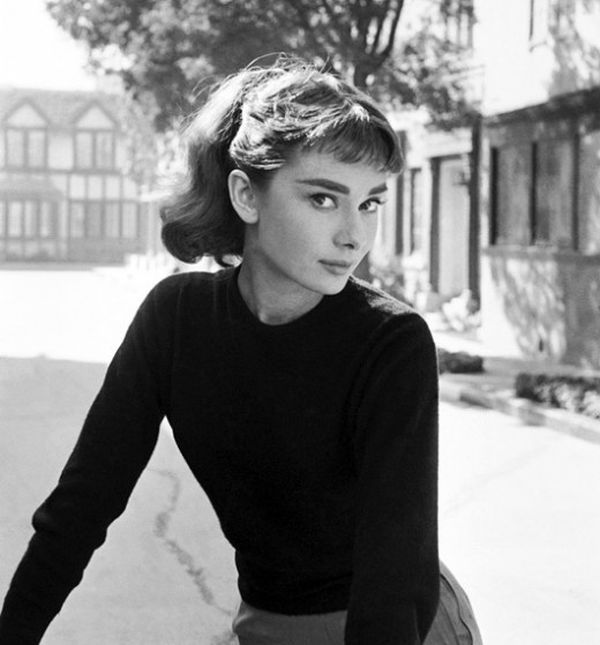
There is also a humanitarian afterimage—UNICEF work, a public gentleness that complicated the pure fashion-doll reading. Respectful biographical framing keeps both truths: she was a working actress and style collaborator, and she used fame for more than premiere flashbulbs. The photos here lean toward the style archive, but the person behind them resists being reduced to a mannequin. Kindness in the public record does not soften the craft of the image; it deepens why people keep returning to the face.
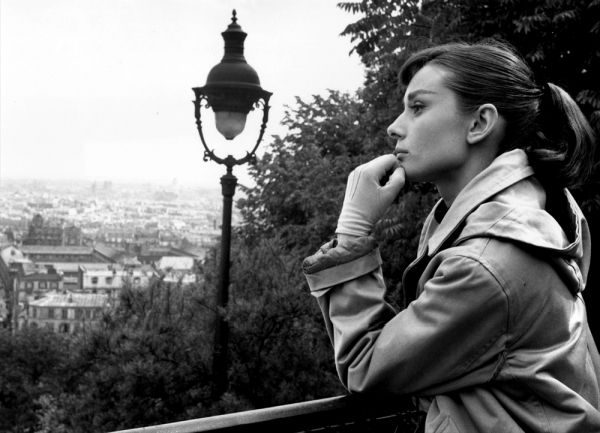
For anyone building a personal uniform, Hepburn’s archive is a checklist more than a cosplay brief. Fit over trend. Neckline as architecture. Shoes you can actually move in. One strong accessory. A willingness to repeat a winning silhouette instead of reinventing weekly. The irony of “timeless beauty” tags is that they often reward repetition done with taste. Hepburn made repetition look like identity.
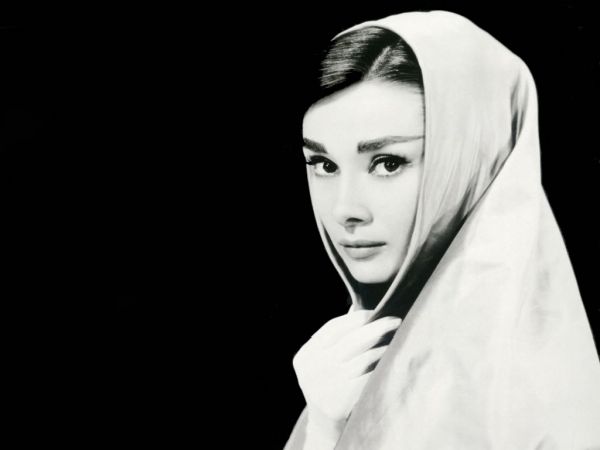
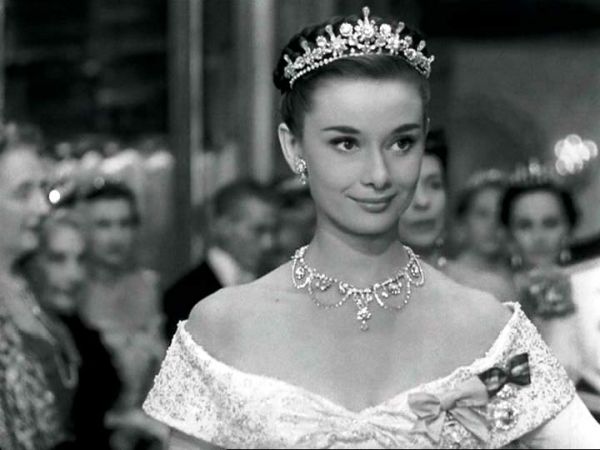
Studio lighting in many of these stills is frank rather than mysterious—beauty as clarity. Soft key, clean catchlights, backgrounds that refuse to compete. Compare that with smoky Hollywood glamour lighting that hides as much as it reveals. Hepburn’s best portraits feel like invitations to read the face, not to invent a rumor about it. Photographers chasing her mood today should start with posture and negative space before buying a vintage prop cigarette holder.
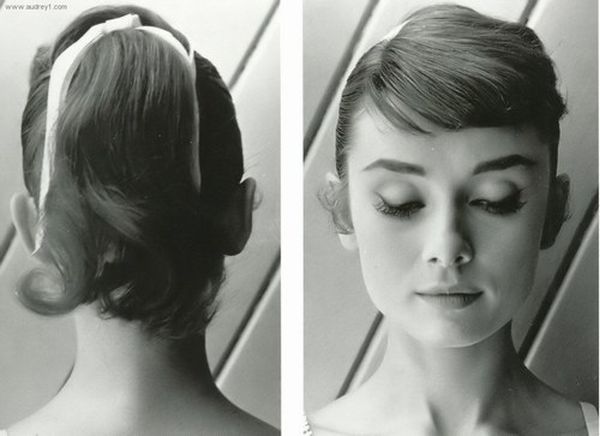
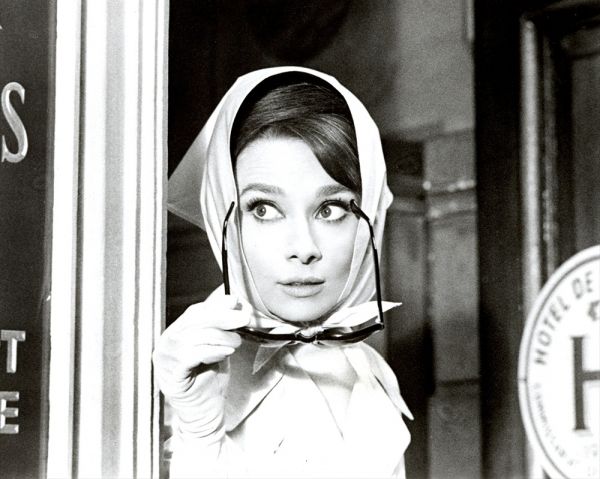
If you collect fashion references, keep a Hepburn folder separate from a bombshell folder and from a pop-reinvention folder. Mixing them muddies what each teaches. One archive is about line, wit, and daylight confidence. Another is about nocturnal allure and studio myth. A third—think Madonna—is about metamorphosis as media strategy. All are legitimate; they are not interchangeable. Hepburn’s gift to the present is permission to be memorable without being loud.
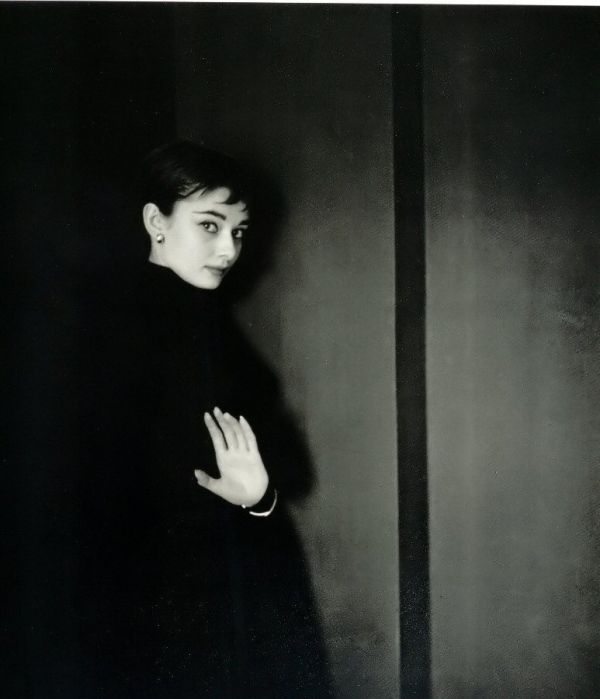
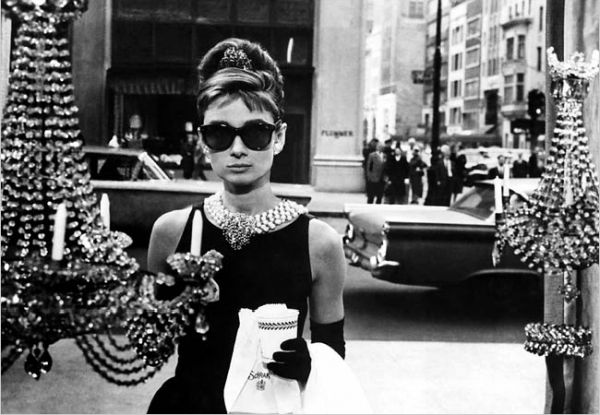
Before you leave the gallery, pick one frame and name three decisions inside it—collar, hand, gaze. Then try the same three decisions tomorrow in ordinary clothes: fix the neckline, calm the hands, meet the mirror without performing. That small exercise is how elegance stops being a vibe and becomes a craft you can practice on weekday mornings when no Givenchy atelier is waiting in the wings.

Comments
Continue reading
Marilyn Monroe: The Iconography of a Face
How Marilyn Monroe’s platinum silhouette became a portable cultural image—studio craft, film shorthand, Warhol’s grids, and how to read the photographs as iconography.
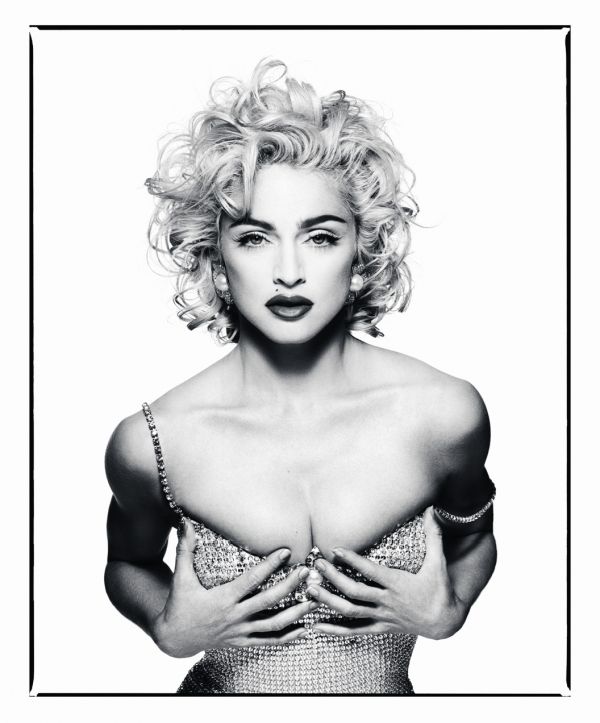
Timeless Beauty: Madonna in Black and White
A black-and-white Madonna photo essay on reinvention, gaze, and pop-image control—metamorphic beauty distinct from Golden Age glamour archives.

Dramatic Photo Art by Sukron Ma’mun (Ipoenk Graphic)
Cirebon, Indonesia photographer Sukron Ma’mun uses theatrical natural light to frame village life, play, and place in lyrical photo art.