
Vintage Hairstyles by Decade—Waves, Rolls, Flips, and Wearable Volume
A practical tour of 1920s waves through seventies feathers: silhouettes, tools, and how to wear period hair without a full costume.
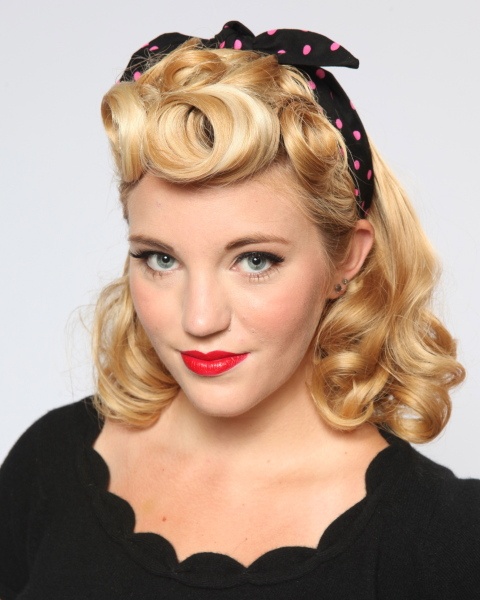
Hair is the one accessory that walks into every room with you. Vintage hairstyles stay powerful because they redesign the face’s frame without requiring a full costume: a deep finger wave, a victory roll, a soft bouffant, or a sleek 1960s flip can shift an outfit from generic to period-aware in minutes. This is not a museum lecture. It is a practical map of silhouettes that defined decades—and how to wear their spirit now without looking like you lost a bet at a costume shop.
Vintage hair succeeds when shape, shine, and parting do most of the work. Tools matter—rollers, pins, a fine-tooth comb, setting lotion or mousse, a light-hold spray—but so does honesty about your texture and length. The goal is a deliberate outline, not a helmet.
1920s–1930s: waves, crops, and the sculpted side part
The jazz-age bob and its longer cousins live on finger waves and marcel-style S-curves pressed close to the head. Hair often looked wet-set even when dry: deep side parts, ears sometimes revealed, ends curved under or forward toward the cheek. Accessories stayed small—a single sparkle clip, a thin headband—because the sculpture was already loud.
To approximate the look on modern hair, work on damp strands with a strong setting product, create waves with a fine comb and clips, or use a small-barrel iron to form linked S shapes, then pin until cool. Soften only at the crown if you need movement; the chic of this era is control. Longer hair can fake the period by pinning most length at the nape and letting a waved front section do the talking.
1940s: rolls, victory volume, and wartime polish
Forties hair climbed upward. Victory rolls—cylindrical volumes above the forehead or temples—paired with soft curls at the ends and a tidy back. Women balanced practicality and glamour: styles had to survive workdays and still photograph as hopeful. Smooth fronts, brushed shine, and pinned structure matter more than perfect curl uniformity.
Modern shortcut: create two rolled sections at the front with a brush and pins, backcomb lightly at the roots for lift, then curl mid-lengths away from the face. A scarf tied at the crown is authentic and forgiving on second-day hair. Keep makeup and earrings in scale; this silhouette already frames the eyes strongly.
1950s: bouffant lift, pin curls, and Hollywood set
Fifties glamour loves height at the crown and controlled curl through the lengths—think pin-curl sets brushed out into soft pageboys, or a bouffant that stays rounded rather than spiked. Partings are often side-swept; bangs, when present, are winged or softly curled. Shine is non-negotiable; dull hair reads unfinished in this language.
Set with rollers or pin curls overnight, brush thoroughly to blend sections, then reshape with your fingers and a light mist. Tease only where you need lift, and smooth the top layer so the structure stays invisible. A wide satin ribbon or pearl comb finishes the look without tipping into costume if colors stay classic.
1960s: flips, beehives, and the graphic outline
Sixties styles split between sleek geometry and towering beehives. The flip—ends turning up, crown relatively smooth—still reads fresh with a turtleneck or shift dress. Beehives and backcombed bouffants push vertical drama; they need strong pinning and a confident attitude. Twiggy-era crops and soft bowl shapes show the decade’s other face: short, graphic, face-forward.
For a wearable flip, blow-dry with a round brush, turning ends up, and mist lightly. For hive-inspired volume, backcomb in sections, smooth the exterior veil of hair, and secure with pins before spray. Leave a few face-framing pieces softer so the style moves when you talk.
1970s echoes: wings, Farrah layers, and lived-in set
Though “vintage” conversations often stop at mid-century, seventies feathered layers belong in the same practical toolkit. Side-parted wings brushed away from the face, long layers with movement, and less lacquer than earlier decades create a romantic vintage that suits casual clothes. The look depends on cut as much as styling; without layers, you get triangle hair instead of feathers.
Use a round brush and medium heat, directing air down the hair shaft for shine, then flick side sections outward. Avoid crunchy product; a light cream or spray wax keeps separation soft. This is the vintage family most forgiving for everyday offices and weekends.
Choosing a silhouette for your face and life
Round faces often benefit from height at the crown and openness near the cheekbones—forties rolls or fifties lift help. Long faces can soften with waves that add width at the sides. Strong jaws pair well with soft curves near the chin; delicate features can handle sleeker 1920s control. Hair density matters: fine hair needs smaller sections and lighter teasing; thick hair needs stronger anchors and sometimes thinning for vintage smoothness.
Occasion should drive commitment. A full victory-roll set suits weddings, themed parties, and portraits. A softened wave or partial roll works for dinners when you still need a bike helmet afterward. Never fight a humidity forecast with a style that demands bone-dry air; choose a tighter set or a scarf plan B.
Tools, products, and habits that keep styles honest
A rattail comb, duckbill clips, bobby pins that match your hair color, a boar-bristle brush, and a hoproler or large Velcro rollers cover most eras. Setting lotion or mousse on damp hair beats dry spray alone for lasting shape. Heat protectant matters if you iron waves frequently. Sleep on a silk pillowcase or wrap with a soft scarf to preserve a set overnight.
Practice on a free evening before an event. Vintage shapes are muscle memory: rolling, pinning, brushing out, and reshaping. Photograph the front and sides so you learn what the mirror misses. If you use extensions or fake rolls, blend color carefully; a harsh line kills the illusion faster than imperfect curl.
- Match era to outfit decade, or deliberately mix one hair era with modern clothes for contrast.
- Prioritize clean shape over maximum volume.
- Pin securely, then hide pins under a smooth top layer.
- Finish with shine, not only hold.
- Build a removal plan—pins and product should come out without a painful hour.
Wear vintage hair as architecture for the face: choose one clear silhouette, execute it cleanly, and stop before the third accessory. The styles that still stop people in the street are the ones that look intentional from across a room—and comfortable enough that you forget to keep checking them in every window.

Comments
Continue reading
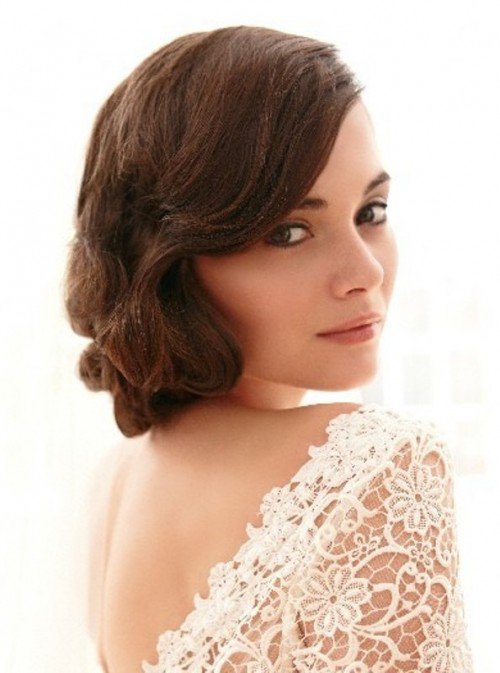
15 Vintage Wedding Hairstyles: Finger Waves, Bouffants, and Birdcage Veils
Fifteen vintage bridal hair looks—from 1920s finger-wave faux bobs to 1960s bouffants, victory rolls, and Hollywood waves with birdcage veils.
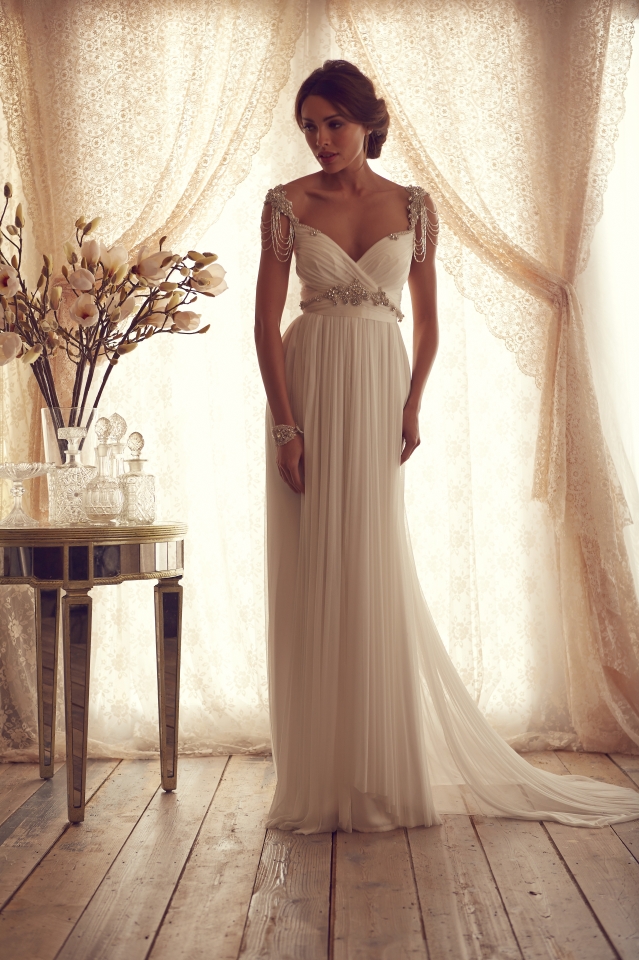
Anna Campbell’s 2013 Gossamer Made-to-Measure Bridal Collection
A historical look at Anna Campbell’s 2013 Gossamer made-to-measure wedding gowns—French-romance fit, crystal shoulders, bone color, and the Australian atelier moment.
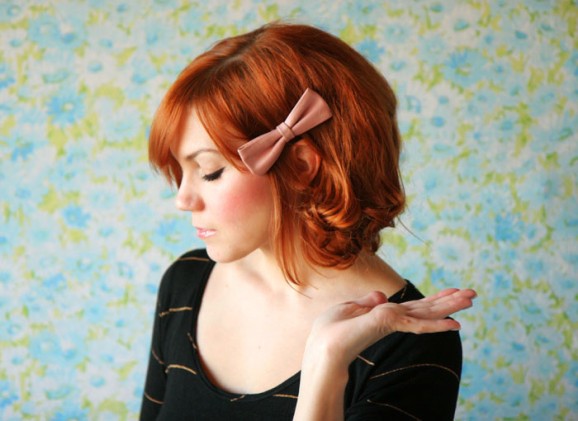
Elegant Updo Hairstyles: Braids, Buns, and Soft Coils
Polished updos that stay wearable—braided structure, low knots, texture tips, and how to match the silhouette to neckline and occasion without looking overdone.