
Three Tips for a Backyard That Actually Works
Dream big outdoors, pick a coherent theme, and prioritize hardscape before décor—practical tips for a backyard you will actually use.
When a house becomes home, most of the energy goes indoors—paint colors, furniture paths, where the sofa faces the window. The yard often waits. Yet front and back outdoor rooms shape daily life as much as any kitchen remodel: morning coffee light, weekend grilling, kids’ play zones that later turn into quiet seating, a place for a dog to run, a corner that feels like vacation without leaving the lot. A backyard transformation works best when it follows how you actually live, not a catalog spread you will never maintain.
Yards change with the household. A swing set years can become a dining terrace decade. A muddy pet run can become a raised-bed strip. Mild climates invite year-round outdoor living; colder ones need a clear warm-season plan and honest storage for cushions. Whatever your climate, three moves separate a yard that feels finished from one that feels like unfinished shopping: dream without apology, choose a coherent theme, then prioritize what must happen first.
1. Let the wish list run wild—then measure reality
Start outdoors, not on a shopping app. Sit in the yard at the times you care about most: late afternoon shade, Saturday morning sun, evening when mosquitoes arrive. Sketch everything you might want before you edit. Furniture clusters. A grill station with clearance from the house. A fire pit or outdoor fireplace. A small water feature for sound. An awning, pergola, or shade sail. Raised beds. A path that keeps muddy shoes off the lawn. Storage that hides tools and toys. Play space that can later convert to planting. Write it all down.
Dreaming big is useful because it reveals patterns. If half your ideas are about shade and seating, you do not need a waterfall yet—you need a sitting room with a roof of some kind. If most ideas involve cooking and guests, the hardscape around the grill and table matters more than decorative borders. Logistics come second: power for lights and heaters, water for irrigation and features, slope for drainage, access for equipment, and local rules for fences, pits, and structures. Budget and lot size will trim the list. Trimming is easier when you already know what you love.
Walk the perimeter and note sun, wind, and views. Afternoon west sun can cook an unprotected deck. Prevailing wind can make a fire pit smoky for neighbors—or for you. An ugly view of trash bins or a blank fence wall is a design problem you can solve with screening plants, a lattice panel, or intentional art. A beautiful borrowed view of trees beyond the property line is an asset; frame it instead of blocking it with tall clutter.
Also inventory what already works. A mature tree that casts good shade is worth more than a trendy furniture set. Existing paving that is only cracked in patches may need repair, not full replacement. Soil that drains poorly will defeat fancy plantings until you fix grade or choose plants that tolerate wet feet. Transformation is not always “rip everything out.” Often it is amplify what is strong and remove what fights the new use of the space.
2. Choose a theme so the yard reads as one place
A coherent outdoor room beats a thrift-store collage of styles. Too many furniture languages, plant colors, and materials make even a large lot feel busy. Pick a simple theme and let materials repeat. Examples that stay flexible: warm wood and soft greens for a garden-room feel; pale stone and charcoal metal for a modern courtyard; brick, herbs, and string lights for a casual kitchen garden; native grasses and gravel for a low-water prairie edge. The theme is a filter. When something is on sale but fights the filter, leave it.
Limit your palette. Two or three hardscape materials—say concrete pavers, cedar, and black steel—usually look calmer than five competing surfaces. For plants, choose a backbone of evergreen structure, a seasonal flower or two that you actually like, and foliage contrast rather than a rainbow of every bloom at the nursery. Furniture should share a family of shapes and finishes even if pieces come from different shops. Cushions and outdoor textiles are where you can play with pattern; keep the big bones quieter.
Theme also includes maintenance honesty. A high-input English border looks spectacular for people who prune, mulch, and water on schedule. A gravel courtyard with tough shrubs suits someone who travels or hates weekend chores. Ask what you will still enjoy doing in August heat and November wind. If the answer is “almost nothing,” design for low care: fewer lawn edges to trim, automatic drip where plants need water, durable furniture finishes, and storage that keeps covers dry. A stunning yard you abandon after year one is not a success.
Lighting belongs in the theme conversation early. Path lights, a single uplight on a tree, and dimmable string or wall lights change how long you use the space. Match fixture style to the hardscape language. Avoid lighting every plant like a showroom; pool light where people walk and sit, and leave some darkness for sky and neighbors.
If the lot feels awkward—narrow side yards, weird slopes, a garage wall dominating the view—a simple theme helps more than more objects. One strong axis (a path to a focal bench), one outdoor “room” sized for your table, and one vertical interest piece (espalier, tall grass, or a small tree) can make a small yard feel intentional. Professionals can help when grading, retaining walls, or drainage are involved; for plant choices and furniture layout, a clear theme often gets you most of the way without a full design retainer.
3. Prioritize sequence and budget so the work sticks
Once the dream list and theme exist, order the work. Large permanent features usually go first: grading and drainage, retaining walls, major paving, plumbing for irrigation or water features, electrical for lights and outdoor outlets, and any built fire or cooking structures that need code review. Planting and movable furniture come later so you are not dragging bags of soil across finished stone or burning new cushions with construction dust. If budget is tight, still sequence correctly on a smaller scope. A well-built patio with temporary chairs beats a full furniture set on muddy ground.
Prioritize by daily satisfaction when you cannot do everything. Shade where you sit, a clean surface underfoot, and a place to cook or eat will change how you use the yard immediately. Ornamental borders and secondary seating can wait a season. If kids still need open play, keep a flexible lawn or mulch zone and invest in edges and planting that will survive ball games. If the household is empty-nesting, you may prioritize quiet seating and lower maintenance over play space. Match the first phase to the next two years of real life, not an imaginary forever plan that blocks today’s use.
Phasing also protects plants and wallet. Install irrigation before thirsty new beds. Mulch after planting, not months later when weeds have claimed the beds. Buy fewer, larger specimen plants for focal points and fill with smaller, cheaper plants that grow in—rather than buying everything at mature size on day one. Reuse what you can: salvage bricks for edging, refresh existing wood with stain instead of replacing sound boards, and repair cracked pavers before pouring a whole new pad.
Think about neighbors and shared lines early. Fences, privacy screens, and tree placement affect light and views on both sides. Keep large trees a safe distance from foundations and sewer lines. Check utility markings before digging. Outdoor speakers and late fire-pit nights are lifestyle choices with social consequences; design acoustic buffers with planting and orientation if evenings outdoors matter to you.
Finally, plan storage and winter (or storm) routines as part of the build, not an afterthought. Where do cushions go when rain hits? Where does the grill cover live so it is not a plastic heap in photos? Is there a hose bib where you need it? A trash and recycling path that does not cross the dining zone? These dull details keep a transformed yard looking transformed after month three.
A simple outdoor checklist before you buy anything
- List the three activities you want most (sit, cook, play, garden, soak).
- Note sun, shade, wind, and drainage problems at those activity hours.
- Choose a short material and plant palette that matches maintenance reality.
- Sequence: earthwork and utilities → hardscape → planting → furniture and soft goods.
- Spend first money on surfaces, shade, and seating you will use weekly.
A backyard transformation does not require every feature from the opening wish list. It requires a clear use case, a restrained visual language, and a build order that puts structure before decoration. Sit outside once more after you draft the plan. If the sketch already feels calmer than the current clutter, you are aiming at the right work—not a bigger shopping cart.

Comments
Continue reading
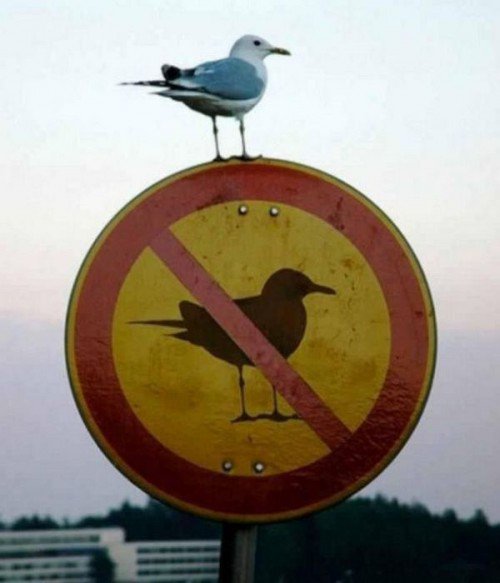
Funny Animal Signs That Warn People (While Animals Ignore Them)
From a seagull on a no-birds disc to classic zoo and park ironies—why animal warning signs get funny, and what the rules are still for.

How to Find Local Amenities on Vacation: Mechanics, Haircuts & More
Locate trustworthy local services and everyday spots while traveling or settling in—using publications, reviews, map apps, neighbor tips, and low-pressure exploration.

Kristen Stewart for V Magazine, Spring Preview 2013
V81’s Wild at Heart cover story—Kristen Stewart shot by Inez & Vinoodh, styled by Joe McKenna, in pale minimal spring glamour.