
30 Crown Tattoo Ideas: From Nape Imperials to Finger Minis
Thirty crown tattoo directions—nape imperials, jewel color, lion pairings, micro ear marks, and personal heraldry—plus notes on line weight and placement.
A crown tattoo borrows royal shorthand—authority, self-respect, chosen identity—without needing a throne. Worn as a solo emblem or paired with crosses, jewels, roses, lions, or script, it reads instantly from across a room and still works at fine-line scale on a finger or behind an ear. Men and women book the motif for the same reason jewelry does: a small object that signals “I decide my own rank.”
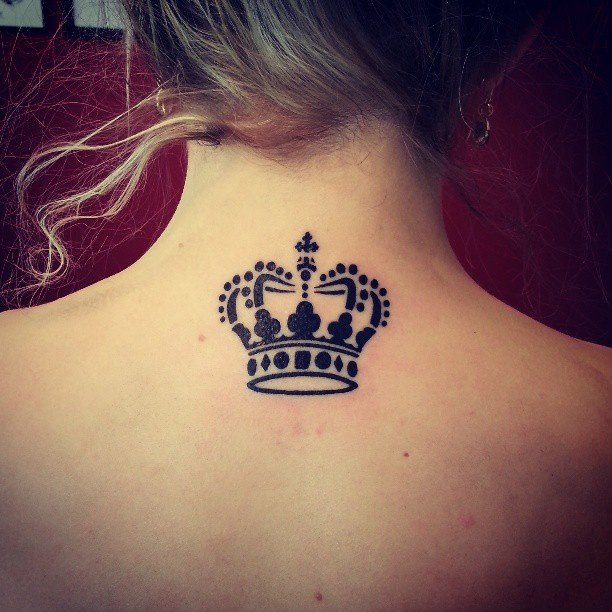
Most of the original thirty-image gallery did not survive migration. One upper-back imperial crown remains as a placement study. The list below rebuilds thirty design directions so you can walk into a studio with clearer taste than a vague “something royal.”
1. Nape imperial crown
Centered under the hairline, a solid black imperial crown with arched bands and a small cross finial becomes a private-to-public switch: hidden under hair, revealed in an updo. Clean graphic ink ages better than hairline filigree on this high-movement spot. Ask for bold-enough line weight; nape skin flexes and sun hits often.
2. Minimal line tiara
Three or five simple peaks in a single continuous stroke. No jewels, no shading—just silhouette. Ideal for wrists, ankles, and collarbones when you want the idea of a crown without costume drama.
3. Finger band crown
A tiny crown sitting on or beside a ring-finger band. Popular as a self-love or partnership mark. Finger tattoos fade faster; plan for touch-ups and slightly thicker lines than your reference screenshot suggests.
4. Crown with script banner
A ribbon under the crown carrying a short word—“faith,” a name, a date, a motto. Keep lettering large enough to survive a decade. Proof spelling on paper before the stencil hits skin.
5. Jewel-studded color crown
Ruby, sapphire, and emerald dots set into a black structure. Color crowns photograph gorgeously and need an artist who packs saturated pigment cleanly. Discuss how color may shift with sun exposure on forearms versus ribs.
6. Crown and cross
Faith and sovereignty in one stack: cross rising from the crown’s apex or standing behind it. Balance scale so neither symbol becomes an afterthought. This pairing was a frequent companion motif in older inspiration posts for a reason—it reads clear at tattoo scale.
7. Lion and crown
A lion’s head wearing or flanking a crown leans regal and protective. Works as a shoulder or chest centerpiece. Decide whether realism or traditional bold lines better match the rest of your collection.
8. Rose-wrapped crown
Thorns and blooms weaving through the circlet soften power with romance. Black-and-grey roses keep the piece cohesive; a single red bloom can act as a focal spark without rainbow overload.
9. Geometric crown
Triangles, diamonds, and ruled symmetry instead of baroque swirls. Modern and sharp on sternum or forearm. Geometry forgives less placement drift—choose an artist comfortable with precision on curved bodies.
10. Dotwork ornamental crown
Stippled shading builds metal sheen without heavy black fill. Dotwork crowns suit people who like lace-like density. Sessions take longer; the payoff is texture that photographs like engraving.
11. Watercolor splash crown
Crisp black outline with loose watercolor wash behind or through the jewels. Beautiful early; discuss longevity honestly—watercolor edges can diffuse. A strong black scaffold helps the design survive the soft fade.
12. Broken or cracked crown
A crown with a deliberate fracture can mean survival, rebuilt identity, or refusal of perfect monarchy myths. Keep the break readable at arm’s length or the metaphor disappears into damage that looks accidental.
13. Crown over heart
Small crown floating above a heart outline or anatomical heart. Classic love-as-sovereignty symbolism. Chest and rib placements make the metaphor literal—guard what you crown.
14. Matching couple crowns
His-and-hers or theirs-and-theirs crowns that mirror or invert. Matching does not require identical size; hands and necks differ. Book the same artist on the same day for line-weight harmony.
15. Behind-the-ear micro crown
Tiny, often fine-line, tucked where hair or glasses frames peek. Intimate and easy to hide for work. Micro pieces need skilled hands; over-thin lines blur into gray commas.
16. Forearm traditional crown
American traditional: bold outlines, limited palette, readable from across a bar. Think sailor-era clarity more than palace engraving. Traditional crowns pair well with daggers, swallows, and banners.
17. Sternum centerpiece crown
Symmetrical placement between the collarbones or lower on the sternum reads ceremonial. Pain is real on bone-close skin—plan breaks. Symmetry errors show here; stencil carefully while standing and breathing normally.
18. Crown with birthstones
Jewels tinted to family birth months turn a generic crown into a genealogy piece. Limit the palette so it does not become a candy bracelet. Names or initials can hide in negative space inside the circlet.
19. Queen/King lettermark crown
A crown perched on a large initial. Popular for kids’ names or self-titles claimed with humor. Typography must be custom-drawn for the body, not a default font stretched awkwardly.
20. Butterfly or bird emerging from crown
Wings lifting from the crown’s arches suggest freedom earned, not given. Keep silhouettes distinct so feathers do not tangle into the metalwork after aging.
21. Mandala-integrated crown
Crown tips dissolving into mandala rays or geometric lace. Ornamental maximalism for upper back or thigh. Requires an artist who can manage radial symmetry on a living canvas.
22. Blackwork solid crown
Nearly filled black silhouette with minimal inner detail. Graphic, punk-adjacent, and durable. Negative-space jewels cut from the black keep it from reading as a blob.
23. Crown and clock or hourglass
Time and power in one vignette—useful memorials or “this era is mine” statements. Clocks demand an artist who can draw ellipses cleanly; muddy numbers age poorly.
24. Ankle or foot crown
A small walking reminder. Feet fade and scuff; thicker lines and realistic expectations matter. Socks and shoes will rub healing skin—plan downtime.
25. Neck-front micro crown
High-visibility placement under the chin or on the side neck. Bold statement; consider workplace dress codes before committing. Even small necks pieces draw eyes first in conversation.
26. Crown with sparkles and crystal bursts
Dot stars and glints around the metal suggest fairy-tale finish. Easy to overdo—cluster sparkles intentionally so they read as light, not acne of random dots years later.
27. Tribal or bold black pattern crown
Heavy black shapes approximating a crown without European jewel language. Works for people who want the archetype in a different visual dialect. Collaborate so the design respects cultural linework traditions you are borrowing from—or invent a fully personal geometry.
28. Rib-cage vertical crown stack
Crown above script, flower, or date running down the ribs. Private when clothed, dramatic when shown. Rib sessions hurt; split the piece across appointments if needed.
29. Crown wrist bracelet
A circlet that wraps partly or fully like jewelry, with a crown motif as the clasp visual. Measure circumference carefully; wrapping designs must account for wrist rotation and watch habits.
30. Custom heraldic crest crown
Commission a crown that includes your animals, tools, mountains, or family marks—personal heraldry rather than a stock flash sheet. This is the direction that ages into “mine” instead of “from a blog.” Bring references for mood, not for tracing.
Talk placement, sun exposure, and future expansion before you fall in love with a photo. Crowns look simple until jewels densify into mud; a good artist will simplify for the body’s scale. Whether you choose the surviving nape imperial style or a finger-sized outline, the symbol works hardest when it matches how you actually live—not only how a royal portrait poses.

Comments
Continue reading
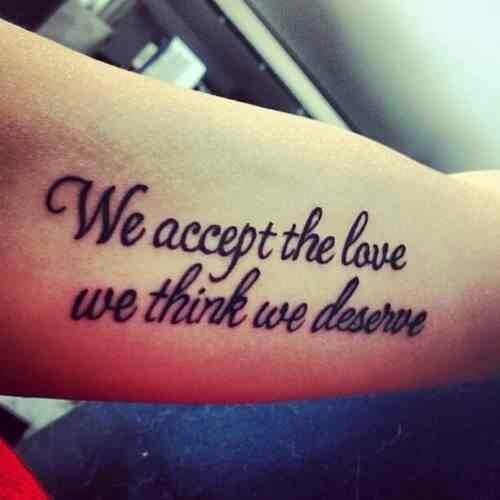
Meaningful Love Quotes for Inspiration (and Ink)
Meaningful love quotes that still feel true — short lines for tattoos, gifts, and everyday reminders, with placement and wording tips.
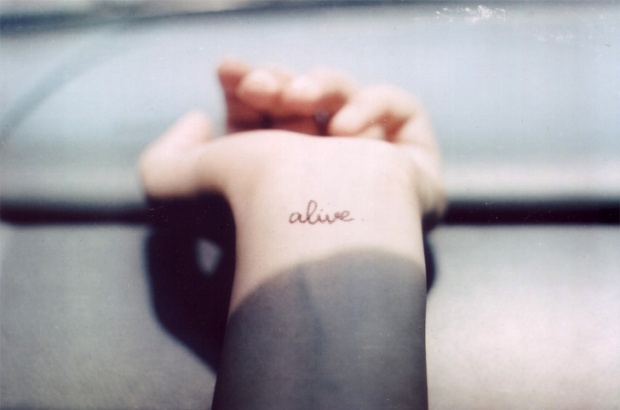
40 One-Word Tattoo Ideas: Placement, Type, and Meaning
A gallery of single-word tattoos—love, faith, strength, wanderlust, and more—with guidance on typography, body placement, and choosing a word that still fits years later.
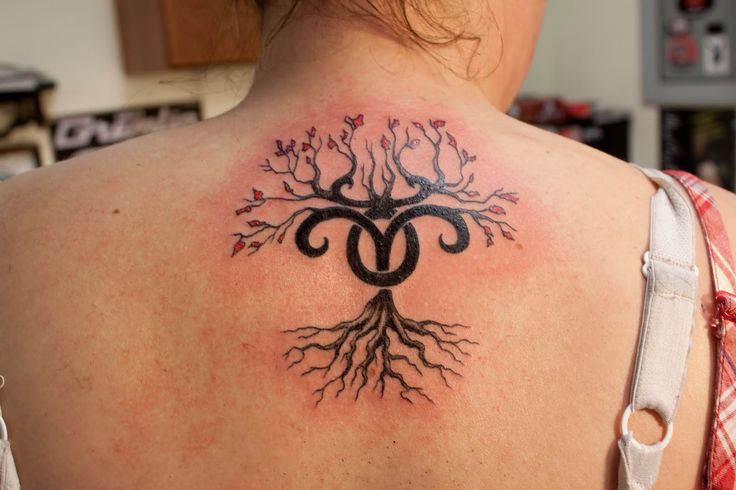
16 Taurus Tattoo Ideas: Bulls, Glyphs, and Venus-Inspired Ink
Sixteen Taurus tattoo directions—from minimal glyphs and constellation maps to floral bulls and bold blackwork—plus placement and artist tips for lasting earth-sign ink.