
The Green Ruby Pumpkin: Halloween Craft on Screen
Miguel Ortega and Tran Ma’s living-room Halloween short—and what its glowing pumpkin, costumes, and handmade VFX teach makers.
Every Halloween season produces candy bowls, porch lights, and a few carved faces that wilt by November. The Green Ruby Pumpkin—the 2012 short by Miguel Ortega and Tran Ma—treats the holiday like a crafted fairy tale instead. At the center sits a glowing green-ruby pumpkin heavy with sweets, a mansion threshold that feels more like a stage set than a suburban stoop, and a single rule spoken like a rhyme: no candy for those who do not try.
Ortega directed; Ma shaped the production design. Both were senior visual-effects artists who had already worked inside big studio pipelines. For this passion project they flipped the usual scale. Instead of polishing someone else’s spectacle, they built a Halloween world mostly in a living room, on a handful of machines, with friends helping on rigging and animation. The result is short—only a few minutes—but dense with costume, color, and object craft.
A pumpkin that behaves like décor and myth
The title object is not a background prop. It is the house’s visual magnet: a green, gem-toned pumpkin that reads as both candy vessel and enchanted lantern. In still frames it could hang in a shop window as seasonal décor; in motion it becomes the story’s moral hinge. Children arrive in elaborate disguises—fairy-tale silhouettes, storybook parties, costumes that look designed rather than store-bought—and gather under that green light.
Miss Deats, the red-hooded host, keeps the evening orderly until three late visitors appear with no costumes at all. The refusal that follows is sharp, almost theatrical. The twist—those children are already disguised, just not in the way she expected—turns the pumpkin into a lesson about appearances. After that night, the short suggests, the green ruby pumpkin would never be seen the same way again.
For anyone who builds Halloween displays at home, the film’s instinct is useful even without CGI: one strong centerpiece, a clear rule or ritual, and costumes that feel intentional. Clutter is optional. Atmosphere is not.
Living-room filmmaking as a craft practice
Ortega and Ma have described a pipeline that sounds closer to a determined atelier than a soundstage: Maya for 3D, Mudbox for sculpting, Mari and Mudbox for texture painting, V-Ray for rendering, Nuke for compositing, all running across about seven computers. They used projections, miniatures, and practical elements to keep render times sane. The majority of the VFX load sat on the two of them.
That constraint shows up as style rather than apology. Surfaces look touched. Costumes carry weight. Environments feel assembled from designed pieces instead of endless procedural noise. When former Digital Domain artists say they wanted everything on screen designed or fabricated by their team, they are describing a craft ethic: ownership of the object, not only the shot.
Green-screen work in a domestic space also reframes what “decor” can mean for filmmakers. A living room becomes a modular Halloween set. Practical miniatures sit beside digital doubles. The pumpkin’s glow can be a lighting idea as much as a modeling one. Hobby makers who build porch displays, stop-motion stages, or tabletop dioramas will recognize the mindset—even if their tools are foam, paint, and a phone camera.
Costume parade as visual storytelling
The short fills its brief runtime with visitors who look borrowed from storybooks: a red-hooded figure and a wolfish companion, a yellow-brick-road trio, sisters who arrive already strange. Each costume reads quickly, which is exactly what good holiday décor and good character design share. Silhouette first. Detail second. Color third.
That parade is also why the three uncostumed latecomers feel wrong before anyone explains anything. Halloween, in this world, is a dress code enforced by magic and manners. The humor and the chill come from the same place: the host’s certainty that she can see who has “tried.”
If you are dressing a porch or a party table this year, steal that clarity. One signature color (here, the pumpkin’s green-ruby glow). One host figure. A few guest costumes that feel curated. The film’s enchantment is not random spookiness; it is selection.
Why the piece still travels among artists
Coverage at the time—from animation trades to film blogs—kept returning to the same astonishment: studio-grade taste without a studio footprint. IndieWire and Animation World Network framed it as Halloween magic made with stubborn personal craft. Later profiles of Ortega and Ma still point back to The Green Ruby Pumpkin as the homemade debut that announced their joint voice before later shorts and teaching work.
Part of the lasting appeal is seasonal. The film is timed for October’s appetite for candy, masks, and mild moral twists. Another part is professional. It proves that production design and VFX can be personal media, not only service work. A pumpkin, a doorway, a rule, and a night’s worth of visitors are enough story if every object is considered.
Ideas to take into your own Halloween craft
You do not need Maya to borrow the short’s design logic. Try translating its instincts into physical décor:
- One hero pumpkin. Paint or light a single squash in an unexpected gem tone—deep emerald, ruby glass, antique gold—and let everything else support it.
- A threshold ritual. A handwritten rule by the candy bowl, a costume check, a small performance before treats. Narrative turns a porch into a scene.
- Costume silhouettes over novelty props. Big shapes photograph and “read” at dusk better than piles of small plastic.
- Warm interior, cool exterior. The film’s mansion glow against night air is a classic stage trick; a lamp in the window and cooler porch lighting can echo it.
- Leave room for a twist. A display that looks sweet until you notice one odd detail will hold attention longer than pure cuteness.
Makers who work digitally can reverse the translation: model one candy-filled pumpkin with obsessive material care, then build a tiny costume parade around it. Ortega and Ma’s living-room pipeline is a reminder that constraint can force better design decisions.
Watching it as design, not only as plot
On a first viewing, follow Miss Deats and the late visitors. On a second, mute the story in your head and watch materials: fabric weight, pumpkin translucency, how light pools on thresholds, how each costume announces a fairy-tale reference without a caption. That second pass is where the short becomes a craft lesson.
Halloween décor often aims for quantity—more skeletons, more fog, more noise. The Green Ruby Pumpkin aims for authorship. Two artists, a small machine room, a seasonally perfect object, and a rule that sounds like a nursery rhyme until it bites. If your porch or your render farm only has room for one idea this October, make it a pumpkin that looks like it knows something you do not.

Comments
Continue reading

Passion for Pumpkins’ Stage-Lit Jack-o’-Lanterns
Passion for Pumpkins turns thinned rinds into illuminated theater—shaded movie and stage scenes, documented at night by Frank C. Grace.
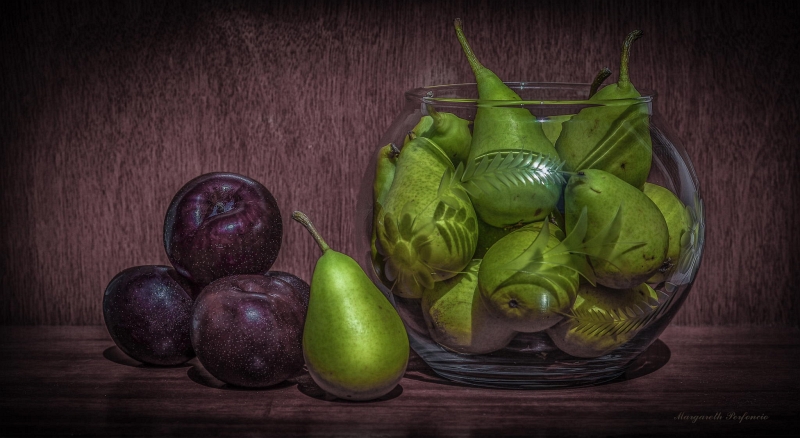
Still-Life Photography by Margareth Perfoncio
São Paulo photographer Margareth Perfoncio’s still lifes of food and flowers—Old Master light, dark wood, and tables that feel inevitable.

Meaningful Love Quotes for Inspiration (and Ink)
Meaningful love quotes that still feel true — short lines for tattoos, gifts, and everyday reminders, with placement and wording tips.