
Passion for Pumpkins’ Stage-Lit Jack-o’-Lanterns
Passion for Pumpkins turns thinned rinds into illuminated theater—shaded movie and stage scenes, documented at night by Frank C. Grace.
Halloween brings a flood of carved faces—triangles for eyes, jagged grins, candles trembling behind orange walls. Most of those jack-o’-lanterns are cheerful folk craft, and that is enough. Then there are the displays that stop a walk: pumpkins treated like illuminated relief sculptures, scenes lit from inside so that a character’s expression travels across a lawn at night. Passion for Pumpkins belongs to that second tradition. Their work for a stage-and-screen theme—titled in the spirit of “All the World’s a Stage”—turns squash into miniature theaters.
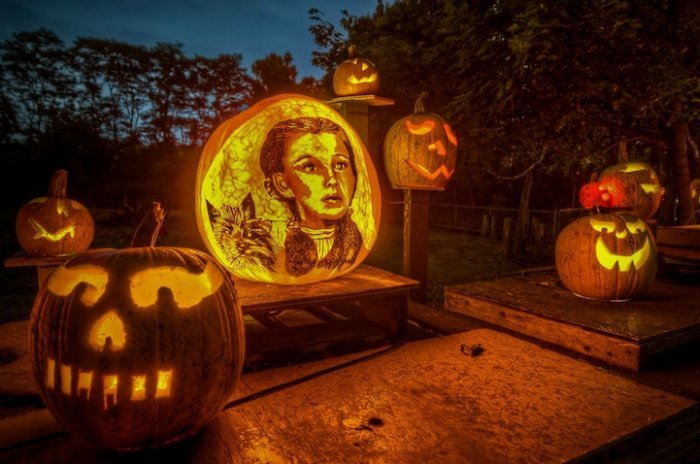
The photograph kept with this feature shows why the group’s pieces linger in memory. At dusk, carved pumpkins glow on wooden platforms and posts among trees. Classic grinning faces share the set with a large portrait pumpkin: Dorothy and Toto rendered in careful depth, braids and dog fur suggested by how deeply the rind was cut. Warm interior light does the rest. Against a cool twilight sky, the orange volumes read like lanterns and like little stages at once.
A technique built for light, not just holes
Ordinary carving removes large shapes so a candle can shine through. Passion for Pumpkins works closer to cameo and etching. Reports of their process describe pressing or thinning pumpkins until the wall is workable at shallow depths, then drawing and cutting with tools that sound almost domestic: ballpoint pens, oil-based markers, and paring knives. The pen and marker stage is planning—transferring a design, marking tonal zones. The knife stage is sculpting: scrape thin for bright glow, leave thicker for shadow, cut clean openings only where the image needs a hard edge or a true silhouette.
That depth control is what lets a Dorothy portrait feel dimensional instead of sticker-flat. Light passing through thinner rind blooms brighter; thicker rind holds midtones; full cuts punch highlights or outline. In effect, the pumpkin becomes a translucent grayscale, except the “gray” is orange illuminated from within. Photographers love these pieces because the light source is the subject. Frank C. Grace, who documented this display, had the advantage of shooting when the carvings were performing—after dark, when craft becomes theater.
Thinning the wall also changes how long a piece can be worked. A thick, wet pumpkin fights fine detail. A carefully prepared surface accepts smaller marks and cleaner curves. The tradeoff is fragility: thin walls bruise, dry, and collapse faster than a chunky traditional jack. Spectacular displays accept that ephemeral bargain. These are not mantel keepsakes. They are seasonal performances with a short run.
“All the World’s a Stage” as a pumpkin brief
Choosing iconic movies, Broadway shows, and television series as a theme is both crowd-pleasing and technically demanding. Audiences recognize faces and costumes in a second; any wrong proportion shows immediately. A Wizard of Oz pumpkin succeeds only if Dorothy’s look and Toto’s presence lock in without needing a caption. That recognition pressure pushes carvers toward portrait skill rather than generic spooky geometry.
Theater themes also justify mixing modes on one site. A toothy classic jack-o’-lantern can sit beside a photorealistic character pumpkin without clashing, because Halloween already accepts both carnival and craft. The display in the photograph uses that range: stylized grins on posts, a centerpiece portrait, smaller faces glowing in the background. The wooden risers and posts lift the lanterns into a rough amphitheater. Trees and dusk supply the house lights going down.
Popular culture subjects travel well in public gardens and zoo spectaculars, where families walk loops after dark. People point, name the reference, take photos, move on. The art has to read at walking speed and still reward a closer look. Passion for Pumpkins’ finer shading serves the second audience; the overall glow and silhouette serve the first.
Reading the Dorothy pumpkin as craft
Stand with the portrait piece in mind. Braided hair needs rhythmic cuts that suggest strands without shredding the wall. Eyes need catchlights—thin zones or openings—so the face does not go dead. Toto requires fur texture in shallow relief so the dog separates from Dorothy’s dress and the pumpkin’s curve. Because the form is round, the carver must compensate for distortion the way a muralist compensates for a curved wall. Features near the edges wrap away; the design has to stay readable when light blooms unevenly.
Interior light placement matters as much as the outer drawing. A bulb or candle sitting too high washes the forehead and guts the chin. Too low, and the eyes sink. Good installers treat the cavity like a tiny lighting grid. The photograph’s warm, even glow across Dorothy’s face suggests that care—or at least a fortunate alignment of carving depth and lamp. Either way, the result is cinematic: a character emerging from orange dusk.
Around her, the classic faces do supporting work. They remind viewers that this is still Halloween, not only a gallery of pop portraits. Crescent eyes, square teeth, and wide mouths keep the folk vocabulary alive. The contrast makes the portrait pumpkin feel more astonishing without abandoning the holiday’s older grammar.
Why documentation matters for ephemeral sculpture
Pumpkin art disappears. Heat, cold, moisture, and time collapse even masterful pieces within days. Photography is therefore not an accessory; it is the archive. Frank C. Grace’s images—associated with Trig Photography in coverage of this spectacular—freeze the night when the carvings were alive with light. Without that record, the craft exists mostly as rumor and memory.
Night photography of glowing pumpkins has its own discipline. Expose for the interior glow and the sky goes black; expose for twilight and the carving detail blows out. Grace’s frame balances both: enough sky and tree silhouette to place the scene outdoors, enough pumpkin luminance to keep Dorothy’s features legible. Low camera angle helps. Looking slightly up at the platforms gives the lanterns monumentality they might lose in a flat snapshot from standing height.
For viewers years later, the photograph is the artwork’s afterlife. That is worth remembering when we talk about “amazing jack-o’-lanterns.” We are often praising a collaboration between carvers who accepted decay and a photographer who caught the peak hour.
What home carvers can borrow (without forcing a masterpiece)
You do not need a press, a team, or a Broadway brief to learn from Passion for Pumpkins. Borrow principles. First, sketch before you cut. Marker lines on the rind prevent the wandering knife that ruins a cheek or an eye. Second, think in depths, not only in holes. Scraping thinner areas for glow is a beginner-accessible step toward shaded portraits, even if your subject is a simple moon or a cat silhouette. Third, plan the light source. A cheap battery tea light placed carefully often beats a candle that scorches and gutters.
Fourth, accept the timeline. Buy pumpkins close to display day if you want crisp edges. Keep carved pieces cool and out of direct sun. If you are making a portrait attempt, practice on a spare pumpkin or thick-skinned squash before committing your best specimen. Fifth, stage for viewing. Even one well-lit carving on a small crate near a dark hedge can feel more “spectacular” than five carvings scattered on a bright porch.
Safety stays ordinary but important: stable platforms, cords managed if you use electric lights, knives handled with respect, and no open flames near dry leaves or wooden props without attention. Public spectaculars industrialize those precautions; backyard versions still need a clear head.
Halloween as temporary public art
Displays like this sit in a friendly middle ground between craft fair and museum. They are populist—everyone knows Dorothy; everyone knows a jack-o’-lantern—yet they reward connoisseur looking at depth, edge quality, and lighting. Passion for Pumpkins works that middle ground with unusual seriousness. Thin walls, pen planning, and paring-knife shading are not party tricks; they are a method for turning produce into illuminated drawing.
The theme “All the World’s a Stage” fits more than the pop references. A pumpkin field at night is already a stage: risers, footlights (the glow itself), an audience on a path, a limited engagement before the set is compost. Shakespeare’s line about roles and exits becomes almost literal. The carvings play their parts, take their applause in gasps and phone photos, and exit into soft collapse.
If you return to the image after reading, ignore the urge to count pumpkins and instead watch how light grades across Dorothy’s face, how the classic grins hold the edges of the frame, and how the wooden posts turn orchard leftover into architecture. That whole arrangement is the piece. Passion for Pumpkins carved the faces; night and photography finished the scene. Somewhere between a ballpoint sketch on thin rind and a twilight walk among glowing squash, Halloween briefly becomes what it promises on its best nights: ordinary material, extraordinary attention, and a story you can recognize from across the dark.

Comments
Continue reading
Still-Life Photography by Margareth Perfoncio
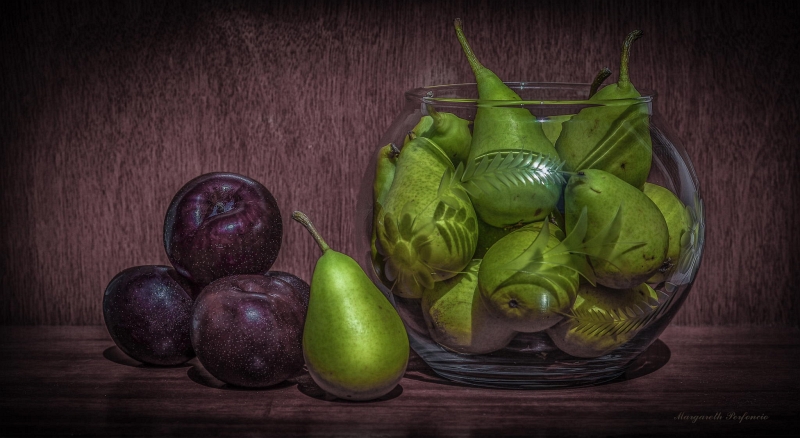
São Paulo photographer Margareth Perfoncio’s still lifes of food and flowers—Old Master light, dark wood, and tables that feel inevitable.
Meaningful Love Quotes for Inspiration (and Ink)
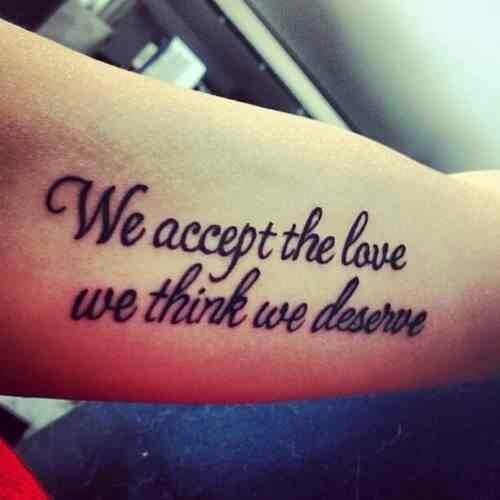
Meaningful love quotes that still feel true — short lines for tattoos, gifts, and everyday reminders, with placement and wording tips.
Christina Hess’s Animals From History: Costumed Pets as Playful Portraits
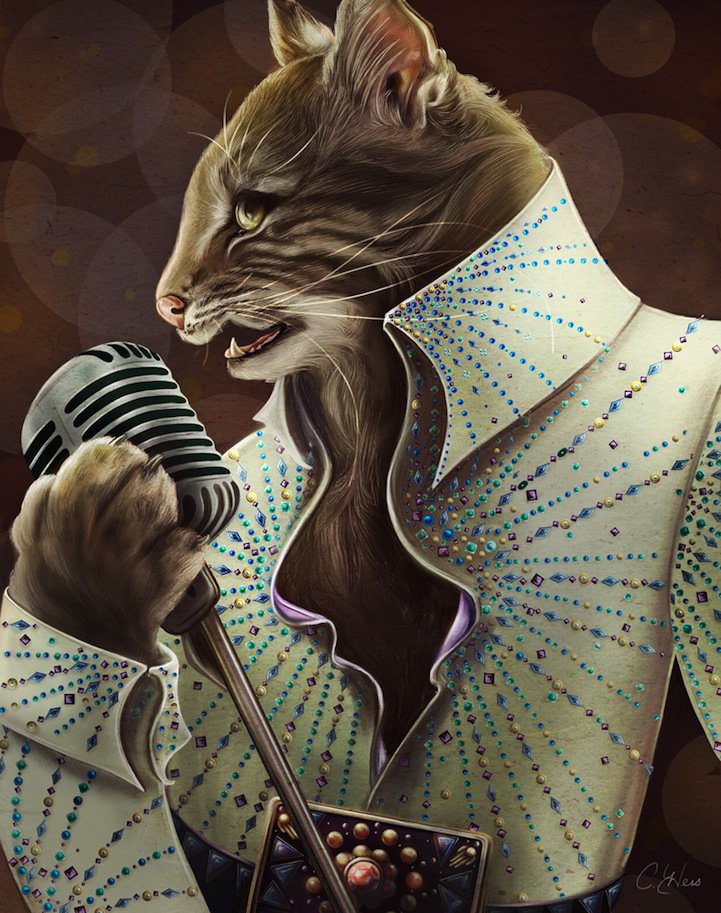
Illustrator Christina Hess reimagines historical icons as ornate animal portraits—Elvis Petme and friends—mixing puns, costume detail, and soft history lessons.