
Thanksgiving Tablescapes: Palette, Place Settings, and a Usable Center
A practical Thanksgiving tablescape guide—guest count, palette, textiles, low centerpieces, place settings, candlelight, kids’ seats, and a day-of timeline that leaves room for the turkey.
A Thanksgiving table works best when it looks intentional and still leaves room for serving bowls. You do not need a styled photo set or a shopping cart full of novelty props. You need a clear palette, a low centerpiece, place settings that match your dish count, light that flatters food, and a plan for how the meal will actually move from kitchen to plate. This guide walks through that practical build—from blank table to last-hour checklist—without turning dinner into a production that exhausts the cook.
Thanksgiving already brings abundance. The table’s job is to hold it gracefully and keep conversation possible.
Start with the room and the guest count
Before color or florals, count seats and measure the table. A six-person round needs a different center formula than a fourteen-person banquet board. Leave roughly a forearm’s width per place setting so elbows and serving spoons do not collide. If you are adding a folding leaf or a rented trestle, set it up the day before and walk around it with empty platters in your hands. Awkward corners show up then, not when the turkey is hot.
Decide where overflow lives: a sideboard, a kitchen island, or a second small table for desserts and drinks. Clearing the main surface of “everything edible” is the fastest upgrade most homes can make. Guests should see faces and a calm center line, not a fortress of dishes.
Choose one palette and stick to it
Pick three to five colors before you touch a single prop. Reliable Thanksgiving ranges include cream, rust, and olive; white, sage, and walnut; charcoal, copper, and soft gold; or deep burgundy with ivory and smoked wood. Limit bright orange to accents so the table does not read as costume. If your dishes are patterned, keep the runner and napkins quieter. If your dishes are plain, let textiles and foliage carry the season.
Repeat the palette in at least three places—napkins, candles, and one natural element—so the table looks planned rather than assembled from unrelated leftovers. Metals should also decide: warm brass/copper or cool silver/pewter. Mixing every finish at once looks accidental unless you are intentionally collecting vintage and keeping the rest of the palette very quiet.
Textiles that do real work
A runner is often smarter than a full tablecloth for crowded holiday meals: it frames the center, protects wood, and leaves side space for platters to land. Choose fabric you can wash or spot-clean; Thanksgiving is not a dry-clean-only holiday. Cloth napkins raise the feeling of the table more than almost any centerpiece. A simple fold or a napkin ring that matches your metals is enough.
If children will be present, consider darker runners or patterns that forgive gravy. If your chairs scrape or bump, avoid lace edges that catch. Comfort beats Instagram fragility.
Build a low, usable centerpiece
Guests should see faces across the table. Keep the tallest element under the sightline when people are seated—roughly wine-bottle height or lower. Good formulas:
- A linen runner with a scattered line of small pumpkins, pears, figs, and candle stubs;
- A shallow wooden board or tray with greenery, nuts, and two pillar candles;
- Three bud vases with short autumn stems spaced down the center instead of one bulky bouquet;
- A low bowl of citrus and bay leaves for scent without perfume candles near plates.
Leave landing zones for serving dishes. A beautiful centerpiece that forces sideboard service for everything will annoy the cook. If your table is narrow, use a single runner and skip wide trays. If you love height, put tall arrangements on the sideboard or entry table, not between facing guests.
Natural materials age well through a long meal: branches, seed pods, wheat, eucalyptus, dried hydrangea, small gourds. Fresh flowers are lovely if stems are short and water is stable. Avoid anything that sheds heavily onto plates.
Set places that survive the meal
Lay dinner plate, salad or appetizer plate if you use one, fork left, knife and spoon right, water glass above the knife. Wine glasses only if you will actually pour wine; empty glassware is clutter. Add a cloth napkin. Place cards help when the guest list mixes relatives who need gentle seating diplomacy; handwritten names beat printer perfection.
For a warmer look, layer a charger or larger base plate under the dinner plate only if you have room and enough of them for every seat. Mismatched vintage plates can work if they share a color family. Uniformity of spacing matters more than uniformity of pattern. Flatware that matches enough to feel intentional is better than a perfect set you do not have—borrow or mix metals within one temperature family.
Think about serving choreography: butter, salt, pepper, and sauces within reach of every two or three seats so people are not interrupting conversation to pass the length of the table twenty times.
Light, scent, and safety
Candlelight flatters food; overhead glare does not. Use unscented candles near the plates so perfume does not compete with dinner. Dim overheads if you can, and add a lamp in a corner for balance. Cluster candles in odd numbers along the runner, or pair pillars with votives for layered glow.
Avoid open flames crowded against dry leaves and paper place cards. Use hurricane glasses, stable bases, or LED candles when kids and pets are close. Keep matches and lighters away from curious hands. If you use string lights, hide cords and keep them away from serving traffic.
Scent belongs in the kitchen and in food. A lightly fragrant arrangement of herbs on the sideboard is safer than a heavily scented candle that fights the turkey.
Kids’ places and accessibility without spoiling the look
A small continuity of palette keeps a kids’ end of the table from looking like a separate party. Use unbreakable cups if needed, but napkins and a runner stripe in the same colors as the adult side. Leave wider gaps for high chairs. If someone uses a wheelchair or needs easier reach, claim an end seat with clear floor space and fewer floor props.
Allergies and dietary needs can be marked discreetly with place cards or a small note on the sideboard menu card rather than a lecture at every plate.
Timeline so the table does not steal the day
Two days before: iron or steam textiles, polish glasses, count plates and chairs, confirm serving pieces, buy candles and any produce for the centerpiece.
Day before: set the non-perishable tablescape—runner, candles (unlit), place settings, place cards, sideboard staging. Photograph the empty set if you want a clean reference.
One hour before guests: add fresh greenery or cut fruit, fill water pitchers, set butter and salt, clear mail from the sideboard, light candles after the oven chaos settles, and stop adjusting. A calm host is part of the tablescape.
After coffee: clear in stages. Blow out candles before you leave the room. Pack leftovers before you dismantle the pretty parts you want to reuse tomorrow.
A simple formula that always works
One palette. One low center line. Clear places. Soft light. Room for platters. That is enough. If you want more drama next year, add one upgrade only—better napkins, a longer runner, or a rented extra table—not five new crafts the morning of.
Thanksgiving tablescapes succeed when people remember the meal and the faces, not when the centerpiece wins a silent competition with the food. Build for use, then let abundance do the rest.

Comments
Continue reading
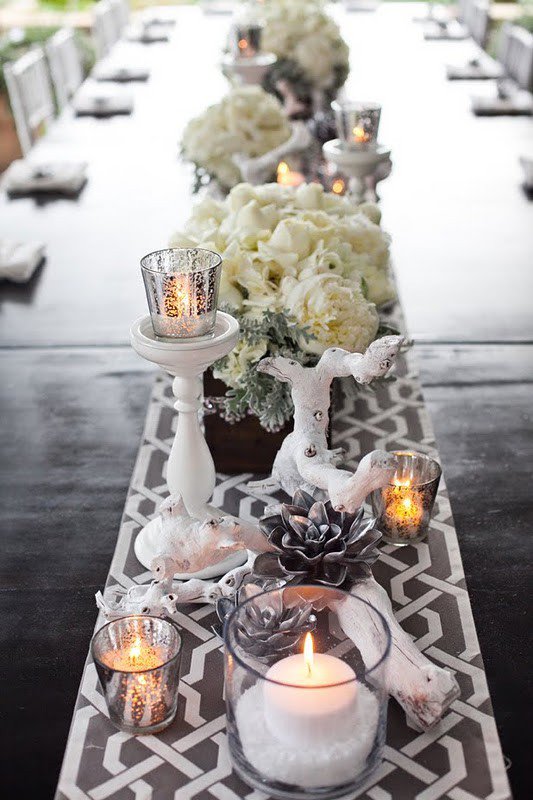
White Winter Creamy Tablescapes
Ivory runners, candlelight, and pale centerpieces — how to build a creamy white winter table that feels seasonal without crowding every place setting.
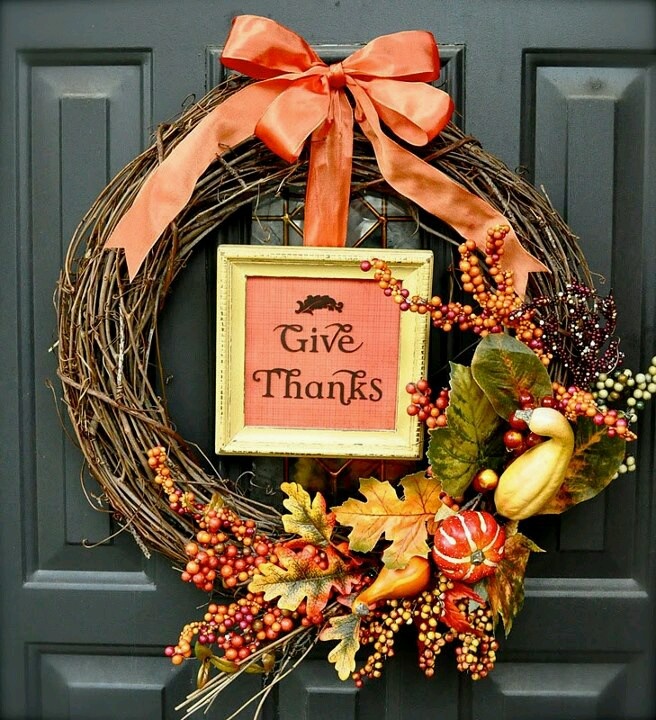
Thanksgiving Wreath Ideas You Can Make
Practical Thanksgiving wreath methods—burlap or yarn bases, felt flowers, wheat and berries, ribbon leaves—plus hang and store tips without affiliate clutter.
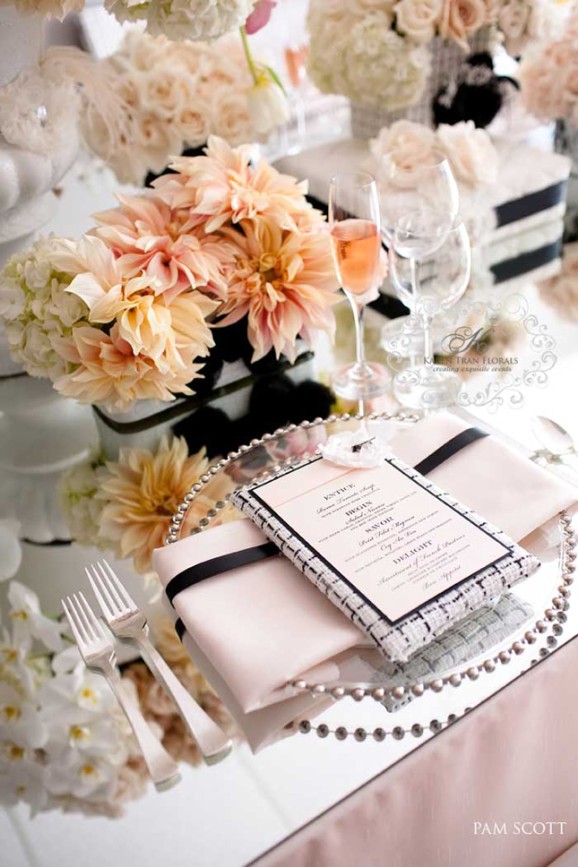
Dream Wedding Tablescapes: Color, Height, and Place-Setting Ideas
Inspiration for reception tables - blush-and-black place settings, purple banquet florals, candlelit outdoor orchids - plus practical notes on contrast, sightlines, and guest comfort.