
Christmas Wreath Ideas: Greenery, Naturals, Yarn, and Ornaments
Practical Christmas wreath ideas for your door—evergreen classics, pinecones and cinnamon, yarn and fabric, thrifted ornaments, and weather-smart build tips.
A Christmas wreath is the smallest architectural change with the loudest curb effect. One circle on the door tells visitors whether the house leans rustic, playful, formal, or handmade-before-breakfast. You do not need a craft room or a florist budget—only a base form, a clear palette, and materials that can survive a slam, a draft, and a few weeks of weather.
The ideas below treat wreaths as design problems: silhouette, texture, color temperature, and how the piece reads from the sidewalk. Pick one lane and commit. Mixed messages look busy; a single strong idea looks intentional.
Start with the form, not the decorations
Every durable wreath begins with structure. Grapevine rings accept wire and look good even when sparsely dressed. Foam rings take pins and hot glue but dislike heavy rain. Wire frames suit ornaments and fabric strips. Wooden embroidery hoops and metal rings give a modern outline with less bulk. Recycled bicycle rims, embroidery frames, and thrifted picture-frame circles work when you want a non-traditional silhouette.
Measure the door before you buy. A wreath that swallows a narrow apartment door looks aggressive; a tiny ring on a wide double entry looks apologetic. As a rough guide, leave breathing room around the circle so paint color and hardware still show. Hang with a wide ribbon over the top of the door if you dislike drilling, or use an over-door hook rated for the finished weight—ornament wreaths get surprisingly heavy.
Evergreen classics, refreshed
Fresh fir, cedar, and pine still set the seasonal baseline. Buy a plain green wreath and edit it rather than starting from bare wire if you want speed. Strip a third of the filler bows that come pre-attached, then add only two or three accent types: say dried orange, cinnamon, and a single velvet ribbon. Restraint keeps the greenery readable.
If shedding drives you mad, mix real tips into a faux base so the scent is present without a full needle storm on the mat. Mist real greenery lightly and keep the wreath out of direct afternoon sun when you can; heat cooks moisture out fast. On very cold porches, fresh greens can last surprisingly well—cold is kinder than dry heat.
For a quieter classic, skip red berries entirely. Use olive, eucalyptus, and dusty miller tones for a cooler winter palette that still photographs as holiday without shouting Santa-factory red.
Natural materials that age with dignity
Pinecones, seed pods, cinnamon sticks, dried citrus, and nuts reward a slow build. Bake pinecones on a low oven setting to discourage hitchhiking insects, cool them fully, then dry-brush metallic paint on the tips only. Wire cones to a grapevine base; glue alone fails when wind lifts the door.
Cinnamon sticks bundled in small packs and wired around a ring create fragrance guests notice before they knock. Tuck star anise or clove-studded orange slices into gaps. Keep spice wreaths under an overhang—rain dulls oils and softens paper-thin citrus.
Wood slices and corks lean cabin without needing a forest. Glue thin rounds onto grapevine with irregular gaps so the ring still breathes, or pack corks cut on the diagonal for rhythm. Pair with burlap or plain twine rather than glitter ribbon so texture stays honest.
Yarn, fabric, and soft volume
Yarn-wrapped foam is a weekend project that looks expensive from ten feet away. Wrap tightly so little white base shows, changing color every few inches for stripes or a soft ombré. Classic red, cream, and forest green still read Christmas; charcoal and blush push the same idea toward contemporary.
Rag wreaths forgive imperfect cutting. Strip flannel, wool, or even old ties into lengths, knot them onto a wire frame, and push knots tight as you go. Menswear textures—tweed, pinstripe, charcoal—look sharp against white trim. Leave intentional gaps if you want the door color to participate.
Bow-heavy wreaths need varied ribbon widths. Mix a wide satin with a narrower patterned ribbon so the circle does not flatten into one repeated loop. Secure with floral wire pushed into foam; door slams defeat glue. Leave a small open wedge if you plan to add a monogram later.
Ornaments, metallics, and thrift finds
Thrift-store ornament bags are wreath gold. Use a wire frame and floral wire: large balls as anchors, smaller ones as fill, matte and shiny finishes mixed so porch light does not create one hot glare. Prefer shatterproof outdoors; real glass looks richer but loses arguments with wind and swinging doors.
Metallic stars and sparse greenery read modern when you limit metals to two—brass and soft gold, for example—and let negative space do work. Too many charms turn the circle into a jewelry drawer. A single oversized bow at four-o’clock or seven-o’clock often beats a bow centered on top like a factory default.
Painted bottle caps, keys, cookie cutters, and wooden letters can personalize a ring without buying craft-store kits. Keep the color story short: one dominant, one accent, one metal.
Playful and kid-friendly builds
Not every door needs to look forest-born. Felt balls, paper snowflakes, foam “candies,” and soft toys wired securely can make a greeting children recognize as theirs. Work in color arcs rather than scattering sweets randomly so the eye travels around the circle.
Paper and book-page wreaths suit indoor doors and protected porches. Roll pages into cones, glue in overlapping layers, and seal lightly if humidity is high. Kids can stamp or watercolor scraps before assembly—participation matters more than perfection.
If you use real candy, expect stickiness and insects on mild days. Sealed plastic shapes or painted foam survive the season better outdoors and still read as confection from the street.
Lighting and how the wreath reads after dark
A wreath that looks rich at noon can vanish at night. Battery micro-lights woven through greenery help, especially warm white rather than icy blue. Avoid harsh floodlights aimed straight at metallic ornaments; soft side light from a porch bulb flatters depth.
Consider the door color as part of the composition. Deep green greens on a black door can disappear; cream ribbon or pale wood slices restore contrast. Red doors already supply holiday heat—let the wreath stay quieter. White doors forgive almost any palette but punish clutter; edit harder.
Weather, storage, and January honesty
Match materials to exposure. Covered porches forgive paper and yarn. Open to rain, prefer sealed foam, shatterproof ornaments, treated wood, and quality faux greens. Check hanging hardware mid-season; wet wreaths gain weight.
When January arrives, photograph the wreath before you dismantle it—next year’s you will forget what worked. Store cones and ornaments in labeled boxes; compost spent citrus and real greens; wind ribbons onto cardboard so they do not crease into permanent waves.
A short build checklist
- Choose one silhouette and one palette before buying accents.
- Build for weight: wire heavy pieces; glue only light trim.
- Leave negative space so the circle still reads as a circle.
- Test hang at dusk once—adjust ribbon and lights then, not on Christmas Eve.
- Keep a spare bow or berry cluster for mid-season repairs.
Whether you wire cinnamon into grapevine or pack a thrift bag of ornaments onto a wire ring, the goal is the same: a door that looks ready for company. Start simple, edit once, and stop when the sidewalk silhouette feels clear.

Comments
Continue reading
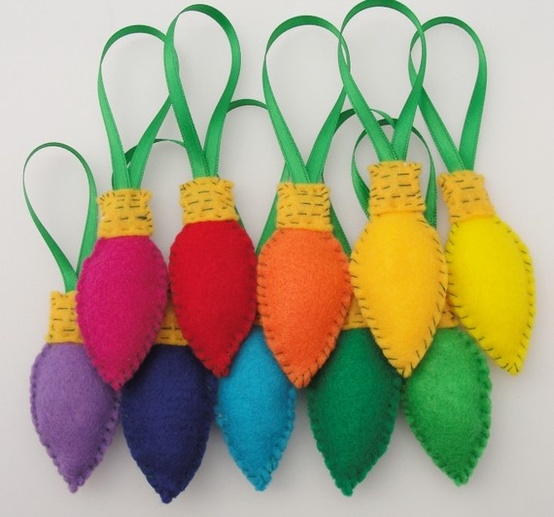
DIY Christmas Ornaments with Paint, Glitter, Crystals, and Filled Balls
Turn plain ornament blanks into a cohesive handmade tree with painted swirls, sealed glitter, crystal accents, filled scenes, and ribbon hangers that store cleanly for next year.
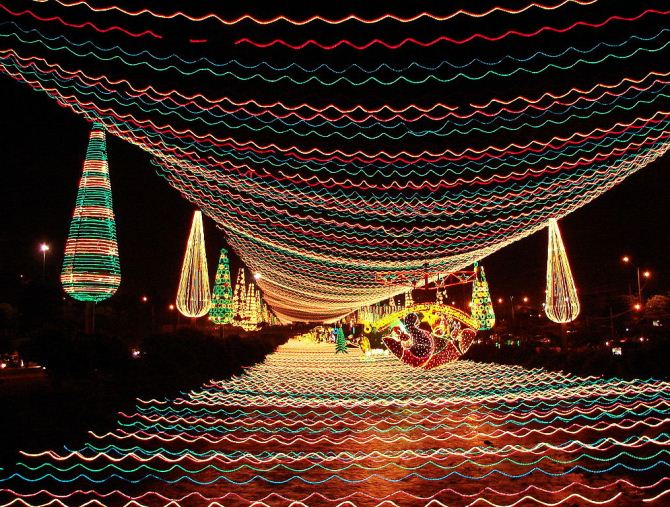
Christmas Lights Around the World: Ten City Displays
From Vienna’s markets to Medellín’s river canopy and Singapore’s Orchard Road—ten cities where public Christmas lights turn night into a destination.
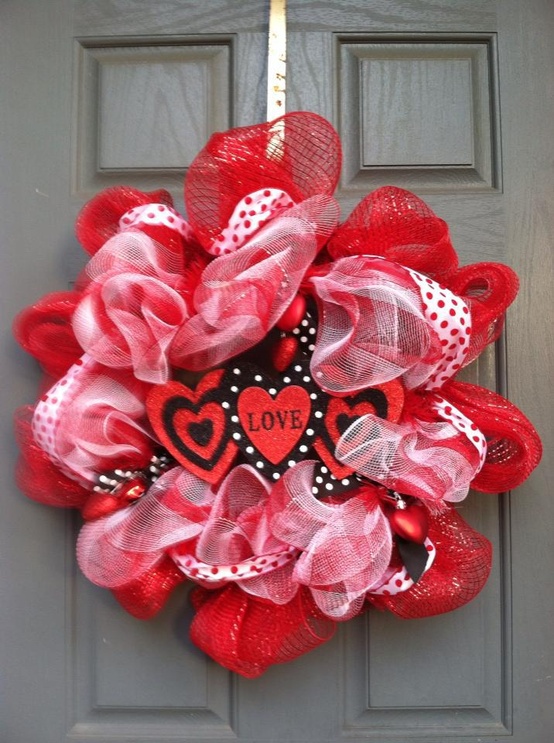
15 Lovely DIY Valentine’s Day Wreaths You Can Make at Home
Fifteen approachable DIY Valentine’s wreaths—felt roses, yarn ombré, paper hearts, dried florals, and more—with materials tips and hanging advice for doors and walls.