
Bookcase Design Ideas: Hidden Doors, Built-Ins, and Sculptural Shelving
From hidden bookcase doors to freestanding towers and quiet built-ins—design ideas that balance storage, scale, styling, and everyday use.
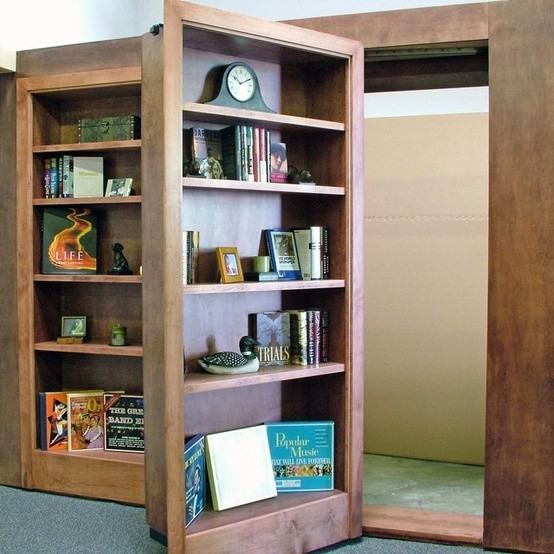
A bookcase is rarely just storage. It frames how a room thinks—whether books sit in a quiet wall niche, climb a stairwell, or hide a doorway behind a false front of spines. The designs collected here lean into that dual role: furniture that holds paper and also sets mood, scale, and surprise. Look for built-ins that vanish into architecture, freestanding towers that act like sculpture, and the beloved hidden door that still feels like a private joke between house and reader.
When people search for bookcase design ideas, they usually want more than a catalog of shelves. They want a room that feels intentional: volumes ordered by color or size, negative space that lets a few objects breathe, lighting that makes titles readable after dark. The gallery images below work as case studies. Study how each piece meets the wall, floor, and ceiling. Notice whether the bookcase is the hero of the composition or a quiet servant to a sofa, desk, or window. Those relationships matter more than any single finish sample.
Homes from the early 2010s onward pushed bookshelves into open plans, lofts, and multi-use rooms where storage had to look deliberate. That is still the brief. A bookcase that only works in a photo—overstyled, under-anchored, impossible to dust—fails the people who live with it. Use this collection to train your eye, then translate what you like into measurements, loads, and habits you already have.
Hidden doors and architectural tricks
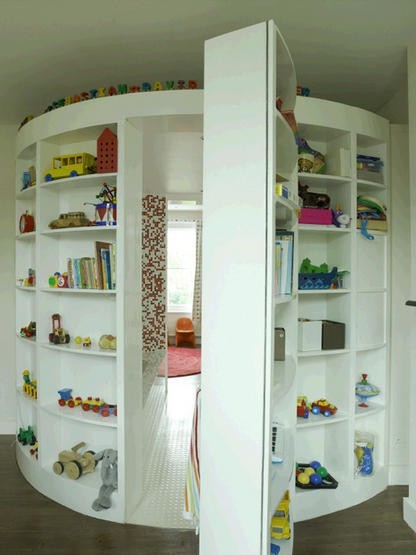
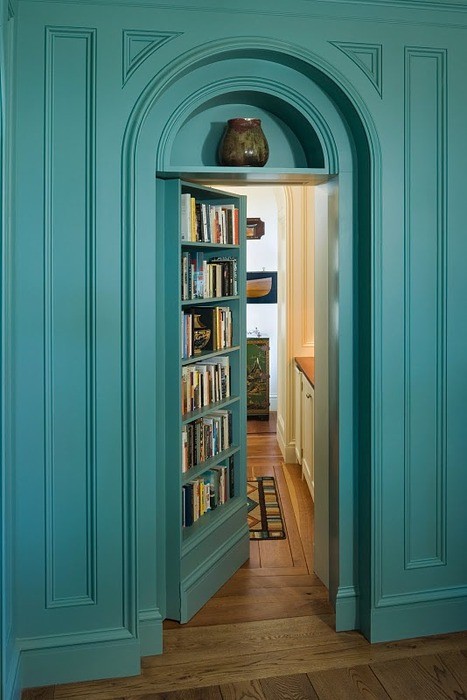
The hidden bookcase door remains a favorite for good reason. It turns storage into theater: a flush panel of shelves that swings or slides to reveal a study, closet, or passage. Done well, the reveal never looks like a Halloween prop. Grain matches the surrounding millwork. Hardware stays nearly invisible. Weight is engineered so the door does not sag under hardcovers. If you chase this idea at home, prioritize a solid frame, proper hinges or a tracked system rated for the load, and a clear swing path so rugs and baseboards do not become obstacles.
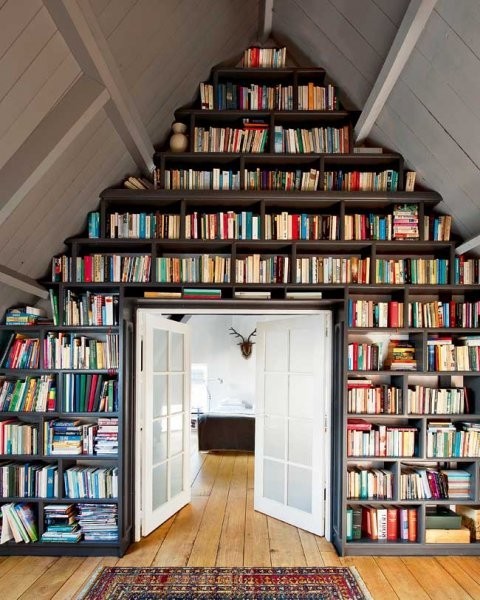
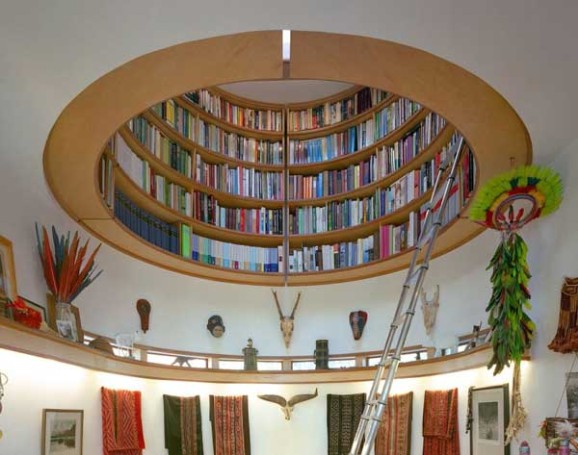
Floor-to-ceiling built-ins stretch a room’s vertical axis. They make modest footprints feel library-like and give tall volumes a home that freestanding units cannot match. The trade-off is commitment: you are shaping architecture, not buying a temporary piece. Measure for electrical outlets, vents, and window returns before drawings go final. Leave a small reveal or shadow gap where the case meets the ceiling so settling houses do not telegraph stress cracks onto painted faces.
Flush library walls also ask for planning around baseboards and crown. Either continue trim across the face of the case for a continuous room language, or interrupt trim cleanly at the bookcase edge so the unit reads as a deliberate inset. Half-measures look accidental. If you want a true library feel, consider integrated ladder rails only where ceiling height and floor space make them safe—never as décor that cannot be used.
Freestanding forms and sculptural shelving
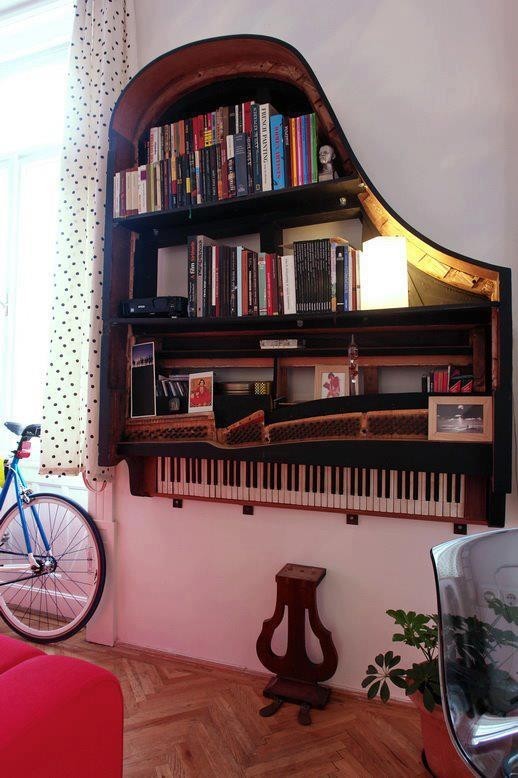
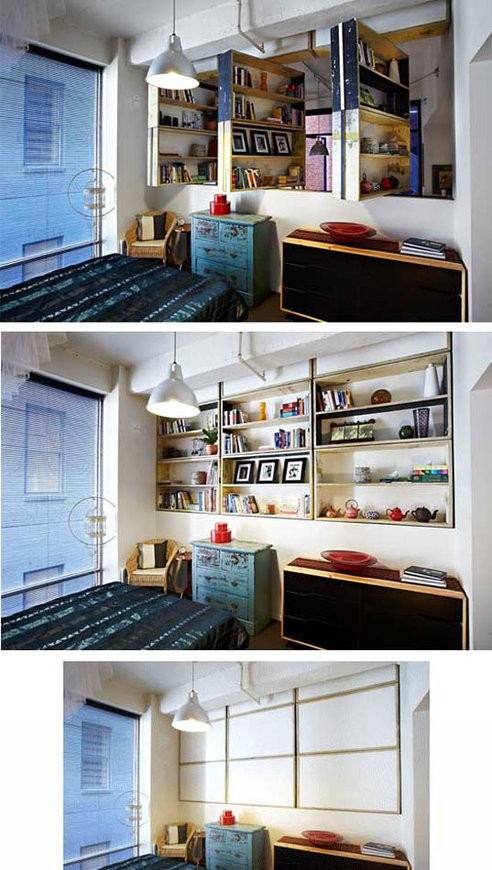
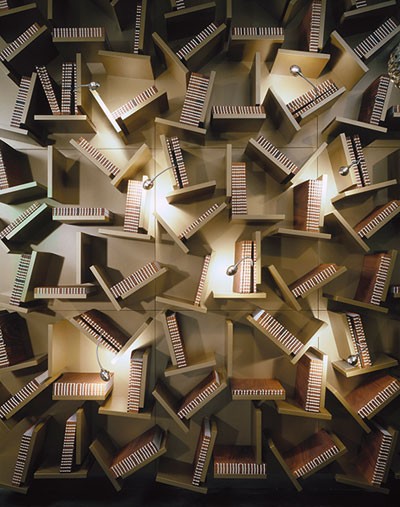
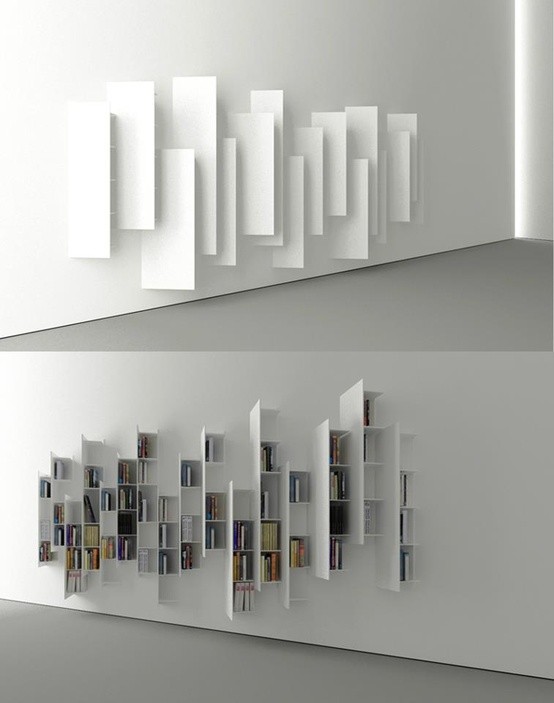
Not every strong bookcase wants to disappear. Ladder shelves, staggered modules, and asymmetrical towers treat books as part of a three-dimensional composition. These designs shine in lofts and open plans where a solid wall of cabinetry would feel heavy. They also forgive change: you can move them when life rearranges itself. The risk is tip-over and visual clutter. Anchor tall units to studs, keep heavier volumes on lower shelves, and resist filling every inch. Empty shelf ends are not unfinished; they are breathing room.
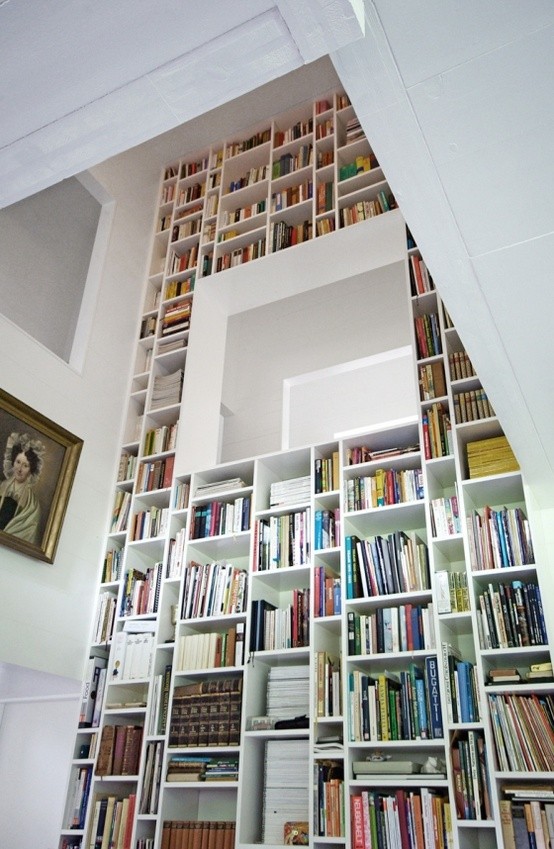
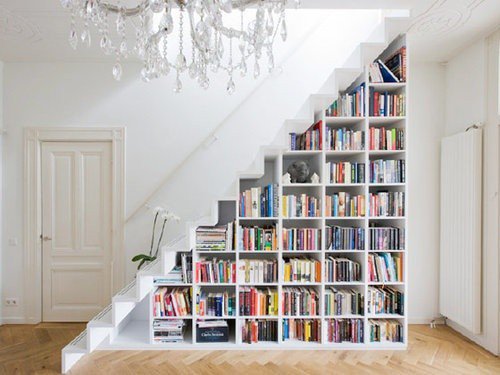
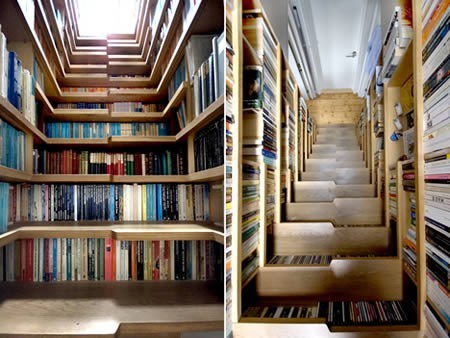
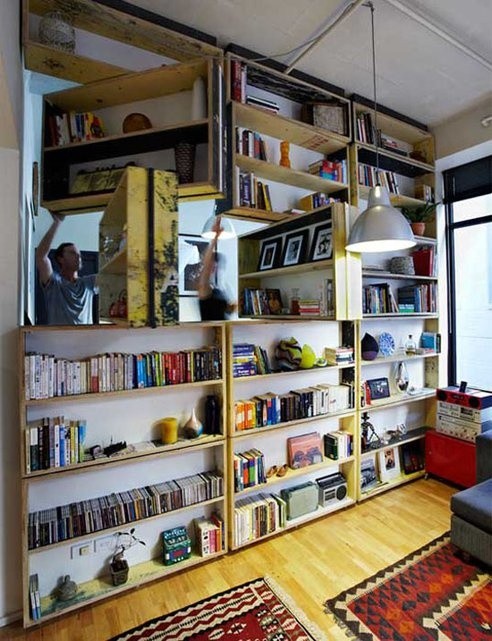
Modular systems let you grow a wall over time—cube grids, stacked boxes, or reconfigurable uprights. They suit renters and first homes, but they look best when you impose one rule: a limited finish palette, consistent spacing, or a single accent color for backs. Without a rule, modules read as storage bins rather than design. With a rule, they become a graphic rhythm across the wall.
Metal frames and open backs keep sight lines in studios. Solid backs create privacy when a bookcase doubles as a divider. Either approach can work; the mistake is mixing both languages on the same short wall. Decide whether the piece should feel transparent or architectural, then stick to that decision when you style and when you buy the next module.
Styling: color, objects, and everyday use
Beautiful bookcases fail when styling becomes performance. Rainbow spines can look intentional in a short run and exhausting across an entire wall. Alternating vertical stacks with horizontal piles adds variety without chaos. Mix in a few objects—ceramic, framed photos, a plant with a real pot that will not stain the shelf—but keep the ratio in favor of books. If a shelf looks like a gift shop, remove half the décor.
Lighting changes everything after sunset. Picture lights, LED strips tucked under shelves, or a nearby floor lamp can keep titles legible and give the wall a soft glow. Avoid harsh spots that bleach paper jackets. If you store valuable volumes, keep them out of direct sun and away from radiators. Design that looks brilliant in a photo can still be unkind to paper if heat and ultraviolet light are ignored.
Dust is the unglamorous partner of open shelving. Leave enough finger room between rows to clean, and prefer closed cabinets for rarely used sets if allergies are an issue. A beautiful wall that nobody wants to maintain will slowly turn into a neglected one. Plan cleaning access the same way you plan shelf spans.
Small rooms, corners, and hard-working niches
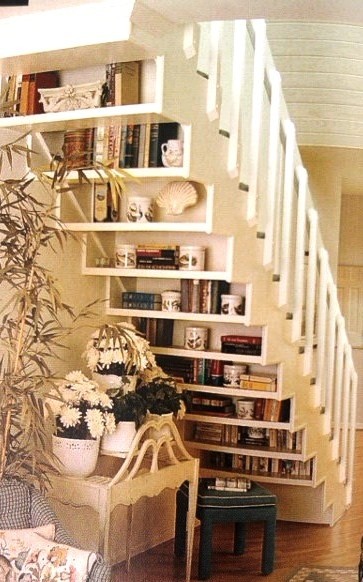
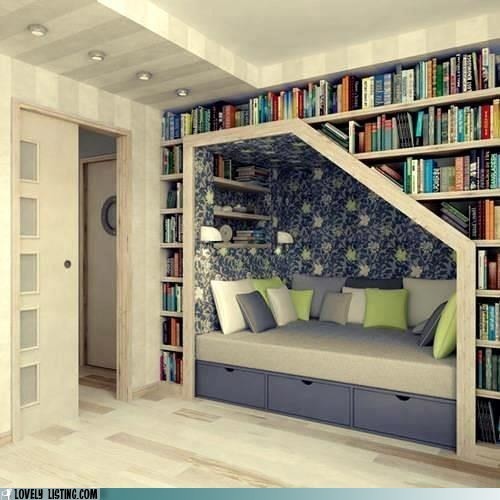
Corners and hallway recesses often become dead space. A shallow bookcase—eight to ten inches deep—can reclaim them without blocking traffic. Under-stair libraries turn leftover geometry into a reading nook. Window-seat cabinets with open shelves above combine seating and storage. In studios and apartments, a bookcase can double as a room divider: open backs keep sight lines, while denser backs create privacy. Always leave clearance for doors, HVAC returns, and the swing of nearby chairs.
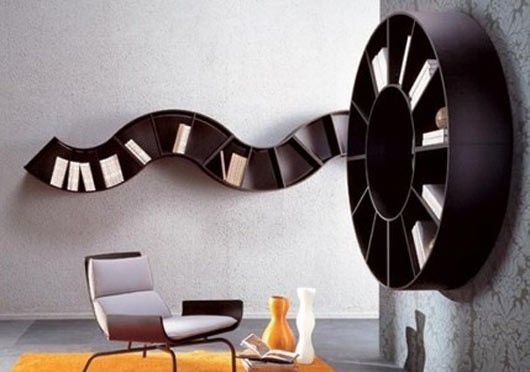
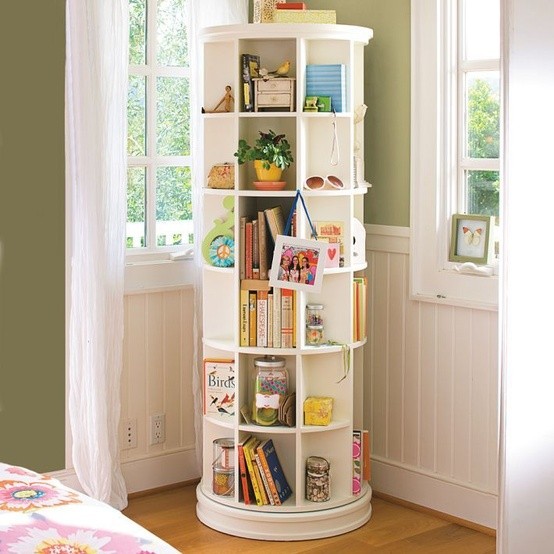

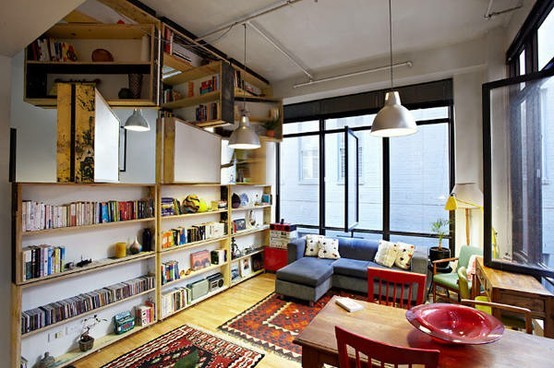
Materials set the emotional temperature. Painted MDF reads crisp and contemporary. Oak and walnut warm a room and age with character. Metal frames feel industrial and light. Glass doors protect collectible sets from dust but add reflection and weight. Match the finish to the room’s other wood tones rather than introducing a third language of grain. Consistency is what makes even adventurous forms feel settled.
Shelf thickness and span are structural choices disguised as style. Thin shelves that bow under art books telegraph poor planning. If you love long open runs, specify thicker stock or add a discreet mid-span support. Oversize art books may need deeper shelves than paperbacks; measure your largest volumes before you order a shallow, fashionable depth that cannot hold them upright.
Choosing a direction that fits your life
Before you fall for a single photograph, ask practical questions. How many linear feet of books do you actually own—and how fast is the collection growing? Do children need lower shelves with rounded edges? Will the bookcase sit on carpet that compresses unevenly? Is the wall load-bearing enough for a heavy built-in, or should you stay freestanding? Inspiration galleries are strongest when they sharpen these decisions instead of postponing them.
Use this short checklist when you narrow the field:
- Structure: Built-in, freestanding, modular, or hidden door?
- Load: Shelf thickness, span, and anchoring for your heaviest books.
- Scale: Height relative to ceiling; depth relative to traffic.
- Finish: One wood or paint language that matches the room.
- Light: Daylight protection plus evening readability.
- Styling rule: One organizing idea so shelves stay calm over time.
Pick one image that matches your constraints more than your fantasy, then design toward that constraint first. The cleverest bookcase in a gallery is still only successful if it holds your books safely, leaves the room walkable, and still looks like itself after a year of daily use.

Comments
Continue reading
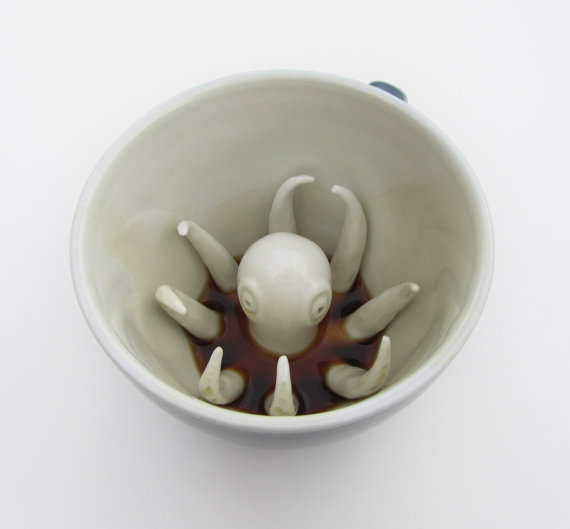
Creature Cups by Yumi Yumi: Hidden Animals at the Bottom of Your Mug
Designer Yumi Yumi’s Creature Cups hide sculpted animals—octopus, otter, and more—under your drink so each sip slowly reveals a ceramic surprise.
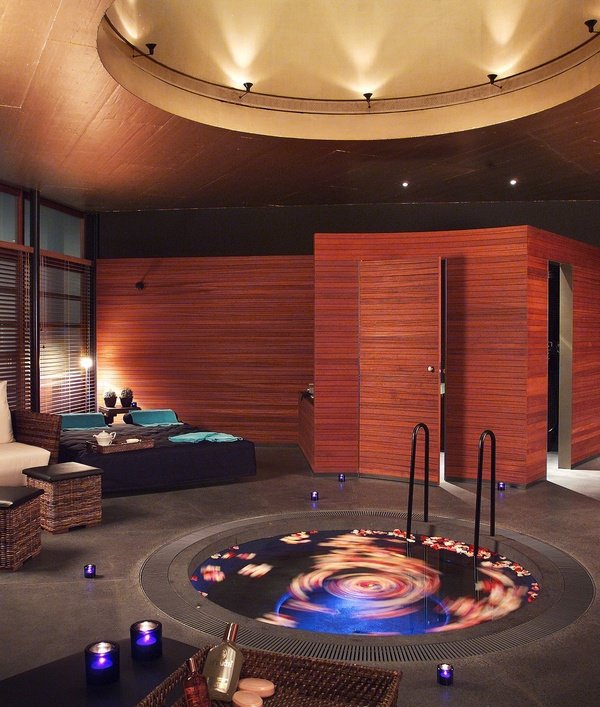
Magnificent Indoor Pools: Light, Materials, and Quiet Luxury
A design gallery of indoor swimming pools—glass, stone, night lighting, and circulation cues—read as architecture rather than lifestyle envy.
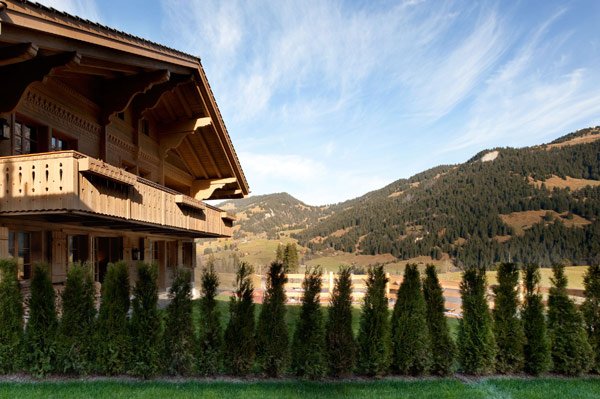
Chalet Gstaad by Ardesia Design and Amaldi Neder Architects
A 380 m² Swiss Alps holiday lodge where rough-sawn timber, long fir floors, fabric headboards, and mineral bathrooms replace alpine kitsch with quiet warmth.