
Supercut | Call Me Maybe
How Carly Rae Jepsen’s hit became a 2012 meme format—Harvard Baseball, Star Wars, Fallon, Cookie Monster, and the supercut era.
By mid-2012, Carly Rae Jepsen’s “Call Me Maybe” had stopped being only a pop single and become a shared social script. People knew the hook before they knew the verses. They knew the head-tilt, the pretend phone, the deadpan chorus delivery. Once a song reaches that level of public fluency, parody is not optional—it is infrastructure. What followed was a summer of tributes, lip-dubs, sports-team routines, late-night reinventions, and fan edits so dense that editors began packaging them as supercuts: one track, dozens of faces, the internet singing along with itself.
This feature revisits that wave through the versions that defined the meme’s range—Star Wars mashups, Harvard Baseball’s road-trip choreography, SMU Women’s Rowing’s answer video, Chatroulette chaos, Batman and Cookie Monster spins, Jimmy Fallon’s classroom-instrument spectacle, and the political remixes that put Barack Obama’s image into the earworm. Together they explain why “Call Me Maybe” felt less like a hit and more like a format.
How a song becomes a template
Viral covers need three ingredients: a simple melodic contour, lyrics people can mime without embarrassment, and a visual idea that travels in fifteen seconds of a longer video. “Call Me Maybe” had all three. The chorus sits in a friendly range. The title phrase is a complete social gesture. The original video’s bright, slightly awkward romantic comedy energy invited imitation rather than intimidation.
Justin Bieber, Selena Gomez, and friends helped kick the song into wider orbit with a casual lip-sync that framed the track as something famous people did for fun, not only something radio played. After that, the barrier collapsed. If celebrities could look slightly silly on purpose, so could baseball teams, rowing squads, office groups, and bedroom editors. By Memorial Day 2012, Slate was already calling it a candidate for song of the summer and pointing readers to Popdust’s supercut stitching dozens of YouTube tributes into one continuous chorus.
Supercuts mattered because no single parody could represent the phenomenon. The joke was quantity plus variety: the same four lines surviving transfer into totally different social worlds. Watching them back-to-back turns the song into a measuring stick for group identity. How does Harvard look when it sings? How does a Muppet look? How does a galaxy far, far away look?
Sports teams: Harvard Baseball and SMU Women’s Rowing
Harvard Baseball’s 2012 cover became one of the genre’s foundational texts. Filmed with the unbothered seriousness of athletes who refuse to break character, it mixed synchronized moves, ceiling thumps in a van, and the immortal detail that one teammate really was asleep in the back seat the whole time. The sleep was not a bit added in edit—it was documentary luck that made the video feel human. Tens of millions of views later, it still works because the choreography is tight and the faces stay earnest.
SMU Women’s Rowing answered in the same dialect: team unity, travel boredom, chorus as cadence. The two videos became a friendly rivalry of campus athleticism set to pop. TODAY even brought the teams together for an on-air face-off, proof that the meme had crossed from YouTube comment sections into morning-television ritual. Sports “Call Me Maybe” videos succeeded because teams already understand unison. A chorus is just another drill with better lighting.
Franchise play: Star Wars and Batman Maybe
Once the sports template was established, editors went hunting through existing media. James Covenant’s Star Wars “Call Me Maybe” cut dialogue and gestures from the films into Jepsen’s melody—Luke, Leia, Han, Chewbacca, Ewoks, and yes, Jar Jar—so the galaxy seemed to perform the song without knowing it. Slate covered it as evidence that the earworm had left Earth. The pleasure is recognition: you spot a clip, your brain supplies the lyric, the lyric somehow fits.
“Batman Maybe” and similar superhero edits worked on the same principle. Dark costumes plus bright pop create productive mismatch. The supercut era loved contrast. Cookie Monster’s “Share It Maybe” pushed the mismatch further into kids’-TV absurdity: a blue monster pleading about cookies in the cadence of a crush song. Those versions were not trying to dethrone the original video. They were proving the hook could survive any costume department.
Late night, politics, and Chatroulette chaos
Jimmy Fallon’s “Call Me Maybe” with Jepsen and The Roots remains a high-water mark because it is actually sung, not only lip-synced, and because the arrangement swaps arena polish for classroom instruments. Toy pianos, percussion novelties, and Fallon’s variety-show glee reframe the hit as a living-room jam. Having Jepsen inside the parody closes the loop: the song’s owner blesses the joke by joining it.
Political remixes—Barack Obama “Call Me Maybe” edits and related campaign-season hijinks—showed another side of the template. Auto-tuned speeches and face-mapped choruses turned policy theater into pop karaoke. Whether you found them clever or exhausting, they confirmed the song’s status as public language. If a melody can carry a president’s clipped phrases and still sound like summer, it has left the charts and entered folk process.
Chatroulette-era versions captured a rawer internet: strangers, webcams, awkward latency, the thrill that anyone might join the chorus. Those clips age differently from polished team videos. They feel like documentation of a network still discovering its own camera. In a supercut, they supply texture—the messy middle between Harvard’s van and Fallon’s studio.
What the supercut form was doing
Editors at Popdust, What’s Trending, HuffPost, and others were not only aggregating views. They were performing cultural criticism with scissors. A supercut argues that the “real” text of “Call Me Maybe” in 2012 was the swarm of performances, not the official video alone. Meaning lived in circulation. Each new group that learned the chorus expanded the song’s social map.
That is why lists from the period read like a cast sheet: Star Wars Call Me Maybe; Harvard Baseball Call Me Maybe; SMU Women’s Rowing Call Me Maybe; Call Me Maybe Chatroulette; Batman Maybe; Cookie Monster Share It Maybe; Jimmy Fallon Call Me Maybe; Barack Obama Call Me Maybe. The titles are almost interchangeable except for the proper noun. The proper noun is the point. Identity plugs into a shared chorus the way a face plugs into a meme macro.
Musically, the song’s structure helped editors. Clear sections, repeating chorus, lyrical hooks that land on predictable beats—these are gifts to anyone slicing footage. Visually, the original’s bright palette and direct-to-camera energy taught imitators to face the lens and commit. Half-hearted participation dies in a supercut; full commitment survives compression into two-second slices.
After the summer cooled
Every viral song has an afterlife. Some become ironic. Some become nostalgia bait. “Call Me Maybe” did both, then circled back into genuine affection as Jepsen’s catalog earned critical reappraisal. The 2012 supercut moment remains specific, though: a few months when sports teams, Muppets, Jedi, presidents, and late-night bands all agreed on the same four words.
Watching those tributes now is less about discovering the joke and more about recognizing a peak of shared, low-stakes participation. Before every platform optimized for private For You feeds, a lot of the internet still gathered around one chorus at a time. “Call Me Maybe” was that chorus—catchy enough to copy, sturdy enough to parody, friendly enough that even a sleeping ballplayer in the back seat could become part of the legend.
If you cue a supercut today, do not hunt for the “best” version. Hunt for the handoff: Harvard to SMU, Muppet to Batman, Fallon to a fan edit you forgot existed. The song is the wire. Everyone else is just calling—maybe.

Comments
Continue reading
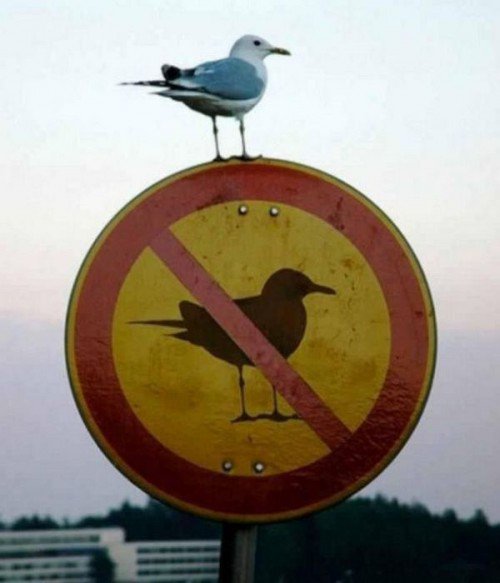
Funny Animal Signs That Warn People (While Animals Ignore Them)
From a seagull on a no-birds disc to classic zoo and park ironies—why animal warning signs get funny, and what the rules are still for.
How to Find Local Amenities on Vacation: Mechanics, Haircuts & More
Locate trustworthy local services and everyday spots while traveling or settling in—using publications, reviews, map apps, neighbor tips, and low-pressure exploration.
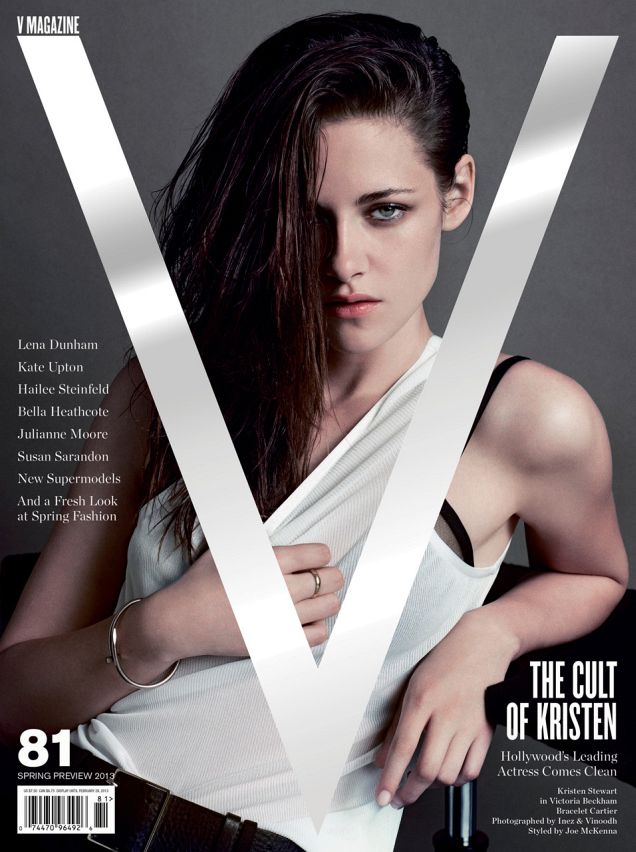
Kristen Stewart for V Magazine, Spring Preview 2013
V81’s Wild at Heart cover story—Kristen Stewart shot by Inez & Vinoodh, styled by Joe McKenna, in pale minimal spring glamour.