
London Street Style: Fashion Week Pavements and East End Dialects
Print mash, fluoro flashes, and weather-smart layering—from Somerset House courtyards to Dalston and Brick Lane’s longer style season.
London street style has never been a single look. It is a set of overlapping dialects spoken within a few Tube stops of each other: the polished fashion-week scrum outside Somerset House, the scavenged cool of Brick Lane and Shoreditch, the quieter confidence of Dalston nights where biker jackets and tea dresses share a bar stool. In 2012, when street-style photography was still accelerating as a public sport, London’s sidewalks were treated as a primary text—sometimes more closely read than the shows themselves.
What photographers chased there was not Manhattan’s glossy uniformity or Paris’s studied elegance. It was clash with nerve: prints on prints, fluoro against grunge, a Mulberry bag next to pastel hair, a felt hat worn because the weather might turn in twenty minutes. The city’s fashion identity lived in that willingness to look assembled and improvised at the same time.
That improvisation is easy to romanticize and harder to practice. London rewards commitment more than perfection. An outfit that hesitates—half pattern, half apology—gets lost against brick, rain, and visual clutter. An outfit that commits to mash-up logic can look intentional even when the pieces come from different decades and price tiers.
Fashion Week as temporary street theatre
During London Fashion Week, the pavement becomes a second runway. Crowds gather not only for celebrities but for the people who dress as if they might be photographed—and often are. Coverage from the autumn/winter 2012 season described a cacophony of prints, statement shoes, pastel hair, and the constant presence of bloggers and stylists. Pattern mixing was not a shy experiment; it was the default. Geometric knits over motorcycle jackets, scale prints on trousers with snakeskin heels, tiny houndstooth beside bold stripes: the rule was that any pattern could meet any other if the wearer committed.
That commitment is part of London’s street grammar. Outfits that would look try-hard in a quieter city look conversational here because the surrounding visual noise is already high—billboards, markets, club flyers, brick, and rain. A swinging dress and men’s leggings can share a frame without apology. The photographers (local and arriving from other continents) reward clarity of silhouette and surplus of detail. Soft underdressing rarely makes the cut outside the tents.
There is also a feedback loop. Once street style became a parallel show, some attendees dressed primarily for the lens. That does not make the photographs worthless; it makes them a specific genre—performance adjacent to fashion week rather than pure documentary. The useful viewer skill is telling which looks could survive a normal London Tuesday and which exist only for the courtyard flash.
East London’s longer season
Fashion Week is a spike. East London is a climate. Hackney, Shoreditch, Brick Lane, and Dalston fed designers’ mood boards for years because the daily dress codes were already doing research: punk residue, sportswear hybrids, vintage tea dresses with white plimsolls, plaid shirts, tomato-red hair, turned-up jeans. Italian Vogue’s attention to Dalston only confirmed what local photographers already knew—style gold was walking to the overground station, not only arriving by black car.
Anonymous street photographers who preferred natural flair over preened designer uniforms documented a different London from the one clustered at show exits. Their subjects looked relaxed inside their choices. Grunge had been east London’s vernacular long before it returned as a mainstream fashion-week note; fluoro and neon arrived as a seasonal overlay rather than a total personality transplant. That layered history is why London street style can absorb trend waves without looking newly invented every six months.
Borough rivalry is part of the folklore—Hoxton knowingness versus Dalston ease, market scavengers versus boutique polish—but the deeper point is plurality. London’s claim as a street-style capital rests on how many credible dress languages can coexist under one gray sky without needing a single official uniform.
Weather as co-designer
London outfits negotiate rain, wind, and sudden cold the way New York outfits negotiate subway stairs. Hats are not only costume; felt brims and hoods earn their keep. Coats worn off the shoulder photograph well and also regulate temperature between indoor queues and outdoor waits. Layering is practical before it is editorial. A look that cannot survive a damp evening walk from venue to venue fails the city’s real test, no matter how sharp it is under flash.
Footwear tells the same story. Statement shoes appear constantly in London Fashion Week galleries, but so do boots that can handle wet pavement. The city’s best street style often pairs a dramatic upper half with shoes that admit geography. That tension—fantasy and mud—keeps the photographs from floating free of place. If you copy only the print clash and ignore the weather logic, the look will fail the first time the sky means it.
Umbrellas, scarves, and portable layers are not admissions of defeat. They are London accessories with jobs. The most convincing street outfits treat them as design elements rather than last-minute emergencies.
Print, fluoro, and the London mix
If you had to name London’s early-2010s sidewalk signature in three words, “print mash clash” would do. The second signature was fluorescent interruption: a pink stole against monochrome, neon tips in the hair, a single acid accessory cutting through black. Retro and vintage pieces sat beside high-street knits and luxury bags without requiring a single price tier. Cos jumpers, Topshop jewelry, Céline coats, and market finds could inhabit the same afternoon because London street fashion has always been a collage medium.
Men’s looks in the same crowds followed related rules with different volumes: slim tailoring beside sportswear, bold color where previous years preferred only navy, the occasional theatrical knit that announced a willingness to be seen. The city’s street style conversation was never women-only; it was camera-facing, and anyone willing to be read could enter it.
Hair and beauty participated in the clash as much as cloth. Pastel dyes, graphic nails, and deliberate vintage makeup notes turned the head into another patterned surface. In a city already dense with visual information, that extra surface helped certain walkers hold a photographer’s attention for the half-second that matters.
How to read London street style now
Looking at London for inspiration still works best when you separate the temporary theatre from the lasting dialect. Steal the Fashion Week courage around pattern and proportion. Steal East London’s ease—clothes that look lived in, not only debuted. Steal the weather logic: a coat with a job, a hat with a reason, shoes that accept the pavement.
Borough differences matter more than brand lists. Chelsea and Mayfair will not dress like Dalston, and they should not. The point is not to import one neighborhood wholesale into another life; it is to notice which dialect fits your actual routes. A print-heavy Fashion Week look may be perfect for a gallery opening and wrong for a commute. A Dalston-simple leather jacket and tea dress hybrid may do the opposite job.
Walk farther than the show venue when you can. Watch who is not posing. Notice which outfits still make sense when the photographers leave and the rain starts. Carry a compact umbrella if you must—but build the outfit as if the most interesting thing about it will be how it looks between stations, not only how it looks at the door.

Comments
Continue reading
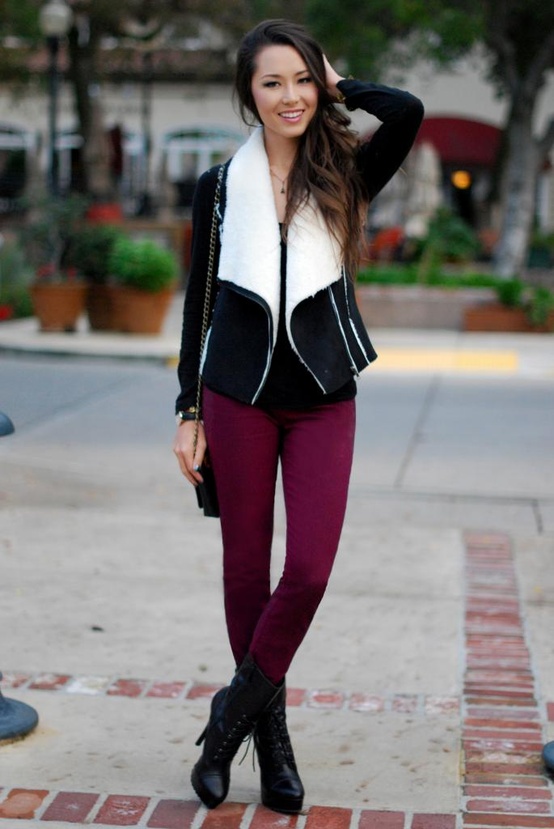
Global Street Style #3: Color, Warm Climates, and Hero Accessories
LA, Mediterranean, and Rio-spirited street looks where bags, shoes, sunglasses, and jewelry lead the silhouette instead of heavy coats.
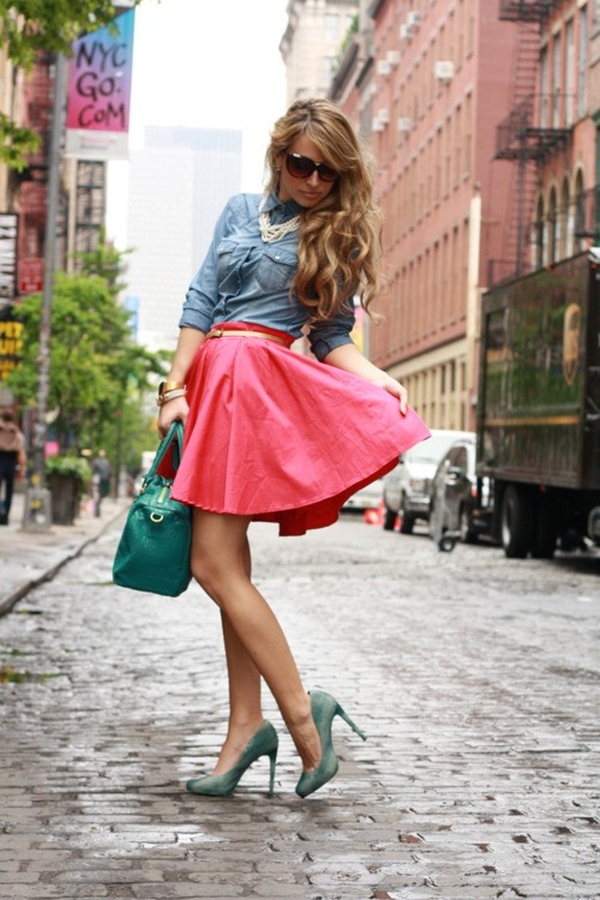
Global Street Style #2: Layering in Tokyo, Seoul, and London
Creative-district street fashion through denser stacks—texture contrast, length mismatch, and cold-weather layering moves that still walk.
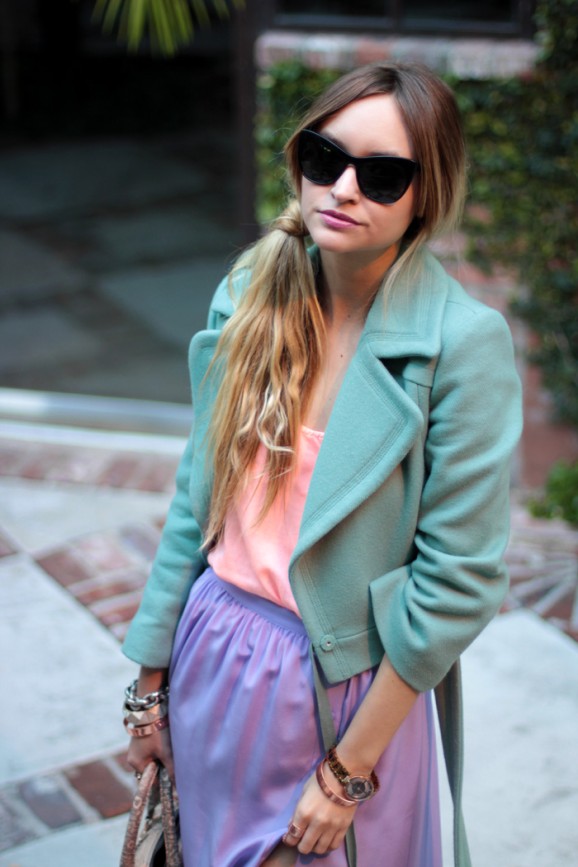
Global Street Style: Fashion Capitals and Coat Architecture
How to read polished sidewalk style from Paris, Milan, and New York—coats, shoes, bags, and the five cues that make capital-city looks click.