
Chicken or the Egg: Ringling’s EGGdiction Rom-Com Short
Christine Kim and Elaine Wu’s Annie-nominated Ringling thesis follows a pig whose egg addiction collides with love for a chicken—pun premise, real stakes.
The oldest riddle in the book gets rewritten as a diet problem. In Chicken or the Egg, a pig with an “EGGdiction” falls for a chicken, and suddenly breakfast is no longer a private vice. The short’s own pitch still works better than any critic paraphrase: an offbeat romantic comedy about appetite, attraction, and the awful moment when your craving has a face, a personality, and reasons to leave.
Created as a senior thesis at Ringling College of Art and Design by Christine Kim and Elaine Wu, the 2013 CG short became one of those student films that escapes campus and enters the wider animation internet—shared for the gag, kept for the craft, and remembered because the dilemma is stupid in the exact way real desire is stupid.
The premise is a trap with excellent manners
On paper the setup is simple. A pig loves eggs. A chicken appears. Love arrives. The pig must decide what comes first. That sentence is a pun, a moral test, and a structural outline. Good student shorts often succeed by choosing a conflict that can be staged without exposition dumps. Here, every prop is already symbolic. An egg is food, potential life, and relationship sabotage waiting to happen. A chicken is a love interest and, inconveniently, the source of the addiction’s object.
The comedy works because the film treats the pig’s habit as both ridiculous and sincere. Addiction stories in live action often require grim realism. Animation can externalize compulsion with cartoon clarity while still protecting the character’s dignity. The pig is not a villain. He is a soft disaster—someone whose coping mechanism collides with the one relationship that might make him better.
Romantic comedy grammar still applies. There is attraction, complication, public risk, private shame, and a choice that defines the protagonist. Kim and Wu simply replace dinner-date logistics with a fridge full of consequences.
Ringling thesis energy
Ringling’s computer animation program has a long reputation for thesis films that look industry-ready: clean character designs, readable acting, lighting that sells emotion, and runtimes short enough to stay sharp. Chicken or the Egg fits that school tradition without feeling like a checklist. It is cute, but not empty-cute. The character designs invite empathy quickly—important when you only have a few minutes to make a viewer care whether a pig stops eating eggs.
Co-direction is hard in student production because egos and schedules collide. Kim and Wu’s public materials present the film as a true collaboration: shared direction, shared ownership of the joke, shared credit when awards arrived. That matters culturally as much as technically. Thesis films can become lonely hero myths. This one reads as a partnership that knew the concept was strong enough to survive two captains if both steered toward clarity.
Music and sound were not afterthoughts. Credits associated with the release thank composer Laurent Courbier and sound work from Mutante Media—exactly the kind of specialized support that elevates a student short from “pretty turns” to “finished film.” Romantic comedies live and die on timing. Timing in animation is as much audio as it is spacing charts.
Why the joke travels
Internet audiences are brutal to concepts that feel labored. Chicken or the Egg travels because you can explain it in one breath and still want to see how the filmmakers stage the embarrassment. The title does marketing for free. The pun is ancient; the character conflict is specific. That combination is gold for festival programs and blog embeds alike.
There is also a gentle cruelty in the setup that keeps it from melting into pure sugar. If the pig keeps eating eggs, love becomes hypocrisy. If the pig stops, recovery becomes the plot. Either path risks pain. Comedy with no risk is just decoration. This short understands that the laugh and the wince should share a chair.
Animal cast helps. Using a pig and a chicken lets the film talk about addiction and romance without the heavier social baggage a human workplace drama would drag in—while still mapping onto very human behavior. Viewers project easily. Almost everyone has wanted something that conflicted with someone they cared about. Almost everyone has pretended the conflict was smaller than it was.
Awards as a signal, not the story
The film’s trophy shelf is unusually loud for a student short. It received an Annie Award nomination for Best Student Film in 2013, a National Board of Review student grant, and a string of festival honors that included audience and “best animated” citations across multiple events, plus institutional recognition at Ringling itself. Those laurels are useful as a quality signal: selectors who see hundreds of student films a year kept circling this one.
Still, awards are not why the short remains easy to recommend. The recommendation is simpler. It is funny without meanness, romantic without syrup overdose, and animated with the confidence of people who storyboarded the emotional beats before they lit the final beauty passes. If you teach animation, it is a clean example of concept discipline. If you just like shorts, it is a three-minute mood lift with a sting in the punchline.
What craft students can steal
First, choose a conflict that can be drawn. “Fear of commitment” is abstract. “I eat what my beloved produces” is drawable. Second, protect silhouette and acting. The pig’s shame and the chicken’s charm have to read in a still frame, because still frames are how most people first meet the film online. Third, let the title and the ending talk to each other. A pun premise that abandons the pun in the final seconds wastes the engine that brought the audience in.
Fourth, remember that “cute” is a material, not a genre. Cute character design can carry horror, satire, or romance. Here it carries a recovery fable wearing comedy clothes. The softness of the cast makes the ethical choice feel larger, not smaller. You do not want the pig to fail, which means the addiction gag has stakes.
Fifth, finish the soundtrack. Many student films look prettier than they sound. Chicken or the Egg understood that a romantic comedy’s heartbeat is rhythm—musical cues, Foley, and silence placed where embarrassment needs air.
Watching it now
More than a decade after its 2013 wave, the short still does the job it was built for: introduce two filmmakers, prove a school pipeline, and leave strangers smiling at a pig’s worst good intention. You do not need deep lore. You need five minutes and a willingness to let a breakfast pun become a relationship test.
What comes first, then? In philosophy class, the question is cosmological. In Kim and Wu’s version, it is painfully practical. Look at the person you love. Look at the habit in your hands. Decide which one you are actually feeding.

Comments
Continue reading

Still-Life Photography by Margareth Perfoncio
São Paulo photographer Margareth Perfoncio’s still lifes of food and flowers—Old Master light, dark wood, and tables that feel inevitable.
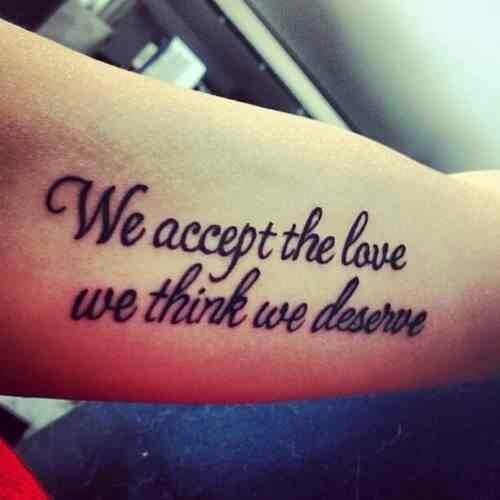
Meaningful Love Quotes for Inspiration (and Ink)
Meaningful love quotes that still feel true — short lines for tattoos, gifts, and everyday reminders, with placement and wording tips.

Christina Hess’s Animals From History: Costumed Pets as Playful Portraits
Illustrator Christina Hess reimagines historical icons as ornate animal portraits—Elvis Petme and friends—mixing puns, costume detail, and soft history lessons.