
Rare Celebrity Photos: Offstage Hollywood and Music Icons
A historical gallery of less-circulated celebrity photographs—Monroe, Mercury, set stills, and unlikely meetings—framed as craft and candid archive, not gossip.
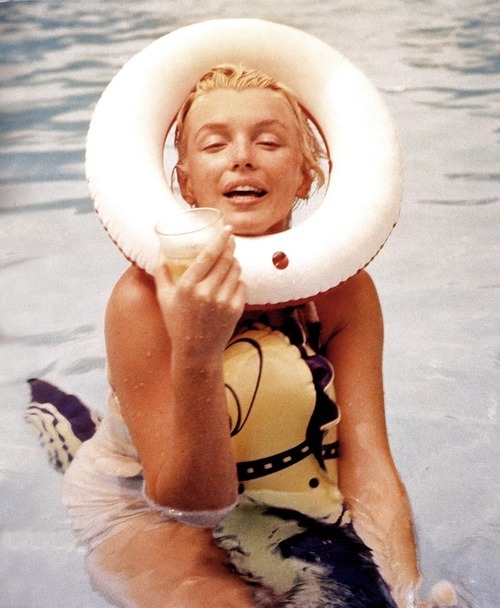
Fame has a public face and a quieter one. Red carpets, premieres, and studio stills teach us the official silhouette of a star. The photographs gathered here sit closer to the other side: rehearsal rooms, film sets between takes, hotel corridors, and ordinary rooms where the performance has not yet started—or has already ended for the day. They are not a gossip dossier. They are a small historical gallery of how well-known people looked when the camera was present but the brand machinery was not fully in charge.
This set leans toward Hollywood craft, music legends caught mid-gesture, and a few unlikely meetings that only make sense once you remember how porous entertainment worlds once were. Look for posture, props, and company rather than scandal. A boxing ring shared by a bodybuilder and a champion, a director cradling a rubber alien, two actors still half-in character after a take—these are the kinds of clues the frames offer.
Marilyn Monroe
Monroe’s image industry was relentless, which is why quieter frames feel valuable. Without the engineered blonde cascade of a major publicity still, you notice smaller decisions: how she holds her shoulders, where her gaze lands, whether the smile reaches the eyes. Mid-century studio culture treated her as both product and person; photographs like this remind you that the person was always there underneath the product’s shine.
Freddie Mercury
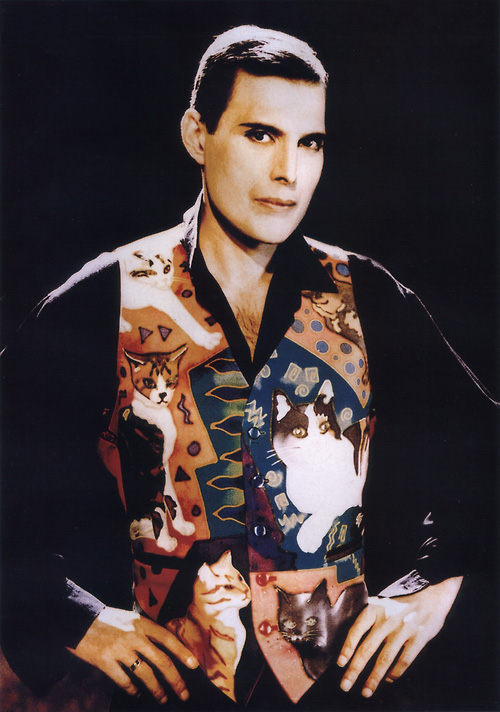
On stage Mercury was architectural—arms wide, mic stand as baton, costume as signal. Offstage frames often reverse the volume. You get the mustache, the focus, the sense of a musician thinking rather than performing. Queen’s catalogue made him mythic; a still photograph without stadium lights returns him to human scale without shrinking what he could do.
Arnold Schwarzenegger and Muhammad Ali
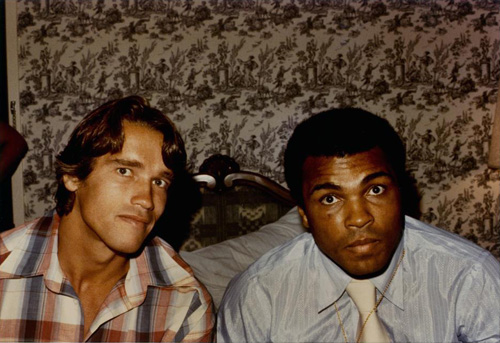
Two different kinds of physical fame occupy one frame: the Austrian bodybuilding icon who would become a global movie star, and the boxing champion whose presence redefined athletic celebrity. Cross-training, charity exhibitions, and media events sometimes put athletes and entertainers in the same room. What matters in the picture is the handshake of worlds—muscle culture meeting boxing royalty—rather than any invented private story. The rarity is the company, not a rumor.
Frank Sinatra
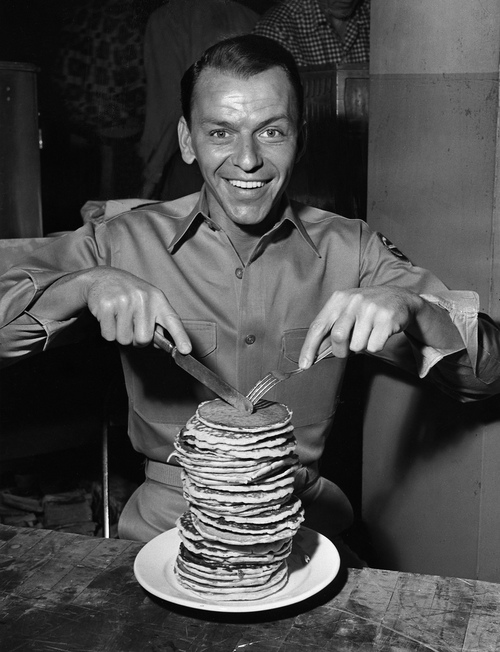
Sinatra’s public life was thick with nightclubs, film sets, and press flash. A less circulated portrait tends to emphasize the face and the tailored stillness rather than the Rat Pack choreography. Mid-century American entertainment ran on voice, timing, and image control; Sinatra mastered all three. Looking at him without the bandstand haze is a reminder that crooner myth was built from disciplined craft as much as from glamour.
Steven Spielberg and E.T.
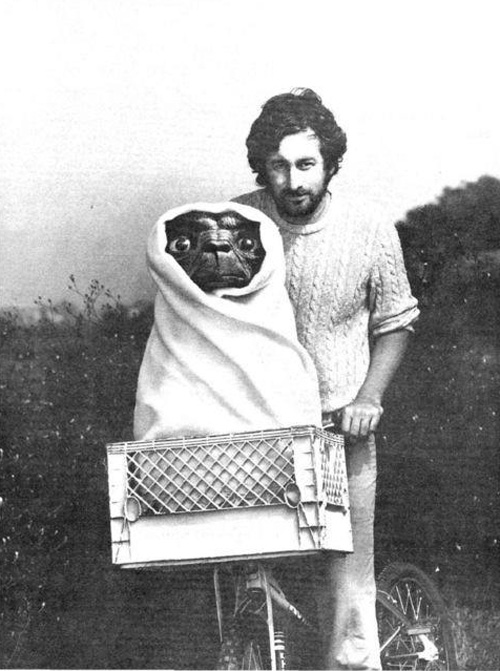
On the set of E.T. the Extra-Terrestrial, the alien was a constructed performer—animatronics, puppeteers, and careful lighting. Spielberg photographed beside that creation collapses the distance between director and creature. Blockbuster filmmaking of the early 1980s still depended on physical effects you could stand next to. The frame is affectionate and slightly absurd, which is exactly why it feels like a document of process rather than a poster.
Robert De Niro and Joe Pesci
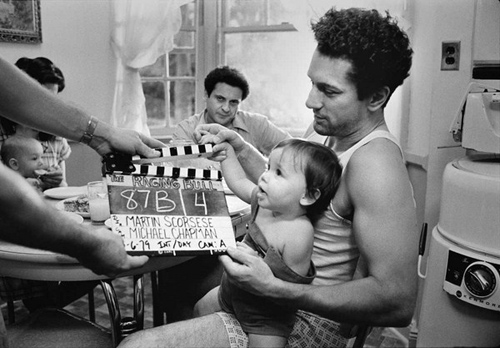
Title information places them on the set of Raging Bull, Martin Scorsese’s boxing drama. De Niro and Pesci’s collaborations became a signature of a certain New York intensity in American film. Between-take photographs often catch actors still carrying the weight of a scene: bruised focus, half-costumes, the social ease of people who have already argued and reconciled inside a script a dozen times that day. The rarity is the set air, not a tabloid claim.
Quentin Tarantino
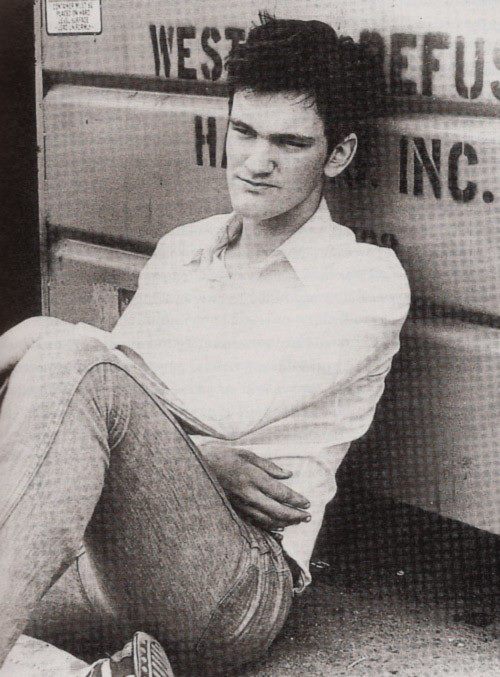
Tarantino’s public persona is talkative and encyclopedic; quieter photographs flip the volume down. You see the cinephile before the press junket—someone who built a career by treating film history as a living toolbox. Portraits like this belong to the long tradition of director stills that exist beside the louder premiere circuit: useful for remembering that authorship has a face as well as a filmography.
John Lennon
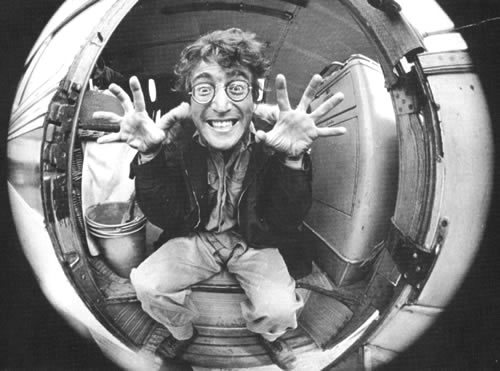
Lennon’s image life spans Beatlemania, solo reinvention, and political protest. Less familiar frames often feel domestic or mid-thought rather than stadium-scaled. Music history already preserves the songs; photographs preserve the intervals between them—glasses, posture, the ordinary gravity of a person who happened to write the twentieth century’s most replayed choruses.
Dustin Hoffman
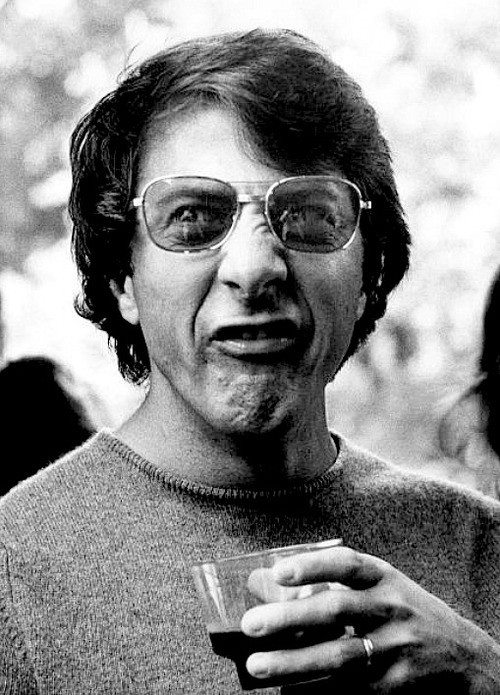
Hoffman came to stand for a generation of American screen acting that prized transformation and nervous intelligence over pure matinee polish. A candid or lightly staged portrait tends to emphasize that alertness. Looking back across decades of roles, the face in a single still can feel like a hinge between the New Hollywood of the late 1960s and 1970s and the character work that followed.
Stephen King
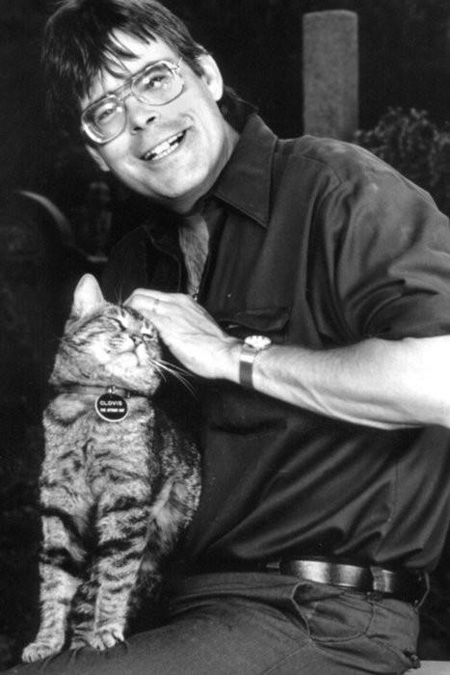
Writers are less photographed than actors, which makes a strong author portrait oddly cinematic. King’s public identity is bound to Maine settings, horror imagination, and a work ethic that produced shelf after shelf of novels. A photograph cannot show a manuscript, but it can show the person who kept writing through trends. In a gallery otherwise heavy with performers, a novelist’s still is a useful change of temperature.
Iggy Pop
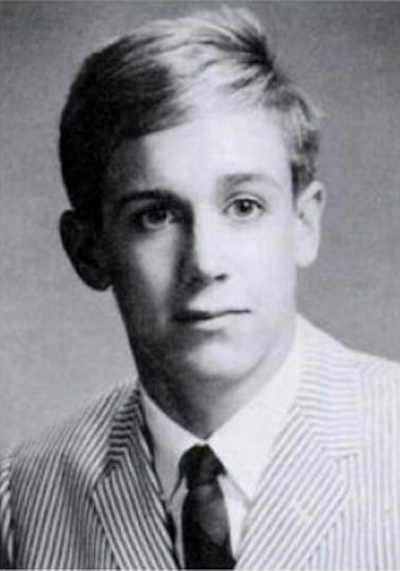
Iggy Pop’s stage legend is physical and confrontational; still photography sometimes catches the aftermath or the offstage calm. Punk and proto-punk history is full of myth, but a plain photograph resists exaggeration. You get bones, stare, and attitude without needing a caption that invents a nightclub fight. The rarity is tonal: energy held in reserve.
Bruce Willis
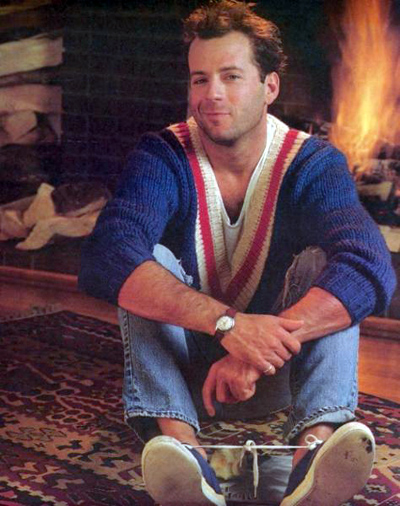
Willis built a late-twentieth-century action persona that mixed toughness with dry humor. Away from Die Hard posters and premiere tuxedos, a casual frame can look almost neighborly. That contrast is part of why such photos circulate: they briefly suspend the franchise silhouette and return a working actor to ordinary light.
Matt Damon
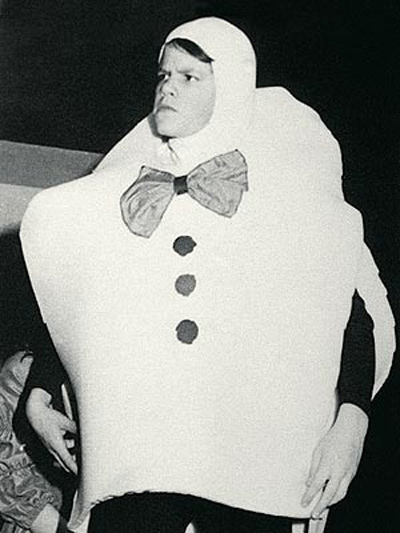
The title associated with this image points to Damon in a Humpty Dumpty costume—an intentionally odd, playful register beside the dramatic roles that made him famous. Costume stills and charity or sketch appearances belong to a long Hollywood tradition of stars briefly looking ridiculous on purpose. The photograph’s interest is the costume collision, not a secret biography.
Christian Bale
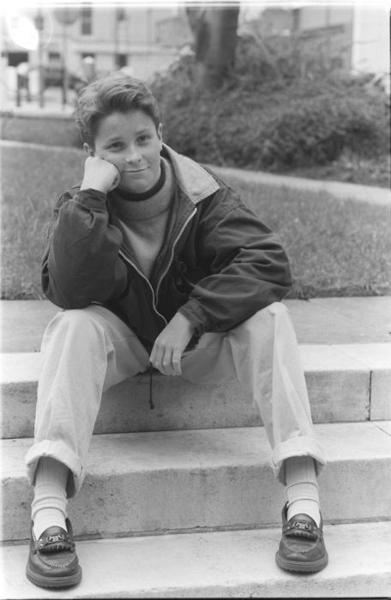
Bale’s career is marked by intense preparation and physical transformation, which makes any less-managed portrait feel like a breath between roles. You are not looking at Batman publicity or a method-acting headline; you are looking at a face between assignments. That in-between quality is what archival celebrity photography does best.
How to look at a “rare” photo
Rarity online often means “less reprinted,” not “never seen by anyone.” Treat captions as soft clues. If a set photo names a film, believe the workplace context before inventing a private drama. Notice clothing, location, and who else stands in frame. Cross-industry meetings—athletes with actors, musicians with filmmakers—were common in charity events, talk shows, and promotional circuits; they do not require a conspiracy theory to be interesting.
Also notice what is missing from this particular gallery. Some pairings remembered in older caption lists do not always travel with a surviving image file. Absence is part of digitization history: labels outlive photographs, and photographs outlive reliable credits. A careful gallery admits that limit rather than padding it with rumor.
If you want a second tray of faces with a different emphasis—literary icons, horror-set ensembles, friendship pairings—continue to the companion gallery that follows this one. The two collections share a curiosity about fame’s unofficial moments, but they do not recycle the same cast or the same angle of approach.

Comments
Continue reading
Funny Animal Signs That Warn People (While Animals Ignore Them)
From a seagull on a no-birds disc to classic zoo and park ironies—why animal warning signs get funny, and what the rules are still for.
How to Find Local Amenities on Vacation: Mechanics, Haircuts & More
Locate trustworthy local services and everyday spots while traveling or settling in—using publications, reviews, map apps, neighbor tips, and low-pressure exploration.
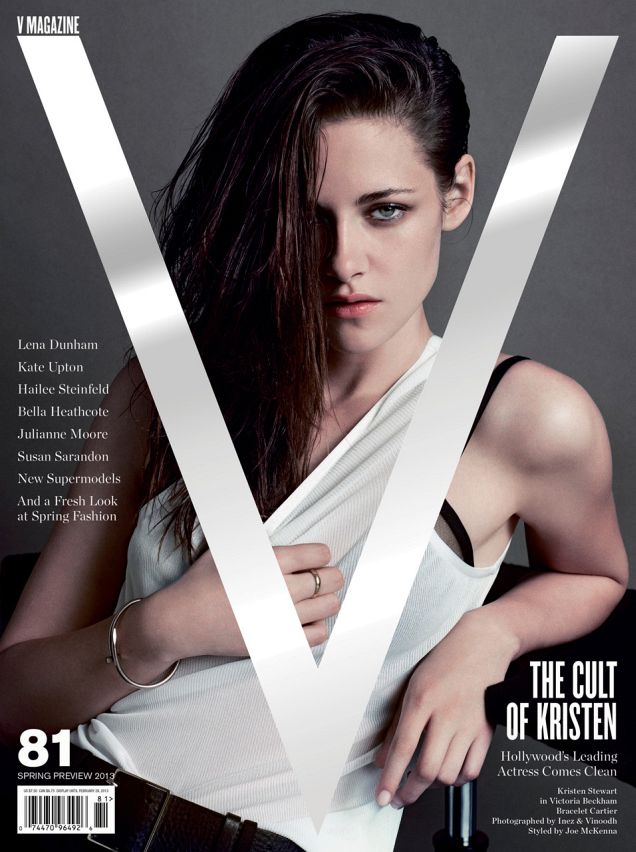
Kristen Stewart for V Magazine, Spring Preview 2013
V81’s Wild at Heart cover story—Kristen Stewart shot by Inez & Vinoodh, styled by Joe McKenna, in pale minimal spring glamour.