
Cookies, Cookies, Cookies!
A baking and photo take on a classic cookie plate—why cookie shots work, a reliable dough, tasty variations, and how to shoot your own batch.
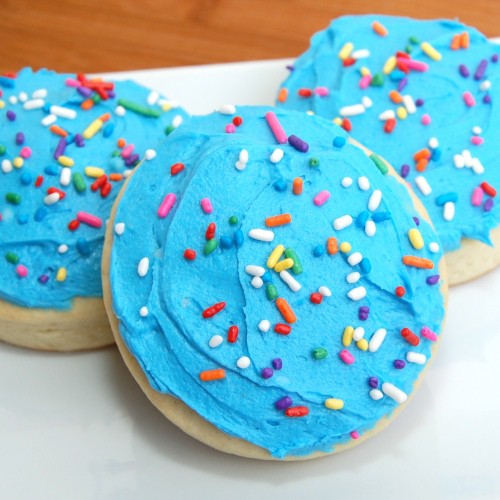
Some food photographs do not need a caption longer than a sigh. A crowded plate of cookies—golden edges, soft centers, sugar crystals catching the light—already argues its case. This page began as that kind of small gallery moment: cookies that look so good you can almost smell the butter. The image still leads. What follows is a baker’s way of looking at it, and a practical guide to making cookies that earn a photo of their own.
Why cookie photos stop the scroll
Cookies are built for still life. They are small enough to pile, irregular enough to look handmade, and glossy enough to telegraph fat and sugar without a recipe card. A good shot usually shows three things at once: color (amber, chestnut, pale sugar), texture (crackles, chips, sanding sugar), and abundance (more than one cookie, because loneliness is not appetizing).
Home bakers chase that look for the same reasons food stylists do. Deep color suggests caramelization. Visible chips or nuts promise contrast. A slight underbake sheen in the center suggests chew. Overly perfect factory rounds can look tidy and somehow less edible. The cookies in a beloved photograph are rarely identical; their unevenness is the point.
What makes a cookie taste as good as it looks
Flavor starts before the oven. Softened—not melted—butter creams with sugar to trap air. Brown sugar brings moisture and molasses depth; white sugar sharpens edges and encourages spread. Eggs bind and enrich. Flour structure depends on measuring with care: scooping compact cups packs too much flour and yields cakey pucks. Salt is not optional; it keeps sweetness from going flat. Vanilla is the familiar perfume, but a pinch of espresso powder or citrus zest can make chocolate or sugar cookies taste more intentional without announcing themselves.
Chocolate chip remains the default for a reason. Semisweet chunks melt into pockets; mini chips distribute more evenly; a mix of both photographs and eats well. Toast nuts if you use them. Chill dough when you want thicker cookies and cleaner edges—cold fat spreads more slowly. Bake on light-colored sheets for even browning; dark pans run hot and can scorch bottoms while centers stay pale.
Pull trays when centers still look slightly soft. Carryover heat finishes the set on the sheet. That is how you get the bakery contrast people try to capture on camera: crisp rim, tender middle. Let cookies rest a few minutes before moving them, or they will tear and leave the best parts stuck to parchment.
A simple dough that behaves
You do not need a pastry diploma for a plate worth photographing. A reliable chocolate-chip style dough looks roughly like this for a home batch:
- 1 cup (226 g) unsalted butter, softened
- ¾ cup packed brown sugar and ½ cup granulated sugar
- 2 large eggs
- 2 teaspoons vanilla
- 2¼ cups (about 280 g) all-purpose flour
- 1 teaspoon baking soda and ¾ teaspoon fine salt
- 2 cups chocolate chips or chopped chocolate
Cream butter and sugars until light. Beat in eggs and vanilla. Whisk dry ingredients separately, then mix just until combined. Fold in chocolate. Chill at least 30 minutes if the kitchen is warm. Scoop even balls, leave room to spread, and bake at 350°F (175°C) until edges are golden and centers are soft—often 9–12 minutes depending on size. Cool on the sheet, then on a rack.
That formula is a starting point, not scripture. Swap in rye or whole wheat for a fraction of the flour, brown the butter for nuttiness, or press a flake of salt on top before baking. The photograph rewards contrast; so does the palate.
Variations that still feel like “cookies, cookies, cookies”
The title’s triple insistence is half joke, half truth: once you are in a cookie mood, one kind is rarely enough. A mixed plate photographs better and feeds a room more generously.
- Sugar cookies with sanding sugar — Sparkle reads beautifully under light; keep flavors simple so decoration can shout.
- Oatmeal cookies — Texture and toast; raisins or chocolate both work; press a few oats on top for visual cue.
- Peanut butter crisscross — Fork marks are instant recognition; watch bake time so centers stay soft.
- Shortbread — Pale, buttery, and elegant on a darker plate; less spread, more snap.
- Thumbprints — Jam centers add color; bake until edges barely color so jam does not boil into bitterness.
If you are baking for a gathering, mix doughs over two evenings and bake the day of. Fresh cookies perfume a house in a way no candle matches. Store fully cooled cookies in airtight tins with a slice of bread if you need to soften a batch that went too crisp; the bread donates moisture overnight.
Photographing your own batch
You do not need studio lights. Daylight near a window, a simple plate or parchment, and a slight overhead or three-quarter angle usually beat complicated setups. Shoot before everyone eats the best specimens. Wipe crumbs strategically—some crumbs look real; a smeared chocolate fingerprint looks accidental. Stack a few cookies to create height. Leave one broken open so the interior tells the truth about chew.
Edit lightly. Warmth helps baked goods, but heavy filters turn butter into plastic. If you share online, credit is kinder than orphaned reposts; this site’s image arrived in the era of generous Pinterest boards, and the appetite remains the same even when platforms change.
Serving without ceremony
Cookies are social food. A plate on a counter invites grazing in a way plated cake does not. Pair with milk, coffee, or tea depending on the hour. For a dessert board, alternate textures: chewy, crisp, nutty, chocolate-heavy. Label allergens if guests are not family who already know your kitchen.
Freeze scooped dough balls on a tray, then bag them. A few cookies can go from freezer to oven on a weeknight when the craving arrives without warning. Add a minute or two to bake time and keep watching the edges. That habit turns “cookies look so good” from a static image into a recurring small event.
Keep the photo. Keep the recipe card stained. The point of a cookie page is not restraint—it is the permission to want another one, and then another, until the plate matches the picture again.

Comments
Continue reading
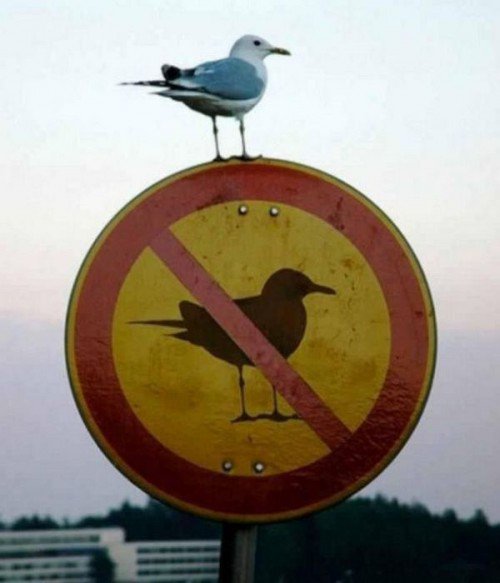
Funny Animal Signs That Warn People (While Animals Ignore Them)
From a seagull on a no-birds disc to classic zoo and park ironies—why animal warning signs get funny, and what the rules are still for.
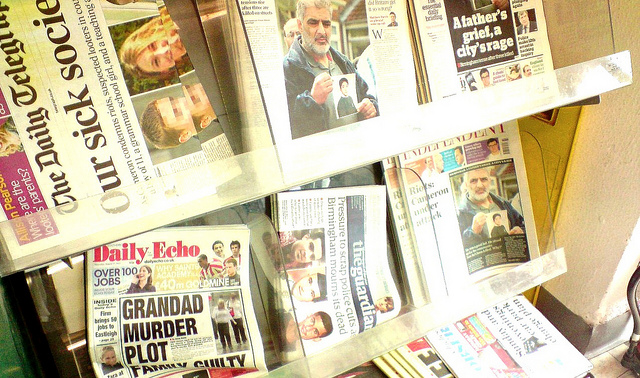
How to Find Local Amenities on Vacation: Mechanics, Haircuts & More
Locate trustworthy local services and everyday spots while traveling or settling in—using publications, reviews, map apps, neighbor tips, and low-pressure exploration.

Kristen Stewart for V Magazine, Spring Preview 2013
V81’s Wild at Heart cover story—Kristen Stewart shot by Inez & Vinoodh, styled by Joe McKenna, in pale minimal spring glamour.