
Beer Jugs by Carlburg Pottery
Montana potter Tim Carlburg’s handmade ceramic growlers turn craft-beer takeaway into custom, wheel-thrown design.
Craft beer revived an old container: the growler, a half-gallon jug meant to carry fresh beer home from a taproom. Glass and stainless versions dominate shelves, but ceramic ones stand out—heavier in the hand, cooler in summer heat, and open to glaze, color, and custom drawing in a way factory bottles rarely allow. In northwest Montana, Carlburg Pottery built a reputation on exactly that idea: wheel-thrown beer jugs made one at a time, often tailored to a buyer’s brief.
The work sits at a useful crossroads of studio pottery and drinking culture. It is functional first—lids that hold carbonation, clay that can take a chill—and still reads as design object when it sits empty on a shelf.
Who makes them
Tim Carlburg is the potter behind the name. A Montana transplant working in the Flathead Valley—associated over the years with Kalispell and Columbia Falls studios—he trained as a potter and also brought a teaching background into the craft. Local brewery connections mattered early. Flathead Lake Brewing Company and other regional houses helped prove that a handmade ceramic growler could live beside standard takeaway glass rather than only in a gallery case.
Coverage in design and lifestyle outlets, and later spikes of online attention, pushed orders far past a quiet local practice. Like many small makers who go briefly viral, Carlburg eventually had to choose between endless administration and time at the wheel. The story that stuck in public memory is still the jug: custom, durable, and unmistakably handmade.
What a Carlburg growler is
Each piece is thrown individually on the potter’s wheel rather than slip-cast in identical molds. That means slight variation in silhouette and weight—part of the appeal for people who want an object, not a barcode match. Early experiments with cork closures struggled to keep beer lively; swing-top fittings in a consistent size became the practical answer, sealing carbonation for days rather than hours when treated carefully.
Stoneware bodies and food-safe glazes support real use. Reports from the studio’s working era routinely mentioned dishwasher, microwave, and oven tolerance for many pieces—useful for cleaning and for people who treat the jug as multipurpose kitchenware when it is not filled with beer. Ceramic mass also helps beer stay cool longer in warm weather than thin glass, a quiet advantage on a porch or picnic table.
Shapes range from classic moonshine-style jugs and traditional flagons to volumes adjusted for a customer’s preference. Surface design can be restrained—brewery logos, simple text, clean color blocks—or theatrical: comic characters, dimensional faces, dense illustration. Custom orders typically ask for color direction, fonts, and reference images. Prices historically sat in a craft range that reflected labor: more painting and relief work cost more than a simpler glaze.
Why ceramic growlers caught on
The craft-beer boom of the late 2000s and early 2010s made “bring your own vessel” part of brewery culture. A branded glass growler signaled loyalty; a custom ceramic one signaled personality. For breweries, stocking or commissioning pottery tied local makers to the taproom shelf. For drinkers, the jug became both transport and souvenir.
Design-wise, clay accepts narrative. Glaze pools in thrown rings. Painted scenes wrap the belly. Relief elements catch light the way flat screen printing on glass cannot. That is why design blogs and gadget roundups noticed Carlburg’s work: the objects photographed well and felt specific in a market full of identical cylinders.
There is also a tactile honesty. Finger ridges from throwing remain under glaze. Weight announces itself when you lift a full half gallon. The jug asks to be set down carefully—a small ritual that fits the slower pace of tasting beer rather than chugging from a disposable can.
How the designs work
Successful custom pieces balance readability and clay reality. Fine linework must survive firing. High-contrast color helps logos read at arm’s length. Busy illustrations need breathing space around the handle and spout so the form still functions. The best commissions treat the potter as collaborator: clear references, willingness to simplify a sketch that will not survive heat, and respect for how a swing top sits on the rim.
Brewery editions often imprint or paint house marks so the jug doubles as brand ambassador. Private commissions lean personal—names, mottos, favorite characters, mountain motifs that suit Montana’s outdoor culture. Either way, the object has to pour cleanly and clean without trapping beer residue in awkward undercuts. Pretty that fails as a vessel is only half a design.
Using and caring for ceramic beer jugs
Fill at the brewery, keep the seal closed until you pour, and refrigerate when you can. Ceramic helps, but it is not magic; warm cars still warm beer. Clean soon after emptying so sugars do not cling. Follow whatever care guidance came with the piece—many stoneware growlers tolerate machine washing, but delicate surface work may deserve a gentler hand wash.
Do not treat the jug as indestructible. Chip a rim and the seal may suffer. Store empty with the lid ajar so interiors dry. If you display a collection, keep pieces away from edges where a bump sends half a gallon of clay to the floor.
Place in craft pottery
Functional pottery has always lived beside tableware and storage jars. Carlburg’s growlers simply found a modern liquid to serve. They sit in a lineage of jugs and pitchers while answering a contemporary retail habit: fill, carry, return, refill. In a Flathead Valley context, they also read as Made-in-Montana objects—local clay work circulating through breweries, coffee counters, and visitor gifts rather than only through art fairs.
Later chapters of the studio’s work have included wholesale and pieces for nearby businesses beyond beer alone. The beer jug remains the design people remember first: a moonshine silhouette updated for craft taps, customized enough to feel like a gift, sturdy enough to earn a place in the fridge door.
If you picture one on a kitchen counter—swing top clipped, glaze catching window light, a brewery stamp or a private joke on the belly—you have the point of Carlburg Pottery’s beer jugs. They are drinking tools that refuse to look anonymous, thrown for people who want the vessel to matter as much as what is inside.

Comments
Continue reading
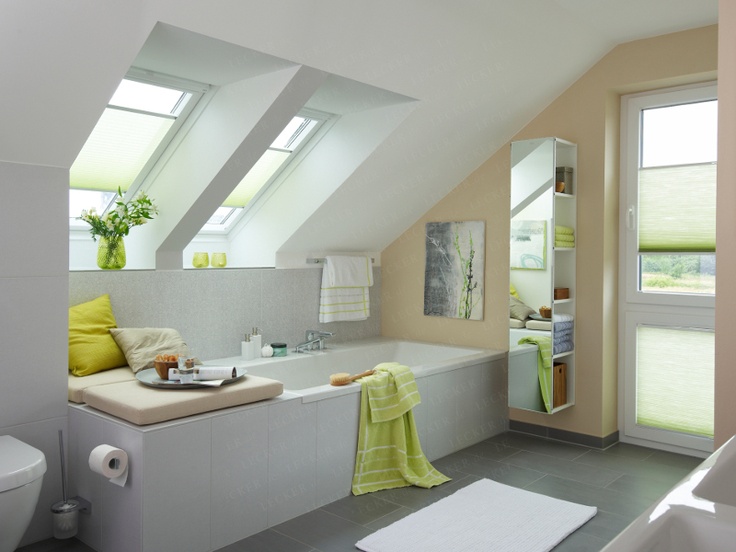
Attic Bathroom Design Ideas: Light, Layout, and Roof-Friendly Fixtures
Design ideas for converting an attic into an extra bathroom—working with slopes, skylights, wet-zone materials, eaves storage, and fixture placement.
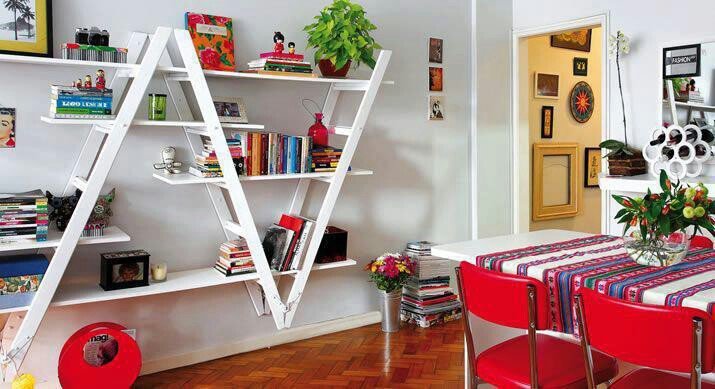
Ladder Shelving Repurpose Ideas: DIY Bookcases, Dividers & More
Turn an old ladder into shelving, a room divider, towel rack, or narrow desk—practical DIY steps, safety checks, and styling tips with photo ideas.
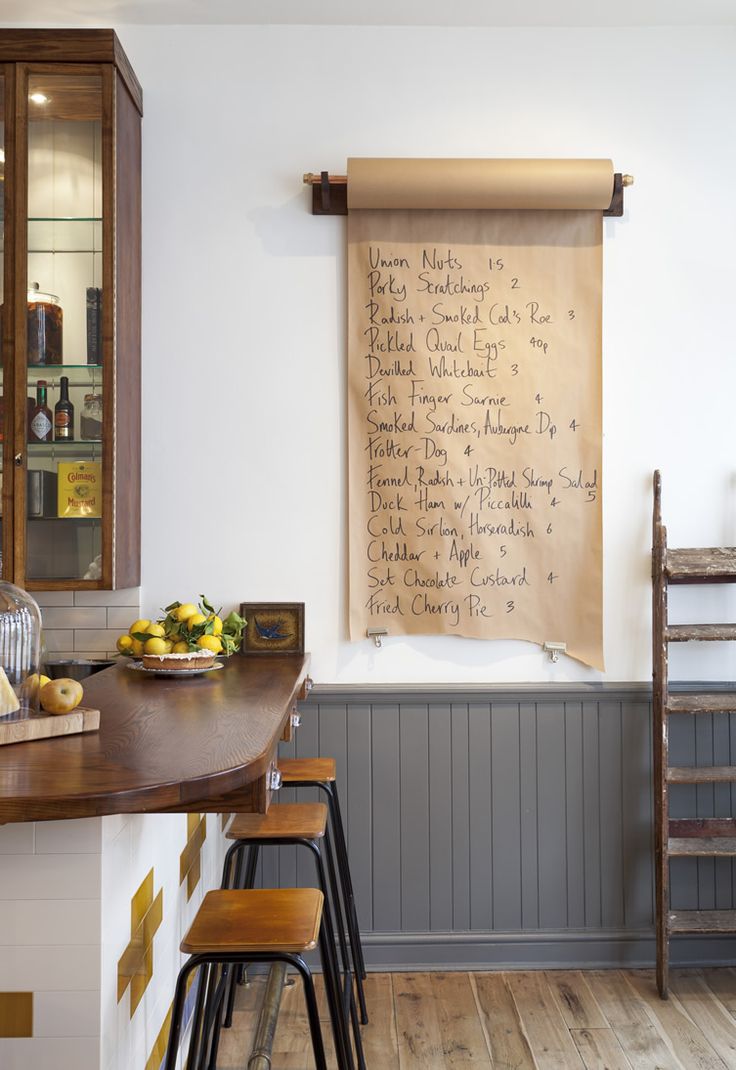
Cool Home Lifehacks That Actually Save Time
Practical household tricks—kraft-paper lists, safer nailing, fridge bottle stops, mint-tin drawers, phone stands—using things you already own.