
Public Journaling: Shared Diaries, Open Notebooks, and Thinking in Public
A practical and cultural guide to public journals—shared paper diaries, open notebooks, and blogs that read like dated life logs.
A public journal is a record of life written with the expectation that other people may read it. That simple shift—from private pages to shared ones—changes what gets written, how often, and why. Shared diaries, open notebooks left in cafés, community journals passed between friends, and blogs framed as ongoing personal logs all sit under the same idea: thinking in public.
People keep public journals for different reasons. Some want accountability. Some want connection. Some are documenting a trip, a recovery, a creative practice, or an ordinary year in a city. Others treat the form as literature—serial essays that happen to be dated. Whatever the motive, the form asks the same craft questions: what belongs on the page, what stays off it, and how do you stay honest without performing a false self for an audience.
What counts as a public journal
The category is broader than a single platform.
- Shared paper diaries — A notebook circulated among friends, classmates, or partners, with dated entries and replies in the margins.
- Open notebooks — Journals left in public places for strangers to write in, then rediscovered later or archived by a host.
- Travel and project logs — Dated posts that follow one journey or creative season with a clear through-line.
- Blogs as public journals — Personal sites or newsletter archives that read like diaries more than marketing channels.
- Hybrid digital spaces — Semi-public notes apps, forum journals, or social posts collected into a continuous personal record.
The medium matters less than the stance. A public journal assumes a reader exists—even if that reader is only a future stranger, a small circle, or the writer performing for an imagined audience. Private journaling can be ruthless and unfinished. Public journaling usually needs a little more shape, because someone else has to follow the thread.
Why people choose an audience
Writing for others can sharpen memory. Knowing a friend will read tomorrow’s entry makes today’s details sharper: what the street smelled like, who said the odd sentence, what almost got left out. Publicness can also reduce loneliness. A shared notebook turns solitude into conversation across days.
There is also a cultural tradition here. From published diaries to early weblogs, readers have long been drawn to ordinary days rendered with care. The appeal is not scandal; it is texture. A public journal says that small life is worth documenting, and that attention itself can be a social gift.
At the same time, an audience can distort. People start editing for likability, consistency, or brand. The journal becomes a highlight reel. The healthiest public journals usually keep a little roughness—unresolved questions, boring Tuesdays, revisions of earlier opinions—so the record still feels like a person thinking, not a brochure updating.
Practical habits that keep a public journal alive
Frequency beats perfection. A short dated note three times a week is more sustainable than a monthly essay that never arrives. Choose a cadence you can keep during ordinary weeks, not only during dramatic ones.
Give each entry a light structure without turning it into a template prison. Many writers use a simple pattern: where I am, what happened, what I noticed, what remains unfinished. Others lead with a single image or quote and build outward. The point is continuity. Readers return when they can recognize your voice and your ongoing questions.
Date everything. Public journals live on chronology. Titles help online; page numbers or entry numbers help on paper. If multiple people write in one notebook, initials or names prevent confusion later.
Decide your privacy rules before the first vulnerable week. Useful boundaries include: no one else’s secrets without consent; no exact addresses; no workplace gossip that could harm colleagues; no medical or legal detail you would regret seeing quoted. You can still write intimately about your own feelings while protecting other people’s lives.
Paper versus screen
Paper public journals have a physical social life. Passing a notebook creates ritual. Handwriting slows the mind and makes collage, tickets, and sketches easy. The risks are loss, water damage, and limited audience size. If the notebook is truly open to strangers, also consider moderation: torn pages, hostile entries, and the ethics of hosting other people’s words.
Digital public journals travel farther and are easier to search, back up, and illustrate with photos. They also invite metrics—views, comments, shares—that can hijack the practice. If you publish online, consider turning off public counts when possible, or writing first in a plain file and posting second. The journal should lead; the platform should follow.
Hybrid approaches work well. Draft privately, publish a cleaned version, and keep the raw pages offline. Or keep a household paper journal and a public monthly digest online. The craft is the same: select what the record needs.
Ethics, consent, and the people who appear in your pages
As soon as a journal is public, every supporting character becomes a character. Partners, children, coworkers, and friends did not necessarily volunteer for that role. A practical ethic is to write about your experience of events rather than prosecuting other people’s motives. When in doubt, change identifying details or ask. If someone asks to be left out, treat that as a design constraint, not an insult to your art.
Open notebooks in cafés and galleries raise extra questions. Who owns the finished book? Will entries be photographed and posted? Are contributors told that their words may travel? Clear signage and a simple host statement prevent ugly surprises.
Making it culturally interesting without forcing drama
Readers stay for specificity. Name the bus line, the song in the kitchen, the exact shade of the evening sky after rain. Public journals fail when they float on vague mood language. They succeed when they notice.
They also succeed when they revise. A later entry that says “I was wrong last month” is not a flaw; it is proof that the journal is alive. Culture moves through corrected impressions as much as through confident takes.
If you are curating a shared project—classroom journals, neighborhood notebooks, travel companions’ logs—offer light prompts: one object you touched today; one overheard sentence; one thing you almost threw away. Prompts help shy contributors start without dictating their voice.
A starter kit
- Choose one container: a durable notebook or a simple dated blog/newsletter.
- Write your privacy rules on the first page or in an about note.
- Pick a minimum cadence you can keep for thirty days.
- End each entry with one open line for the next day to answer.
- Review monthly: what felt true, what felt performed, what to adjust.
Public journaling is not the same as living without boundaries. It is a deliberate decision to let selected days become readable. Whether the pages travel hand to hand or sit on a quiet URL, the work is the same: pay attention, date the attention, and leave enough honesty on the page that a stranger—or your future self—can recognize a real life moving through time.
What would change in your week if you knew tomorrow’s entry had to include one true detail you usually skip?

Comments
Continue reading
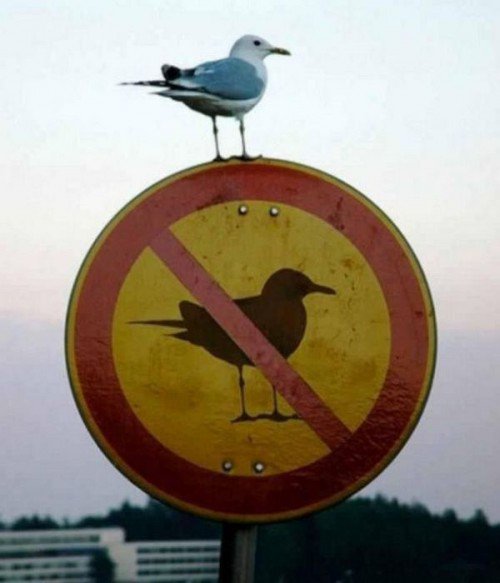
Funny Animal Signs That Warn People (While Animals Ignore Them)
From a seagull on a no-birds disc to classic zoo and park ironies—why animal warning signs get funny, and what the rules are still for.

How to Find Local Amenities on Vacation: Mechanics, Haircuts & More
Locate trustworthy local services and everyday spots while traveling or settling in—using publications, reviews, map apps, neighbor tips, and low-pressure exploration.

Kristen Stewart for V Magazine, Spring Preview 2013
V81’s Wild at Heart cover story—Kristen Stewart shot by Inez & Vinoodh, styled by Joe McKenna, in pale minimal spring glamour.