
Wedding Bouquet Ideas: Classic Rounds, Cascades, Garden Gathers, and Modern Forms
Bridal bouquet inspiration across silhouettes and palettes—classic rounds, cascades, wildflower gathers, and modern structure—plus practical briefing tips.
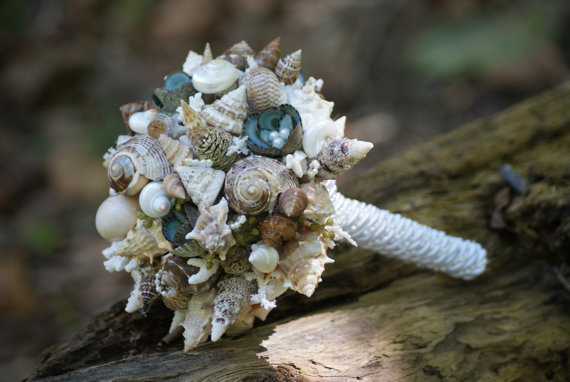
A wedding bouquet is a moving centerpiece. It travels from getting-ready photos to the aisle, sits in countless hands during the reception, and often becomes the keepsake image couples remember first. Style, scale, color, and stem finish all have to work with the dress, the venue, and the way the bouquet will be held for hours. The ideas below gather wedding bouquet directions—classic rounds, cascading forms, wild garden gathers, and sculptural modern clusters—worth studying when you brief a florist or refine a mood board.
Ignore trends that fight your dress neckline or color story. A bouquet succeeds when it feels inevitable next to the gown, not when it wins a separate contest for drama. Bring the florist a short brief: silhouette, palette, greenery level, and must-avoid flowers. Long boards with twenty conflicting pins usually produce compromise arrangements that please no one.
Classic round bouquets remain the most readable silhouette in photographs. Tight domes of roses, ranunculus, or mixed blooms look polished against ballgown and A-line shapes. Ask for stems wrapped cleanly and a size that does not hide the waist. Oversized rounds can overwhelm petite frames; undersized ones can look lost against wide skirts. If you love the round shape but want softness, ask for a slightly broken outline rather than a perfect sphere.
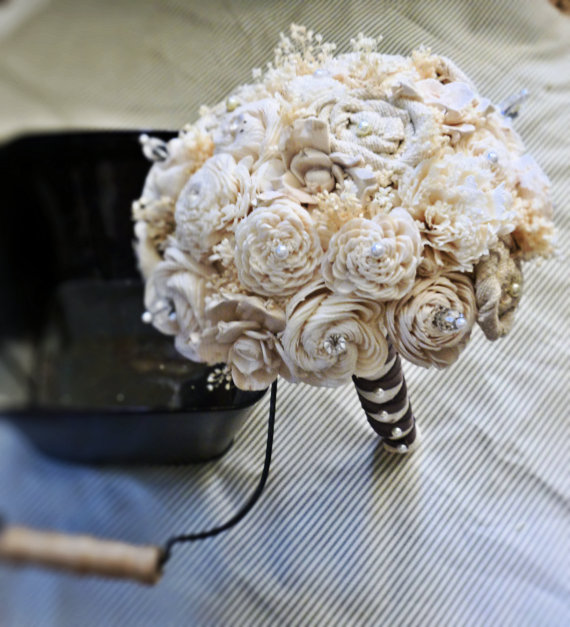
Garden-style gathers embrace air, varied bloom sizes, and a slightly untamed outline. They suit outdoor ceremonies, soft tulle, and romantic lace. Include sturdy blooms for structure so the bouquet does not collapse in heat. Greenery should frame, not swallow, the flowers. Ask which stems are “face flowers” and which are supporting texture so the design still has a clear center when photographed from the aisle.
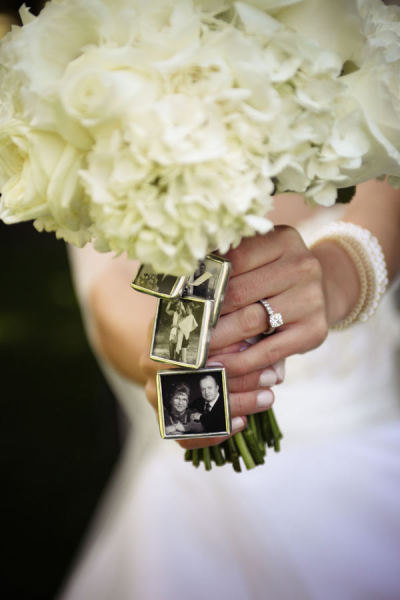
Cascading bouquets create vertical drama and echo vintage glamour. Trailing orchids, ivy, or amaranthus lengthen the line of a fitted gown. They need secure wiring and a florist who understands balance; a cascade that twists in the hand will fight every portrait. Practice holding it so the trail falls naturally forward rather than sideways. Confirm stair and car logistics—long trails catch on doors more often than anyone expects.
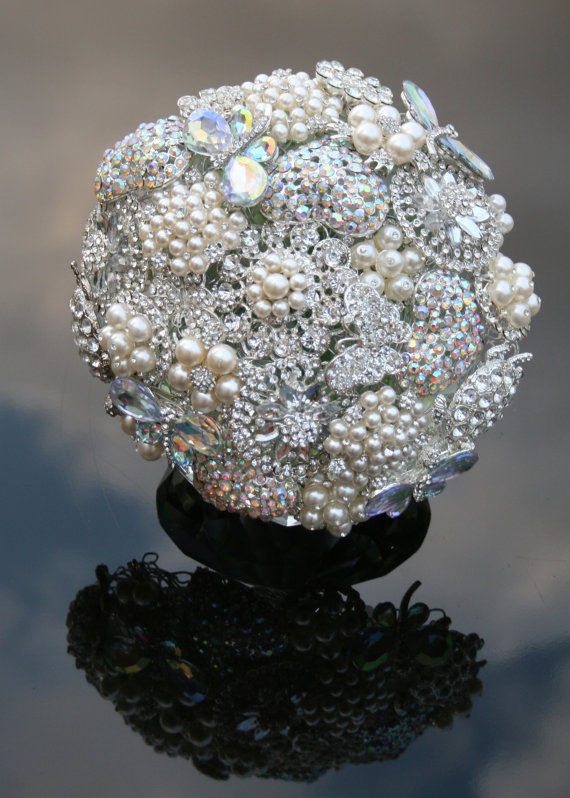
Pastel palettes—blush, cream, soft peach, muted lilac—photograph gently and pair with champagne and ivory dresses. Mix textures so the bouquet does not read as one flat color block: combine velvet petals with airy fillers and a touch of deeper tone for depth. Pastels also show bruising and browning earlier in heat; hydration discipline matters more than with darker blooms.
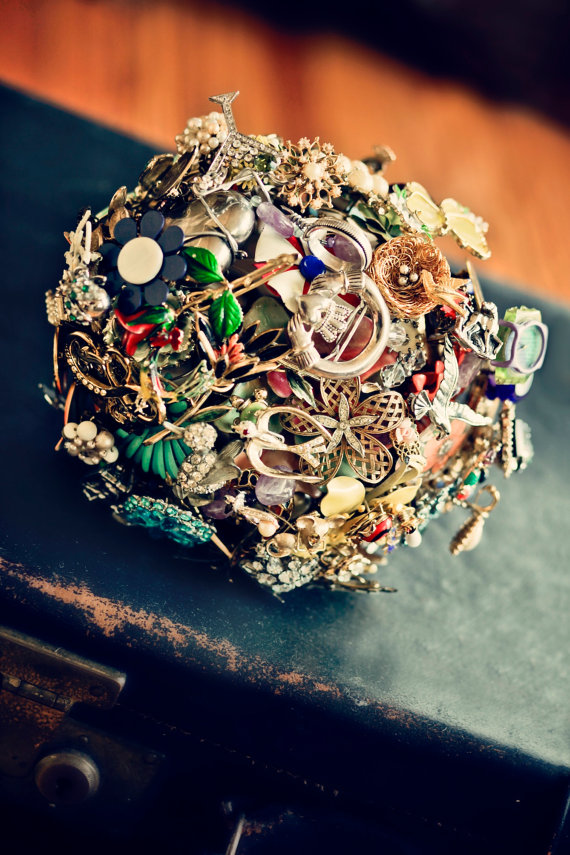
Bold color works when it connects to bridesmaid dresses, ceremony florals, or a strong venue hue. Saturated blooms against a simple white dress can look graphic and modern. Keep stem wraps quiet so color stays in the flowers, not in competing ribbon. If your venue is already colorful, a bold bouquet can either echo one accent or calm the look—decide which job you want it to do.
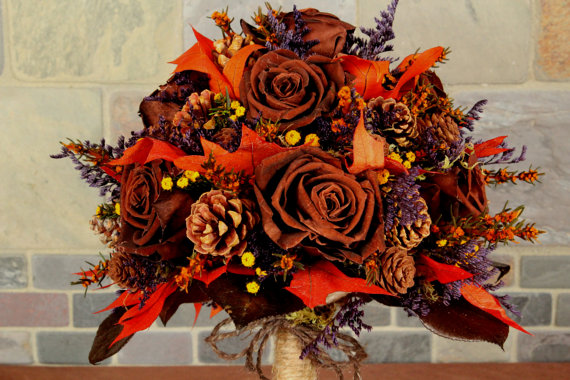
White-and-green bouquets feel timeless and cool in summer heat. Different whites matter: cool ivory, warm cream, and bright white behave differently on camera beside dress fabric. Ask your florist and photographer to match white temperature when possible. Glossy greens look sharper; matte foliage softens the whole composition.
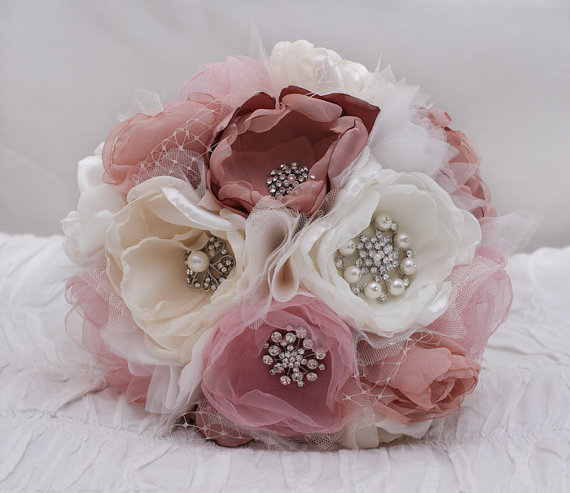
Texture-forward designs use seed pods, berries, dusty foliage, and varied petal shapes. They shine in close portraits and autumn settings. Confirm allergy and staining risks—some berries and dyes transfer onto lace. Texture also adds visual interest when flower counts are limited by budget or season.
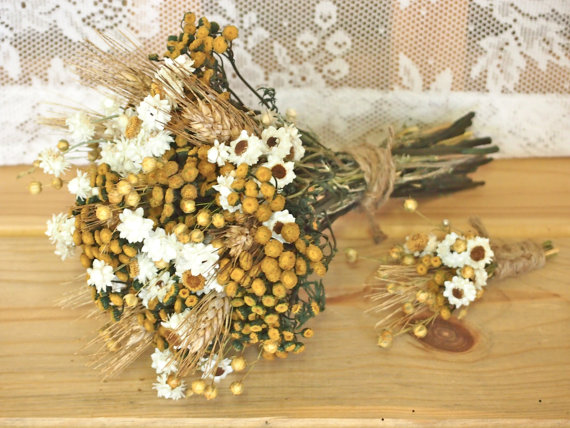
Compact bouquets suit sheath dresses, civil ceremonies, and couples who dislike carrying weight. Small does not mean sparse; dense construction and careful finishing still look intentional. A petite bouquet also leaves more of the dress visible in full-length photos. If guests expect “big bridal flowers,” consider statement ceremony arrangements instead of forcing scale into your hands.
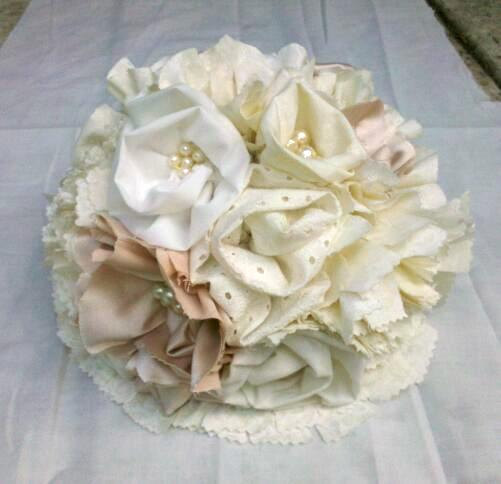
Rose-forward designs remain popular because roses read clearly as “wedding” across cultures and cameras. Mixing rose varieties—garden roses with spray roses—adds dimension. Thorn management and hydration matter; tired roses show first in heat. Garden roses open beautifully but can be fragile in wind; ask for a mix of open and tighter buds for longevity through portraits.
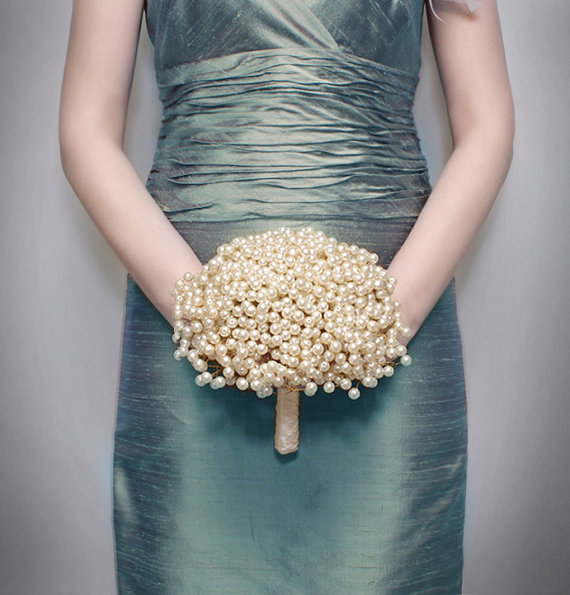
Wildflower-inspired bouquets suggest meadows and informality. Use them when the venue supports that story—barns, fields, coastal cliffs—not when the room is black-tie crystal. Local seasonal stems often look more convincing than imported “wild” lookalikes. Tell your florist if you want true meadow looseness or a polished version that only hints at wildness.
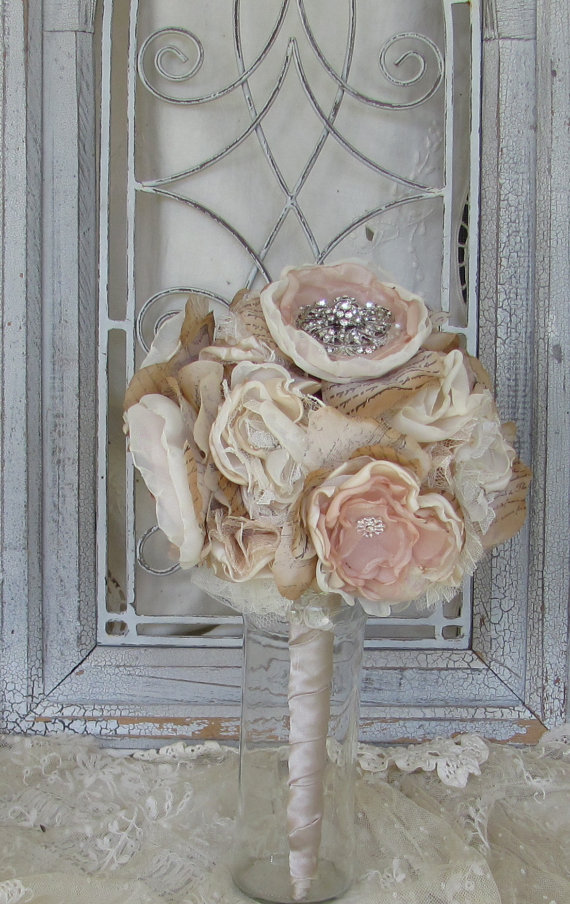
Tall, architectural bouquets make a statement in processional photos. They can obscure faces if held too high; coach the hold at mid-torso. Structural stems need discreet support so the arrangement does not nod forward during vows. Rehearse with a weighted stand-in if the final piece arrives the morning of the wedding.
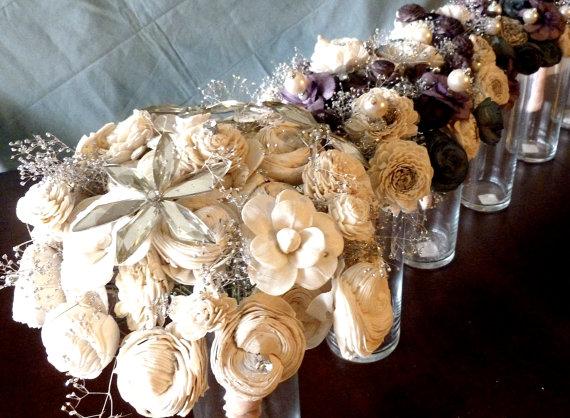
Soft romantic mixes—peonies in season, sweet peas, ranunculus—favor spring and early summer. Plan backups if peak blooms are weather-sensitive. A romantic bouquet still needs a firm core so it survives hugs and transport. Sweet peas perfume a room; if scent bothers you or guests, ask for fragrance-light substitutes with a similar look.
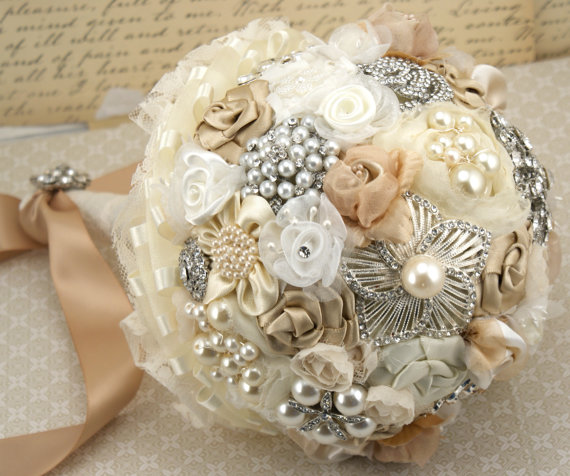
Monochrome bouquets look editorial and calm. All-blush or all-burgundy designs rely on shape and finish because color contrast is limited. Ribbon, wrap, and leaf backs become more important design tools. Monochrome also photographs cleanly against patterned venues that would clash with a busy multicolor hand bouquet.
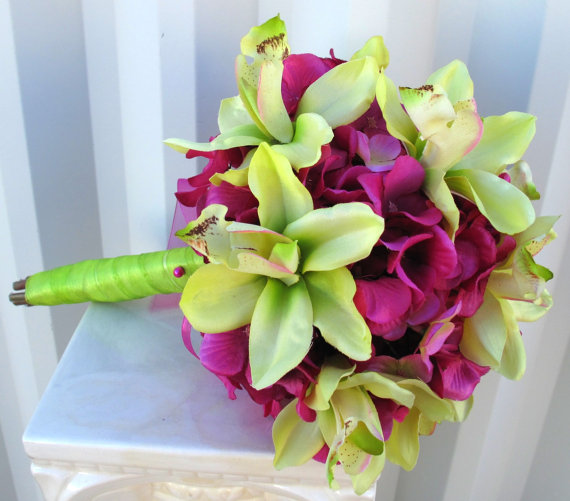
Hand-tied stems left visible feel contemporary and honest. Bindings should still be comfortable; raw stems can stain dresses and hands. A light wrap or ribbon cuff solves comfort without hiding the craft of the tie. If you want the stems as a design feature, keep them clean and evenly trimmed—messy cut ends read as unfinished, not natural.
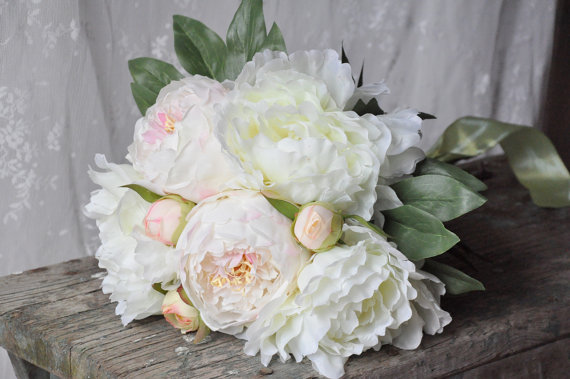
Trailing greenery softens waistlines and adds movement in video. Keep trails proportionate to height and heel choice; long vines trip on stairs. Secure them so wind does not turn the bouquet into a sail. For outdoor ceremonies, ask which greens wilt first in sun so the trail still looks intentional at recessional.
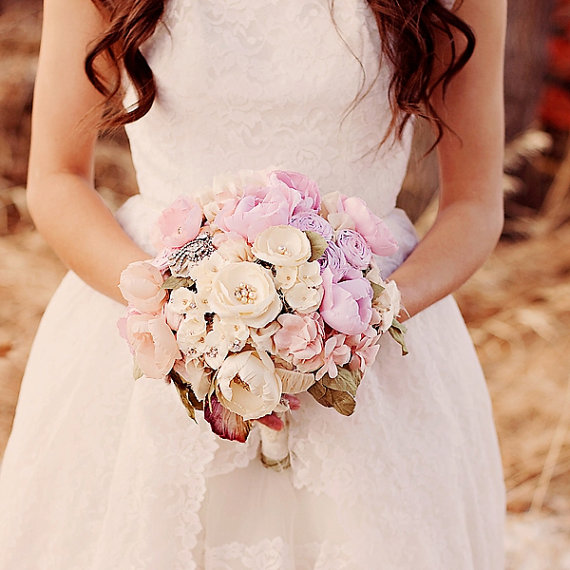
Modern structured designs use fewer flower types, clearer geometry, and sometimes unexpected materials. They pair with clean gowns and contemporary venues. Communicate early with your florist if you want this look; substituting filler can undo the architecture. Bring architecture photos of the venue—glass, concrete, wood—so the bouquet’s geometry can answer the room.
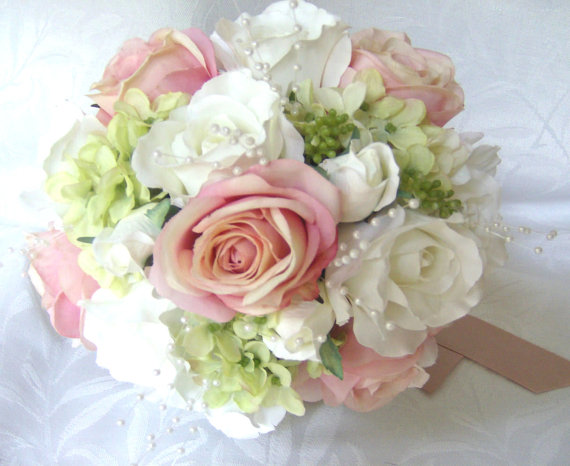
Warm autumn tones—rust, copper, deep peach, dried elements—suit fall light and wooden venues. Dried pieces add longevity for toss alternatives or display, but confirm they will not shed onto the dress during the ceremony. Pair warm blooms with warm metals in jewelry and flatware if you want the palette to feel continuous from hand to table.
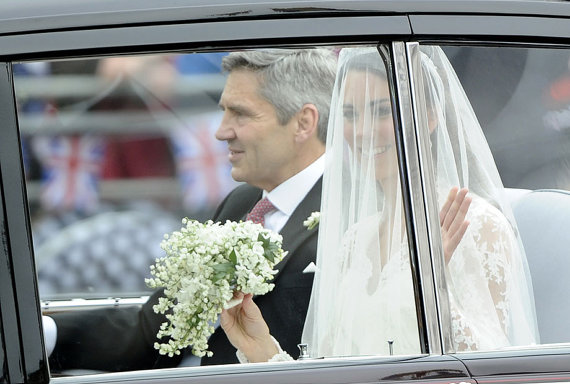
Delicate, airy bouquets photograph beautifully in backlight. They can look sparse in dim indoor chapels; add a bit more density if your ceremony lighting is low. Always test the bouquet against the actual dress fabric, not a hanger photo alone. What looks ethereal on a mood board can disappear against heavy lace or glitter tulle.
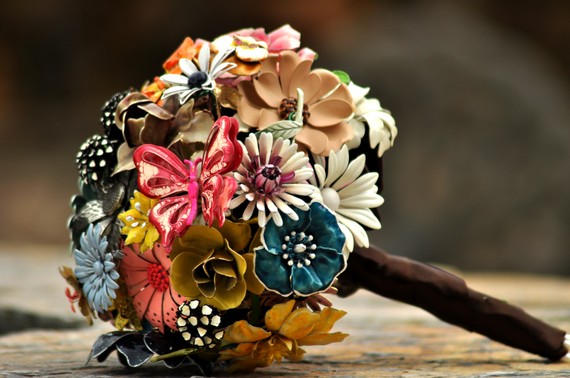
Before you lock a design, decide three things: silhouette (round, cascade, asymmetric), color temperature (warm or cool), and how much greenery you want. Bring dress photos, venue images, and a realistic budget to the florist. Ask about heat tolerance, scent strength, and a breakaway toss bouquet if you want to preserve the main piece. Confirm delivery timing, vase storage before the ceremony, and who carries the bouquet between shots.
On the day, assign someone to hydrate and track the flowers between portraits and vows. The most beautiful arrangement still needs water and shade. Choose a direction that matches the dress and the place, then stop collecting competing pins—one coherent bouquet in the hand beats three ideas fighting for space.

Comments
Continue reading
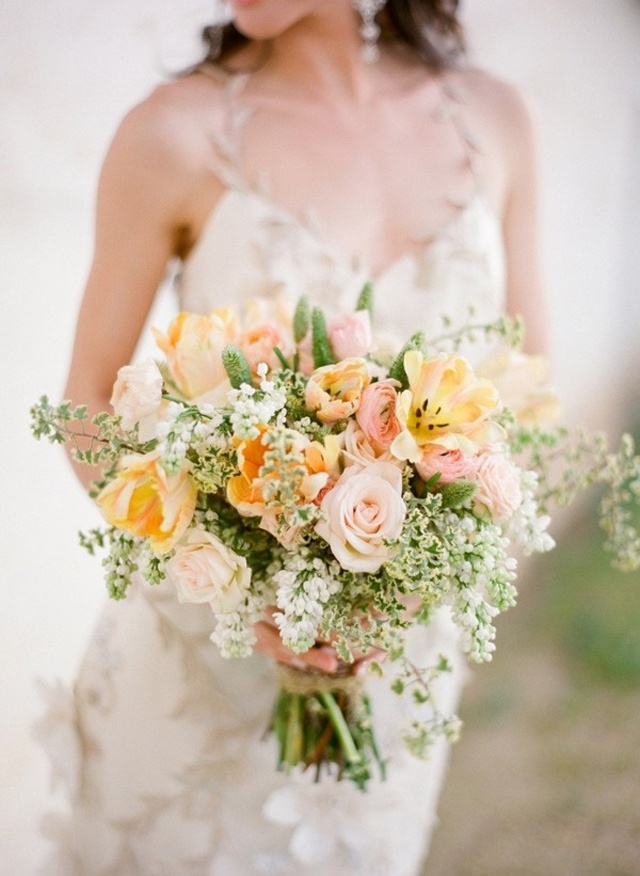
Fresh Flower Wedding Bouquets: Shape, Season, and Design Criteria
A gallery of fresh bridal bouquets with practical guidance on silhouette, color, stem stamina, foliage, and how to brief a florist without losing the dress conversation.
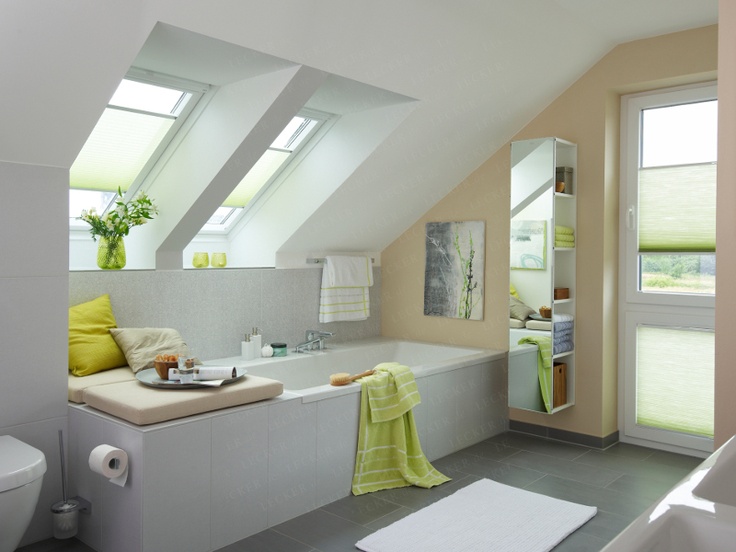
Attic Bathroom Design Ideas: Light, Layout, and Roof-Friendly Fixtures
Design ideas for converting an attic into an extra bathroom—working with slopes, skylights, wet-zone materials, eaves storage, and fixture placement.
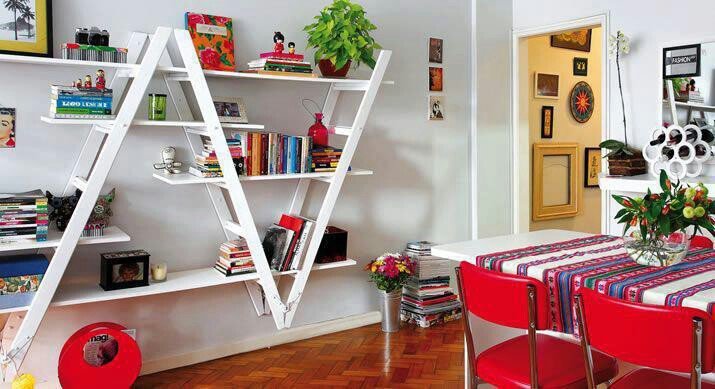
Ladder Shelving Repurpose Ideas: DIY Bookcases, Dividers & More
Turn an old ladder into shelving, a room divider, towel rack, or narrow desk—practical DIY steps, safety checks, and styling tips with photo ideas.