
How to Organise Your Makeup Drawer in One Weekend
Empty, edit, zone, and divide: a practical weekend reset that turns a chaotic makeup drawer into a morning-ready kit.
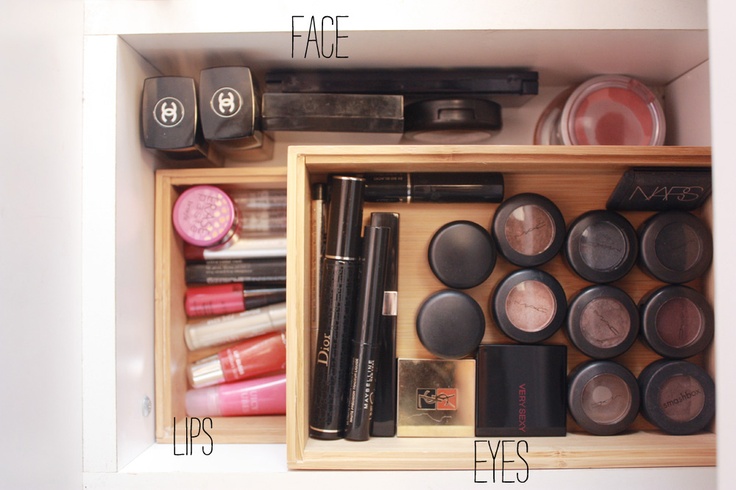
A makeup drawer rarely becomes messy because you lack taste. It becomes messy because mornings are short, lids do not reseal themselves, and yesterday’s experiment gets shoved beside tomorrow’s essentials. One weekend session can turn that drawer from a grab bag into a kit you can open with one hand and close without dread. Use the organized drawer below as a visual target—clean rows, visible labels, no mystery tubes—then follow the steps to build your own version at whatever budget you have.
Empty everything first
Take the entire drawer contents out onto a clean towel or tray. Do not sort inside the drawer. You need to see volume, duplicates, and expired products in daylight. Wipe the empty drawer with a slightly damp cloth, dry it fully, and check for sticky residue from spilled gloss or foundation. If the drawer smells closed-in, leave it open while you work.
Group items into rough piles as you empty: face (base, powder, blush, bronzer, highlighter), eyes (shadow, liner, mascara, brows), lips, tools (brushes, sponges, tweezers, lash tools), and skincare-adjacent products that somehow migrated in. Separate anything leaky or broken into a discard bag immediately so it does not contaminate the rest.
Edit hard before you organize
Organization fails when you try to store products you will never use. For each item, ask three questions:
- Have I used this in the last six months?
- Is it past its open-jar or tube lifespan (mascaras especially)?
- Do I already own a better version of the same shade or finish?
Mascara and liquid liner are often the first to go. Cream products that smell off, separate, or look dried at the rim should leave too. Keep sentimental minis only if they still perform; otherwise recycle packaging where local rules allow and dispose of product responsibly. The goal is a drawer that matches your real routine, not a museum of samples.
If you share the drawer, make a small “guest” zone later—not a second chaos pile in the middle.
Choose a zoning system that matches how you get ready
Most people do best with zones that mirror morning order:
- Base zone: primer, foundation, concealer, powder
- Color zone: blush, bronzer, highlighter, cheek tints
- Eye zone: shadows, liners, mascara, brow products
- Lip zone: balms, lipsticks, glosses, liners
- Tools zone: clean brushes and sponges only
If your routine is simpler—say, tinted moisturizer, mascara, lip balm—collapse zones. Empty space is fine. Do not fill gaps with products you do not need just to make the drawer look “full.”
Left-handed users may reverse the left-to-right flow. Night-shift workers may put evening looks forward. The system should match muscle memory, not a magazine layout.
Pick dividers that actually fit
You do not need a custom acrylic set on day one. Useful options include:
- Adjustable expandable drawer organizers
- Shallow plastic or bamboo trays that nest side by side
- Small jars or cups for upright lipsticks and liners
- A narrow brush roll or sleeve if brushes will not stand upright
Measure the drawer interior (width, depth, usable height) before buying. Height matters: tall bottles that force the drawer to jam will undo your work. Prefer low-profile containers for everyday items and store bulky backup bottles elsewhere—a closet caddy or bathroom cabinet shelf—so the morning drawer stays fast.
If you already own ice-cube trays, cutlery inserts, or small craft boxes, test them first. Reuse beats a shopping trip when the fit is good.
Stand what can stand; stack what must stack
Upright storage makes labels readable. Lipsticks, pencils, and slim tubes thrive in cups or honeycomb inserts. Flat palettes can stack two or three high if you put the most-used on top and keep stacks short enough to lift with one hand. Decant loose powder only if you are careful with lids; otherwise keep originals and face labels outward.
For liquid foundation and concealer, keep caps clean and store upright to reduce leakage. Put a small liner of paper towel under liquids for the first week so any seep shows up before it ruins wood.
Build a “daily strip”
Reserve the front third of the drawer for what you reach for five mornings a week. Everything else can live farther back. This single habit prevents the classic midweek collapse: pulling half the drawer out to find mascara, then shoving it all back crooked.
A daily strip might hold moisturizer you keep with makeup, SPF tint, one concealer, brow gel, mascara, and a balm. Seasonal looks—holiday glitter, deep berry lips—belong in a back row or a labeled pouch.
Clean tools on a schedule
An organized drawer still fails if brushes are grimy. Wash face brushes weekly if you use them daily; eye brushes every couple of weeks; sponges more often. Let tools dry fully before they return to the drawer so moisture does not fog powders or warp wood. Keep a tiny travel brush cleanser nearby for midweek spot cleans, but do not store soaking-wet tools inside.
Replace sponges that stay stained or torn. A clean tool zone makes the whole drawer feel finished.
Label lightly, not loudly
If multiple people use the space, small labels on divider edges help (“eyes,” “lips,” “base”). Skip decorative chalkboard chaos if it slows you down. Color-dot stickers on the underside of palettes can mark “everyday” versus “event” without visual clutter when the drawer is open.
A 45-minute maintenance loop
Once the big reset is done, protect it:
- Sunday (10 minutes): wipe spills, return strays, toss empty tubes
- Monthly (20 minutes): check dates, consolidate duplicates, wash brushes
- Seasonally (45 minutes): swap heavy winter textures for lighter summer ones, or reverse
Put a small trash cup on the counter while you do makeup for a week so empty samples never re-enter the drawer “temporarily.”
Common problems and quick fixes
Drawer still looks busy: you kept too many near-identical nudes. Pick two favorites per category and box the rest for a three-month trial away from the drawer.
Everything slides when you open: add a non-slip liner, shorten stacks, and stop storing heavy glass bottles in a shallow drawer.
You cannot find anything in the dark: use a rechargeable stick light under the upper cabinet, or keep the daily strip in a clear front tray.
Partner’s products invade: give them a labeled half-tray. Shared chaos is still chaos.
When you finish, open the drawer once the way you will on Monday. If you can grab base, eyes, and lips without shuffling, the system is working. If not, move the daily strip again until the reach feels automatic—then stop tinkering and enjoy the quieter morning.

Comments
Continue reading
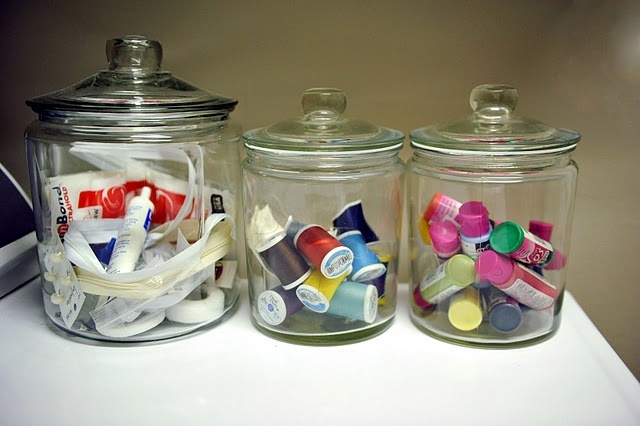
Craft Room Design and Organization Ideas That Actually Work
Zone your studio, protect a clear work surface, store fabric and notions by how you use them, and use lighting, labels, and a weekly reset to keep crafting inviting.
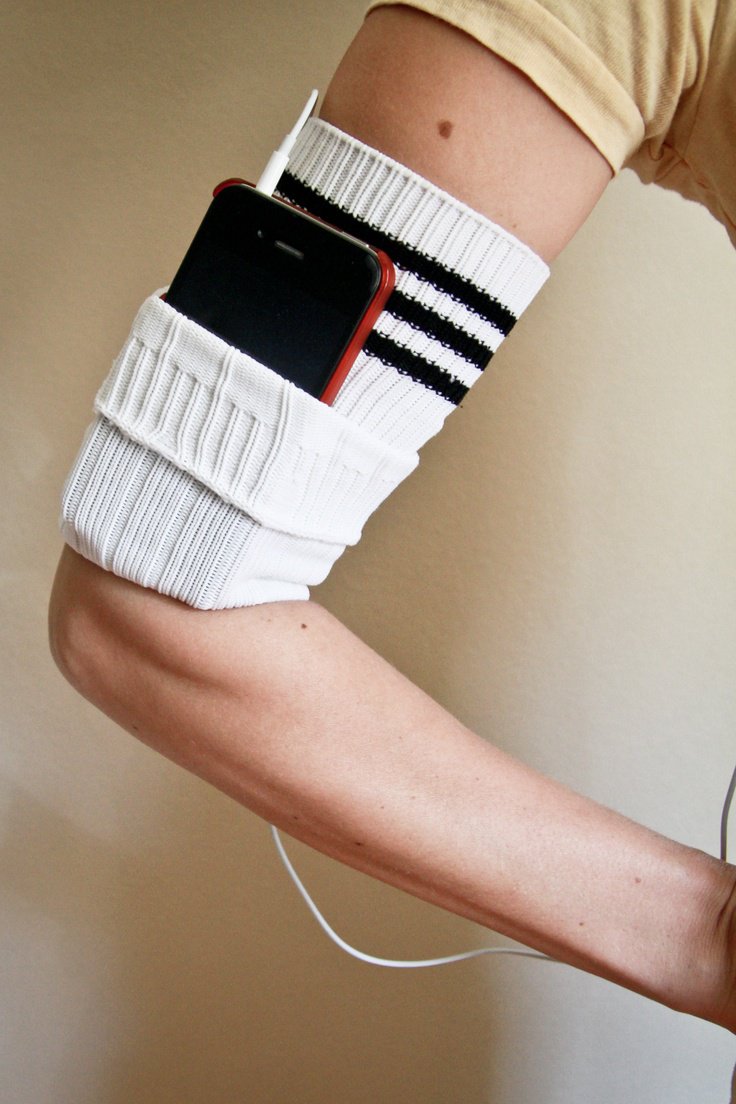
DIY Ideas for Old Socks: Rugs, Puppets, Mittens, and More
Sort leftover socks by fiber, then turn them into braided rugs, hand puppets, soft toys, mittens, and pin cushions with practical cutting and sewing tips.
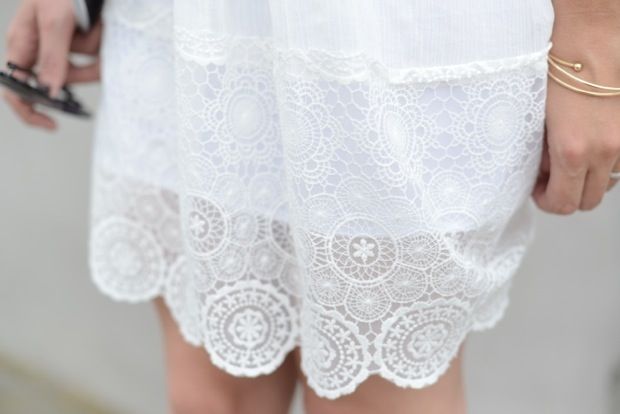
DIY Ideas with Lace Doilies
Upcycle heirloom lace doilies into framed art, runners, pillows, lamps, and more—practical craft projects that keep the crochet visible.