
Nicole Kidman on Harper’s Bazaar US, November 2012
A historical look at Nicole Kidman’s November 2012 Harper’s Bazaar US cover—Terry Richardson photographs, Mel Ottenberg styling, Emilio Pucci on the newsstand, and the Daring Issue interview.
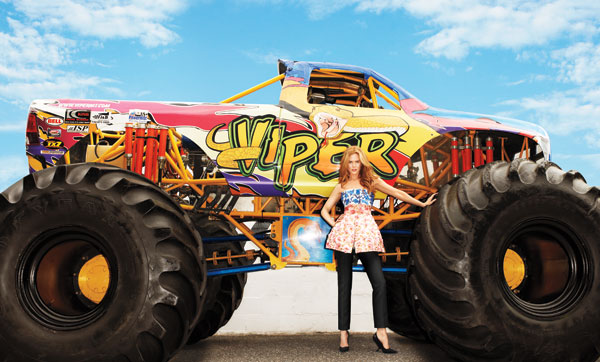
In autumn 2012, Harper’s Bazaar US put Nicole Kidman on the cover of its November issue—the magazine’s “Daring Issue”—in a shimmering golden Emilio Pucci gown and a Cartier cuff. Photographed by Terry Richardson with fashion editor Mel Ottenberg, the package mixed high-fashion portraiture with a personal interview conducted while Kidman was home in Nashville before leaving for Europe to shoot Grace of Monaco. This page treats that Bazaar moment as a historical fashion-magazine cover story from 2012: wardrobe, photographer, interview texture, and newsstand context—not a live career bulletin.
Bazaar’s job, unlike a Hollywood trade’s, is to sell fashion desire through celebrity presence. The November 2012 Kidman feature does exactly that. The cover sells glow and movement—an actress framed as glamorous risk rather than as a producer pitching a festival title. Inside, contemporary coverage noted looks from Dior Haute Couture, Missoni, Oscar de la Renta, and Versace. The clothes are not background. They are the magazine’s primary language, with Kidman’s voice riding alongside as access and personality.
The Daring Issue and a fashion-first cover
Calling the month the Daring Issue gave editors a thesis before a single dress was chosen. Kidman’s response, as reported in the published interview’s framing, was almost shy surprise—less the armored movie-star shrug and more an Australian laugh at the label. That tone matters for how Bazaar wanted her to read in 2012: famous for decades, still capable of sounding uncynical about fashion’s theater.
Terry Richardson’s photographs placed Kidman inside a visual vocabulary familiar to fashion readers of the moment—direct flash energy, staged play, editorial boldness that some fans loved and others found an odd match for Kidman’s more regal public image. Mel Ottenberg’s styling pushed couture and statement pieces rather than quiet minimalism. Hair and makeup credits circulating with the story (including Italo Gregorio and Kyra Panchenko in period roundups) completed the fashion-machine roster. This was not a candid taken between press junkets. It was a constructed Bazaar fantasy with a specific photographer’s stamp.
Newsstand timing reinforced the fashion calendar. The issue was widely flagged as hitting stands around October 23, 2012, after early October online previews of the cover and quotes. For a monthly glossy, that rhythm is normal: digital drip, then paper. Collectors hunting the Kidman cover were hunting a fashion object as much as a celebrity souvenir.
What Kidman said in the Bazaar interview
The accompanying conversation—circulated under lines such as “Nicole Kidman’s Wild Ride”—leaned personal and domestic more than deal-memo industrial. Sitting in a Nashville café in a vintage white lace dress, denim jacket, and floral scarf, she talked about attachment: attaching deeply to family, and attaching deeply to psychologically interesting, flawed roles. The magazine’s portrait of her emphasized curiosity, amusement at fashion talk, and an Australian directness that undercut the “remote ice queen” perception.
Period excerpts that traveled through entertainment press highlighted three recurring threads. First, early fame beside Tom Cruise: she described those years as overwhelming and strange, herself deeply shy, more comfortable at home than in the machinery of global celebrity. Second, marriage to Keith Urban: she credited his kindness with giving her confidence and opening her up—including, in widely quoted lines, around sexuality and trying new things. Third, body and red-carpet awkwardness: she spoke frankly about a “little belly,” skinny arms and legs, and the relief that, at forty-five, pregnancy speculation had quieted; she also admitted finding posed carpet photos awkward and preferring dresses she could actually move in afterward.
Those quotes are fashion-magazine intimacy. They humanize the gown. They are not primarily about greenlighting indie horror or negotiating studio offers. Bazaar wanted a star who could wear Emilio Pucci and still talk about belly makeup transferring onto a husband’s tux—a “red-carpet truth” that makes couture feel lived-in rather than purely aspirational.
She also spoke about keeping clothes as one keeps paintings: the chartreuse Dior by John Galliano from the 1997 Oscars packed in tissue for a future museum, other couture waiting for whichever daughter loves clothes more. That anecdote is pure Bazaar territory—heritage garments, maternal inheritance, fashion as archive. A trade paper might mention a dress in passing; here the dress is a character.
Career backdrop without leaving 2012
Useful context for the cover stays inside the season’s horizon. Kidman was promoting and moving through a stretch that included The Paperboy visibility and the upcoming Grace Kelly biopic shoot in Europe. She was forty-five, long past ingénue casting, publicly settled in a Nashville–Hollywood commuting life with Urban and their children. Bazaar did not need to invent a comeback narrative; it needed a face strong enough for a daring-fashion thesis and a voice willing to be personal on the record.
Readers who only know Kidman through later prestige-TV dominance should resist projecting that future onto this cover. In November 2012, the magazine’s wager was simpler: an Oscar-winning actress still treated as a fashion event, photographed for a glossy that lives or dies by desire. The interview’s psychology talk—“flawed people,” deep attachment—connects to her role choices, but the pages around those quotes still turn on fabric, jewelry, and pose.
How to read the image as Harper’s Bazaar
Look at the cover language. Gold gown, exposed movement, jewelry as punctuation, a title that wants “daring” to mean fashion courage as much as life candor. Compare that, even mentally, with a Hollywood trade cover from the same career window and the difference is structural. Bazaar sells the dream of the dress and the intimacy of the quote. The trade sells the industry position of the quote and uses portraiture as supporting evidence. Same actress, different magazine physics.
Richardson’s flash and staging also date the object. Early-2010s fashion photography had house styles as recognizable as typefaces. Whether you find the Kidman set thrilling or mismatched, it is historically specific. Soft regal portraiture would have told a different Bazaar story. This one chose voltage.
For anyone saving the image, keep the caption accurate: Nicole Kidman, Harper’s Bazaar US, November 2012, Terry Richardson, Mel Ottenberg, Emilio Pucci and Cartier on the cover as reported at the time. Specificity prevents the photograph from dissolving into a timeless “Nicole looks stunning” blur. Magazine history is made of issue months and mastheads.
Why this cover still works as a fashion timestamp
Fashion monthlies are disposable by design and durable as cultural timestamps. They show how a publication wanted a star to look in a given season, which designers got the cover credit, and which personal stories editors thought would make readers linger past the first glance. Kidman’s November 2012 Bazaar timestamp is clear: Nashville base, Grace of Monaco ahead, marriage and motherhood as interview ballast, couture treated as both armor and inheritance.
It is also a reminder that “daring,” in glossy grammar, often means a willingness to be styled outside a star’s safest silhouette—and a willingness to say slightly too much about the body and the marriage for a publicist’s comfort. Kidman’s Bazaar quotes did that work. The gown did the rest.
If you came for the picture, stay with the Pucci gold and the Cartier cuff long enough to see them as magazine arguments, not only as pretty objects. If you came for the interview memory, keep the Nashville café setting in mind: a fashion cover story that begins in denim and lace before it detonates into haute couture on the page. That journey—from domestic ease to daring gloss—is the November 2012 Harper’s Bazaar US feature in miniature.

Comments
Continue reading
Kristen Stewart for V Magazine, Spring Preview 2013
V81’s Wild at Heart cover story—Kristen Stewart shot by Inez & Vinoodh, styled by Joe McKenna, in pale minimal spring glamour.
Brad Pitt for Esquire US, June/July 2013
Max Vadukul’s monochrome Esquire cover portraits—camera prop, aviators, Tom Junod’s “A Life So Large” summer 2013 package.
Jennifer Lopez for Harper’s Bazaar, February 2013
Jennifer Lopez’s dual February 2013 Harper’s Bazaar covers—shot by Katja Rahlwes in Istanbul—framed in metallic Paco Rabanne and Fendi glamour.