
Mila Kunis on the Cover of Esquire, November 2012
A historical look at Esquire’s November 2012 issue naming Mila Kunis Sexiest Woman Alive—cover portraits, Ross McCammon’s interview notes, and the career context of that newsstand moment.
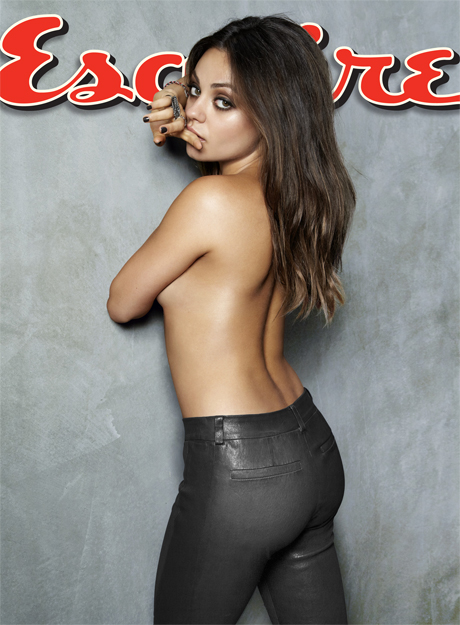
On newsstands in autumn 2012, Esquire’s November issue put Mila Kunis on the cover as that year’s “Sexiest Woman Alive.” The photographs collected here belong to that magazine moment: a Hollywood actress mid-career, framed by a men’s title that mixed glamour portraiture with a long-form interview. This page treats the feature as a period cover story from 2012—not a live celebrity bulletin and not a career scorecard updated for later years.
By late 2012, Kunis was widely recognizable from a path that began with television and widened through film. Viewers still associated her with Jackie on That ’70s Show; film audiences knew the sharper turns of Black Swan, the romantic-comedy lead of Friends with Benefits, the voice of Meg on Family Guy, and the comic energy she brought opposite Mark Wahlberg in Ted. Oz: The Great and Powerful was already in the promotional pipeline for the following spring. Esquire’s choice sat at that junction—familiar face, expanding filmography, public curiosity about the person behind the roles.
Men’s magazines of the early 2010s still used Hollywood covers as a reliable newsstand language. The promise was simple: a star you already knew, photographed for the title’s own fantasy of adult glamour, with an interview long enough to feel like access. Kunis’s November 2012 package is one clean example of that machine working at full volume.
The November 2012 issue and the annual title
Esquire’s “Sexiest Woman Alive” franchise was a recurring editorial event with its own rhythm: a cover, a photo portfolio, and a profile meant to feel like a conversation rather than a press-junket checklist. In 2012 the magazine named Kunis, succeeding Rihanna’s 2011 turn. Contemporary coverage summarized the editors’ pitch in a line that circulated widely—she was framed as beautiful, opinionated, talkative, and funny, someone readers had effectively watched grow up on screen since childhood roles.
The November issue presented her as the lead lifestyle-celebrity face of the month, not a buried sidebar. That placement matters for magazine history. General-interest men’s titles mixed politics, culture, fiction, and fashion-adjacent photography; a franchise cover had to stop a casual browser and still feel continuous with the brand’s smarter-than-a-gossip-rag self-image. Naming an actress known for both comedy timing and darker film work helped that balancing act.
Collectors and contemporary tables of contents treated the Kunis feature as a centerpiece of the month’s mix. For anyone reconstructing the issue from the outside, the important fact is editorial priority: Esquire wanted her face to define the rack presence of November 2012.
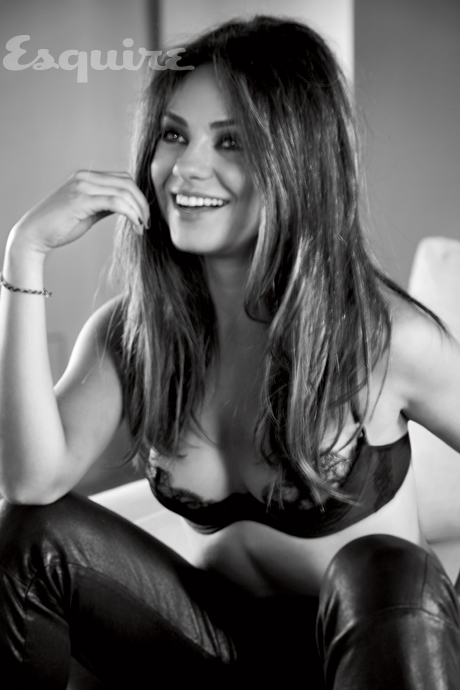

Interview texture from the Ross McCammon profile
The accompanying piece, written by Ross McCammon for the November 2012 Esquire, was built around talk more than mythmaking. Period excerpts that moved through entertainment press emphasized Kunis’s insistence on separating work from self. She described a line between what she does and who she is—and a fear of losing the latter if she bought into celebrity distortion. She tied that stance to her parents’ experience and to a wish not to disappoint them: a personal ethic offered as ballast against the industry’s habit of turning people into circulating images.
Other circulated passages showed a more combative register. Discussing earlier career pressure around a magazine cover she did not want to do—connected in the interview’s telling to the Max Payne era—she described being told she would never work again if she refused. Her response, as quoted in contemporary write-ups, was essentially acceptance of that threat rather than compliance. The anecdote was not soft publicity; it was a story about boundaries inside a business that often rewards the opposite.
She also spoke in political terms that news outlets highlighted when the issue was announced in October 2012, criticizing what she saw as the Republican Party’s posture toward women and religion. Whether readers agreed or not, the magazine was selling a subject willing to be blunt—an editorial contrast to covers that only deliver wardrobe and smile.
Notably for gossip culture of the moment, coverage observed that she did not turn the interview into a dating column. Ashton Kutcher’s name, then a tabloid fixture in her orbit, did not become the spine of the piece. The profile’s interest stayed on work, character, and opinion. That choice shaped how the cover read: glamour photography paired with a voice that refused to be only decorative.
McCammon’s framing—captured in promotional copy that traveled with the issue—leaned on charm as competence rather than as emptiness. The magazine wanted readers to meet someone who could talk, argue, joke, and still hold a cover’s visual brief. That combination is why the feature still reads as a magazine object rather than as a pure photo dump.
How the photographs work as magazine images
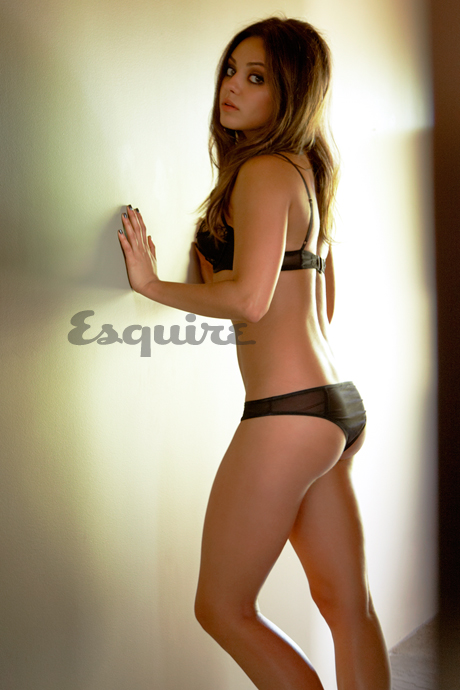
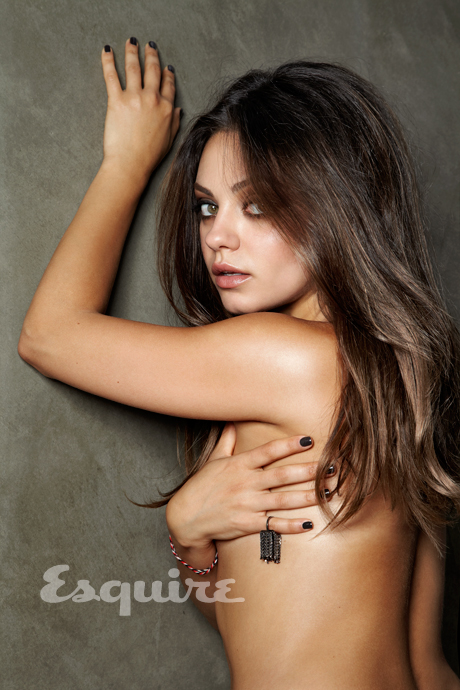
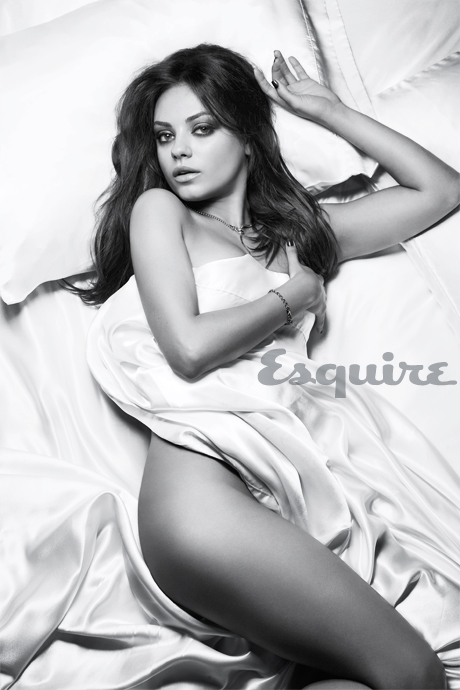
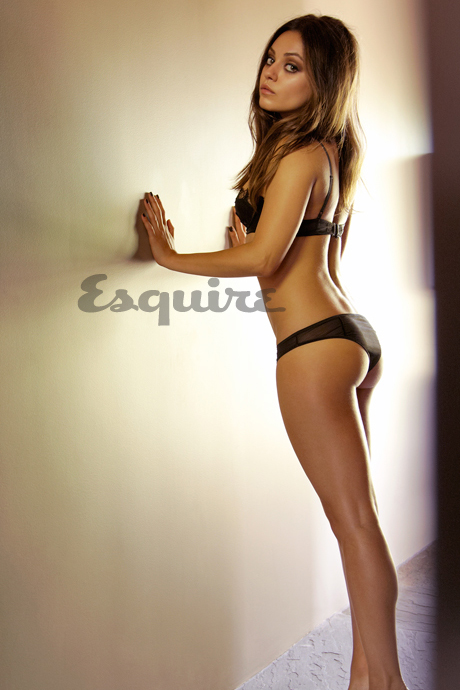
Look at the sequence as editorial packaging from 2012. Lighting, posing, and wardrobe aim for Esquire’s version of adult glamour—controlled studio atmosphere, emphasis on presence, a cover language designed to stop a reader in a crowded rack. The images are not red-carpet candids and not film-still publicity. They are constructed for a specific issue’s thesis: Kunis as the face of that year’s franchise title.
Compare that construction with how film studios sell a release. Movie campaigns push character and genre. A “Sexiest Woman Alive” portfolio pushes persona and magazine brand. The two machines overlap in Hollywood, but the props differ. Here the product on sale is the issue itself—paper, ink, subscription cards, and the promise of the interview inside.
When you move frame to frame, notice continuity of mood rather than narrative costume changes for a fictional role. The portfolio’s job is recognition and allure inside Esquire’s graphic environment—typography, cover lines, and a visual temperature consistent with men’s-magazine glamour of that season. Softness and directness trade places across the set; what stays constant is the sense that the camera is negotiating with a performer who knows exactly how publicity works.
Career context without rewriting the timeline forward
For readers who meet this gallery years later, the useful context is the 2012 one. Kunis was about twenty-nine, already past the pure sitcom-identification phase, collecting film credits that proved range—from prestige-adjacent drama to broad comedy. Ukrainian-born and raised partly in the United States after emigrating as a child, she occasionally discussed identity and upbringing in profiles of the era; Esquire’s package sat among those adult-career conversations rather than among origin-story profiles for newcomers.
Box-office and awards chatter of 2011–12 had already made her a flexible casting idea: someone who could headline a studio comedy, sharpen a darker ensemble, or sell a voice role with timing alone. Magazines like cover subjects who feel unfinished in a productive way—famous enough to stop the eye, still mid-arc enough to justify interview curiosity. Kunis fit that brief in November 2012.
What this page does not do is chase later headlines, relationship timelines beyond the issue’s own silence, or net-worth speculation. The November 2012 Esquire feature is a sealed newsstand object. Its job then was to sell magazines and to present Kunis through McCammon’s interview and the accompanying images. Its job now, on a gallery page, is to keep that object readable: who appeared, which issue, what kind of story the magazine told.
Reading a franchise cover after the rack is gone
Magazine covers date quickly in fashion details and typography, yet they remain useful cultural timestamps. They show how a publication wanted a star to look in a given season, and which narrative—witty, fierce, romantic, political—it tried to attach to that look. Kunis’s November 2012 Esquire sits at a clear timestamp: pre-Oz theatrical rollout, post-Black Swan credibility, comedy visibility still high, annual franchise title applied.
Franchise titles like “Sexiest Woman Alive” are easy to dismiss as marketing. Historically, they also function as appointment covers—issues readers expect, argue with, and remember by year. Rihanna before Kunis, Kunis in 2012: the sequence is part of how Esquire marked time for a stretch of its modern newsstand life. Keeping the photographs with that framing prevents the page from drifting into generic celebrity collage.
If you came for the pictures, linger on them as a set designed for rack impact and interior pacing. If you came for editorial memory, keep the interview’s twin poles in view: a refusal to collapse self into celebrity, and a willingness to describe industry pressure without softening it into charm alone. Glamour sold the issue; talk was the magazine’s claim to substance. That was the November 2012 bargain between Esquire and Mila Kunis—and it is the bargain these images still document.

Comments
Continue reading
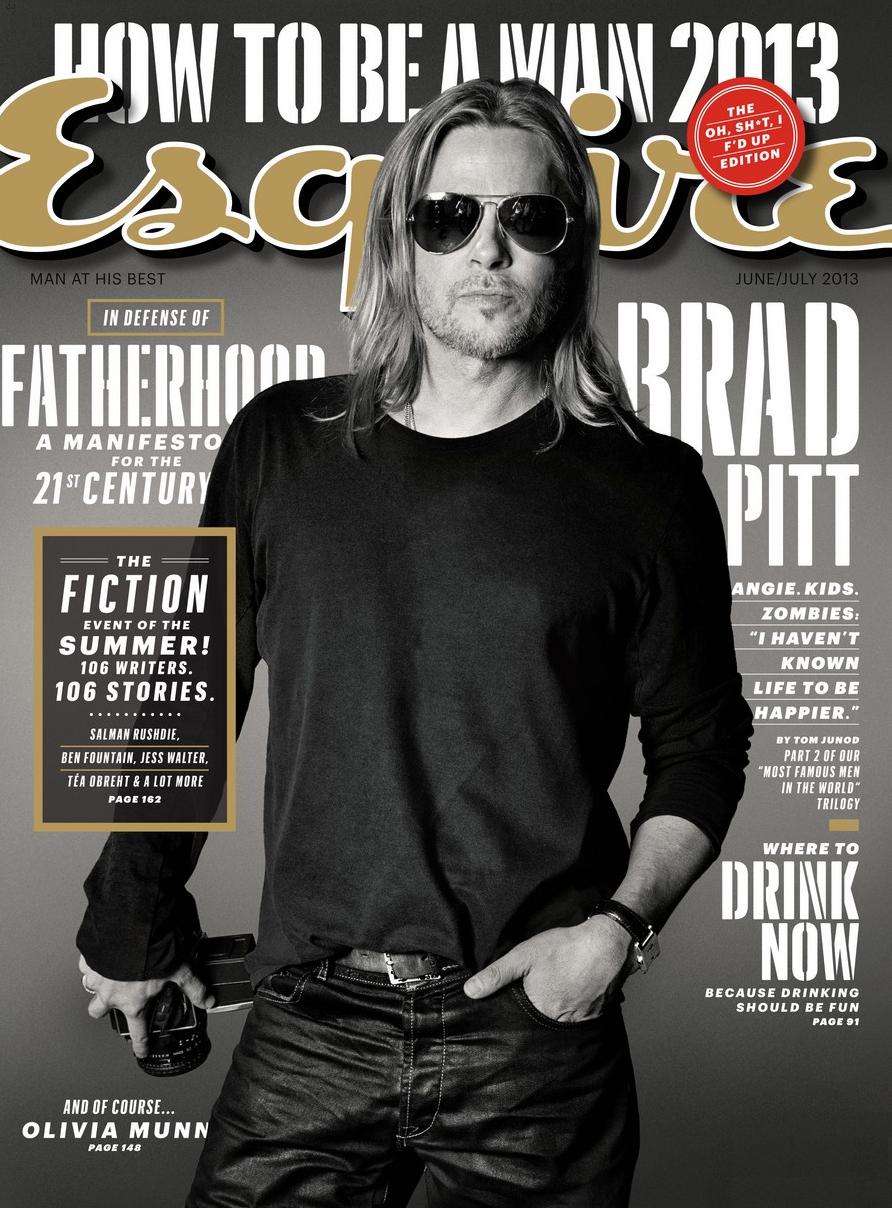
Brad Pitt for Esquire US, June/July 2013
Max Vadukul’s monochrome Esquire cover portraits—camera prop, aviators, Tom Junod’s “A Life So Large” summer 2013 package.
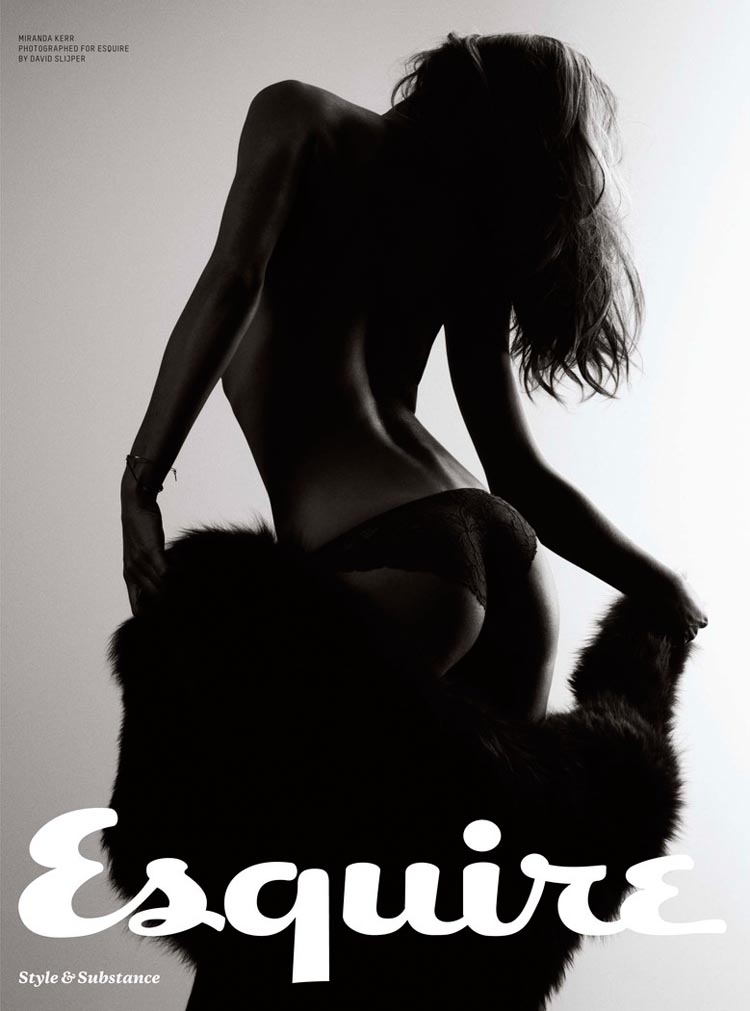
Miranda Kerr on Esquire UK’s December 2012 Cover
A historical look at Miranda Kerr as Esquire UK’s Sexiest Woman Alive 2012—David Slijper’s December cover story, interview notes, and newsstand glamour from late 2012.
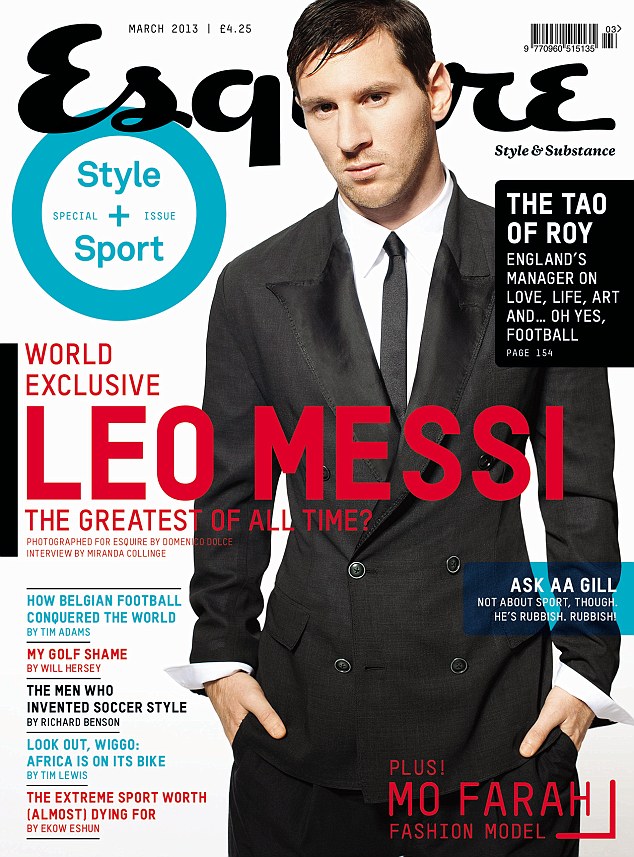
Lionel Messi on the Cover of Esquire UK, March 2013
A historical look at Lionel Messi’s Esquire UK March 2013 cover story—fashion portraits, interview notes, and the football context of that newsstand moment.