
Lionel Messi on the Cover of Esquire UK, March 2013
A historical look at Lionel Messi’s Esquire UK March 2013 cover story—fashion portraits, interview notes, and the football context of that newsstand moment.
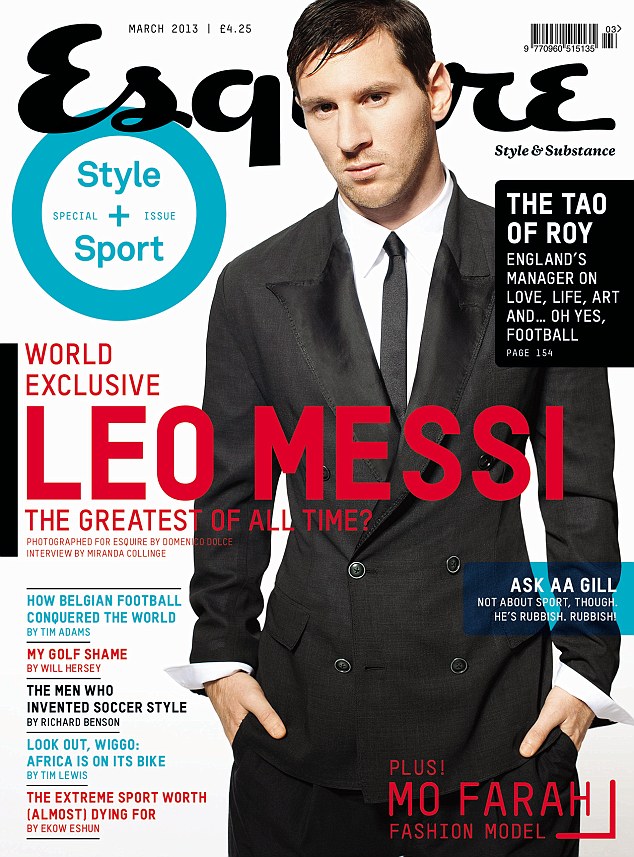
In early 2013, Lionel Messi appeared on the cover of Esquire UK’s March issue—a sports-special moment that treated the Barcelona forward less as a match-report subject and more as a style and culture figure. The photographs collected here document that cover story: tailored looks, a serious pose, and the magazine’s framing of a player already at the center of “greatest of all time” debates.
This page is a historical cover gallery from that moment, not a career biography or a finance profile. The football context below simply situates why a men’s magazine in Britain put an Argentine footballer on its front in March 2013.
Why Messi was cover material in 2013
By the winter of 2012–13, Messi had stacked Ballon d’Or wins and was the creative heart of a Barcelona side that still defined European club football’s aesthetic: positional play, relentless pressing in cycles, and a number 10 who finished like a striker. Fresh attention around another Ballon d’Or cycle made him an obvious choice for Esquire’s sports-leaning March package. British newsstand culture has long mixed athletes with fashion; Messi’s cover fit that tradition while asking, in the magazine’s own promotional framing, whether he might already be the best to have played the game.
Club form in early 2013 was not a fairy tale every week—El Clásico nights could be brutal—but the broader arc was dominance. Messi had recently passed major Barcelona goal milestones, and Argentina’s 2014 World Cup cycle was already a subplot in every profile. Magazines love a subject who is both untouchable on paper and unfinished in narrative. A World Cup still ahead supplied that unfinished line.
The Esquire UK March 2013 feature
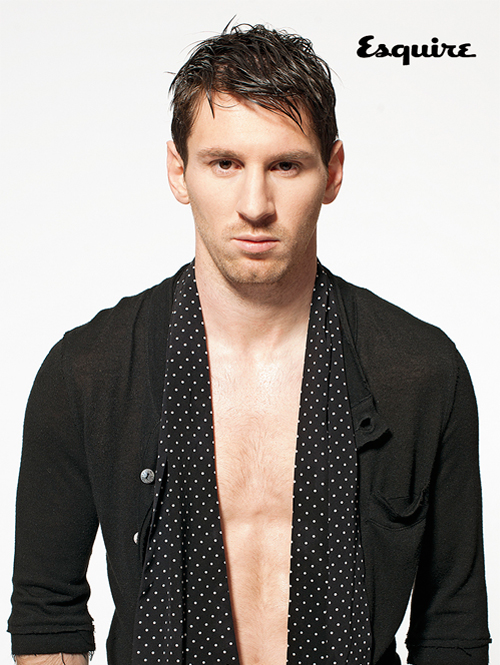
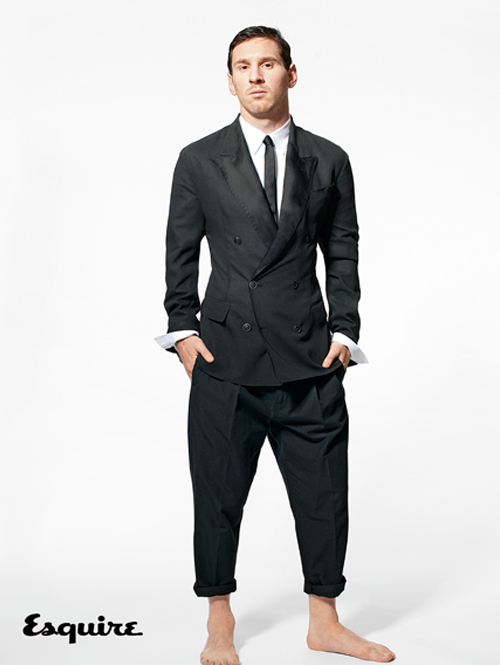
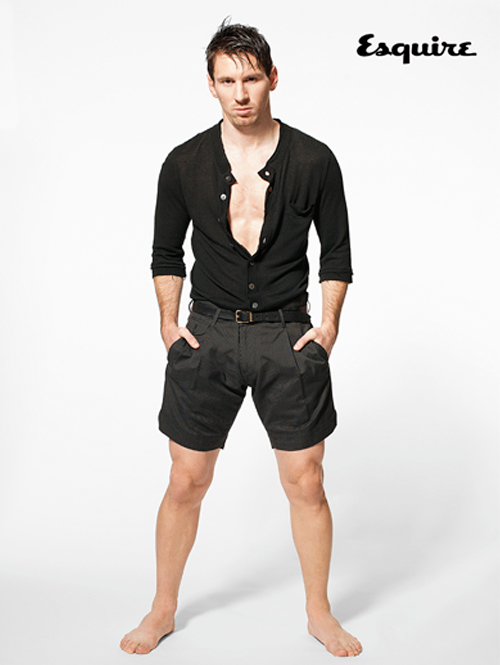
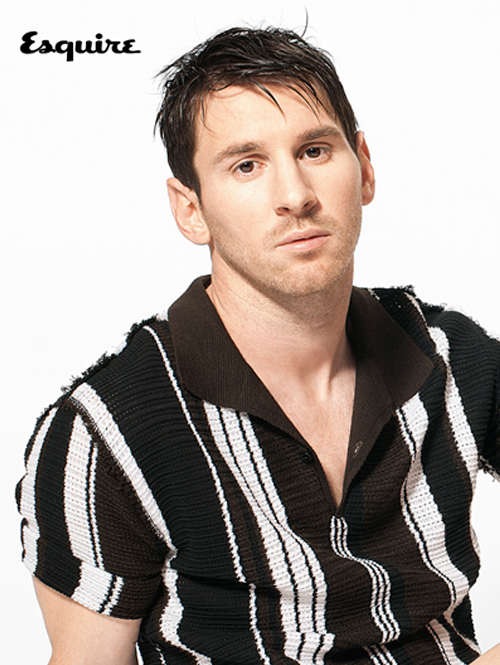
Esquire UK’s March 2013 issue devoted substantial space to Messi—collectors and contemporary coverage noted a multi-page treatment with extensive photography. The cover and interior images show him in formal and smart-casual tailoring rather than a match kit: a deliberate shift from the pitch to the newsstand. Reporting at the time linked the shoot to a Barcelona-hotel session connected with Dolce & Gabbana imagery, aligning the footballer with luxury menswear’s interest in global athletes.
In interview excerpts that circulated through sports press in early March 2013, Messi’s tone matched the public persona fans already knew—soft-spoken, almost allergic to self-mythology. Asked about ego, he said he did not feel he had one, or at least that he still needed to improve in everything. On private life, he said he would never write memoirs because he wanted that life to remain private. On his newborn son, Thiago, he spoke of the happiness of knowing the child waited at home after training and matches, and of supporting whatever path the boy chose—not obsessing that it must be football.
Those quotes matter for reading the cover correctly. The issue was not selling a brash celebrity; it was packaging a shy superstar in sharp clothes and letting the question on the cover—“best of all time?”—do the loud work.
Football context without rewriting history
For readers who meet this gallery years later, a short map of Messi’s situation in early 2013 helps. He was still firmly a Barcelona player, years before later chapters in Paris and Miami. Pep Guardiola’s epoch-defining spell had ended; Tito Vilanova’s side and the wider Guardiola afterglow still shaped how Europe watched Messi. Cristiano Ronaldo’s Real Madrid provided the era’s defining individual rivalry in awards chatter and headline contrast—flash versus reserve, different body language, shared statistical absurdity.
Internationally, Messi carried Argentina’s hopes into a World Cup year that would arrive in 2014. Club brilliance and national-team narrative had not yet fully aligned in the public mind the way they later would. That gap is part of why magazines in 2013 could still pose “best ever?” as a live argument rather than a settled plaque.
What this cover does not try to do—and what this page will not invent—is reduce Messi to transfer fees, salary speculation, or guessed personal wealth. The Esquire UK package was about image, interview texture, and sporting stature at a specific newsstand moment.
How to look at the photographs
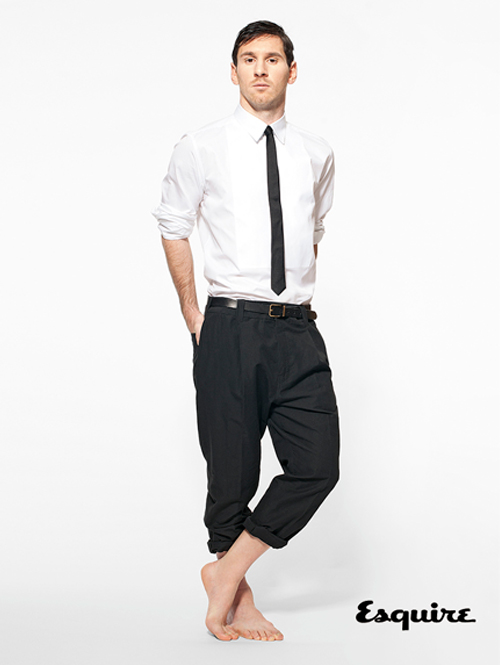
Start with the cover frame: formalwear, composed expression, magazine typography claiming cultural space for a footballer. Then move through the interior portraits. Notice how little “sports action” grammar appears—no mid-dribble freeze frames, no stadium bokeh. The shoot borrows fashion editorial rules: controlled light, wardrobe as character, silence as attitude.
Compare that with how football magazines of the same era usually shot him—boots, ball, Camp Nou green. Esquire’s choice underlines crossover fame. When an athlete appears in a general-interest men’s title, the subtext is that readers who do not follow La Liga still recognize the face.
Also notice what is absent: prop-heavy “lifestyle” clutter, forced smiles, novelty sets. The restraint matches the interview’s refusal of memoir culture. Even in a fashion context, Messi reads as someone enduring the camera rather than performing for it.
The March 2013 issue around him
Contemporary collectors’ notes on the March 2013 Esquire UK issue list Messi’s feature alongside other cultural pieces of that month—music, film, and sports-adjacent profiles typical of the title’s mix. The footballer was the lead face, not a buried sidebar. For magazine history, that placement marks how thoroughly elite football had entered British lifestyle media by the early 2010s, beyond dedicated sports weeklies.
On British newsstands, a football cover had to compete with celebrity weeklies and broadsheet supplements. Choosing Messi was both safe (global recognition) and slightly bold (a non-British club star as the face of a UK edition). The gamble assumed that excellence travels—and in Messi’s case, it did.
After the issue left the shelves
Covers date faster than goals. The March 2013 Esquire UK issue is now a period object: wardrobe, type, and the particular glow of pre-2014 World Cup anticipation. Messi’s career continued through triumphs and moves that this gallery does not need to preview. What remains useful is the document itself—how a major men’s magazine saw him at that hour.
If you are here for the images, linger on the sequence as a fashion-sport hybrid from early 2013. If you are here for memory, let the quotes about ego, privacy, and fatherhood sit beside the tailored silence of the portraits. That combination—soft voice, hard greatness, sharp clothes—is what Esquire UK put on sale that March.
Flip back to the cover once more after the last frame. The question the magazine floated about all-time status was marketing copy and genuine argument at once. History has kept arguing; the photographs stay fixed in their Barcelona-hotel light.

Comments
Continue reading
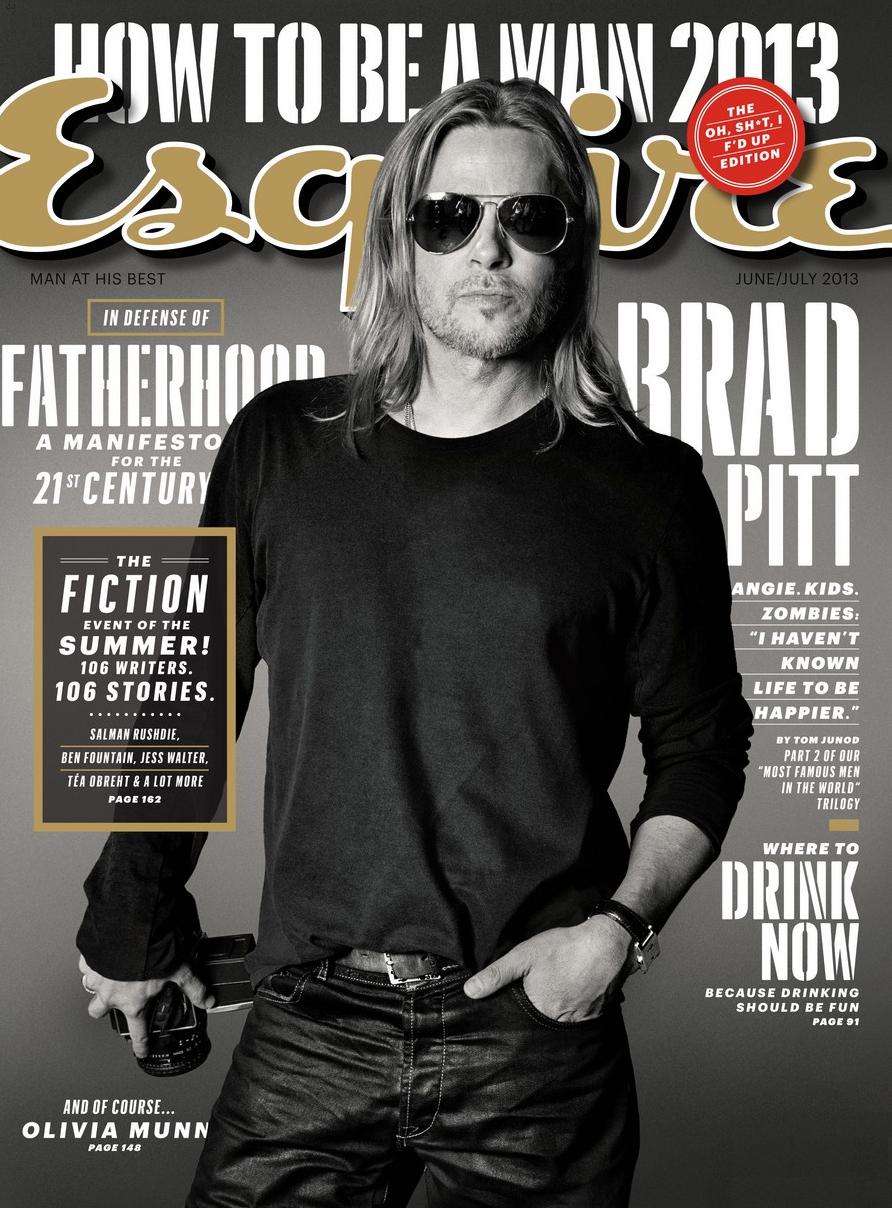
Brad Pitt for Esquire US, June/July 2013
Max Vadukul’s monochrome Esquire cover portraits—camera prop, aviators, Tom Junod’s “A Life So Large” summer 2013 package.
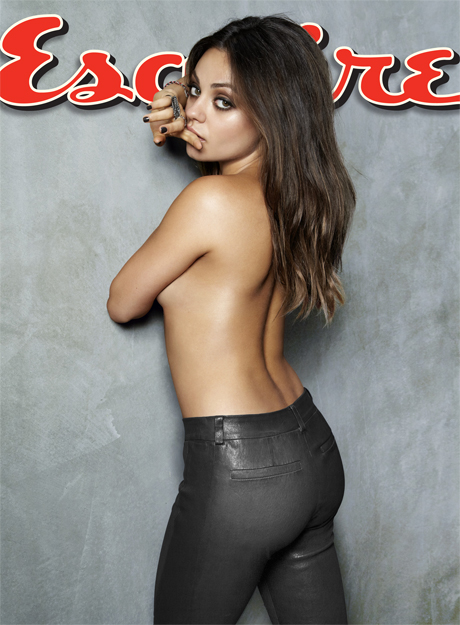
Mila Kunis on the Cover of Esquire, November 2012
A historical look at Esquire’s November 2012 issue naming Mila Kunis Sexiest Woman Alive—cover portraits, Ross McCammon’s interview notes, and the career context of that newsstand moment.
Miranda Kerr on Esquire UK’s December 2012 Cover
A historical look at Miranda Kerr as Esquire UK’s Sexiest Woman Alive 2012—David Slijper’s December cover story, interview notes, and newsstand glamour from late 2012.