
Fabulous Fireplace Ideas: Modern, Classic & Rustic Hearths
From flush modern surrounds to classic mantels and textured stone, fireplace ideas that help you choose materials, proportion, and styling for your home.
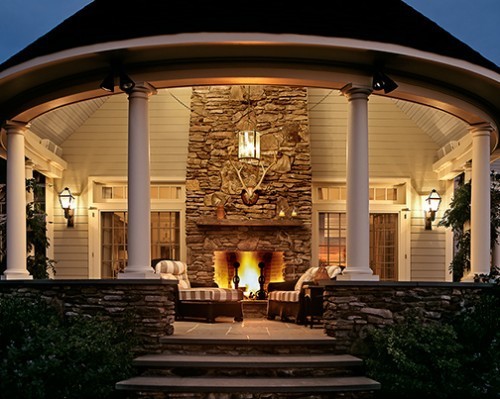
A fireplace organizes a room even when the fire is out. Sofas face it, conversations orbit it, and the wall around it announces whether the house wants to feel modern, traditional, rustic, or quietly mixed. Surround, mantel, hearth, and the character of the opening—wide ribbon, classic rectangle, stone niche—do as much visual work as any piece of furniture. Choosing among fireplace ideas is less about collecting accessories and more about deciding what kind of architectural punctuation the room needs.
This gallery moves from sleek contemporary planes to carved classic mantels and textured stone or timber compositions. Use it as a style map. Notice materials and proportions first; notice candles and art second. The principles travel farther than any single knickknack.
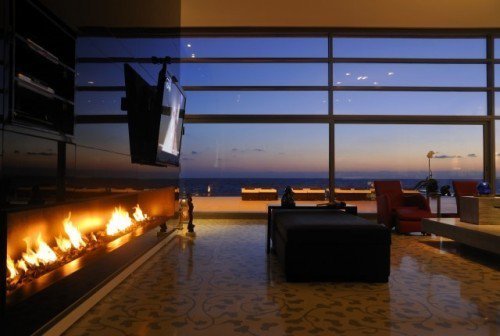
Modern hearths: subtraction and plane
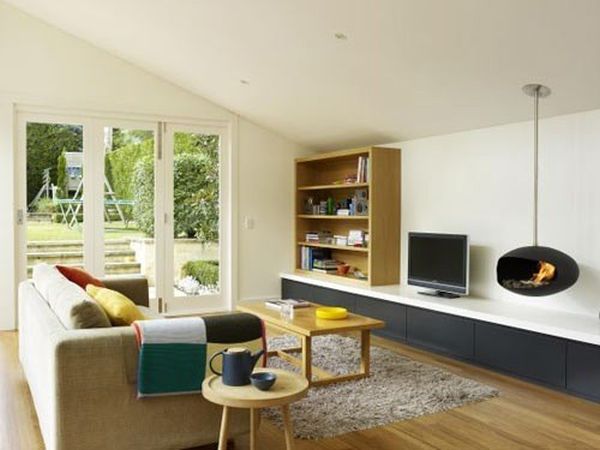
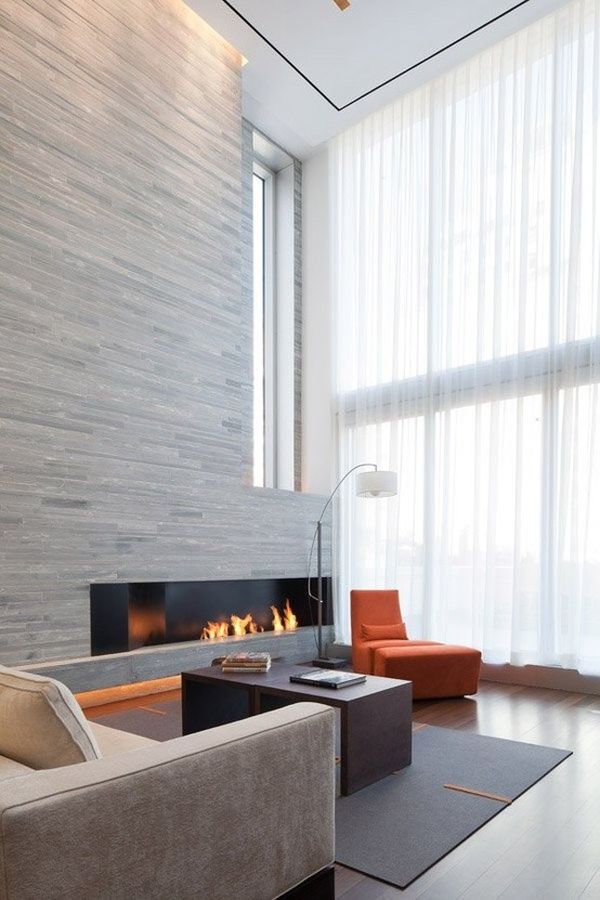
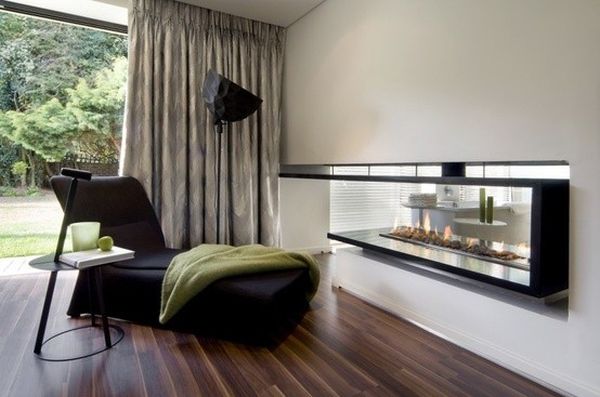
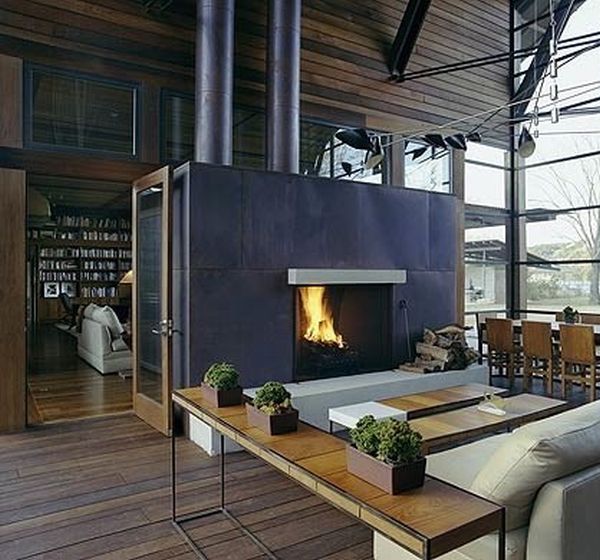
Modern fireplaces often succeed by removing ornament. A flush surround in limestone, concrete, plaster, or large-format tile turns the wall into a calm field. The opening may be a sharp rectangle or a long horizontal ribbon that emphasizes width. Mantels, when they exist, are slim ledges rather than ceremonial crowns. Black metal frames, glass-front gas units, and recessed lighting keep attention on flame geometry and the unbroken surface around it.
In open-plan living spaces, a modern hearth can double as a room divider or a media wall. Integrating a television above the firebox is common and controversial: heat ratings, viewing height, and visual competition all matter. Some of the strongest contemporary rooms refuse the screen entirely and let the fire remain the only glow. Negative space around the opening is part of the design. Crowding a minimal surround with busy objects cancels the calm you paid for.
Colour in modern schemes tends toward neutrals—warm gray stone, white plaster, charcoal metal—so the flame supplies the drama. A single contrasting hearth slab or a thin brass reveal can be enough accent. If your furniture is already ornate, a modern fireplace can still work if you bridge with shared metals or a shared wall colour; otherwise the hearth may feel like a visitor from another house.
Classic mantels and formal symmetry
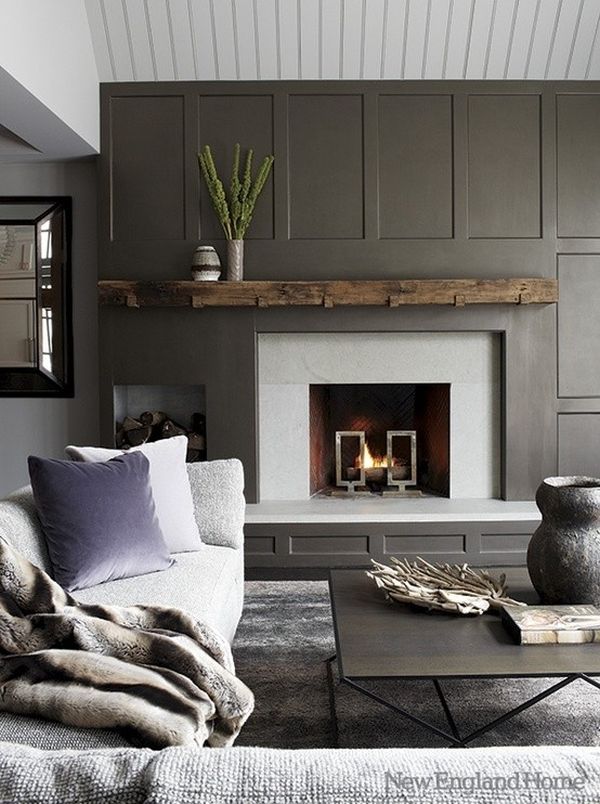
Classic fireplaces treat the mantel as architecture and furniture at once. Symmetry—matching sconces, balanced stacks of books, a central mirror or painting—gives the elevation a composed face. Painted wood surrounds, marble slips, brick inserts, and traditional moldings connect to older languages without requiring a historic shell. The hearth may project as a shallow stage for andirons, a screen, or a run of patterned tile.
Styling a classic mantel rewards editing. One strong object or a short seasonal vignette beats a crowded shelf that reads as storage. Depth matters in small rooms: a deep mantel can bruise shins and shrink circulation. Light paint on traditional profiles can refresh a dated surround without demolition. Dark wood still works when the rest of the room carries enough light elsewhere.
Classic does not mean museum. Soften formality with relaxed seating angles, informal textiles, and everyday objects on the mantel that you actually like. The fireplace should invite gathering, not inspect guests for etiquette.
Rustic texture and material mass
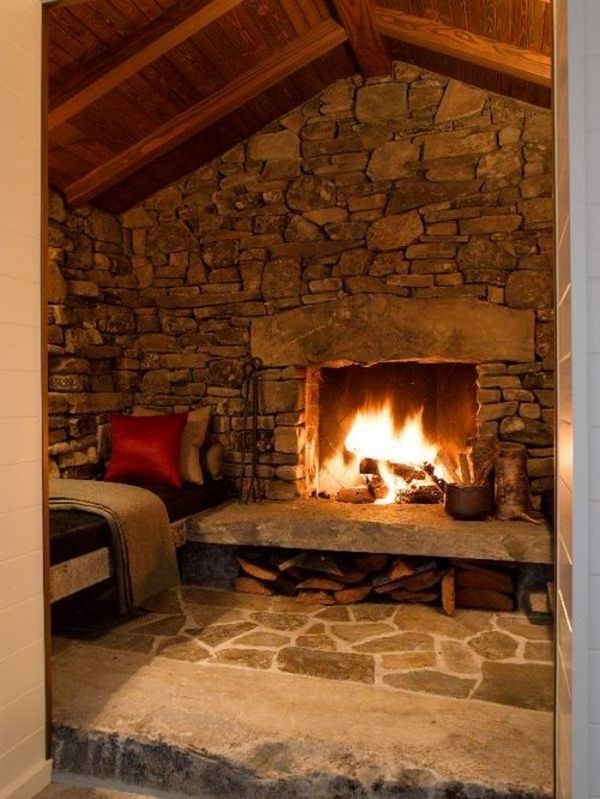
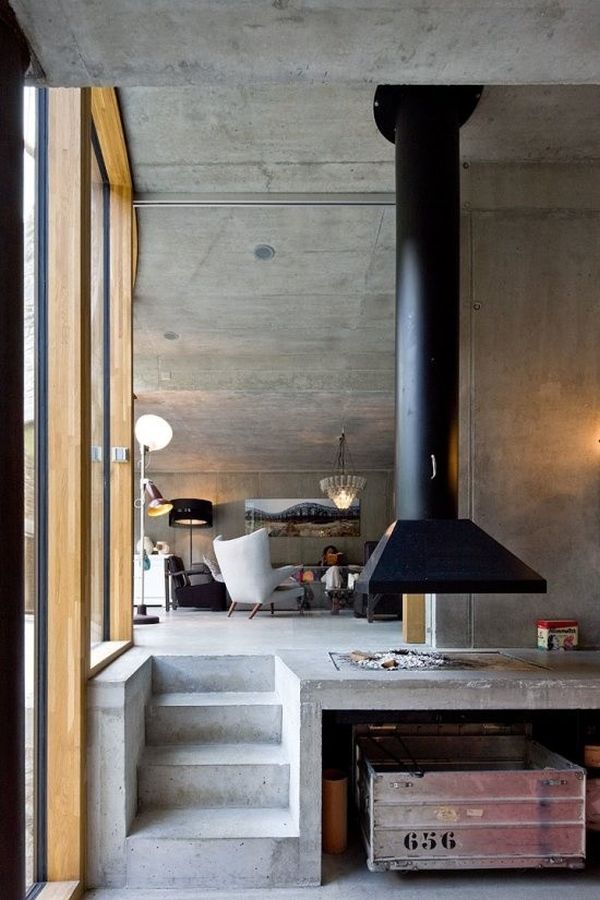
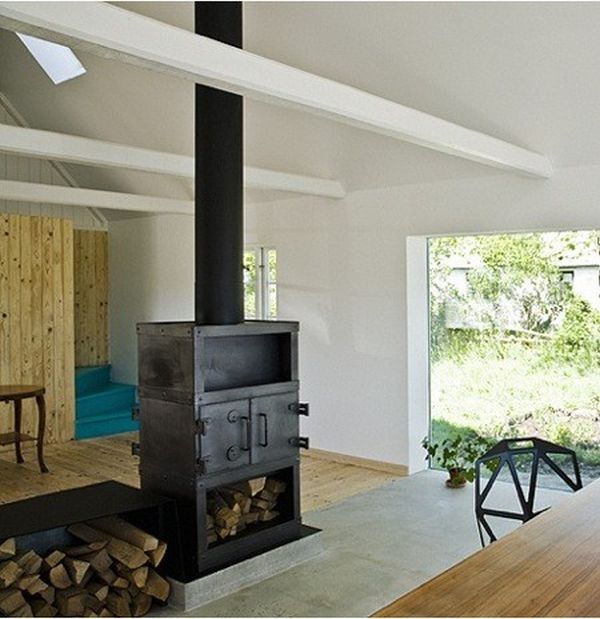
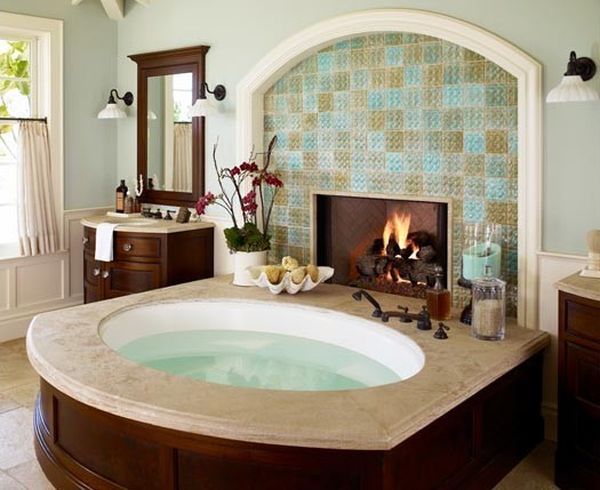
Rustic and material-forward fireplaces lean into stone, reclaimed timber, exposed brick, and chimney breasts that climb the full wall. The firebox may be open or screened; the surround often feels massive enough for a cabin, farmhouse, or lodge. Soft seating in leather, wool, or linen echoes the tactile story. A heavy timber mantel beam can carry the whole mood by itself.
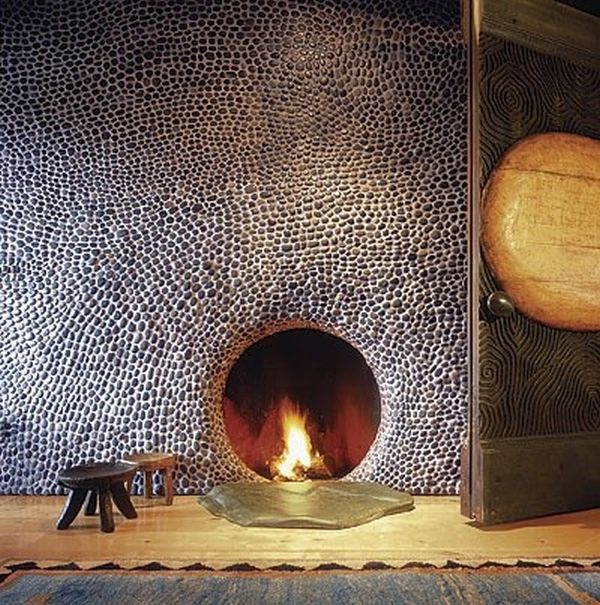
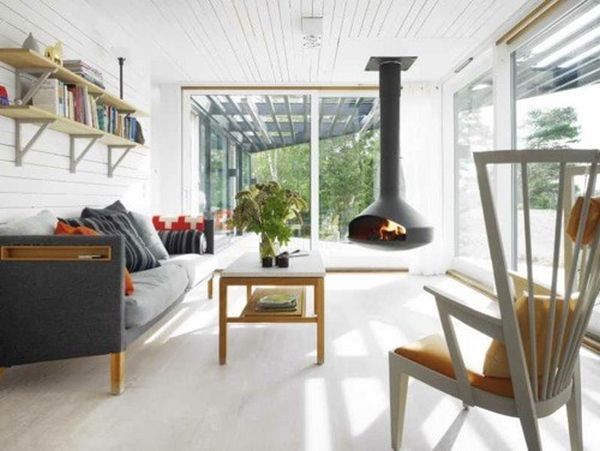
You do not need a log-cabin theme pack. A single stone slab, a brick niche inside an otherwise smooth room, or a blackened steel hood can deliver warmth without kitsch. Match mass to room scale: oversized rubble on a tiny wall overwhelms; delicate tile on a huge chimney looks underfed. Let the material’s natural variation—mortar joints, grain, cleft stone—do the patterning so you need fewer decorative objects.
Rustic rooms still benefit from modern comforts: efficient inserts, glass doors where codes and preference allow, and hearths detailed for cleaning. Romance fades if ash management is miserable.
Living with the firebox when it is cold
Many fireplaces spend more hours empty than lit. Plan for the off season. A sculptural screen, a neat stack of seasoned wood (or a intentional empty black void), candles in hurricane glass, or a simple grate can all look deliberate. Stuffing the box with random décor usually reads as clutter. For gas inserts, clean glass and a tidy interior do more for “fabulous” than seasonal knickknacks piled on the hearth.
Safety sits underneath every pretty photograph. Clearances to combustibles, hearth extension depth, damper function, chimney inspection, and carbon monoxide alarms are not optional styling notes. Renovations that change the firebox, flue, or surround need professional assessment. Beautiful ideas fail if they ignore how heat and combustion behave in a real wall.
How to choose without copying a catalog
Walk the images once for mood, then again for construction clues. Ask four questions. Is the surround flush or framed? Is the mantel a shelf, a beam, or absent? Does the chimney breast run full height? What sits opposite—sofa, chairs, dining table—and how far away? Those answers matter more than any accessory. A modern slab in a room full of ornate furniture will fight unless you mediate. A carved mantel in a spare loft can feel stranded unless shared colour or metal finishes build a bridge.
Budget often decides between cladding refresh and full rebuild. Paint, carefully detailed tile over a dated surround (when structure allows), a new mantel shelf, and better lighting are lower-impact upgrades. Stone, custom millwork, and flue relocation are larger projects. Either path can look considered if proportion and material honesty lead.
Lighting around the hearth deserves its own pass. Wall washers, sconces, and dimmable overheads let the fireplace feel warm even when the fire is off. Avoid harsh downlights that flatten stone texture. Let the material catch light the way it would in the photographs you admire.
Pick one fireplace in this set that matches your room’s bones. Write down three specifics—surround material, mantel treatment, and hearth edge—and test those three against your floor plan before buying a single candlestick. The flame, when you light it, will finish the sentence.

Comments
Continue reading
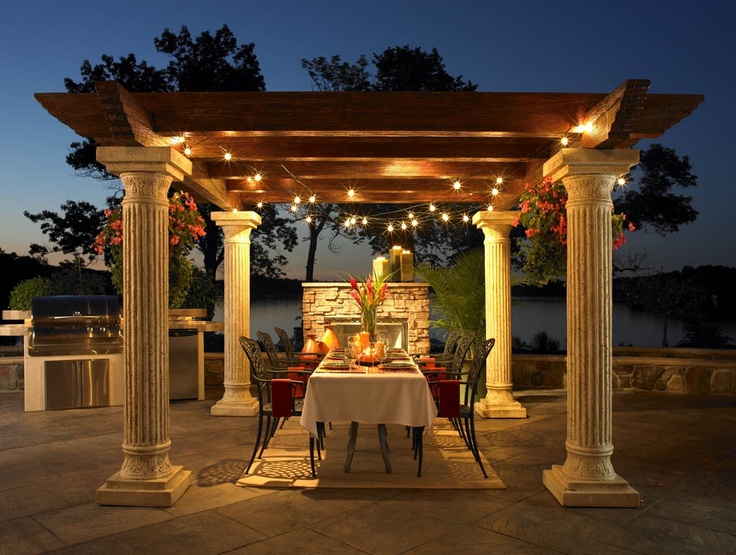
13 Outdoor Pergola Design Ideas for Backyards, Patios, and Gardens
Thirteen outdoor pergola ideas—from vine-covered walkways and poolside shade to modern dark frames and dining pavilions—to help you plan a backyard structure that fits your home.
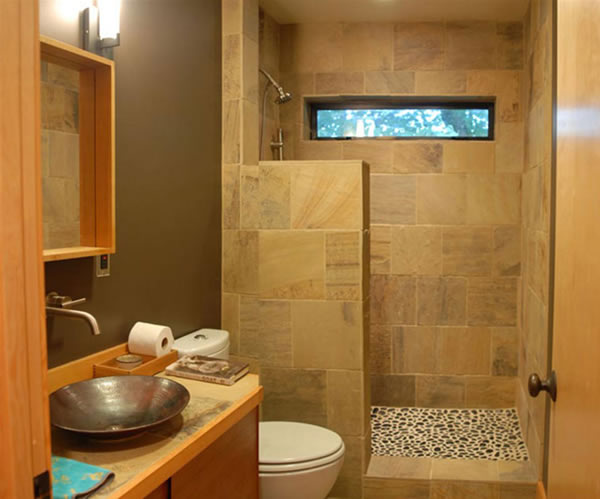
15 Small Bathroom Design Ideas That Make Compact Spaces Feel Larger
Fifteen compact bathroom layouts—floating fixtures, glass showers, continuous tile, and daylight tricks—that stretch a small footprint without looking sparse.

Exclusive Home Theaters: Designing a Private Cinema
Seating geometry, blackout light, quiet acoustics, and screen-wall architecture—how luxury home theaters turn a room into a focused place for film.