
Dusit Thani Maldives on Mudhoo Island, Baa Atoll
A historical travel feature on Dusit Thani Maldives at Mudhoo Island in Baa Atoll—Thai hospitality’s early Maldivian chapter inside a UNESCO biosphere reserve, with the full resort photo set.
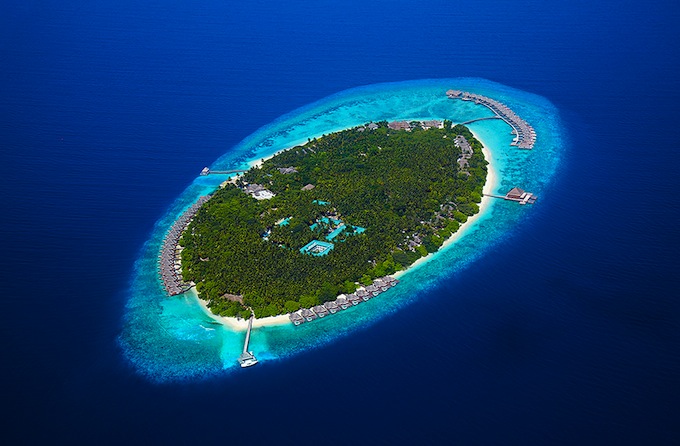
Dusit Thani Maldives sits on Mudhoo Island (also spelled Mudhdhoo) in Baa Atoll, a low coral world of pale shallows, darker channels, and vegetation that looks, from the air, like a green comma in an infinite blue sentence. When the resort entered the public imagination in the early 2010s, travelers already knew the Maldives as a postcard of overwater villas. What felt newer was the pairing: a Thai hospitality name planting its first Maldivian flag inside an atoll that UNESCO had just recognized as a biosphere reserve.
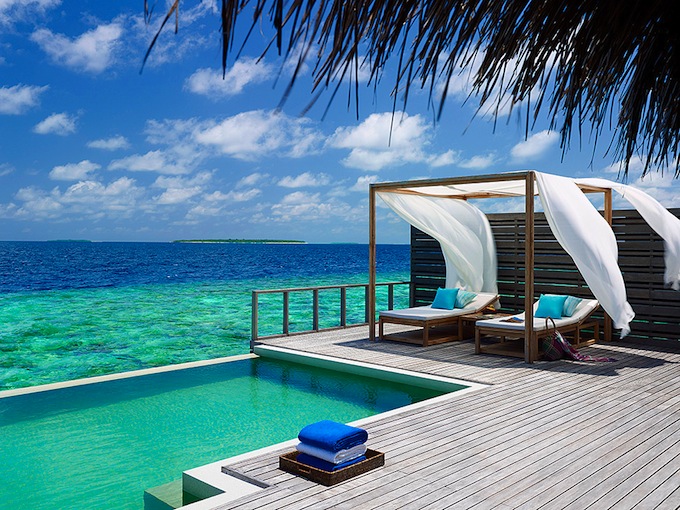
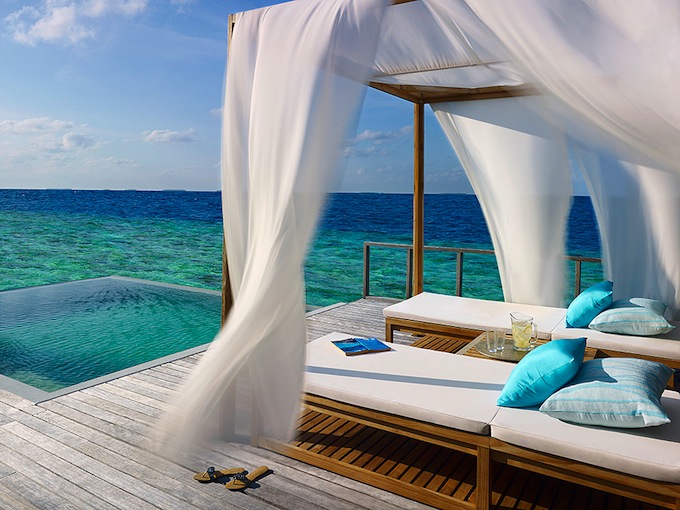
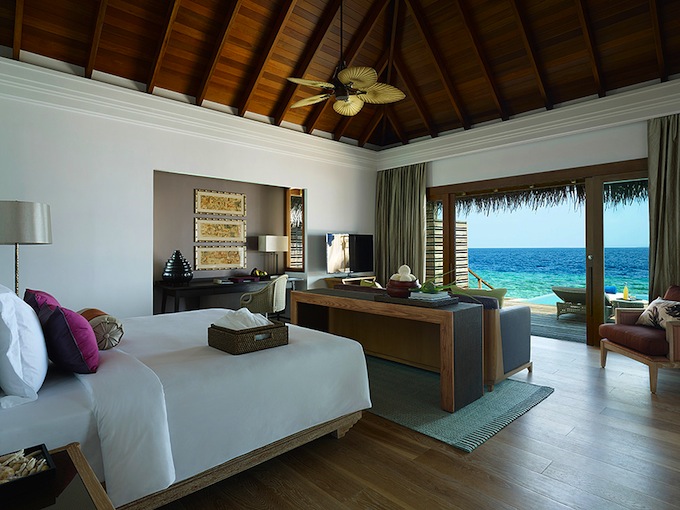
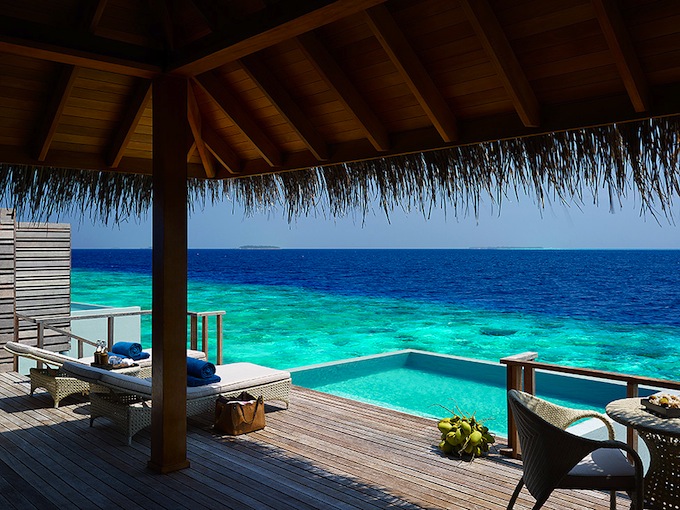
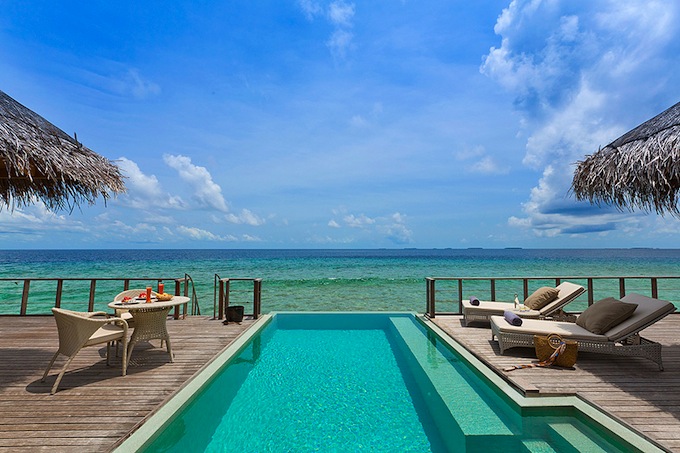
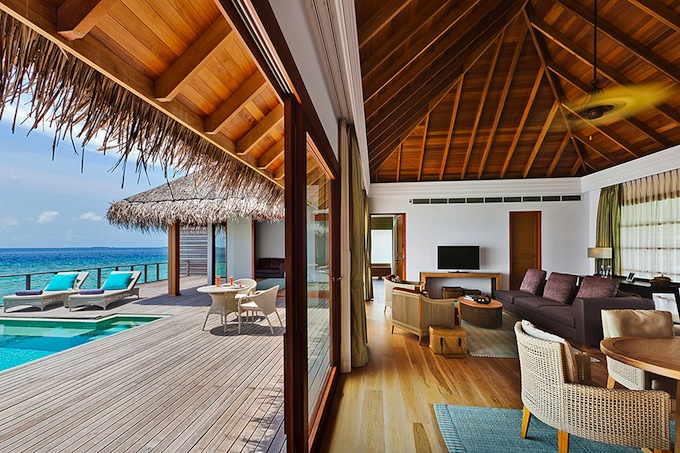
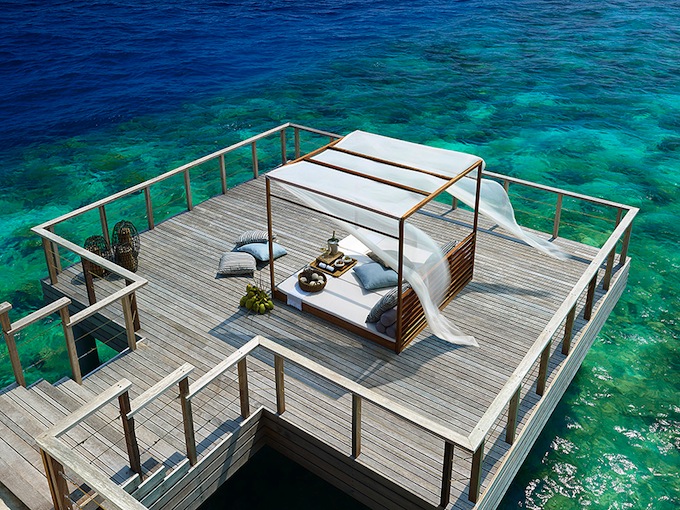
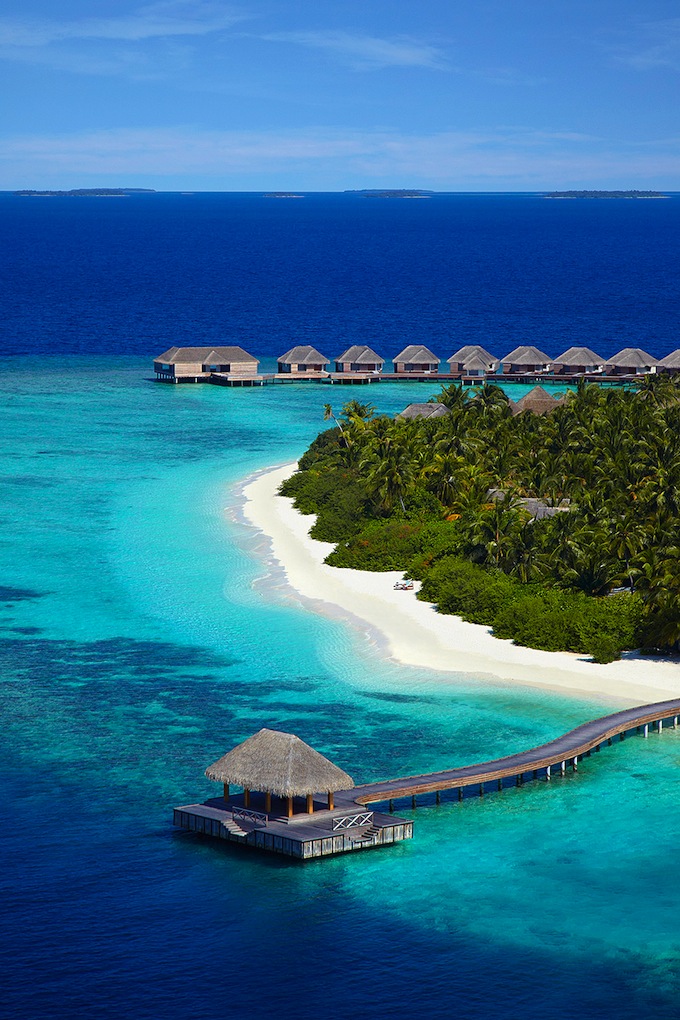
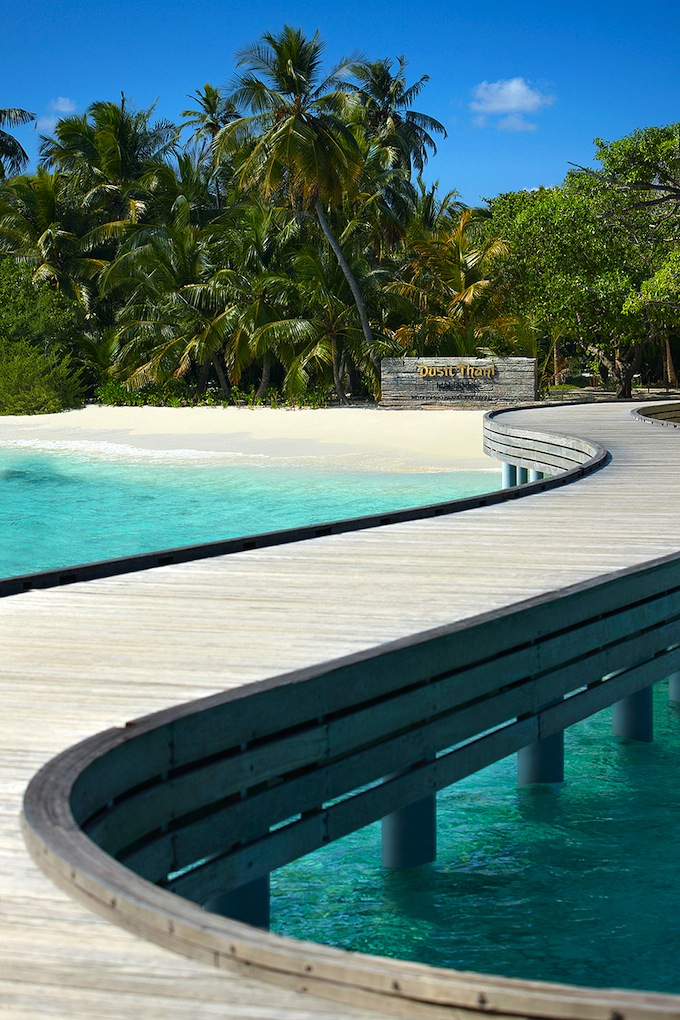
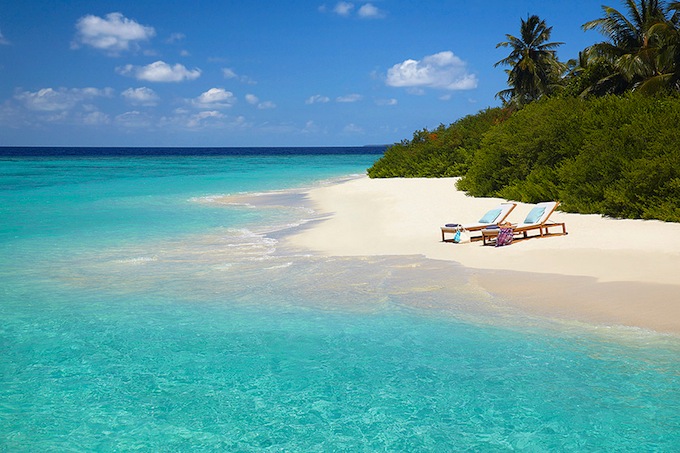
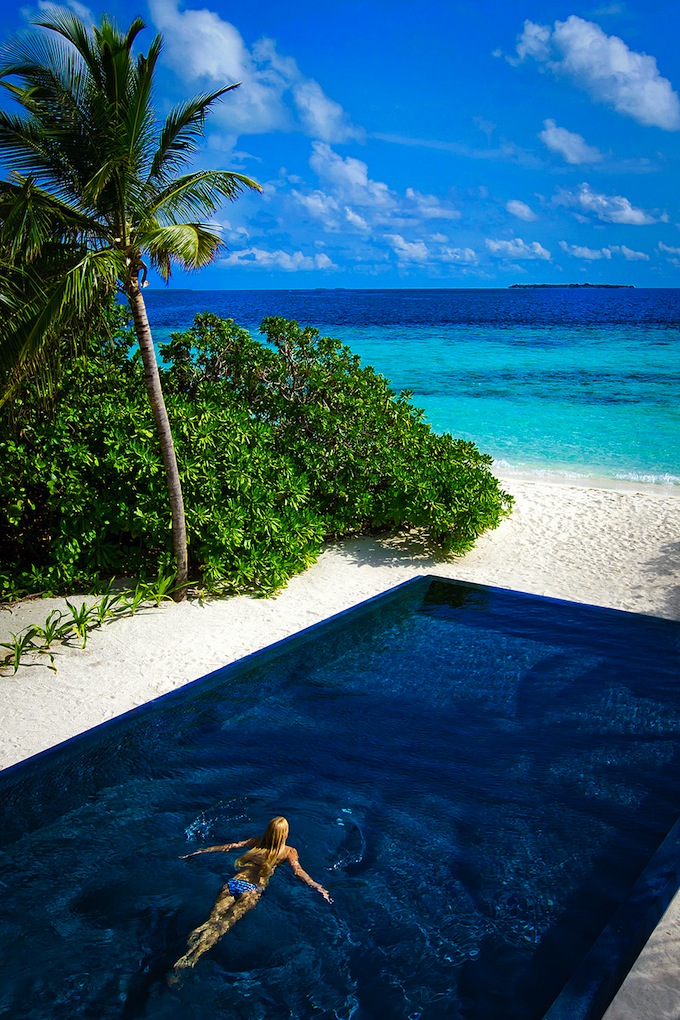
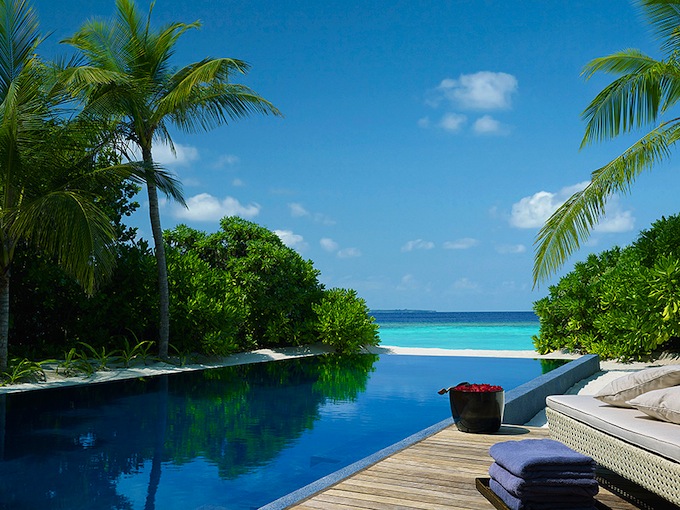
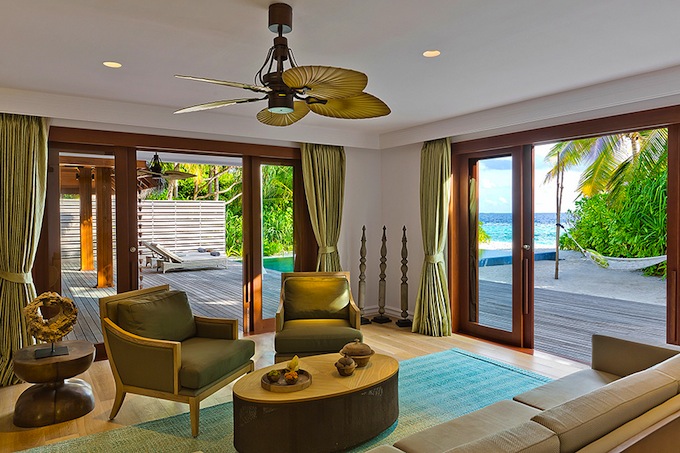
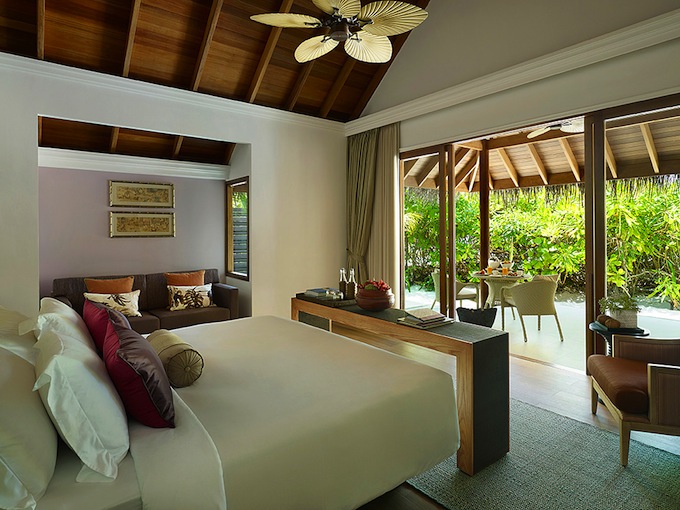
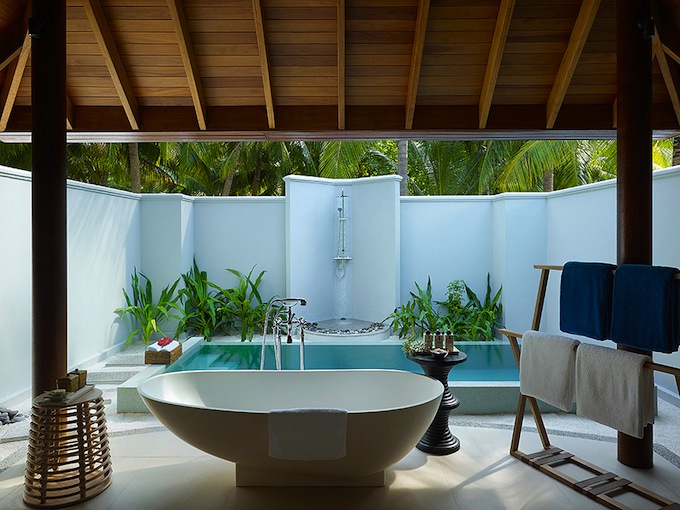
This is a historical travel feature about that place and moment—not a booking funnel. The photographs below preserve the visual promise that made Mudhoo a daydream for readers in 2013: villas over water and sand, long horizon lines, interiors open to breeze, and the particular luxury of having an island’s edge as your hallway.
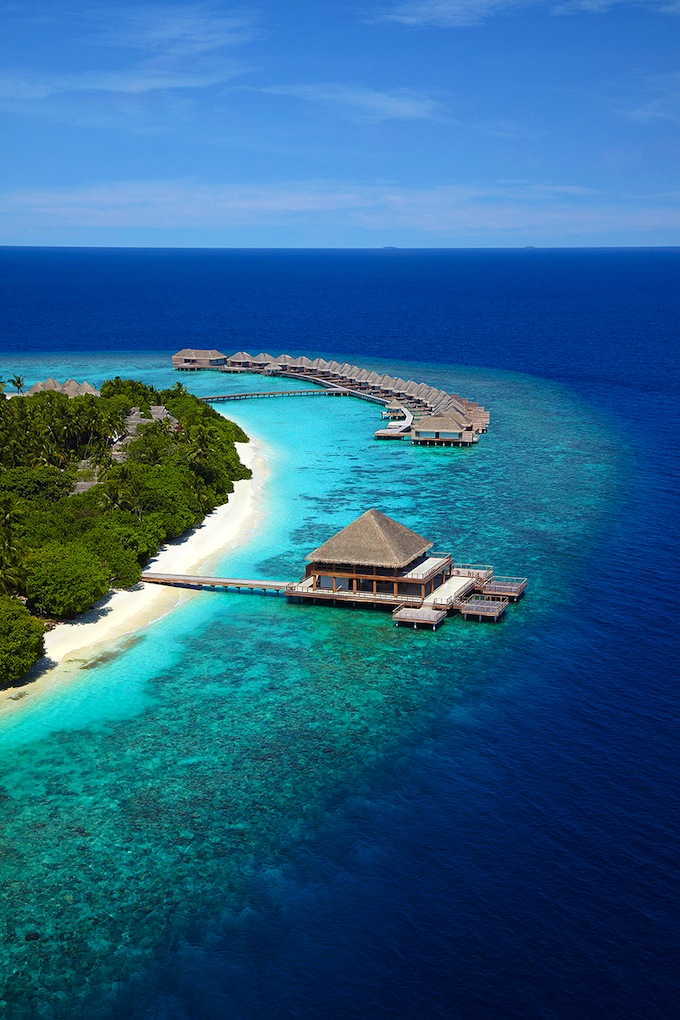
Baa Atoll before the villa keys
Baa Atoll lies in the western-central Maldives, north of the channel that helps divide northern and central atoll chains. Its reefs, lagoons, seagrass, and small islands form a marine mosaic valued for biodiversity as much as for swimming-pool blues. In 2011, UNESCO’s Man and the Biosphere Programme listed Baa Atoll as a biosphere reserve—the Maldives’ first—recognizing both ecological richness and the need to practice tourism as stewardship rather than extraction.
That designation does not freeze an atoll in amber. People live and work across Baa; resorts occupy leased islands; boats cross channels that look empty on maps and busy at dawn. Biosphere logic tries to zone intensity: core areas with strict protection, buffers with limited use, and broader transition spaces where sustainable livelihoods continue. For a visitor, the policy may appear only as briefings before a manta excursion or rules about anchoring. For the place, it is a long experiment in keeping paradise from eating itself.
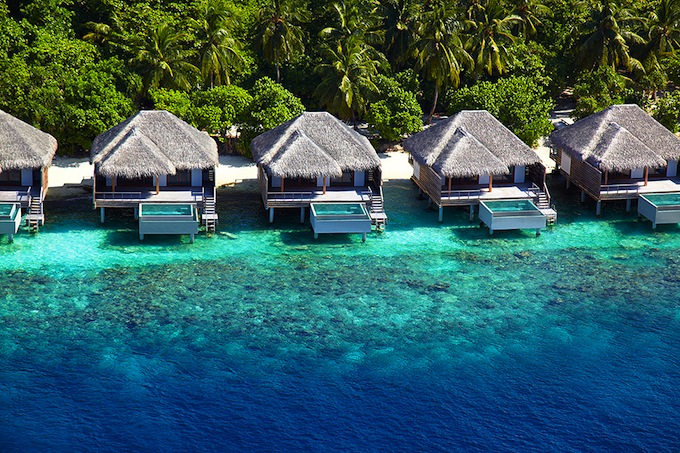
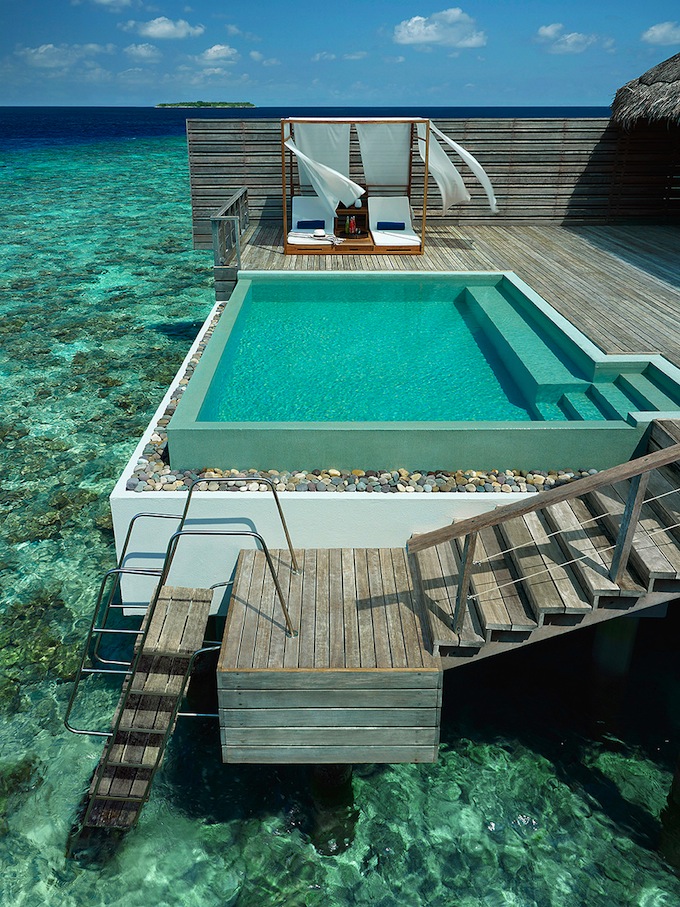
How Dusit arrived on Mudhoo
Dusit International, the Bangkok-rooted group behind the Dusit Thani brand, moved into the Maldives by acquiring a partially built resort project on Mudhoo rather than starting from an empty sandbank sketch. Contemporary reports from 2011 described an incomplete property of roughly one hundred villas, acquired under a multi-decade leasehold arrangement measured in tens of millions of U.S. dollars, with further investment required to finish construction and open. Coastline Hotels & Resorts had been developing the island site; Dusit’s entry marked a Thai brand’s first Maldivian resort chapter.
Opening announcements pointed toward late 2011 into early 2012, with seaplane access from the Malé area and alternative routings via domestic air to the atoll plus a short boat transfer. The island footprint—on the order of roughly 186,000 square meters in early company descriptions—was planned around a villa mix of beach and overwater categories, spa facilities, and a small cluster of restaurants and bars. Numbers shift in marketing over years; the structural idea stays familiar: one island, one resort, villas as private thresholds to lagoon and reef.
Thai hospitality language in a Maldivian key
Luxury resorts in the Maldives often sell a generic international modernism: glass, teak, infinity edges, white linen. Dusit’s pitch layered Thai hospitality heritage onto island vernacular—warm service culture meeting Maldivian coastal life. In photographs, that blend appears as open pavilions, wood tones against turquoise, fabrics that move in wind, and spa architecture that climbs or nestles rather than only squatting on sand.
The Maldives luxury script is sensory before it is architectural. Arrival by seaplane compresses scale: corrugated iron roofs of the capital region fall away; reefs draw chalk rings; a single jetty becomes a capital city of greeting. Once on island, sound changes—generators muted by design, waves louder than traffic, footsteps on timber replacing elevator chimes. Dusit Thani Maldives was marketed inside that script: privacy as the main amenity, water as the main view, time as the main currency.
Reading the island through pictures
Travel photography of Maldivian resorts tends to alternate wide horizontals with tall villa portraits. Wide frames sell geography—reef gradient, cloud theaters, the thinness of land. Vertical frames sell aspiration—deck chairs, outdoor showers, beds aligned to a doorway of water. This gallery keeps that rhythm. Move through it as a walk rather than a catalog. Notice how often the horizon sits low, giving sky and water more of the rectangle than architecture. That composition is an argument: the building is guest; the ocean is host.
Interiors in these images favor thresholds. Curtains behave like soft walls. Decks extend living rooms onto lagoon air. Materials stay tactile—wood grain, stone coolness, linen wrinkles that prove wind. Night frames, when they appear in resort sets, usually trade turquoise for warm lamps and reflections; day frames insist on clarity. Together they sketch a circadian fantasy: bright mornings for reef, amber evenings for quiet.
Luxury beside a living reef
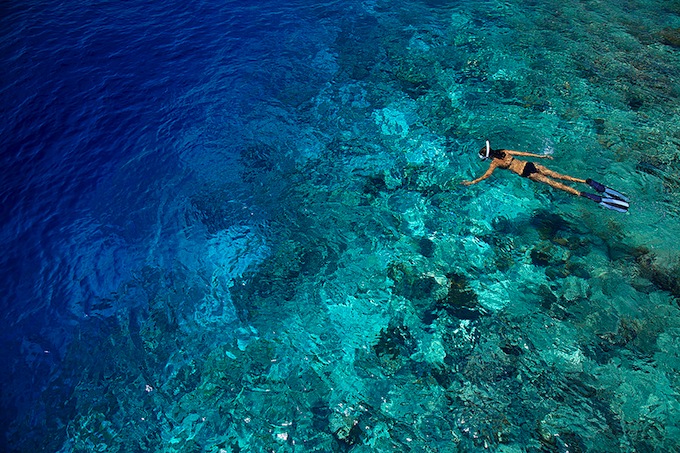
Baa Atoll’s fame among divers and snorkelers includes seasonal gatherings of manta rays and the broader reef life that makes a biosphere designation more than paperwork. A resort on Mudhoo inherits that context whether or not every guest dons a mask. Overwater decks look down on fish commuting through pylons. Beach villas face lagoons that change color with tide and cloud. The fantasy of isolation is incomplete without the ecological fact underneath: this beauty is a working system, sensitive to heat, anchoring, waste, and crowding.
Historical travel writing about Maldivian luxury often slid into pure desire language—paradise, dream, escape—without naming costs. A fairer 2010s-era reading holds both. The villas are genuinely beautiful. The atoll is genuinely fragile. Guests who treat house reefs as disposable scenery miss half the place. Guests who only moralize without looking miss the other half. The photographs invite looking first; responsibility is the adult aftertaste.
What these images still do
Years after the first press trips, Mudhoo’s photographs continue to perform a simple job: they make distance feel edible. A reader far from the equator can taste salt air through color alone. That is why resort galleries proliferated on lifestyle sites in 2012–2013. They were less news than mood architecture—rooms you could enter with your eyes when plane tickets were theoretical.
Approach this set that way. Do not hunt for a rate code. Hunt for a favorite threshold: a step from indoor shade to glare, a jetty line stitching water, a pool catching sky, a villa roof echoing the angle of a palm. Those details are the travel essay’s true paragraphs.
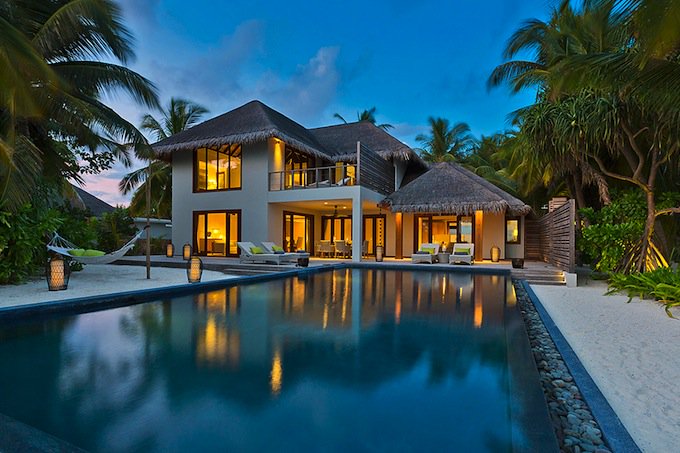
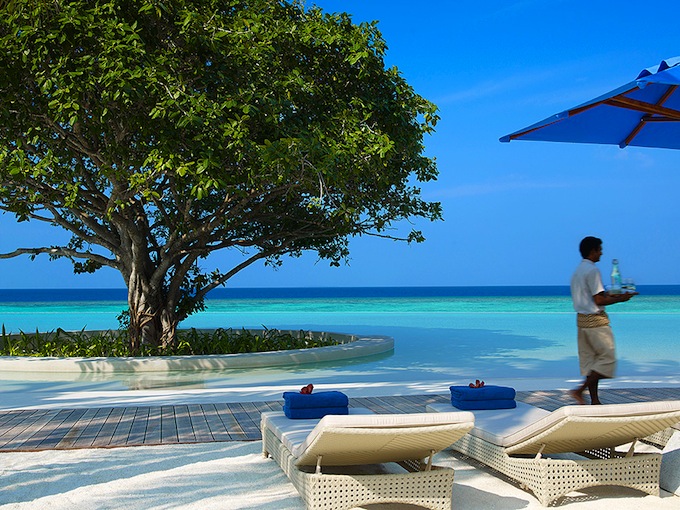
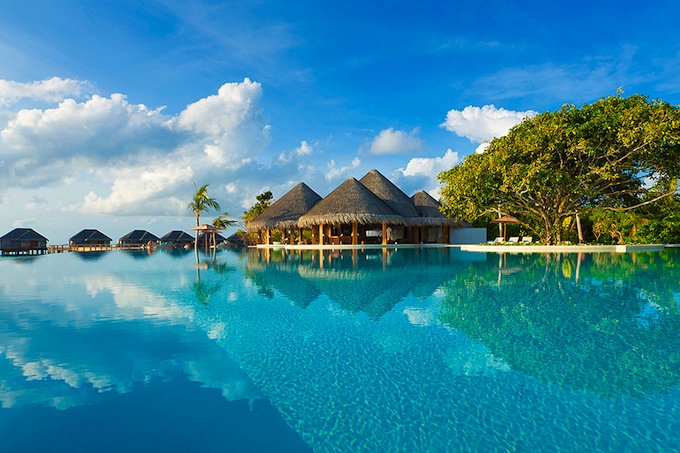
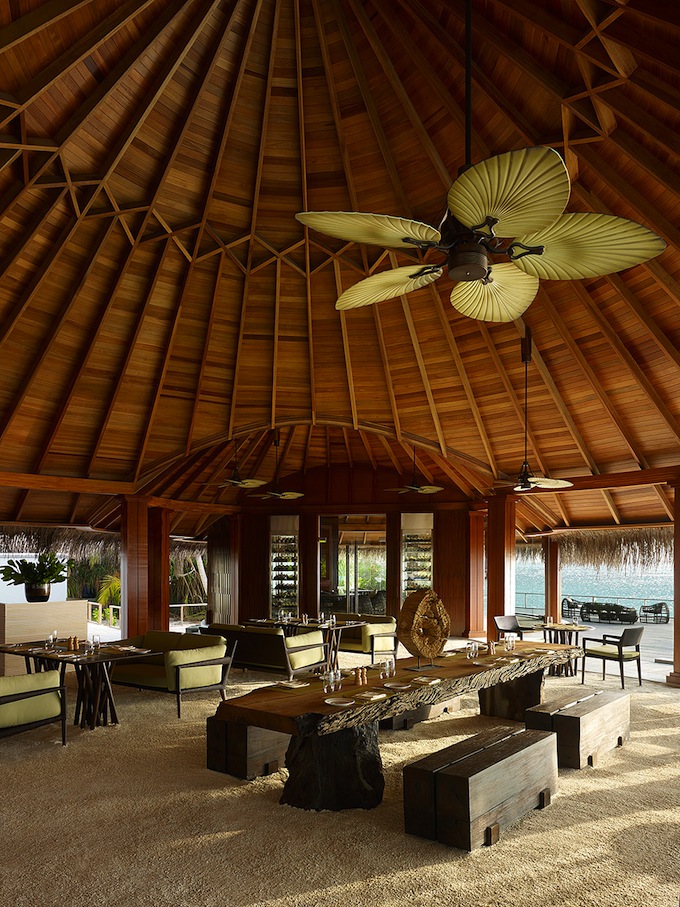
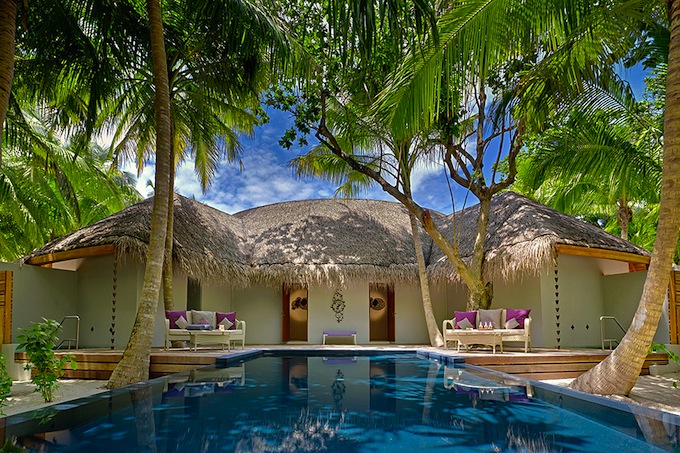
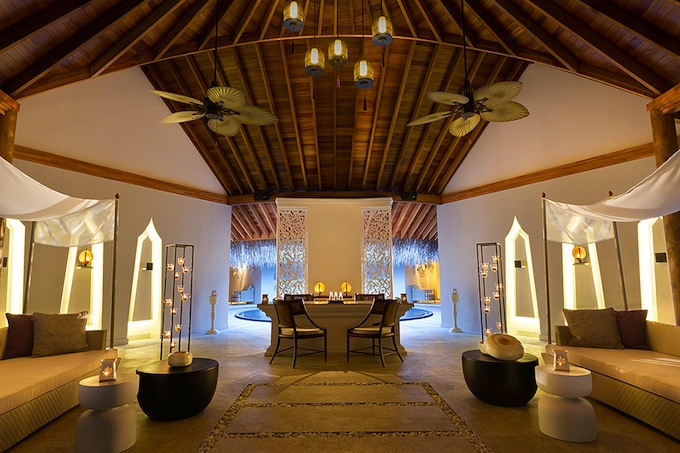
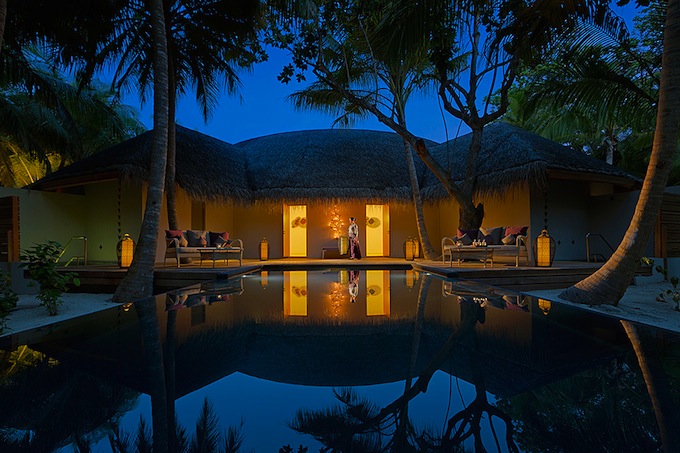
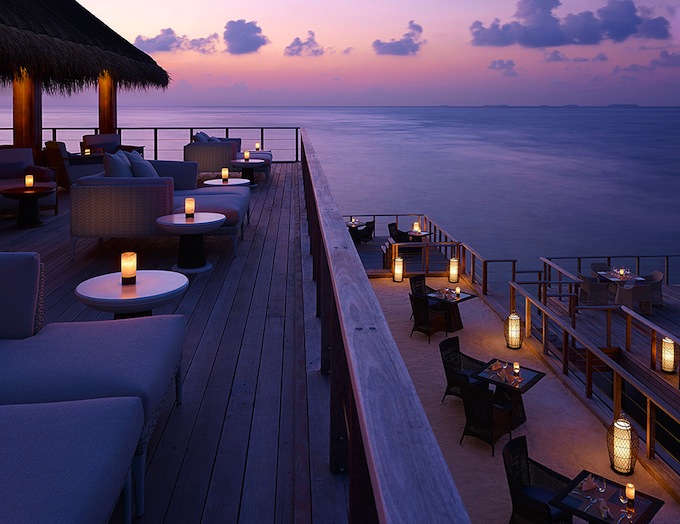
Thai brand, Maldivian island, UNESCO-era atoll: the combination explains why Dusit Thani Maldives photographed so well for lifestyle audiences. It offered a specific address—Mudhoo, Baa—inside a global dream grammar. History adds the acquisition story and the biosphere backdrop; the pictures add the salt light.
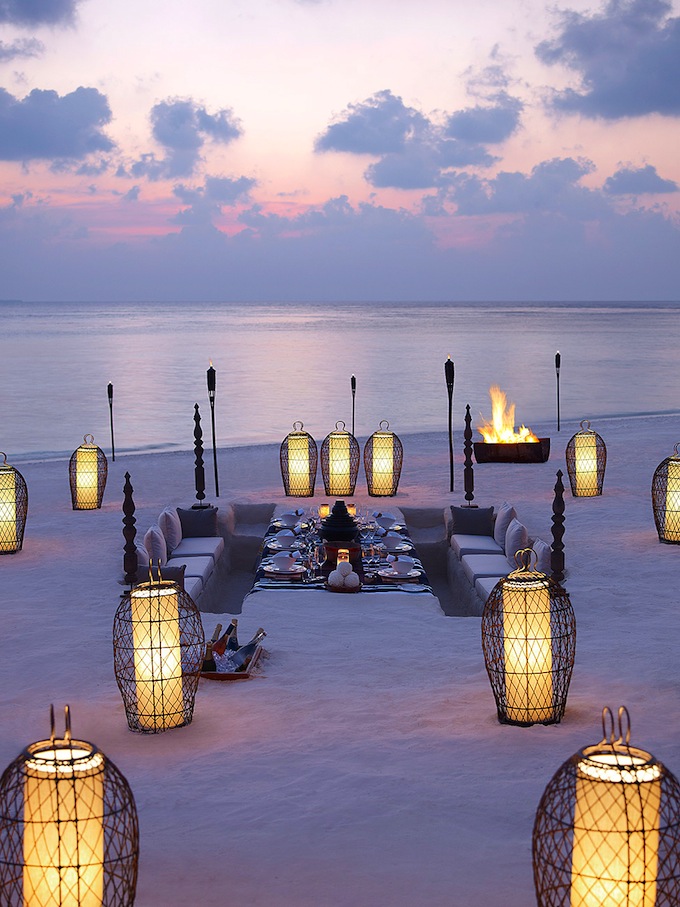
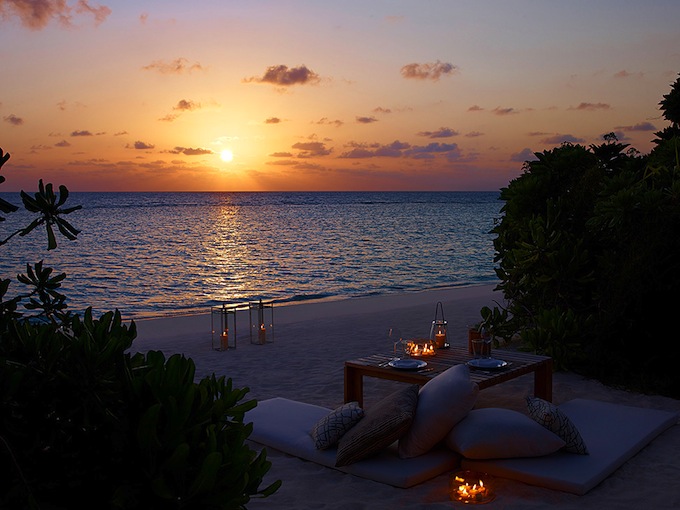
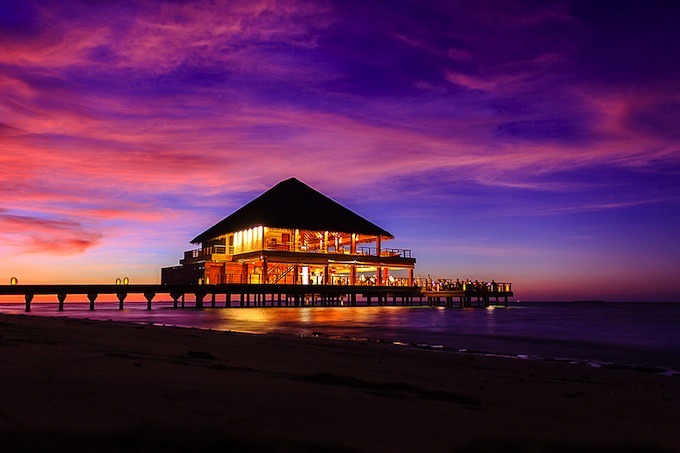
End on one concrete image from the walk: a villa deck at midday, water so clear the pilings look planted in air, a horizon so straight it could be drawn with a ruler. That is Mudhoo’s old promise in a single glance—luxury as proximity to a living lagoon—and it needs no hard sell to remain persuasive.

Comments
Continue reading

Funny Animal Signs That Warn People (While Animals Ignore Them)
From a seagull on a no-birds disc to classic zoo and park ironies—why animal warning signs get funny, and what the rules are still for.

How to Find Local Amenities on Vacation: Mechanics, Haircuts & More
Locate trustworthy local services and everyday spots while traveling or settling in—using publications, reviews, map apps, neighbor tips, and low-pressure exploration.

Kristen Stewart for V Magazine, Spring Preview 2013
V81’s Wild at Heart cover story—Kristen Stewart shot by Inez & Vinoodh, styled by Joe McKenna, in pale minimal spring glamour.