
DIY Summer Dresses You Can Sew on a Budget
Maxi conversions, tank-top bodices, sheet wraps, and low-seam knits—practical ways to sew cool weather dresses from what you already have.
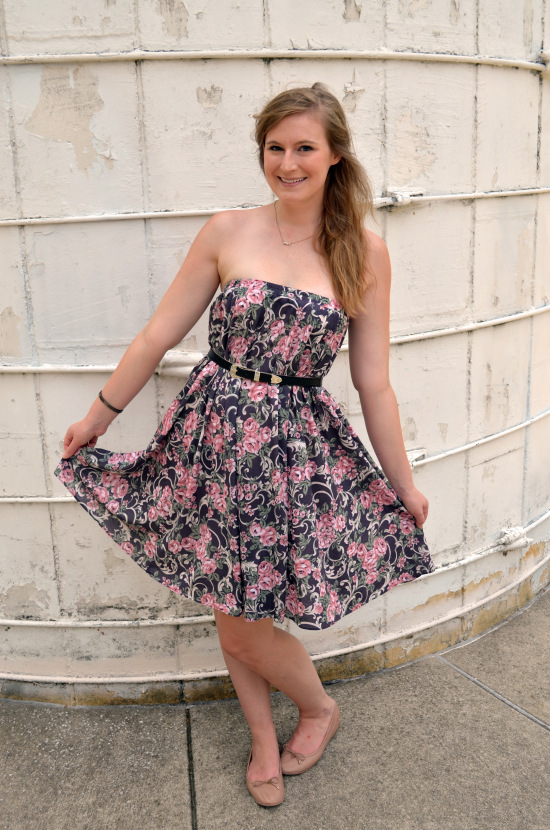
Summer sewing does not have to mean a full pattern library or a shopping trip for specialty fabric. Many of the most wearable warm-weather dresses start with what you already own: a thrifted maxi skirt, a soft sheet, a tank top with good stretch, or leftover jersey from another project. The goal is simple—something cool on the skin, easy to move in, and finished enough that you will actually wear it outdoors.
This roundup gathers DIY summer dress ideas in that spirit: low-cost construction, forgiving silhouettes, and techniques that favor beginners who can sew a straight seam. Treat the gallery image as a mood board more than a single tutorial. Then pick one approach and finish it before starting three others.
Why summer dresses suit DIY
Heat changes what “good enough” means in clothing. Heavy seams, stiff linings, and elaborate closures feel less appealing when temperatures rise. Soft cottons, rayon challis, linen blends, and light jersey forgive imperfect fit because the fabric drapes instead of fighting you. Wide straps or a simple elastic neckline can replace precise darting. A maxi length can hide hem wobbles that would show on a mini.
DIY also lets you control coverage and length for your climate. Coastal humidity asks for breathable weave and open armholes. Dry heat may prefer longer sleeves that still use thin cloth. Evening breezes on a patio invite a fuller skirt that moves. Store-bought options rarely match those local preferences as closely as a dress you cut yourself.
Cost is the third reason these projects stay popular. Upcycling a thrift skirt into a dress, or turning a bedsheet into a wrap, keeps material spending near zero. Even when you buy new fabric, summer yardage requirements are often modest compared with winter coats or tailored trousers.
The easiest maxi: skirt plus top logic
One of the most repeated summer hacks is converting a long skirt into a dress. If the waistband already fits your underbust or natural waist, you can attach straps, a bodice panel, or a gathered tube top and stop there. Elasticized waistbands are especially forgiving: they distribute stretch and reduce the need for zippers.
Working method that usually succeeds:
- Try the skirt on and mark where you want the bodice to meet it.
- Choose straps that can take some weight—twill tape, doubled jersey, or fabric tubes—so thin spaghetti straps do not dig in.
- Stabilize the join with a stay stitch or clear elastic if the fabric is knits-heavy and wants to stretch out of shape.
- Finish raw edges with a zigzag, overlock, or narrow hem so wash day does not unravel your weekend win.
If the skirt is too large at the waist, take in side seams before you commit to straps. If it is slightly small, consider adding side gores or converting the waistband to a softer elastic casing rather than forcing a tight fit in heat.
Three-stitch and minimal-seam dresses
Some summer dresses are famous online for needing almost no sewing: a few long seams, a neckline finish, and armholes left raw or narrowly hemmed. The pattern geometry is often a wide rectangle or a simple T-shape cut from knit fabric that hugs without darts. These designs trade couture polish for speed. On a Friday night before a weekend trip, that trade is rational.
Knit fabrics help because they reduce the need for closures. A dress that pulls on over the head avoids zippers and buttons. Choose a jersey with recovery—stretch that returns—so the neckline does not grow into a boat neck by August. When in doubt, cut the neckline smaller than you think; you can always scoop it lower after a fitting.
Woven versions of the same idea rely on bias or gathers. A rectangle gathered into a neck casing becomes a trapeze silhouette. Add side slits for walking room. Keep hems generous at first; you can shorten after living in the dress for a day of errands.
Sheet, scarf, and thrift-fabric dresses
Large lightweight textiles—vintage sheets, sarongs, wide scarves—are classic summer dress sources. A sheet already offers width for a gathered skirt or wrap. Soft florals and faded stripes read intentionally vintage rather than unfinished. Wash and press before cutting; old cotton can shrink unevenly if you skip that step.
Thrift stores reward patience. Look for:
- Maxi skirts with intact elastic
- Oversized button-downs you can reshape into shirt-dresses
- Tank tops with sturdy neckbands to use as dress bodices
- Curtains or tablecloths in breathable fiber (avoid heavy synthetics that trap heat)
Inspect for stains in the area you plan to keep visible. A mark near a future hem is easy to cut away; a bleach spot at bust level is not. Bring a measuring tape so “maybe” piles do not follow you home.
Boho maxi and gathered silhouettes
Bohemian-inspired maxi dresses suit DIY because they celebrate volume and texture over sharp tailoring. Tiered skirts, ruffled hems, and soft empire waistlines hide fitting anxiety. You can sew tiers from leftover strips of the same fabric family—mixing near-matches often looks intentional in sunlight.
Construction tips for gathered maxis:
- Use two rows of basting stitches for gathers so the fabric distributes evenly.
- Match seam allowances carefully when joining tiers; small errors compound as you move down the skirt.
- Consider a slip or soft shorts underneath if your fabric is semi-sheer in bright noon light.
- Press seams upward or flat as the design asks—pressed seams look more “finished” than any fancy stitch.
If you want movement without weight, keep lower tiers lighter than upper ones. A heavy bottom tier drags and can tear stitches at the join on a windy boardwalk.
Tank-top dress conversions
A well-fitting tank can become the bodice of a dress in an afternoon. Cut a skirt rectangle (or reuse a thrift skirt), gather or pleat it to the tank’s hem, and sew. The tank already solved armholes and neckline—the hardest curved finishes for many beginners.
Choose tanks with enough length that the join sits where you want visual balance. Very short crop tanks can work as bodices, but you may need to add a waistband or yoke so the skirt does not pull oddly. Stretch the tank slightly as you sew if both layers are knits; that helps the seam recover after wear.
For woven skirts attached to knit tanks, stay-stitch the woven edge and use a stretch stitch or narrow zigzag so the seam can move with the bodice. A clear elastic in the seam can prevent growth at the waist.
Fit, comfort, and finishing that survive heat
Summer sewing fails most often at the wear stage, not the cut stage. A dress that looked perfect on a hanger can cling when humidity rises. Test sit, walk, and reach before you declare victory. Check that armholes do not gape when you lift a bag. Check that the hem clears bike pedals or car doors if that is your daily life.
Finishing checklist worth using every time:
- Press every major seam before the next step.
- Secure thread ends; heat and washing punish loose tails.
- Try the dress after one wash cycle before altering length again.
- Add a small inner pocket if you carry a key and hate bags on hot days.
- Label your improvisations in a notebook—elastic length, strap width, hem depth—so the next dress is faster.
Tools stay basic: sharp fabric scissors or rotary cutter, pins or clips, measuring tape, seam ripper, and a machine that can do straight and zigzag. An iron is not optional; it is half the professionalism of a homemade garment.
Styling what you made
A DIY summer dress looks more intentional when the rest of the outfit is quiet. Flat sandals, a simple belt, or a light cardigan for air-conditioned rooms usually beat stacking every accessory you own. If the print is busy, keep jewelry minimal. If the dress is solid, a woven tote or straw hat can carry the seasonal mood without clutter.
Photograph your finished piece in daylight. You will see hem truth and wrinkle behavior better than under indoor bulbs. That photo also becomes your personal pattern reference when you want a second version in another fabric.
Start with one wearable win
Pick the path that matches your materials today: skirt-to-dress if you already have a maxi, tank-plus-skirt if you have a good bodice, sheet wrap if you need something tonight, or a slow boho maxi if you have a free weekend. Finish straps, hem, and a wash test. Hang it where you can see it. The next project will be easier because you already proved summer clothes can come from your own table—and from fabric that did not need a boutique price tag.

Comments
Continue reading
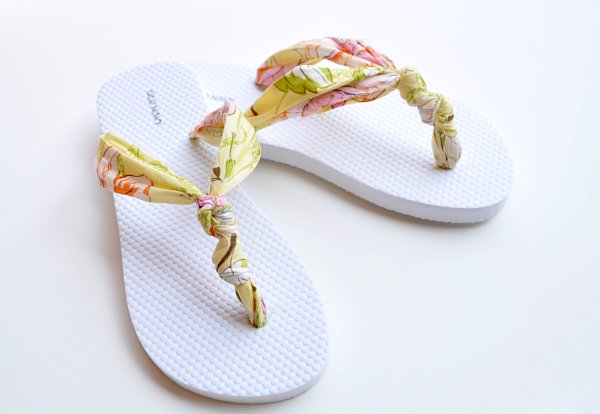
DIY Summer Sandals and Flip-Flops You Can Actually Wear
Upgrade basic flip-flops with fabric wraps, gladiator laces, macrame, fringe, and beads—plus fit checks and glue tips so handmade sandals last.
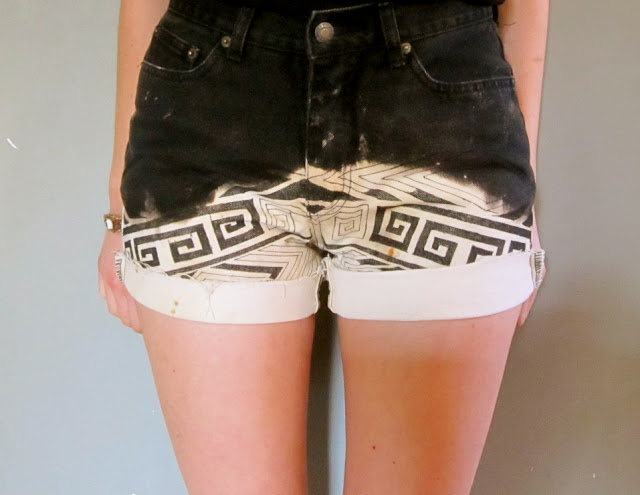
DIY Shorts Redesigns You Can Finish at Home
Turn old shorts into dip-dye, print, lace, bleach, scallop, and no-sew refashions with practical steps, fabric tips, and a weekend plan—no affiliate hard sell.
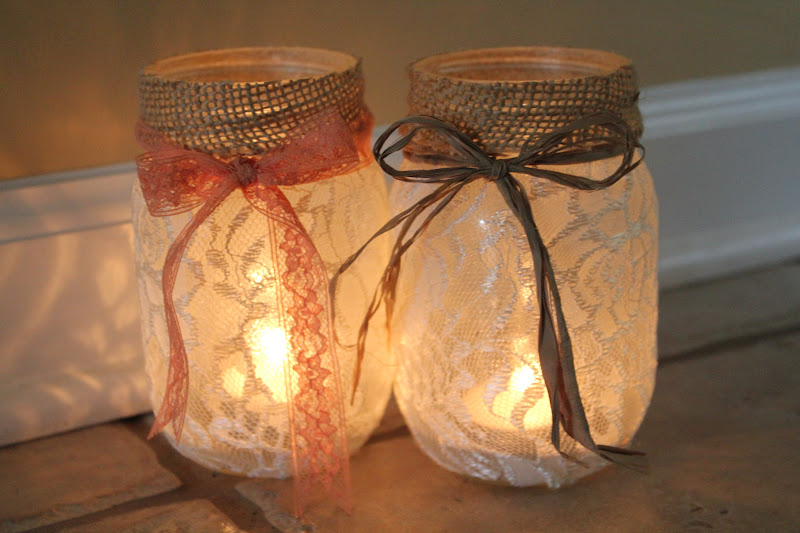
Easy Cheap Mason Jar DIY: Luminaries, Terrariums, Lamps, Dispensers, and Vases
Repurpose mason jars into luminaries, terrariums, drink cups, lamps, ornaments, soap dispensers, herb planters, and vases with simple, low-cost steps.