
Easy Cheap Mason Jar DIY: Luminaries, Terrariums, Lamps, Dispensers, and Vases
Repurpose mason jars into luminaries, terrariums, drink cups, lamps, ornaments, soap dispensers, herb planters, and vases with simple, low-cost steps.
Mason jars are already containers, vases, lanterns, and gift boxes waiting for a second job. They are cheap in bulk, easy to wash, and familiar enough that guests understand them on a table without explanation. The projects below stay practical: luminaries, terrariums, drink jars, lamps, ornaments, soap dispensers, planters, and simple vases—things you can finish with hot glue, wire, paint, and scraps rather than specialty kits.
Start with clean jars. Soak off labels in warm soapy water, use a little oil for sticky residue, and dry thoroughly before paint or electrical parts. Inspect rims for chips if you will drink from them. Wide-mouth jars are easier to fill and clean; quilted or embossed jars catch candlelight nicely. Keep a cardboard box labeled “craft jars” so your canning stash does not disappear into décor projects you cannot reverse.
Luminaries for tables and porches
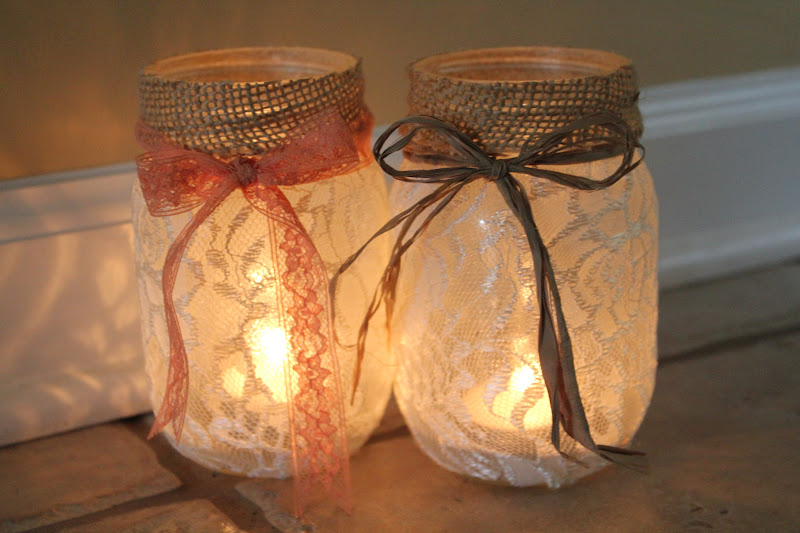
Drop a tea light or LED candle into a jar, add a handful of sand or dry beans for ballast, and you have a luminary. Frost the outside with etch cream or a thin coat of glass paint for a softer glow. Wrap jute, lace, or a vellum sleeve around the outside and secure with twine—keep paper and fabric above the open flame line, or switch to LEDs when kids and curtains are nearby. A ring of coarse salt or Epsom salt in the bottom looks like ice under clear glass and helps stabilize the candle cup.
For outdoor paths, group odd numbers of jars at different heights on steps. Weighted bases matter on windy nights. Hang jars from shepherd hooks only with sturdy wire around the neck—not hot glue on a bail that can fail. Never leave real flames unattended; LEDs win for overnight porch displays and for rentals where open flame is restricted.
Terrariums and tiny green scenes
Open terrariums in mason jars need drainage thinking even at small scale. Add a layer of pebbles, a pinch of activated charcoal if you have it, then potting mix, then small cuttings or succulents that tolerate the jar’s humidity. Do not overwater—condensation that never clears means too much moisture. Leave the lid off or cracked for most plantings. Choose plants that stay miniature; a jar is not a long-term home for anything that wants to become a shrub.
Decorative themed terrariums with faux plants skip watering entirely and work as shelf décor. Keep fake moss away from real open flames if the same jar sometimes holds a candle. If you include figurines, glue them down so they do not tip when someone moves the jar to dust.
Drink jars, straw lids, and casual glassware
A jar with a handle adapter or a simple band of washi can become a party cup. For straws, buy or make lids with a hole sized to your straw, or punch a drinking hole in a spare flat lid insert carefully and file sharp edges. Mark “water” versus “sweet drinks” if you reuse jars for different beverages so flavors do not mingle in lids. Chill jars in the fridge before a picnic so drinks stay colder without watering down as fast.
Stemless “wine glass” builds that glue a jar to a candlestick base look festive for picnics. Use a strong adhesive rated for glass, let it cure fully before pouring, and treat them as craft glassware—not dishwasher abuse on day one. Hand-wash glued joins. Test one glass with water over the sink before you trust it at a wedding shower table.
Lamps and soft electric light
Jar lamps usually need a pendant kit or a lamp base designed for bottles and jars. Follow the kit’s wiring instructions, or buy pre-wired cords if you are not comfortable with electrical work. Use LED bulbs to reduce heat inside glass. Do not improvise with damaged cords or ungrounded frankenstein plugs. A fabric-covered cord and a simple shade ring turn a plain jar into a bedside light.
If wiring feels like too much, fill a jar with corks, buttons, or leftover yarn and nest battery fairy lights inside for glow without outlets. Hide the battery pack under the filler or behind the jar. This version is ideal for bookshelves and rental apartments where you cannot rewire a fixture.
Ornaments, Valentines, and small gifts
Mini jars become ornaments with a ribbon hanger around the neck and a pinch of faux snow, a tiny photo, or dried citrus inside. Glue the lid if it will hang on a tree and kids might twist it open. For Valentine or party favors, fill jars with candies, add a tagged lid, and cluster them as a centerpiece guests can take home. Layer dry ingredients for cookies in a larger jar and tie the recipe to the neck—useful and still clearly a mason-jar gift.
Soap dispensers need a pump lid sized to the jar mouth—specialty lids exist, or adapt a pump from an empty bottle with a tight foam gasket. Fill with lotion or soap you already buy in bulk. Wipe threads so pumps screw true and do not leak on wood vanities. A matching pair for kitchen and bath looks intentional even if the jars started as pasta sauce.
Planters, herb jars, and table flowers
Herbs in jars look charming and dry out fast. Add drainage stones, do not seal the lid on living plants, and water sparingly. A wooden planter box that holds three jars in a row makes a neat windowsill garden and keeps glass from sweating directly on painted sills—set jars on coasters or a tray. Rotate the box weekly so growth does not lean hard toward the glass.
As vases, mason jars need almost nothing: a rubber band and foliage sleeve, a coat of spray paint on the outside (mask the rim if you want a clean lip), or a wrap of twine. Cut stems short for small jars so arrangements do not topple. Change water daily for fresh flowers. A strip of floral tape in a grid across the mouth helps store-bought bouquets sit in a dome instead of flopping to one side.
Paint, finish, and batch tips
Chalk paint and glass paint both work; cure times differ—read the can. Paint the outside for food-safe peace of mind when jars might hold snacks. Distressed finishes look intentional if you sand lightly after drying, not if you smear wet paint with a paper towel in a rush. Spray outdoors or in a ventilated area, and elevate jars on scrap cardboard so they do not glue themselves to newspaper.
- Sort jars by size before a craft day so lids match.
- Keep craft jars separate from kitchen canning jars.
- Prefer LEDs for unsupervised light displays.
- Label contents on the bottom with masking tape during projects.
- Photograph one finished sample before batching twenty identical pieces.
Tonight, clear one jar, add sand and an LED tea light, and set it on the table you already use. If that single luminary makes the room feel finished, batch five more this weekend—same method, different ribbon—and you will have a matching set without buying décor that only works for one holiday.

Comments
Continue reading
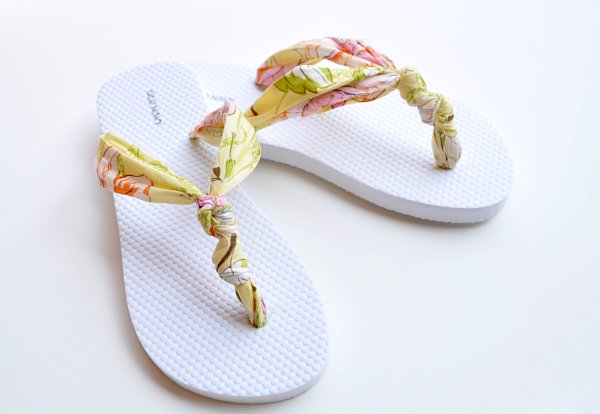
DIY Summer Sandals and Flip-Flops You Can Actually Wear
Upgrade basic flip-flops with fabric wraps, gladiator laces, macrame, fringe, and beads—plus fit checks and glue tips so handmade sandals last.

DIY Summer Dresses You Can Sew on a Budget
Maxi conversions, tank-top bodices, sheet wraps, and low-seam knits—practical ways to sew cool weather dresses from what you already have.
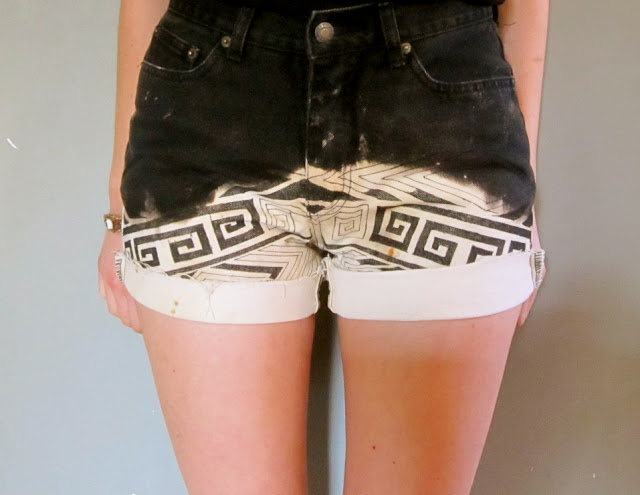
DIY Shorts Redesigns You Can Finish at Home
Turn old shorts into dip-dye, print, lace, bleach, scallop, and no-sew refashions with practical steps, fabric tips, and a weekend plan—no affiliate hard sell.