
Theatrical Dancers of the Late 1800s in Studio Photographs
Late nineteenth-century portraits of stage dancers—burlesque, music hall, and variety—read as working history, costume evidence, and commercial image culture.
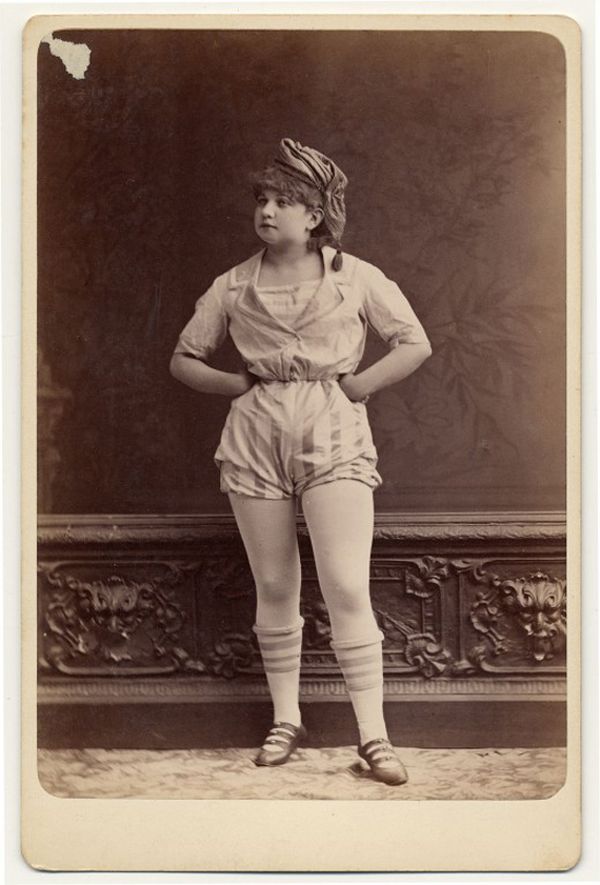
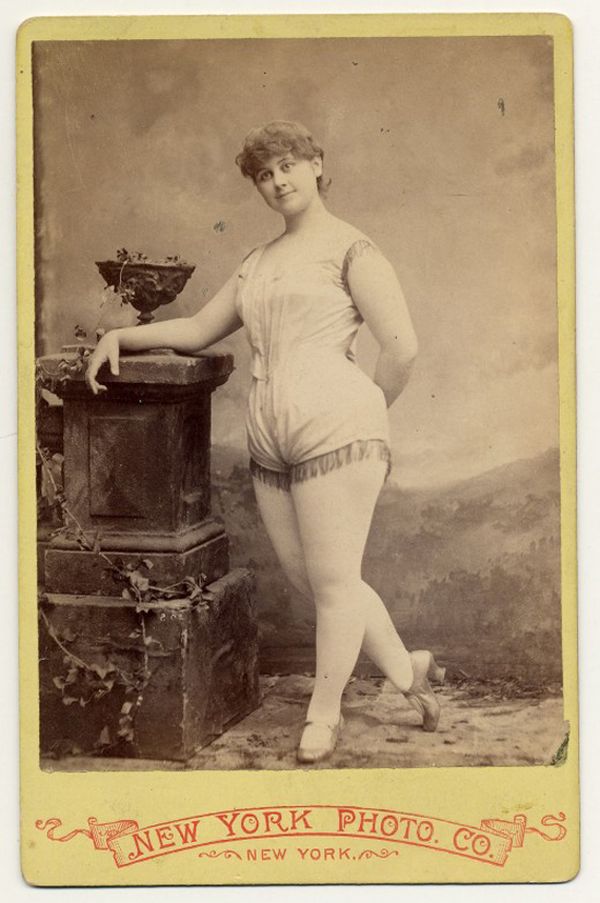
Late nineteenth-century studio photographs of dancers can look, at first glance, like costume curiosities: sequins, tights, painted backdrops, a pose held long enough for the camera’s slow appetite for light. Look longer and they become documents of work—of women who earned wages on stages that sat uneasily beside Victorian respectability, of theatrical economies that sold spectacle, parody, and movement to mixed crowds in London, New York, and beyond.
The phrase “exotic dancers,” common in later collecting and captioning, is historically slippery. In period publicity it could signal foreign-themed numbers, “oriental” fantasy costumes, or simply variety acts marketed as daring. Today the same label risks flattening distinct performance traditions into a single sensational category. What the photographs actually preserve is more specific: professional performers in theatrical dress, staged for promotion, souvenir, or archive, at a moment when popular entertainment was negotiating how much of the body, and how much satire, a ticket could buy.
Stages between respectability and spectacle
Burlesque and related variety forms flourished across the mid-to-late 1800s, especially from the 1860s onward in the United States after troupes such as Lydia Thompson’s British Blondes made “leg shows” a commercial force. The genre borrowed from opera bouffe, extravaganza, and parody: Shakespeare and grand opera could be flipped into topical comedy; plots were loose; costumes tested what “polite” dress codes would tolerate under theater lights.
These performers occupied a contested social space. They were neither the idealized domestic woman of etiquette manuals nor the outright criminalized figure of street panic literature. Newspapers could praise athleticism and comic timing in one column and moralize in the next. That tension is part of why studio portraits mattered. A carefully posed cabinet card or promotional print could circulate a performer’s image beyond a single run of nights—turning a temporary engagement into a portable identity.
European cancan traditions, music-hall turns, and American burlesque circuits were not identical, yet they shared an economy of visibility. Managers sold novelty; dancers sold skill, stamina, and a stage persona; photographers sold likenesses that fans and collectors could keep. The surviving images are therefore commercial artifacts as much as candid glimpses of “how people danced.”
What the camera asked of dancers
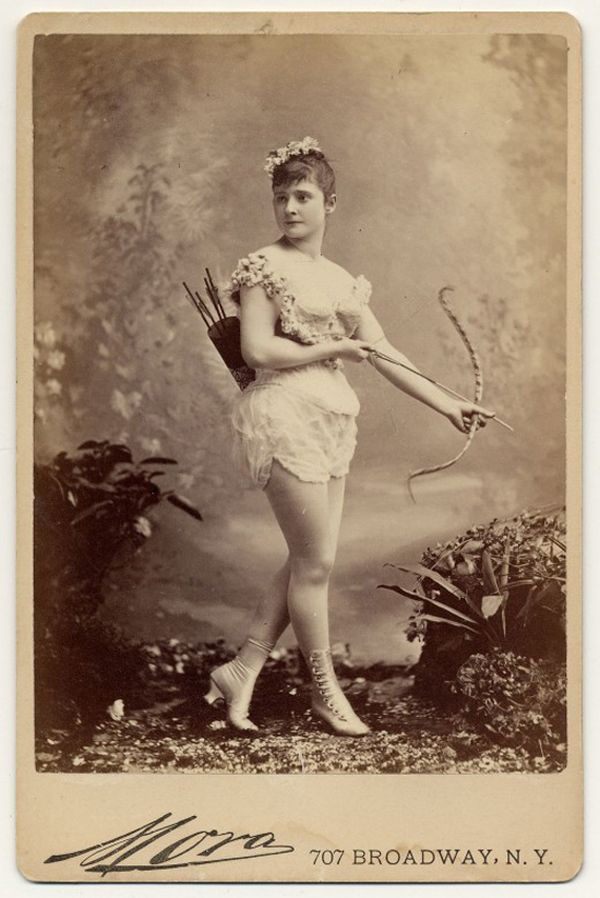
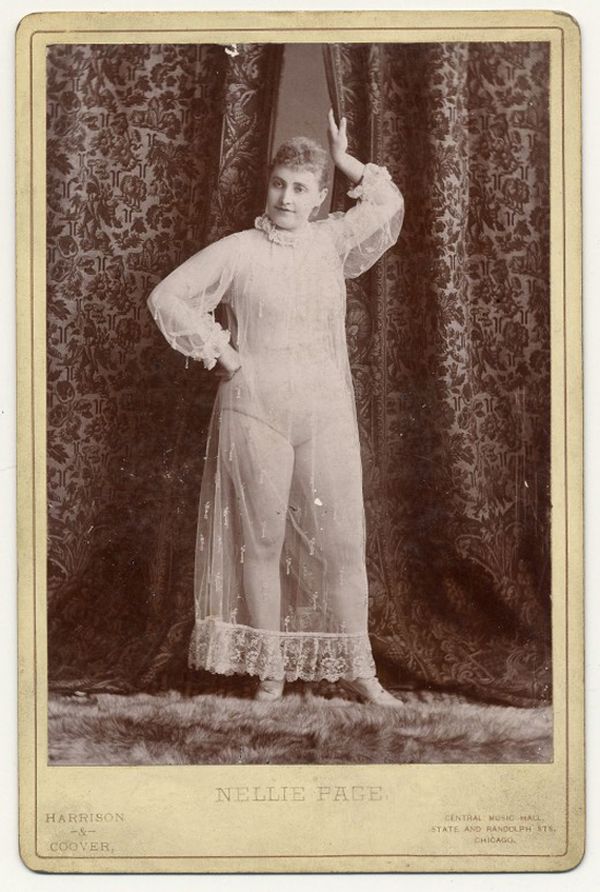
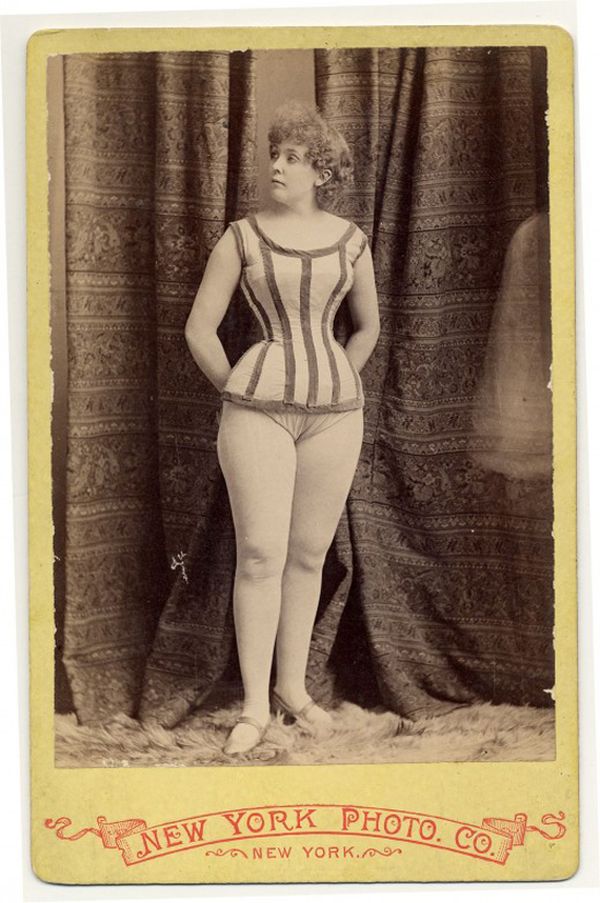
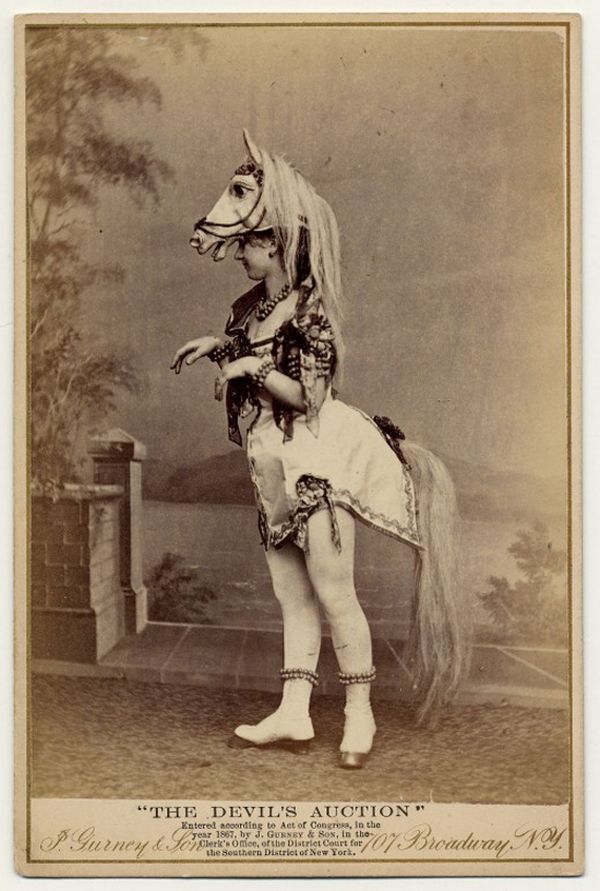
Nineteenth-century photography was not a candid phone snap mid-kick. Exposures favored stillness. Dancers learned to hold expressive poses that implied motion: a pointed foot, a lifted skirt edge, an arched back, a gaze aimed past the lens as if toward an unseen balcony. Painted studios supplied columns, drapery, or vaguely “eastern” scenery that echoed the night’s bill without documenting a real street in Cairo or Paris.
Costume in these frames is information. Tights made legs legible under gaslight and magnesium flash; bodices and ornaments telegraphed character types—soubrette, fairy, soldier parody, “exotic” fantasy number. What reads as decorative excess now was often practical signaling then: audiences needed to recognize a role quickly across a noisy house.
Collections such as those later gathered by scholars of popular entertainment (including holdings associated with exotic dance and burlesque research archives) preserve sheets and portraits that were once trade tools. Seeing them today means remembering the labor behind the sequins: rehearsals, touring schedules, managers’ contracts, and the physical risk of repetitive performance in rooms that were rarely designed for dancers’ long-term health.
Reading “exotic” without repeating the pitch
Period marketing loved the word exotic because it promised elsewhere. Numbers billed with foreign flair often relied on costume shorthand and musical cliché more than on accurate cultural practice. That history deserves clear naming. Fantasy dress is not the same as the living dance traditions those fantasies borrowed from, and collapsing them flatters neither the performers nor the cultures referenced.
An editorial approach, then, treats the photographs as evidence of Western theatrical imagination in the late 1800s—its appetite for novelty, its gender politics, its commerce in images of women—rather than as a catalogue of “forbidden” thrills. The women in the frames were professionals navigating an industry with limited respectable pathways and very public judgments.
Modern viewers also bring modern categories. Contemporary burlesque revival, striptease histories, and dance ethnography each illuminate different threads; none should be projected backward as if the 1890s used our vocabulary. Precision helps: say theatrical dancer, burlesque performer, music-hall artist, cancan dancer when the evidence supports it. Let captions admit uncertainty when names and venues are lost.
Gender, parody, and the pin-up before the pin-up
Many late-century portraits participate in an early mass-media loop: stage fame produces photographs; photographs extend fame; fame sells the next engagement. Scholars of nineteenth-century performance have noted how actresses and burlesque artists used circulating images to craft public personae that could be playful, pointed, or strategically “awarish”—aware of being looked at and sometimes joking about the look itself.
Parody mattered. Burlesque often mocked high culture’s seriousness. A dancer in abbreviated classical costume might be sending up ballet’s prestige as much as offering display. Reducing every image to erotic inventory misses the comic intelligence that kept audiences returning. Humor was a tool of survival in a business that could discard performers quickly.
At the same time, it would be dishonest to pretend the gaze was neutral. These pictures were made inside unequal structures of gender and class. Respectful viewing does not require pretending the images were never sexualized; it requires refusing to treat the women only as objects for contemporary snickering. Curiosity can be historical without becoming a leer.
How to look at this set
Begin with craft. Notice fabric weight, shoe style, studio carpet, the painter’s backdrop seam. Ask what the pose is selling—athleticism, elegance, comedy, allure, foreign fantasy—and how lighting sculpts the figure. Then ask what is missing: sound, choreography, the crowded house, the manager’s ledger, the dancer’s offstage name if different from the billed one.
If a portrait includes text or a known troupe mark, that is a research door. Many such images connect to touring companies, novelty acts, and city theater districts whose newspapers still sit in digitized archives. Even without a firm identification, the photograph remains a primary source for costume history and for the visual culture of popular entertainment.
Finally, resist the listicle impulse that ranks “most shocking” costumes. Shock was a marketing language of their century and a click language of ours. Better questions last longer: Who paid? Who watched? What skills were trained? What risks attended the job? What did respectability cost, and who was denied it?
After the sitting
By the turn of the twentieth century, entertainment forms continued to mutate—vaudeville circuits, changing censorship battles, new dance crazes, later club cultures that would inherit and distort older vocabularies of “exotic” performance. The women photographed in the 1800s cannot be asked to stand in for all that followed. They can, however, remind us that popular dance has a deep archive of labor and image-making.
Held as historical documents rather than as a parade of titillation, these portraits repay slow attention. They show professionals who knew how to meet a lens, how to wear a costume as a tool, and how to occupy a public that was never of one mind about them. The sequins catch the light; the harder thing to see—and the more worth seeing—is the working life underneath.

Comments
Continue reading
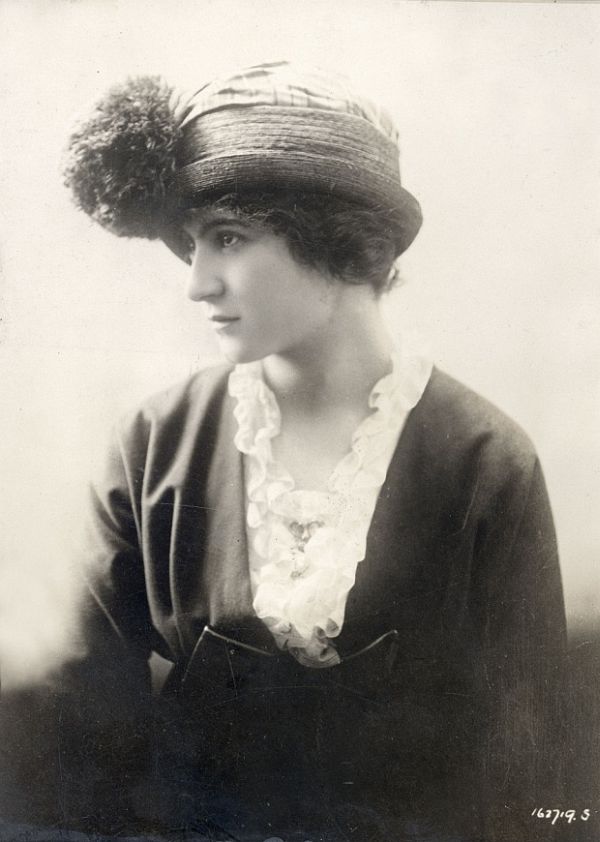
Women’s Hats, 1913–1915
A historical look at women’s millinery from 1913 to 1915—when Edwardian picture hats narrowed toward wartime angles—told through a gallery of period portraits.
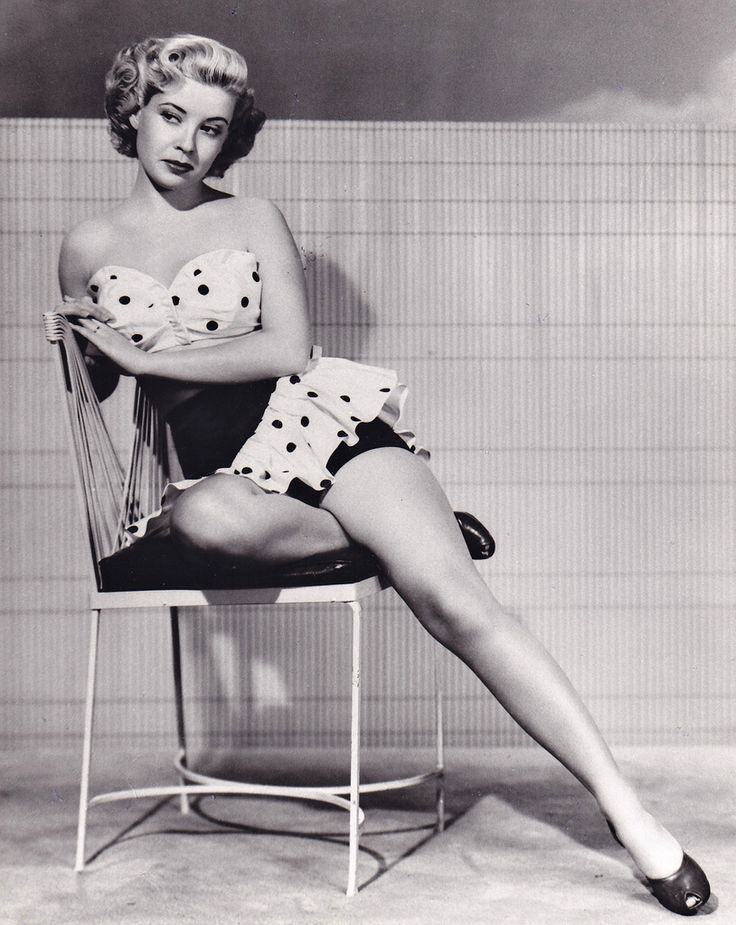
Charming Photos of Retro Beach Life
A gallery of retro beach photographs—mid-century leisure, shoreline fashion, and candid summer light—plus how to read (and shoot) that timeless seaside mood.

Funny Animal Signs That Warn People (While Animals Ignore Them)
From a seagull on a no-birds disc to classic zoo and park ironies—why animal warning signs get funny, and what the rules are still for.