
Charming Photos of Retro Beach Life
A gallery of retro beach photographs—mid-century leisure, shoreline fashion, and candid summer light—plus how to read (and shoot) that timeless seaside mood.

Beach photographs from mid-century summers still stop the scroll for a reason. They are not only about sand and water. They hold a whole social script: how people dressed for leisure, how they posed when cameras were rarer, and how color film—or carefully printed black-and-white—turned ordinary holidays into lasting mood boards. Looking at these frames at the end of a year, or any time nostalgia creeps in, is less about rewriting the past than noticing what we still copy from it.
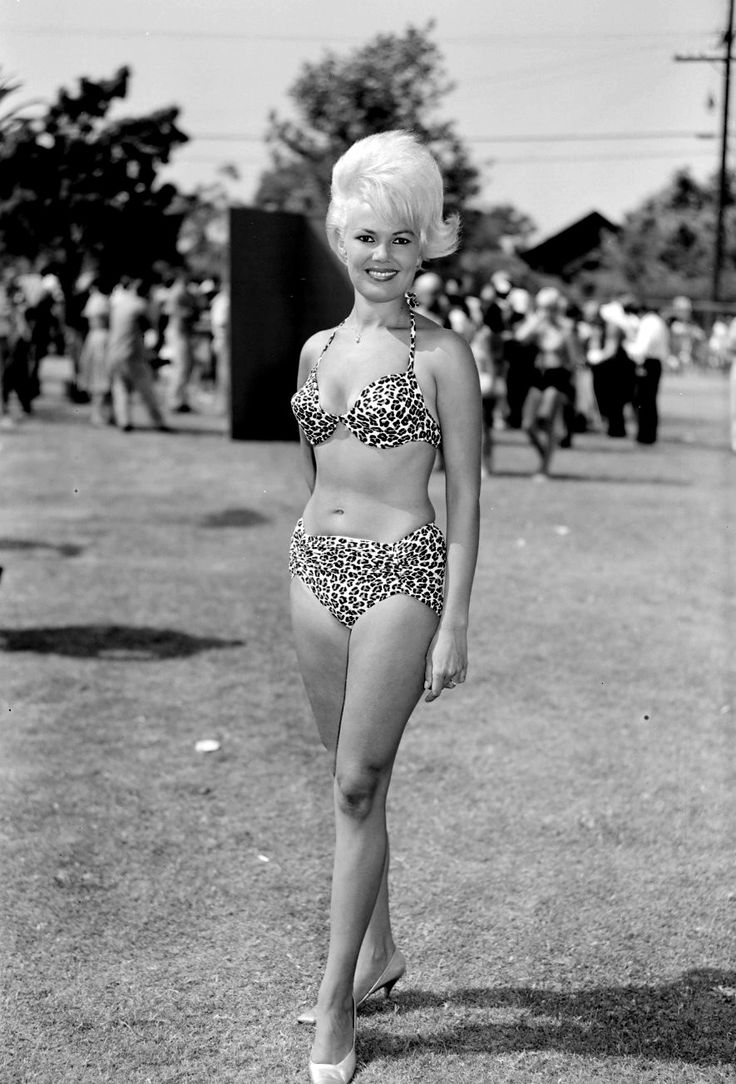
Retro beach life, as a visual genre, sits somewhere between documentary and daydream. Swimsuits have cleaner lines. Umbrellas and chairs become graphic shapes. Shadows are hard. Skin tone, fabric, and sky do most of the storytelling. The collection below gathers that vocabulary—candid groups, solitary figures, shoreline geometry—without needing a single brand label to make the era feel specific.
Why the beach looks better in memory
Part of the charm is scarcity. When film rolls were finite, people waited for a good light, a real smile, or a composition that felt worth the frame. That restraint shows. Even when a shot is imperfect—blown highlights, soft focus, a tilted horizon—it often feels more lived-in than a phone burst of twenty near-identical images. Retro beach photography also benefited from simpler backgrounds. Fewer logos in frame. Fewer phones held up as mirrors. The beach could still read as a place, not a set for content.
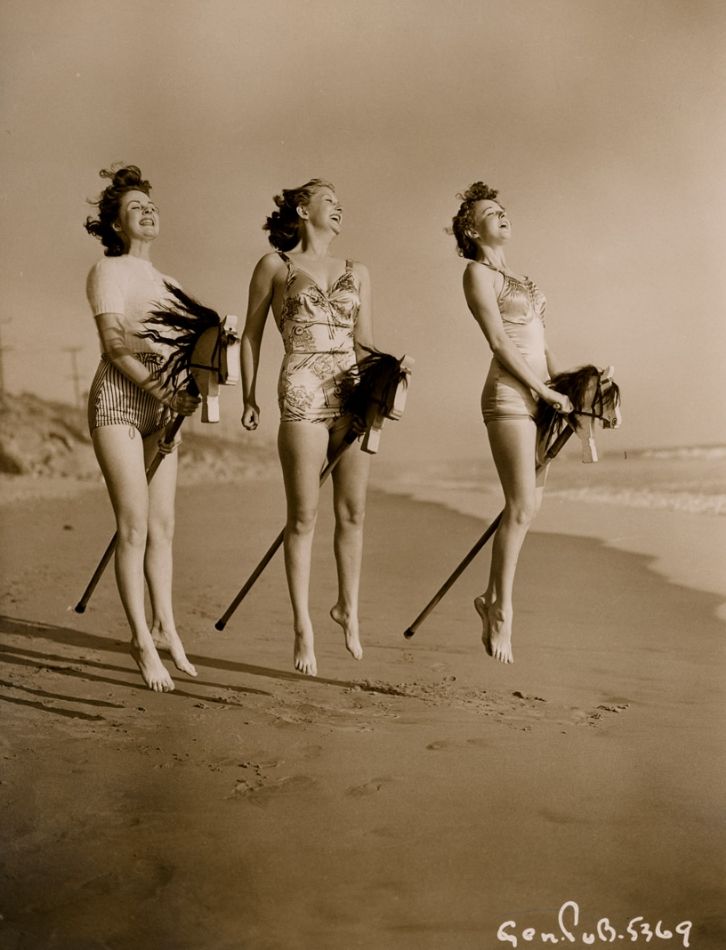
Nostalgia does the rest. Soft pastels, Kodachrome warmth, and high-contrast monochrome each carry emotional cues. Pastels suggest vacation ease. Warm saturation suggests late afternoon heat. Black-and-white turns bathing suits and pier posts into design. None of that requires the viewer to have been alive in the decade pictured. The longing is transferable.


Bodies, cloth, and the shoreline as stage
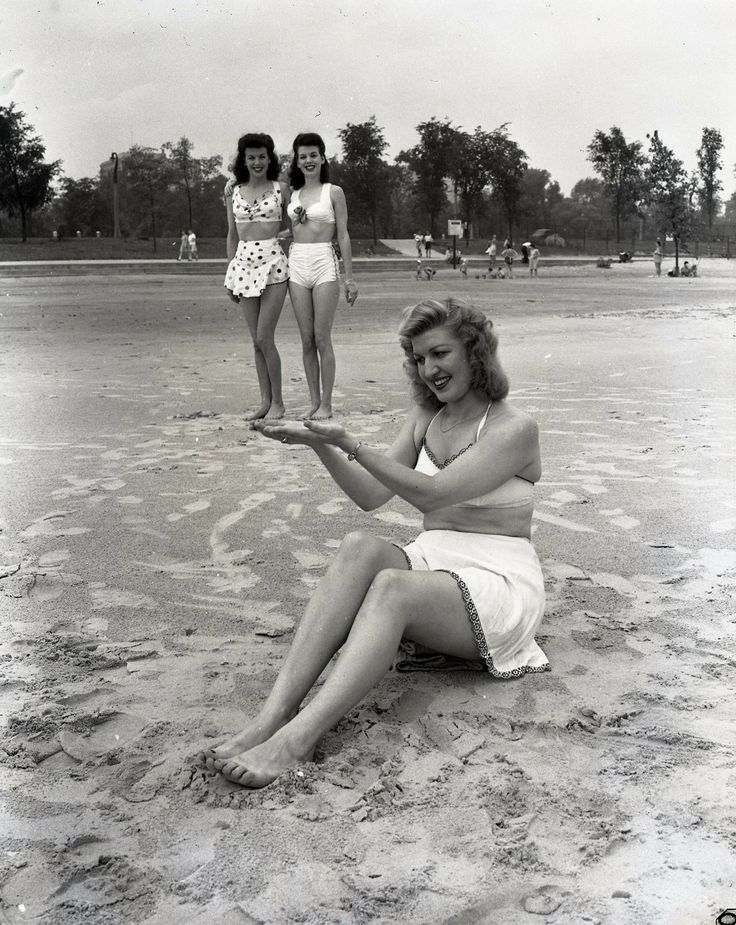
Look closely at how people occupy the sand. Groups cluster under shade. Couples claim a narrow strip of towel. Children treat the wet edge as a playground with no schedule. Fashion does heavy lifting: one-piece suits with athletic cuts, high-waisted briefs, wrap skirts, sunglasses with bold frames, towels used as wraps. Accessories are few but decisive—a hat brim, a cigarette held casually in an older frame, a beach ball as a bright prop.
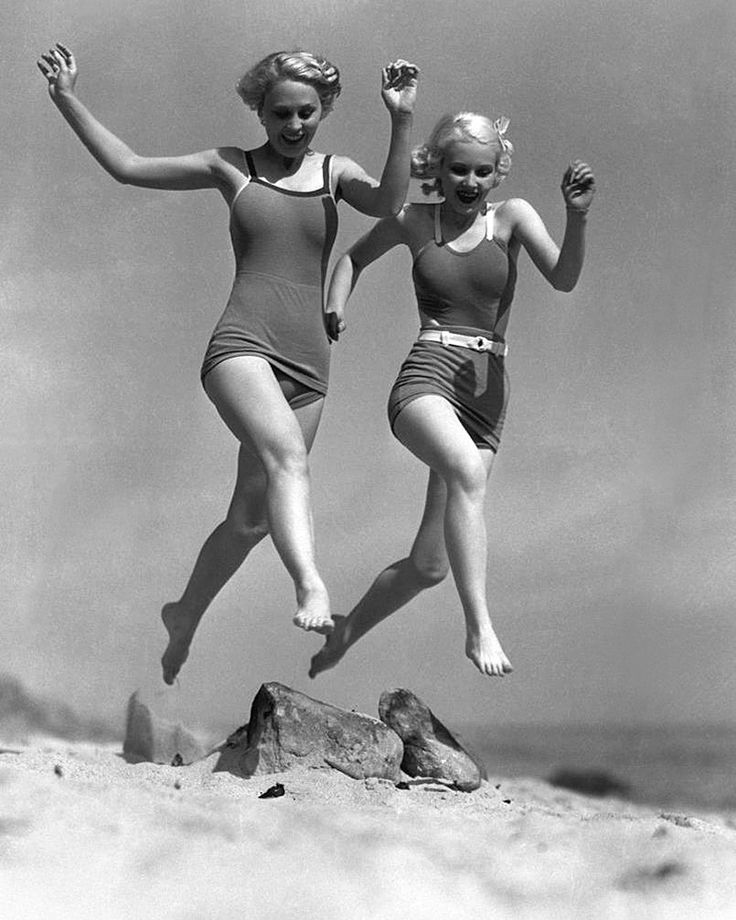
Photographers of beach life often used the horizon as a ruler. A low camera angle makes a standing figure monumental against sky. A high viewpoint turns umbrellas into polka dots. Side light at golden hour carves muscle, fabric folds, and footprints into relief. Midday sun, usually avoided by studio habits, becomes honest here: bleached boards, squinting smiles, sharp shadows under chairs.


Color stories and monochrome drama
Many of these images live on palette alone. Turquoise water against pale sand. Coral swimwear against gray weather. Cream umbrellas against deep blue. When color is restrained—mostly neutrals with one loud towel—the frame feels designed even if nobody styled it. When color is loud, the beach becomes carnival: stripes, plastic toys, painted signs on snack shacks.
Black-and-white beach photography works differently. Without hue, texture matters more: wet skin, woven chairs, rope, wooden docks, grain in the sky. Contrast turns a simple dive into choreography. A lone walker becomes a silhouette study. If you shoot beach scenes today and want a retro feel, monochrome is often more convincing than a digital “vintage” filter that merely muddies the midtones.


Leisure as social document
Beyond beauty, these photographs are social notes. Who gets leisure time? Who works the boardwalk? Who watches children from a folding chair? Family albums and magazine spreads both shaped the myth of the perfect beach day, but candid frames often tell a truer story: crowded weekends, imperfect bodies, awkward teenagers, grandparents planted like landmarks. That honesty is why the genre still feels warm rather than purely glamorous.
Public beaches also show design history in the background—lifeguard towers, changing cabins, iron railings, painted lettering on snack bars. Those details date a picture faster than a swimsuit cut. When they survive in a scan or print, they give the viewer a place, not just a vibe.

How to look at a gallery like this
Move slowly. Ask what the frame is doing: is it about pattern, intimacy, humor, or scale? Notice where the photographer stood—ankle-deep in water, up on a dune, close enough that sand grains show. Notice what was left out. Empty sky can be as deliberate as a crowded shoreline. A cropped elbow can make a pose feel modern decades later.
If you make pictures yourself, borrow methods rather than costumes. Wait for side light. Use a fixed focal length and walk closer. Limit yourself to a small number of frames per scene. Shoot people who are busy with something other than the camera. Let towels, chairs, and wet footprints be foreground anchors. The goal is not to fake 1958; it is to recover attention.

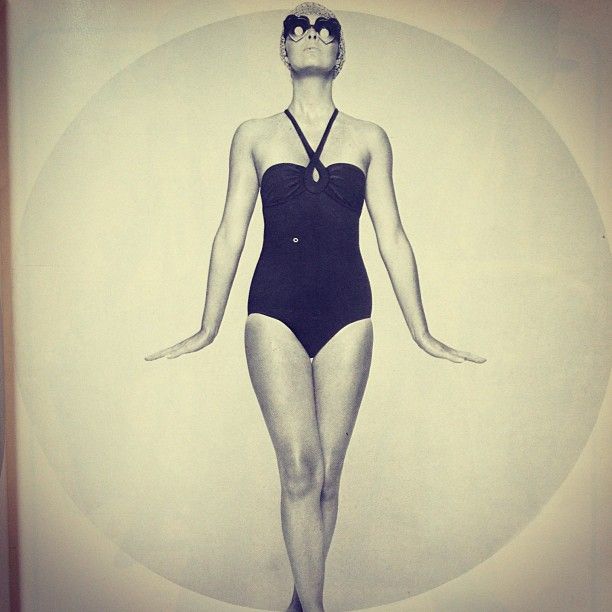


Fashion cues that still travel
Designers and stylists return to this well constantly: high-cut legs, striped knits, terry cloth, oversized shades, linen shirts worn open, canvas espadrilles. The enduring trick is proportion and confidence rather than exact replica. A modern beach day can feel “retro” with one strong silhouette and honest light. Too many props tip into costume party.
The same rule applies to interiors and table settings inspired by beach nostalgia. One woven texture, one sun-faded color, one photograph with real grain will say more than a shelf of kitsch. These images work as references precisely because they are not trying to sell a product line. They sell a pace.



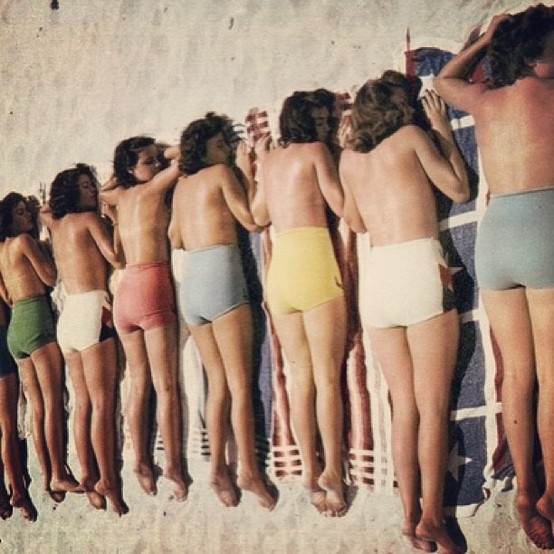
More frames from the sand
The remaining photographs keep circling the same themes with different accents: solitary reading under an umbrella, friends sharing a joke at the waterline, athletic bodies caught mid-stride, quiet older couples who seem to own the afternoon. Some images are formal enough for a magazine. Others look like they fell out of a family tin. Together they argue that “retro beach life” is less a decade than a way of being outdoors with time to spare.

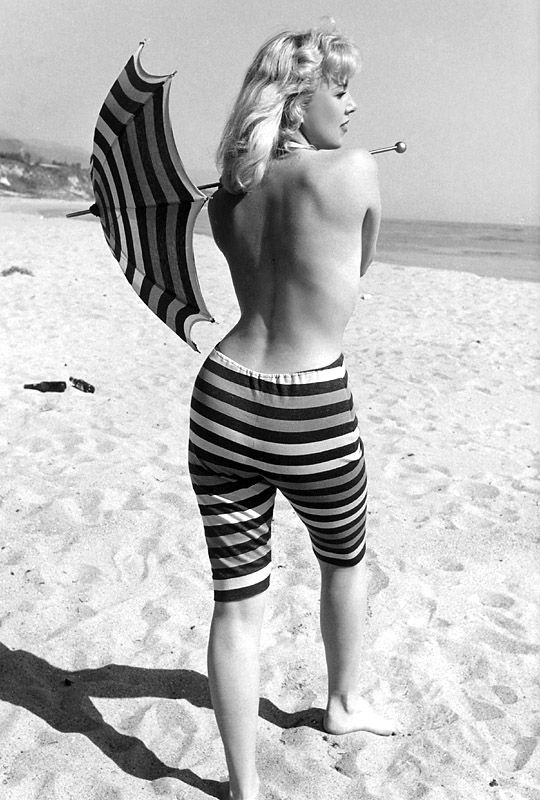
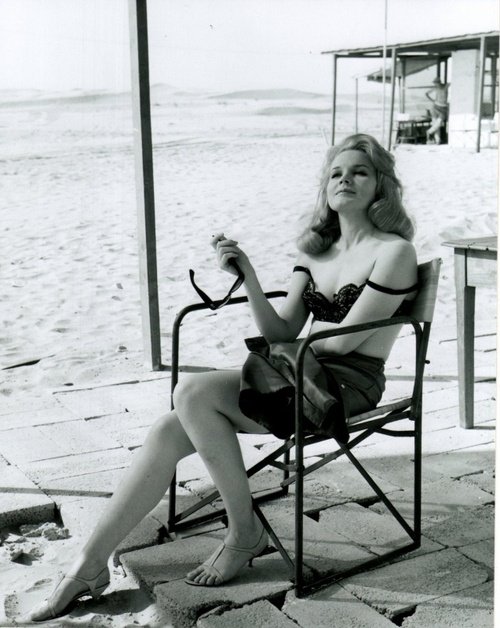
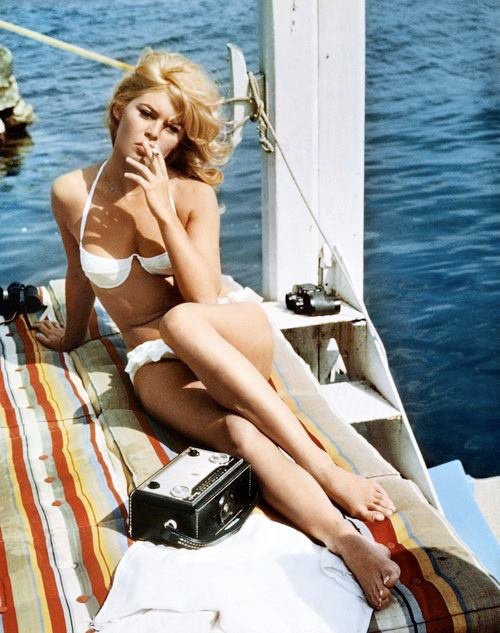
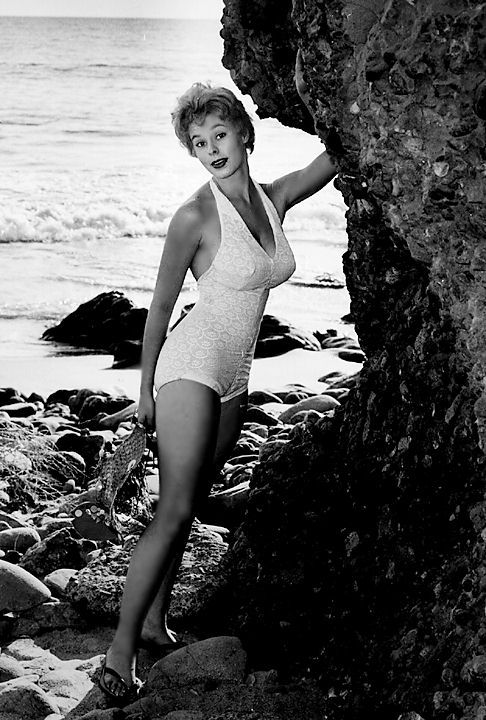
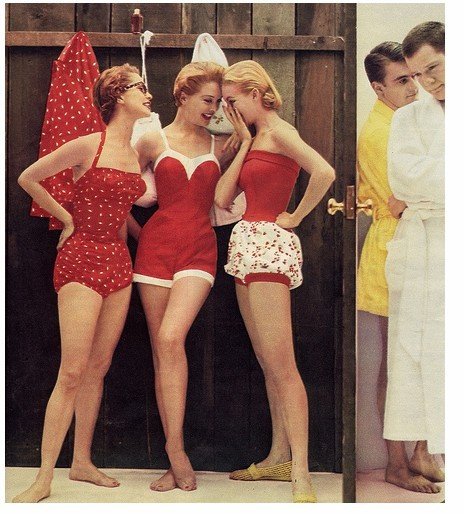







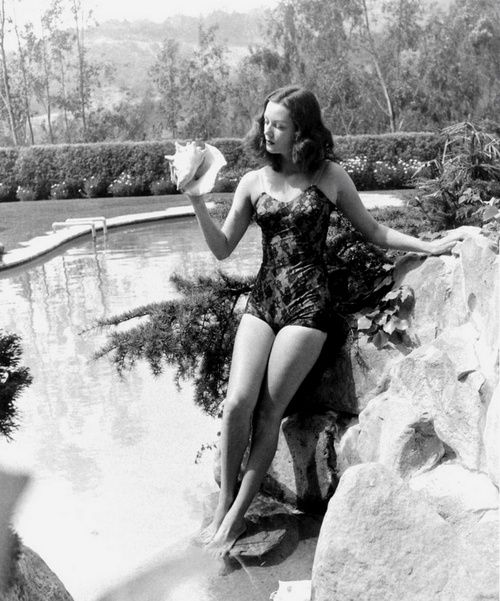

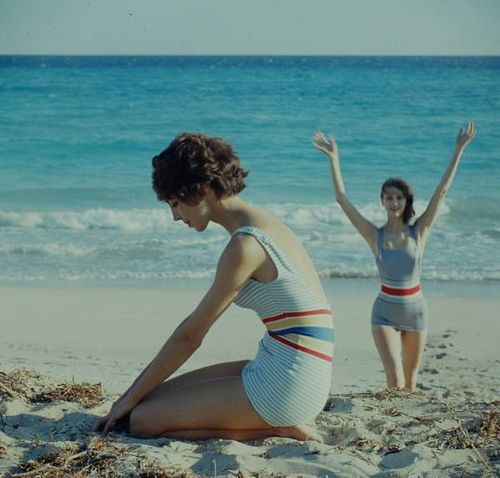
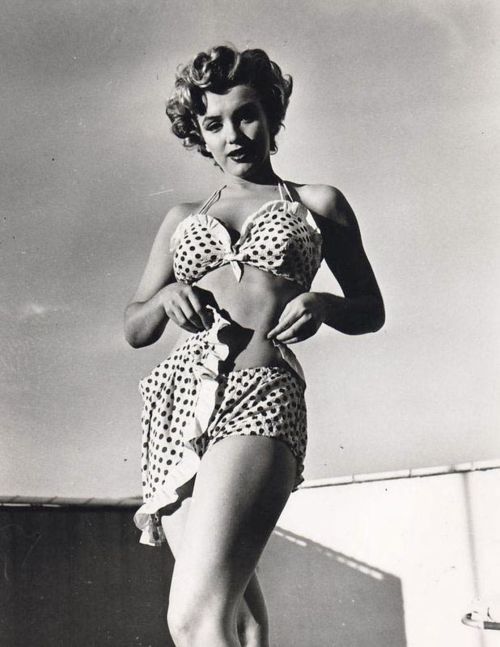





Save one image that feels closest to the kind of afternoon you want—not the most dramatic, the most familiar. Print it small. Put it where you see it on an ordinary Tuesday. The point of a retro beach gallery is not to live in the past; it is to remember that leisure can look simple and still feel complete.

Comments
Continue reading

Women’s Hats, 1913–1915
A historical look at women’s millinery from 1913 to 1915—when Edwardian picture hats narrowed toward wartime angles—told through a gallery of period portraits.

Theatrical Dancers of the Late 1800s in Studio Photographs
Late nineteenth-century portraits of stage dancers—burlesque, music hall, and variety—read as working history, costume evidence, and commercial image culture.
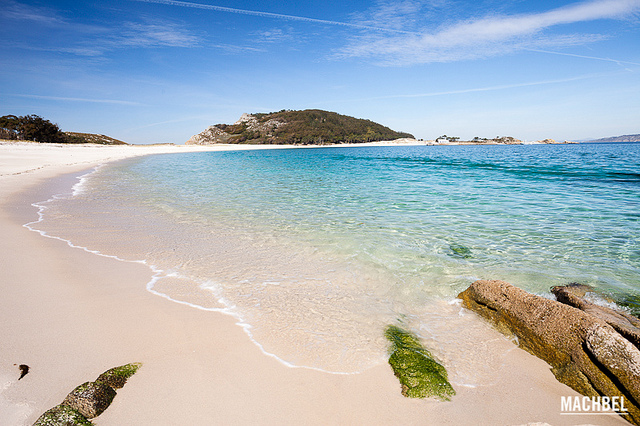
Six Picture-Perfect Beaches Across Spain
From Tarifa’s windy Bolonia to Galicia’s Cíes crescent, Mallorca’s Es Trenc, Canary drama, and Ibiza’s Ses Salines—six Spanish shores with character, not hotel lists.