
Insulating a Conservatory Roof: What You Get for the Money
Practical criteria for conservatory roof insulation—performance, comfort, quotes, and when to call a pro—so the room works year-round without hard-sell claims.
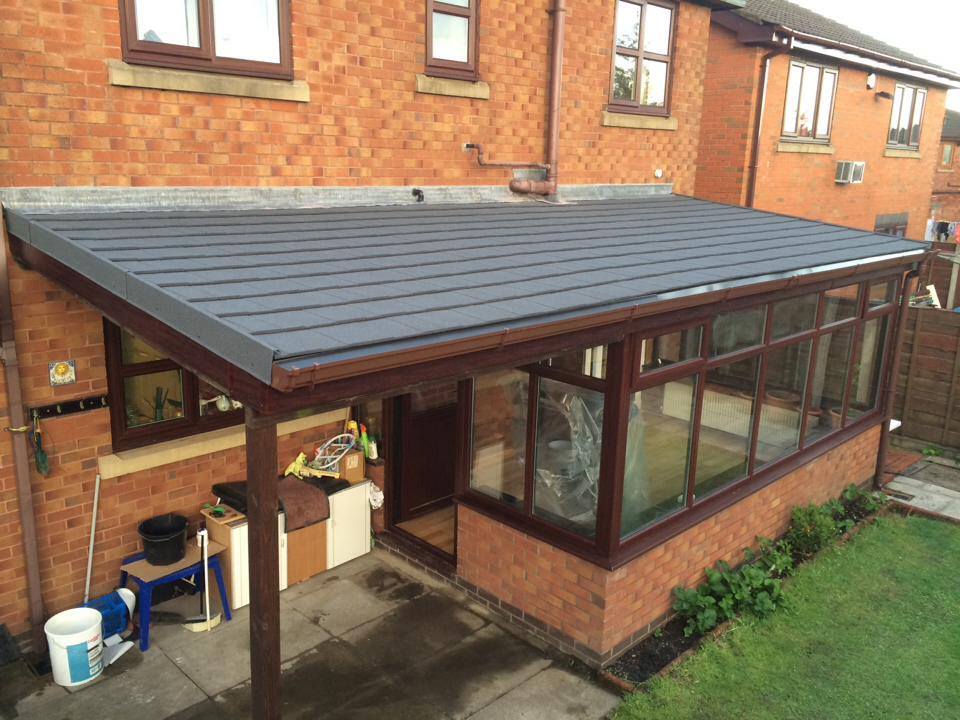
A conservatory often becomes the room people use most: daylight, views, and a sense of being half outdoors. The same glass-heavy construction that makes it pleasant in fair weather also makes it hard to heat in winter and sometimes too hot in summer. When the roof is the weak point, comfort drops and heating systems work harder to compensate.
Insulating a conservatory roof is less about a miracle upgrade and more about closing a predictable heat path. Heat rises; a poorly insulated roof lets that warmth leave quickly. Understanding what you are buying—materials, performance targets, ventilation, and installation quality—matters more than any single sales claim about instant payback.
What “insulating the roof” usually means
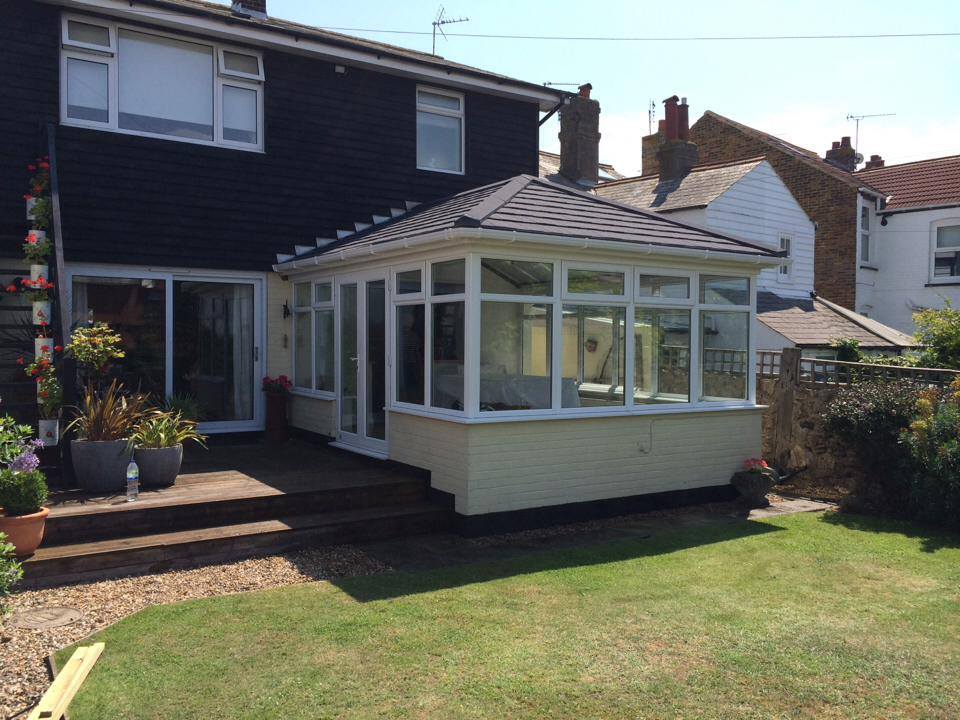
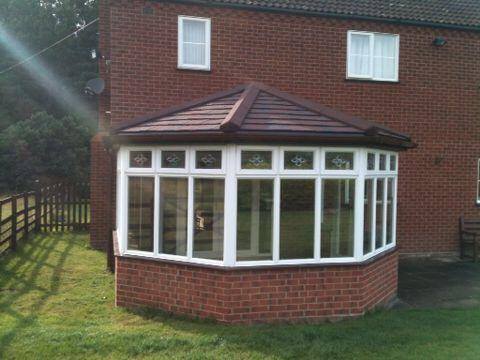
Approaches vary by roof type. Some conservatories have polycarbonate or older glass roof panels that can be replaced with higher-performance glazing or insulated panels. Others keep the outer weather skin and add an insulated ceiling system underneath, creating a warmer inner layer while preserving the exterior look. Solid-roof conversions replace translucent panels with an insulated solid structure and new internal finishes.
Each route changes light, headroom, appearance, and cost differently. A solid insulated roof can improve thermal performance dramatically but reduces the glasshouse character. High-performance glazed or panel systems aim to keep more daylight while improving U-values. An internal insulated ceiling can be less disruptive externally but needs careful detailing at edges, valleys, and junctions with the house wall.
Ask installers to explain the build-up in plain language: outer weather layer, insulation type and thickness, vapor control, internal finish, and how condensation is managed. If those pieces are vague, the quote is not ready to compare.
Performance criteria that are worth comparing
Thermal performance is usually discussed through U-values (heat loss through a construction). Lower is better. Compare like with like: whole-roof performance matters more than a brochure number for an isolated panel. Ask how junctions, glazing bars, and abutments are treated, because weak edges can undo a good center-panel rating.
Solar control matters in summer. A roof that only “keeps heat in” can still overheat if it admits too much sun. Look for discussion of solar gain, coatings, shading, or ventilation strategy—not only winter heating bills. A comfortable conservatory is a year-round room, not a winter-only project.
Daylight and glare should be part of the brief. If you chose a conservatory for light, measure how much brightness you are willing to trade for warmth. Samples, showrooms, or previous jobs you can visit help more than photos alone.
Acoustic comfort is a secondary benefit of some insulated roofs: rain noise on thin polycarbonate can be sharp. If the room is an office or lounge, ask how the proposed system behaves in heavy rain.
Comfort, bills, and realistic expectations
An uninsulated conservatory can feel like a cold porch attached to a warm house. Heating that space without fixing the roof often means warm air leaving through the top while you still feel a chill at seating height. Better roof insulation helps the room hold heat, so the rest of the house is less likely to be pulled down by a cold glass box on the side.
Utility bills may fall when the conservatory stops acting as a heat leak, especially if you previously tried to heat it to the same temperature as living rooms. Savings depend on climate, how you heat the space, existing wall and floor losses, and whether doors to the main house stay open. Treat “pays for itself in months” claims with caution; treat measured improvements in comfort and more usable hours as the primary return.
Carbon impact follows the same logic: less wasted heat means less fuel burned for the same comfort level. That is a real benefit when the installation is durable and the room is actually used. It is not a substitute for checking whether walls, floors, draughts, and heating controls also need attention.
What you should get for the money
A fair quote should include more than a headline price. Look for:
- Clear scope: which panels or areas are included, and what is excluded
- Specified materials and performance targets, not only brand slogans
- Details at the house wall, eaves, valleys, and any roof lights
- Ventilation or condensation strategy
- Internal finish standard and who paints or trims
- Warranty length for materials and workmanship, in writing
- Program length, access needs, and protection of floors and gardens
- Waste removal and making-good after installation
Cheaper bids that skip edge detailing or ventilation often cost more later through drafts, damp patches, or uncomfortable summer heat. The value is in a complete system, not the lowest day rate.
Home value can improve when a conservatory becomes a true all-season room—office, dining, or living space—rather than a fair-weather annex. Appraisals still depend on local market, overall house condition, and whether the work looks coherent with the property. Insulation alone does not guarantee a sale-price jump; usability does.
Preparation before anyone starts work
Document the current problems: cold spots, condensation on roof panels, overheating times of day, rain noise, and whether you heat the room with radiators, underfloor systems, or portable heaters. Photos on cold mornings and hot afternoons help contractors propose the right balance of insulation and solar control.
Check planning, building-control, and any restrictions for your property type or location. Rules differ by region and by whether the work changes the external appearance. Guarantees and future buyers both benefit from work that meets required standards.
Inspect the existing structure. Leaking seals, damaged glazing bars, unstable frames, or poor drainage should be fixed as part of the project or beforehand. Insulating over unresolved water ingress traps problems out of sight.
When to call a professional
Call a qualified conservatory or roof specialist when any of the following is true:
- You need structural changes, replacement panels, or a solid-roof conversion
- There is active leaking, visible frame movement, or electrical fittings near the roof
- The conservatory attaches to the main roof or wall in complex junctions
- You want documented performance and a workmanship warranty
- Access requires scaffolding or work at height beyond safe DIY limits
DIY draught-proofing of doors and secondary measures on vertical glazing can help at the margins, but roof systems involve weatherproofing, load paths, and condensation control that reward experience. A short survey from more than one reputable firm usually clarifies options faster than online guesswork.
Ask each company for examples of similar roof types, not only glossy brochures. Compare how they talk about summer comfort and winter heat loss. The better conversation is usually the better investment—even before you look at the final number on the quote.
A simple decision order
Define how you want to use the room in January and in July. Decide how much daylight you must keep. Have the structure and weatherproofing checked. Compare two or three fully specified roof options on performance, light, program, and warranty. Only then weigh price.
If the insulated roof makes the conservatory pleasant on an ordinary weekday—not only on perfect spring afternoons—you are getting what the spend is for: a room that earns its place in the house instead of a bright annex you close off when the weather turns.

Comments
Continue reading

Funny Animal Signs That Warn People (While Animals Ignore Them)
From a seagull on a no-birds disc to classic zoo and park ironies—why animal warning signs get funny, and what the rules are still for.

How to Find Local Amenities on Vacation: Mechanics, Haircuts & More
Locate trustworthy local services and everyday spots while traveling or settling in—using publications, reviews, map apps, neighbor tips, and low-pressure exploration.

Kristen Stewart for V Magazine, Spring Preview 2013
V81’s Wild at Heart cover story—Kristen Stewart shot by Inez & Vinoodh, styled by Joe McKenna, in pale minimal spring glamour.