
Lost Princess by Brooke Shaden: Surreal Self-Portrait Fairy Tales
Brooke Shaden’s Lost Princess gallery of dreamlike self-portraits—floating figures, painterly darkness, and fairy-tale solitude in square surreal frames.
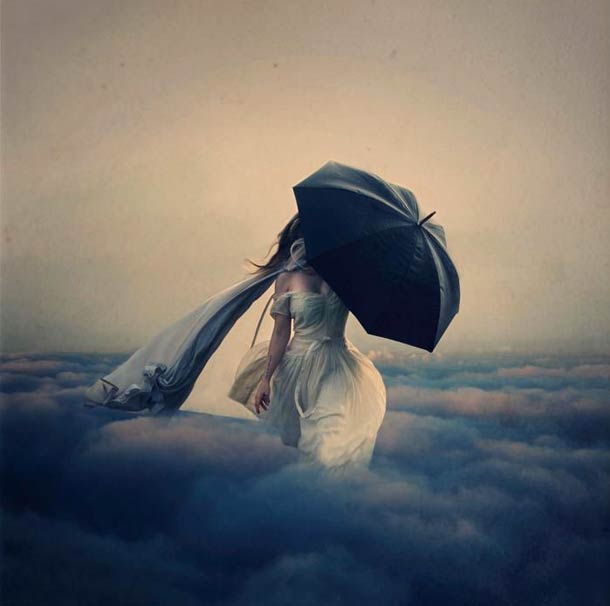
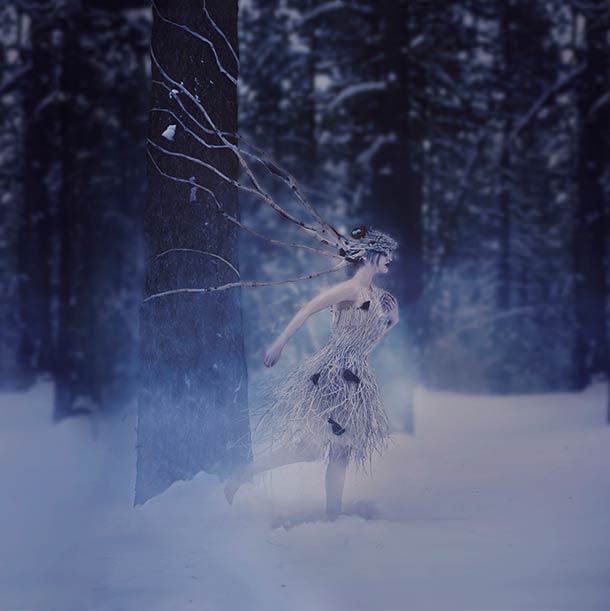
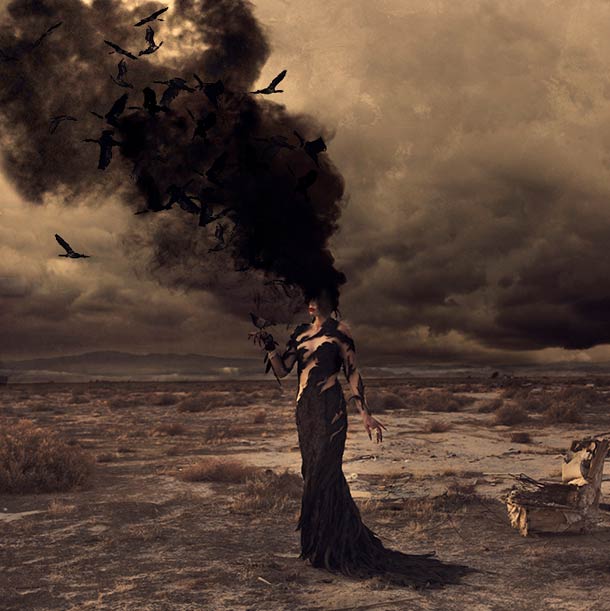
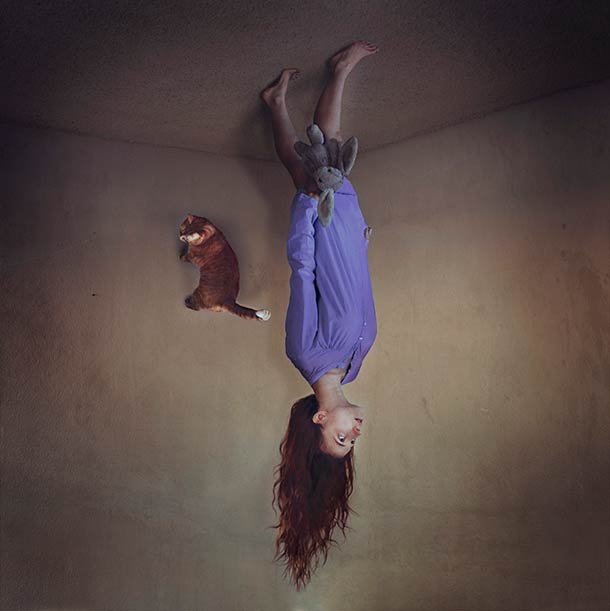
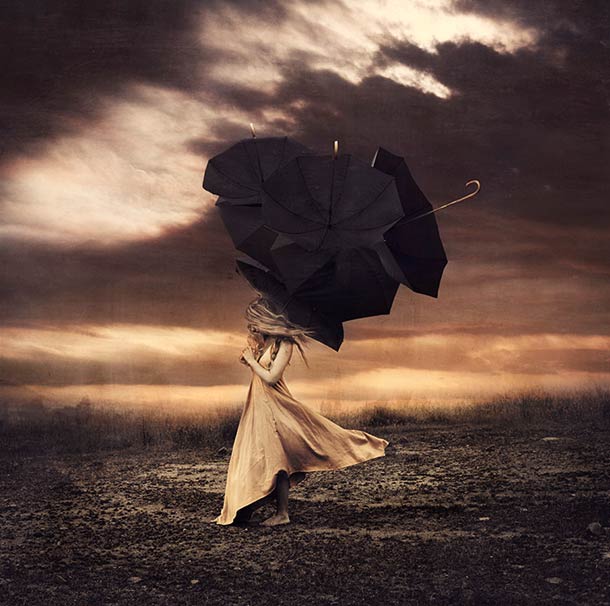
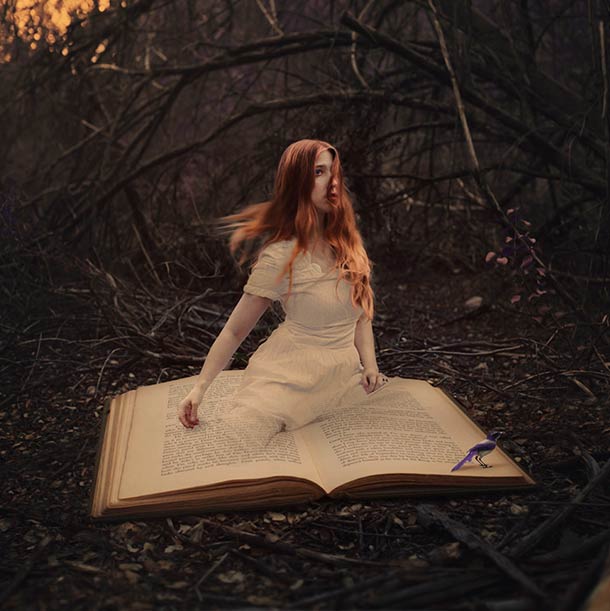
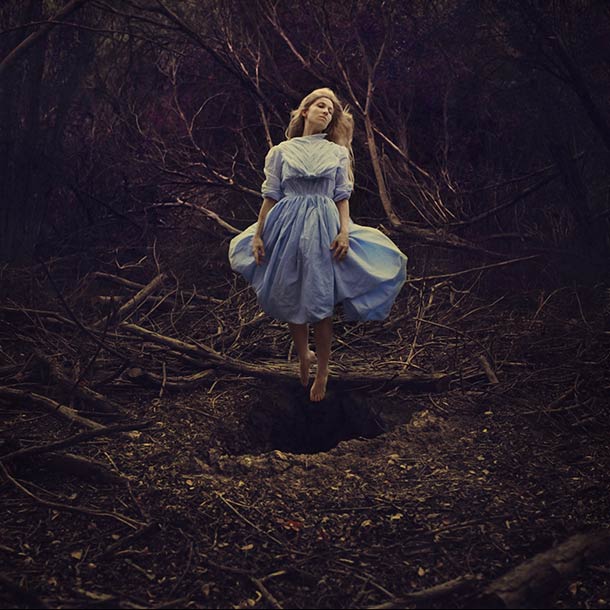
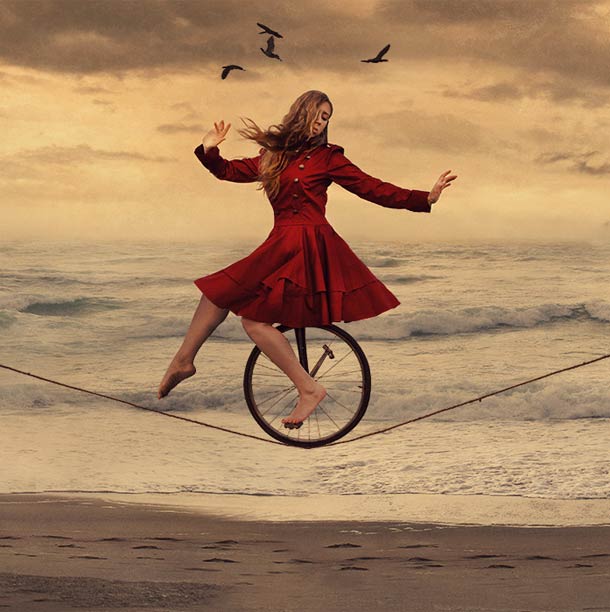
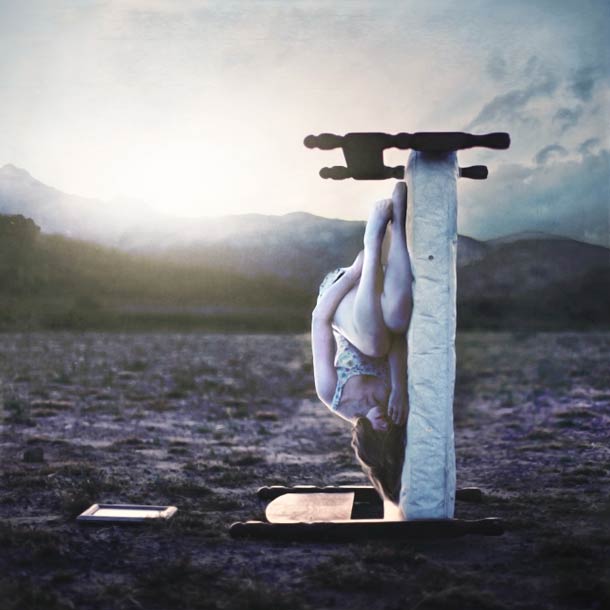
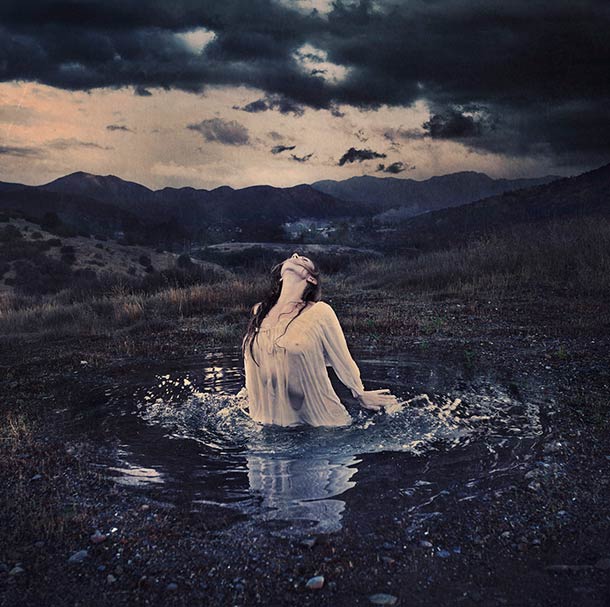
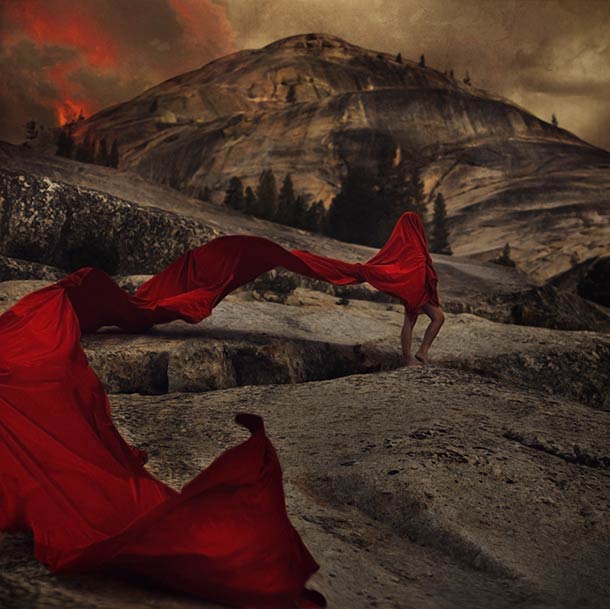
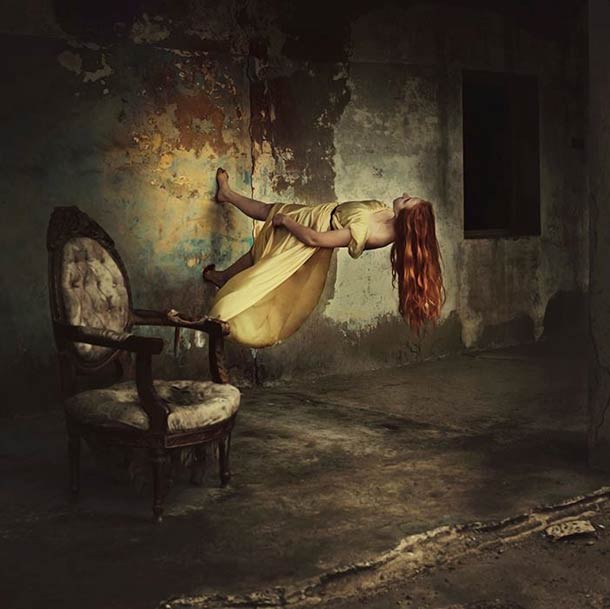
American photographer Brooke Shaden builds dreamlike rooms where gravity loosens and identity turns theatrical. Her collection titled Lost Princess belongs to that world: surreal self-portraits in which she becomes a character inside painterly darkness—floating, waiting, or wandering through spaces that feel half fairy tale and half private myth. These photographs do not document a literal royal figure. They stage longing, isolation, and strange grace, like stills from films that were never shot.
Shaden’s path into this work ran through writing and filmmaking before still photography. After studying film and English, she discovered that a single constructed image could hold the kernel of a short film: character, tension, atmosphere, and an unresolved question. Self-portraiture offered full control. She could be director, cast, and subject without waiting for permission. That solitude suits surreal narrative. Instead of hiring models to illustrate an idea, she inhabits the idea until the pose and the world around it feel inevitable.
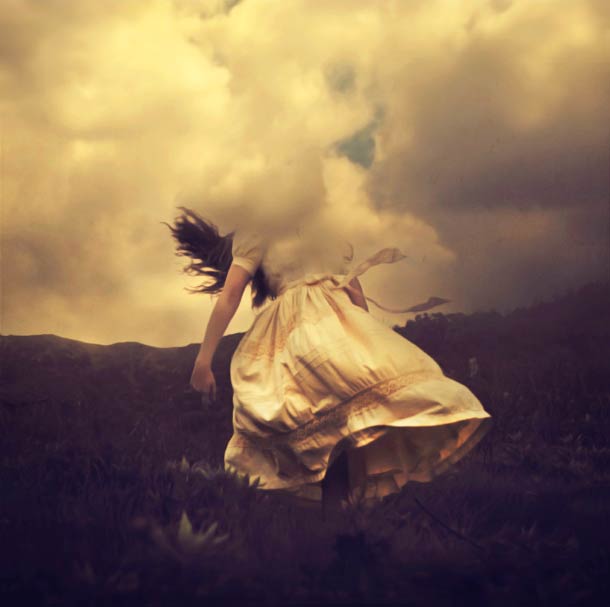
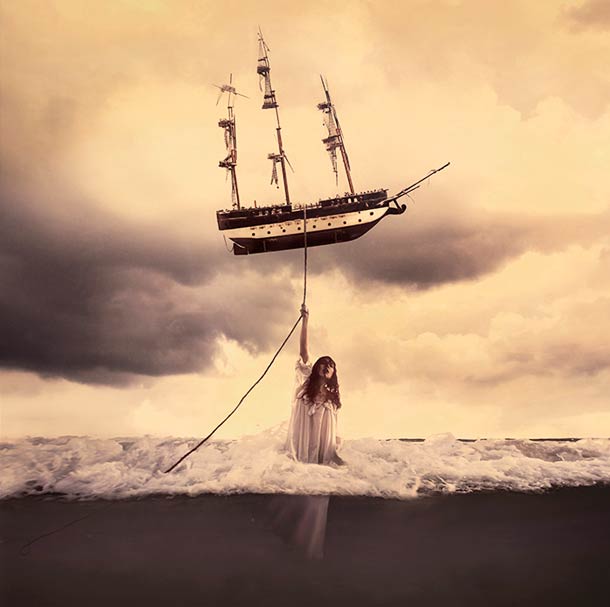
In Lost Princess, the figure often appears suspended or displaced—an emblem of someone who belongs to a story but cannot quite find the door back into ordinary daylight. Viewers meet costume and gesture first, then the quieter suggestion that the role itself may be a kind of exile. The title does not require a crown to make sense. “Princess” here is an archetype of expected beauty and narrative destiny; “lost” is what happens when that destiny frays.
Surrealism with a square-frame hush
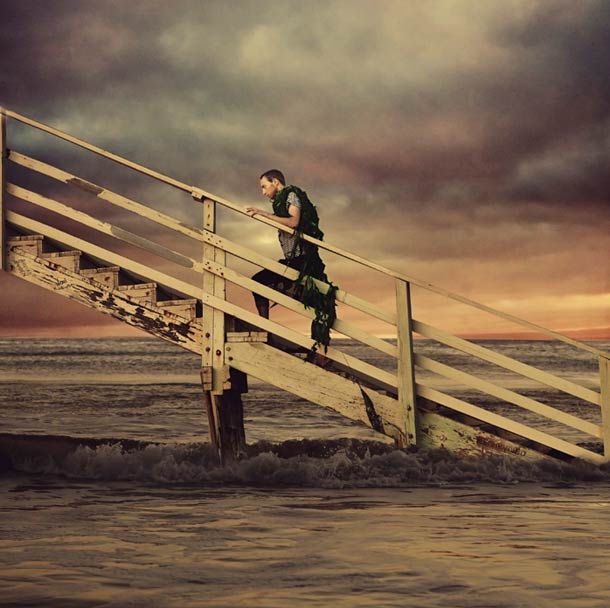
Much of Shaden’s signature look comes from square compositions, dusk-toned or muted palettes, and composite finishing that softens photography toward painting. Edges blur; textures feel tactile; light behaves emotionally rather than like courtroom evidence. The princess motif fits that language because fairy-tale royalty already lives in suspended logic—curses, forests, sleep, waiting rooms of fate. Shaden borrows the archetype and withholds the cheerful ending. What remains is vulnerability dressed in costume and atmosphere.
Self-portraiture here is not autobiography in the diary sense. Shaden has long described her figures as characters: vessels for fear, curiosity, grief, and wonder. That distinction frees the gallery. You are not asked to decode her private biography from each floating pose. You are invited into staged imagination—worlds she has spoken of as places she wishes she could live in, where impossibilities are tested and secrets sit in the open air of the frame.
The square format matters more than it first seems. It refuses cinematic widescreen spectacle and instead creates a contained chamber. Inside that chamber, a lifted skirt, a turned head, or a body held above the ground becomes monumental. Negative space is not empty; it is the silence around a held note. Many of the strongest frames use that silence as aggressively as they use costume.
Motifs inside the Lost Princess mood
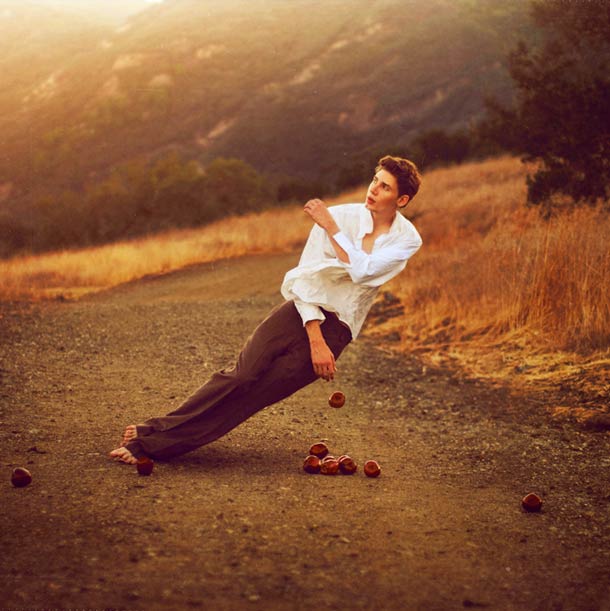
Across the set, recurring visual moves build a coherent emotional climate. Levitation and weightlessness suggest escape, enchantment, or unfinished spells. Fabric, hair, and small gestures become narrative tools that imply a larger plot just outside the crop. Environments stay minimal so psychological weather can dominate. Darkness is not only aesthetic; it is a stage curtain that makes soft highlights feel precious.
The princess idea also carries social echo: femininity mythologized, observed, and sometimes trapped by the story written for it. Shaden’s versions rarely smile for approval. They occupy liminal poses—between sleep and waking, ground and air, costume and self. That liminality is why the gallery rewards slow looking. Each frame is complete, yet together they feel like chapters from one unfinished book rather than unrelated costume experiments.
Some images lean toward dusk blue; others toward warm interior gloom. Some bodies curl inward as if protecting a secret; others open into air as if the secret has already left. Color temperature and gesture become the plot points. You do not need captions to sense shifts from confinement to release, or from ceremonial stillness to restless hovering. The collection’s unity is tonal more than literal: a shared climate of beautiful unease.
How the images are made to feel
Technically, the work lives where capture meets construction. Costumes, locations, and poses begin in the real world; compositing and tonal finishing push them into dream space. Painterly techniques replace the hard edges of straight photography with atmosphere. The result is cinematic condensation: what might have been a short film becomes one charged frame with a beginning, a middle, and a withheld ending.
That approach helped Shaden become a widely recognized name in contemporary fine-art photography in the early 2010s, when digital darkroom craft and surreal self-portraiture found large online audiences. Lost Princess fits both the moment and the method—images designed to be contemplated and returned to, not consumed as quick jokes. The “lost” in the title can mean misplaced geography, misplaced role, or a self suspended between versions. Ambiguity is intentional. It lets viewers project without turning the photographs into puzzles with single answers.
Craft lessons hide inside the mood. Controlled color grading keeps disparate elements in one emotional key. Soft focus at the periphery can feel like memory rather than technical error. Careful posing sells weightlessness more convincingly than obvious cut-and-paste seams. Shaden’s best frames persuade first and reveal process second—an order that matters for surreal work, because once disbelief returns too early, the spell collapses into mere technique.
Looking through the gallery
Move through the images as a sequence of emotional keys rather than a checklist of tricks. Which frames feel like waiting? Which feel like escape already underway? Where does costume read as armor, and where does it read as softness? Notice how often empty space does narrative work. Shaden’s worlds are rarely crowded; solitude is the architecture.
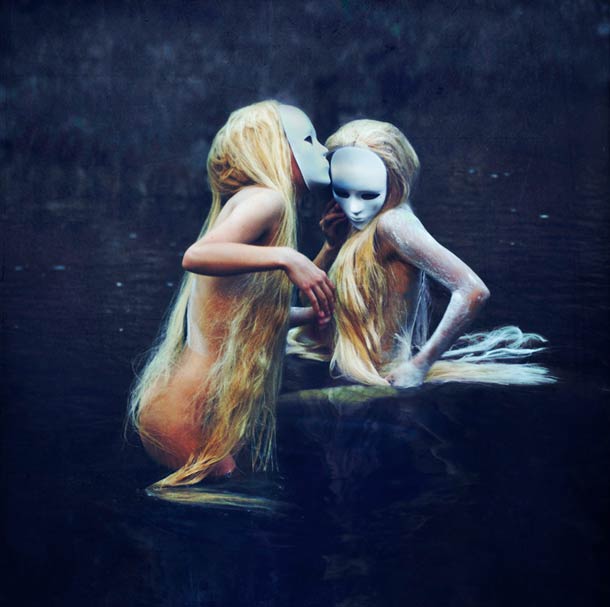
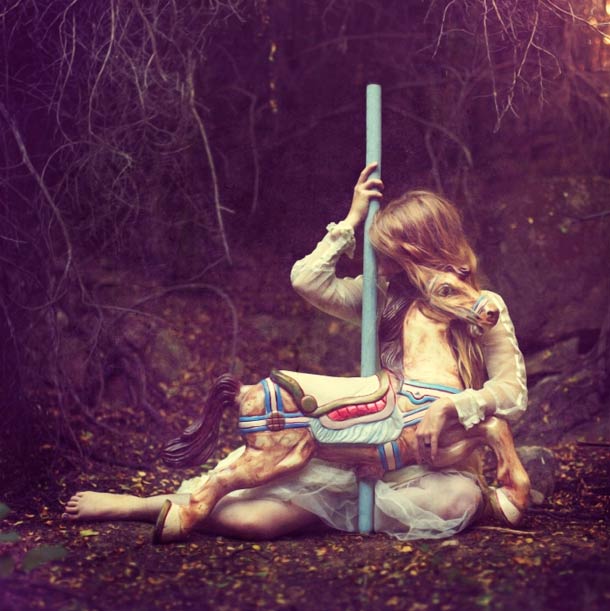
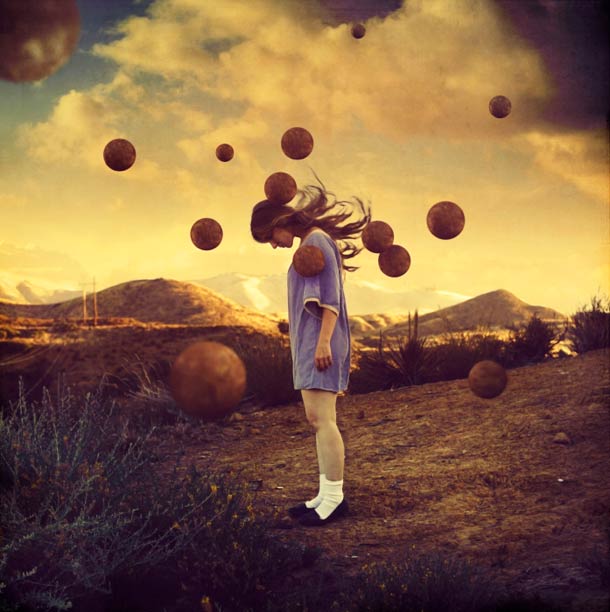
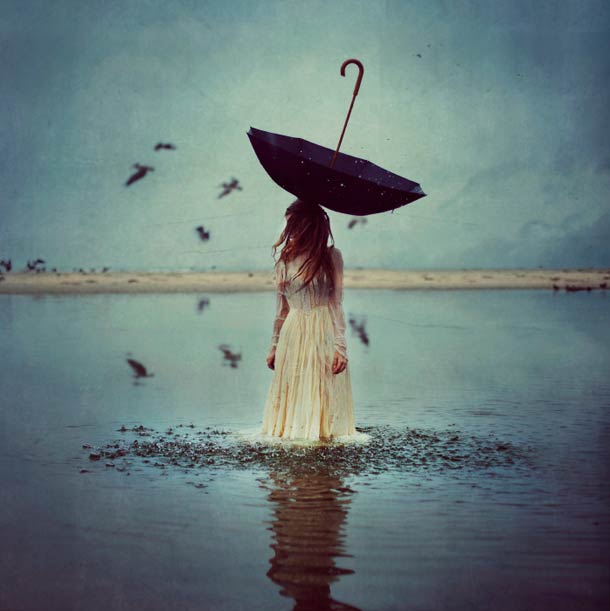
Compare early and later frames for shifts in chroma and body language. Ask what “lost” means in each picture: a missing kingdom, a missing audience, or a missing ordinary self. Fairy-tale visual language—gowns, gestures of reverence, enchanted stillness—meets contemporary fine-art solitude. That collision is the collection’s lasting charge. It lets a familiar storybook silhouette become newly unsettled without needing a caption lecture.
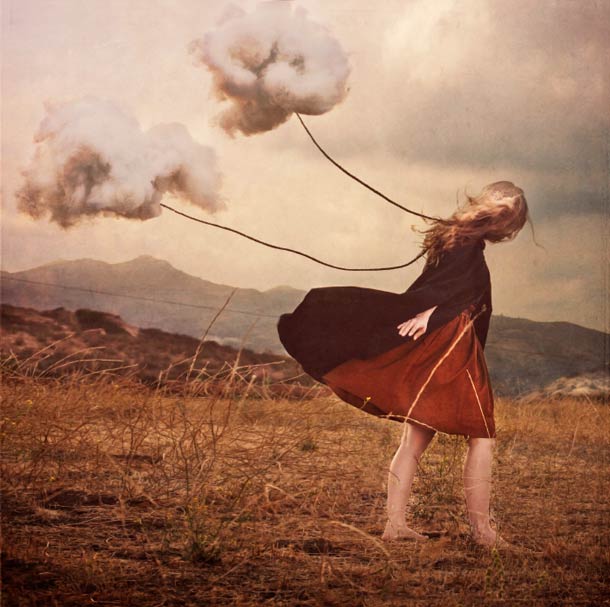
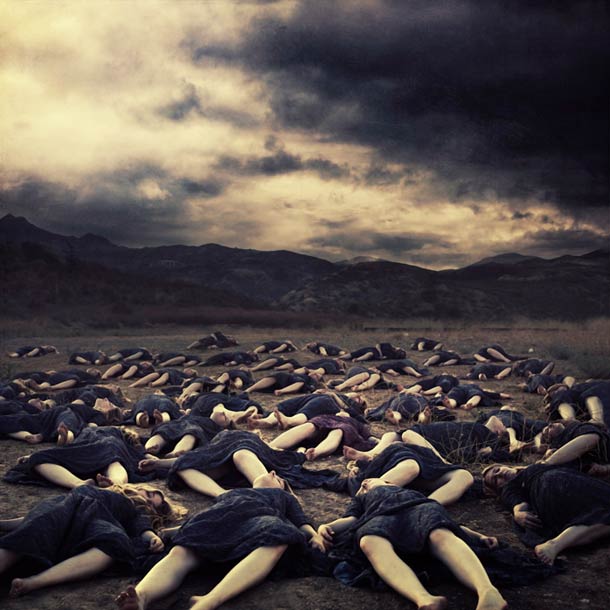
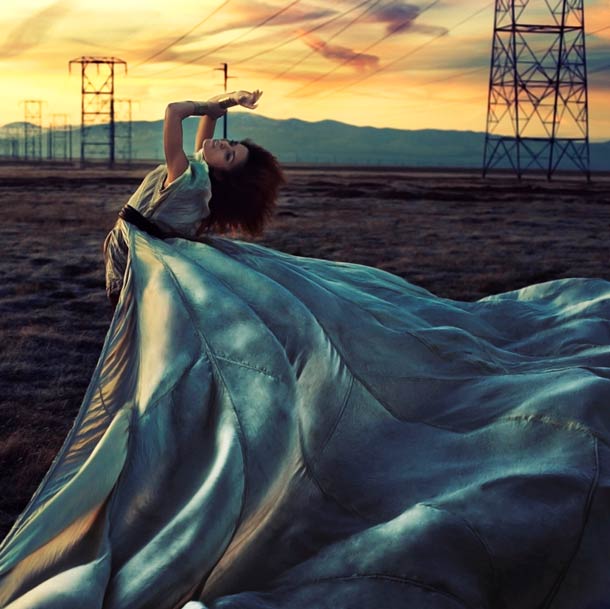
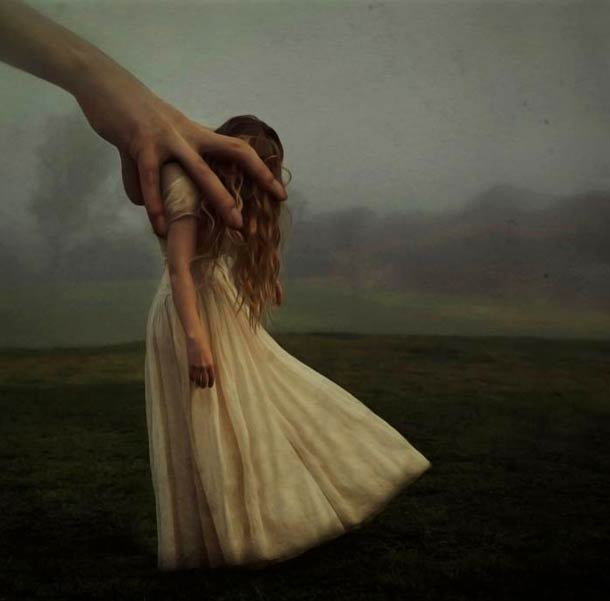
If one image stays with you after the scroll, sit with why. Is it the floating body, the emptied room, the fabric caught mid-motion, or the sense that a story paused one breath before resolution? Those are the questions Lost Princess is built to leave open. For more of Brooke Shaden’s surreal self-portrait worlds beyond this set, her gallery at brookeshaden.com remains the clearest place to continue looking.

Comments
Continue reading
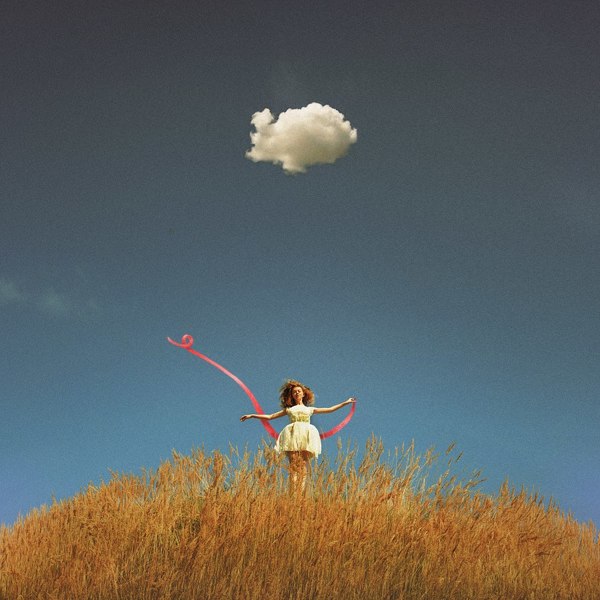
Surreal Photography by Nikita Sergyshkin
Belarusian photographer Nikita Sergyshkin stages dream-logic portraits—fashion-adjacent light, controlled estrangement, and surreal mood without collage monsters.
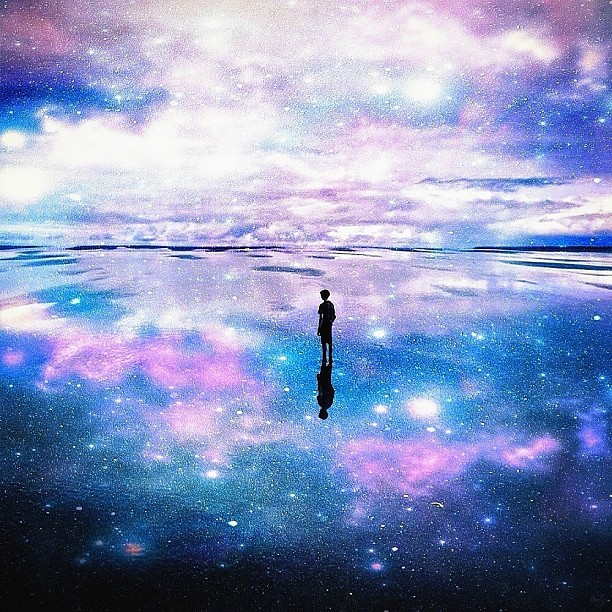
Surreal Worlds by Nois7: Robert Jahns’s Dream Composites
Hamburg artist Robert Jahns—known as Nois7—builds travel photographs into seamless surreal scenes. A look at the mood, craft, and Instagram-era gallery that made his work famous.
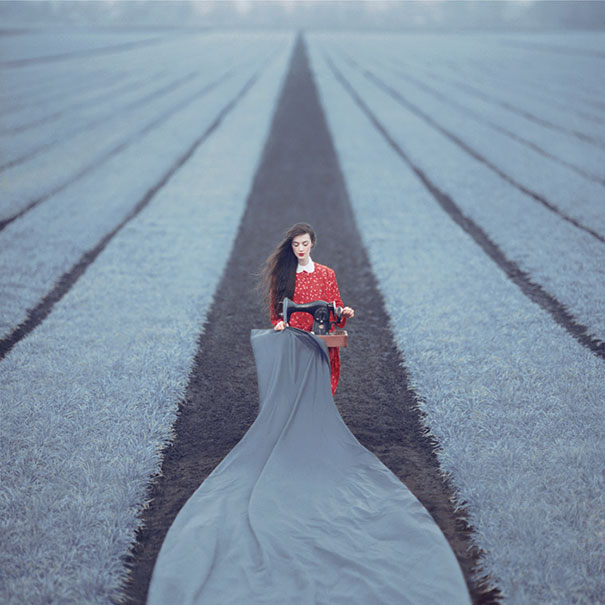
Oleg Oprisco’s Surreal Film Photography on Kiev 6C and Kiev 88 Cameras
Kyiv photographer Oleg Oprisco builds dreamlike conceptual scenes on older Kiev medium-format film cameras—soft color, quiet staging, and surreal mood without the rush of digital spray-and-pray.