
Legally Brunette: From Chestnut to Espresso
A shade guide to brunette hair color—from warm chestnut and caramel through chocolate and mocha to deep espresso—matched to undertone and maintenance.
Brunette is not one color. It is a ladder of browns that runs from sunlit chestnut through chocolate and mocha into near-black espresso. The right rung depends on undertone, eye color, how much maintenance you want, and whether you prefer a soft natural shift or a deliberate fashion depth. This guide maps that range—from chestnut to espresso—so you can talk to a colorist in concrete language instead of pointing at a vague “brown.”
Skip the legal-pun theatrics. The URL may wink, but the useful job of the page is shade literacy: warm versus cool, level versus reflect, and how dimension keeps dark hair from going flat.
Start with undertone, not a celebrity screenshot
Brown pigments read differently on warm, cool, and neutral skin. Warm undertones (golden, peach, olive with yellow) usually bloom with chestnut, caramel, honey, and golden chocolate. Cool undertones (pink, rosy, blue-leaning) often prefer ash brown, cool mocha, or espresso with minimal red. Neutral skin can wear most of the ladder; the decision then becomes lifestyle—how dark, how shiny, how much grow-out you will tolerate.
Eye color is a secondary compass. Hazel and green eyes often catch chestnut and soft copper reflects. Deep brown eyes can handle espresso and dark chocolate without looking washed out. Blue eyes against cool mocha can look crisp; the same eyes against heavy red-brown may feel unexpected, which is fine if that contrast is the point.
Bring three references: one for depth (how light or dark), one for warmth (gold versus ash), and one for pattern (solid, balayage, soft highlights). Screens lie about absolute shade; they are better at showing relative contrast.
Chestnut: the warm middle
Chestnut sits in medium-brown territory with a visible red-gold reflect—the polished shell of a chestnut, not a full auburn. It photographs as healthy and dimensional even when the cut is simple. On warm and neutral skin it adds glow without demanding high-maintenance blonding. On very cool skin it can read as unexpectedly coppery; if that bothers you, ask for a chestnut with the red dialed down, or slide toward neutral chocolate.
Chestnut works well as a full-head shade or as the warm ribbon inside a darker base. Color-melt techniques that blend soft copper into chocolate keep the red from looking painted on. Maintenance is moderate: roots show, but a chestnut close to your natural level grows out more kindly than a hard bleach-and-deposit job.
Caramel and honey: light that belongs on brown
Caramel and honey are not always full-head colors. More often they are the dimension tools brunettes use when a solid medium brown feels flat. Soft caramel balayage, honey face-framing, or fine highlights through a chocolate base mimic the way sun lifts brown hair in summer. They brighten the perimeter of the face without forcing you into a global light brown that needs constant root work.
If your goal is “brighter but still brunette,” ask for warmth placed where light already hits—crown, face frame, mid-lengths—rather than a stripey highlight pattern. The best caramel work still reads brown from across a room; only close up do you see the syrup ribbons.
Chocolate: the default that is not boring
Chocolate brown is the versatile center of the brunette map. Milk chocolate sits lighter and softer; classic chocolate is a true medium-deep; dark chocolate pushes richer without quite reaching espresso. Undertone can swing warm (golden chocolate, caramel chocolate) or cool (ash chocolate, mocha chocolate). That swing is why two “chocolate” swatches on a ring can look unrelated in daylight.
Choose chocolate when you want polish and shine with broad flattery. It is a strong first brunette after years of color experiments because it rarely fights skin the way extreme ash or extreme copper can. For low maintenance, stay near your natural level and use a gloss to deepen or shine rather than a dramatic level jump. For more movement, keep the chocolate base and add caramel or soft chestnut ribbons.
Dark chocolate is especially useful when you want drama without going black. It photographs rich, takes a clear gloss well, and still shows brown when light hits the lengths. Flatness is the enemy here: a single opaque level with no reflect can look like a helmet. Ask for subtle depth—shadow root, soft lowlights, or a glaze with a hint of warm or cool direction—so the color has somewhere for light to travel.
Mocha and ash: cool control
Mocha leans cooler and slightly muted—coffee with a gray-beige quiet rather than a red sparkle. Ash brown pushes that cool further. These shades calm redness in the complexion and suit pink or fair-cool skin that gets overwhelmed by golden formulas. They also rescue brunettes who “turn orange” after box color or after sun exposure on warm dyes.
Cool browns need honest lighting checks. Fluorescent stores and phone flash can make ash look dusty. Look at the test strand near a window. If it goes muddy, you may need a soft neutral rather than a hard ash—or a gloss that adds clarity without dumping gold back in. Maintenance includes color-safe care; cool pigments can fade warmer, so violet or blue-brown depositing conditioners sometimes help, used sparingly.
Espresso: depth on the edge of black
Espresso is concentrated dark brown—near black, but still brown when light rakes across it. It is the shade for people who want maximum depth and a polished, high-contrast look against skin and clothing. On deep complexions it can look luminous; on very fair cool skin it can be striking if the undertone stays clean; on warm fair skin it may need a whisper of soft reflect so the face does not look stark.
Espresso fails when it is only “dark.” Without shine or a microscopic warm/cool decision, it reads flat and heavy. A gloss, a precise toner, or barely-there dimension at the face keeps it alive. Grow-out is obvious if your natural color is much lighter, so plan root schedules or a soft shadow root from the first appointment.
Espresso also changes how makeup and wardrobe land. Deep brunette often supports stronger lip and brow definitions; soft pastels can either glow in contrast or get lost—test before you commit to a seasonal wardrobe shift based only on a salon chair selfie.
Mahogany, cherry cola, and controlled red-brown
Between chestnut and fashion color sit mahogany and cherry-cola reflects: brown bases with visible burgundy or red that show in almost any light. They are still brunette families, not scarlet dye jobs, but they are louder than classic chocolate. Choose them when you want seasonal drama or when hazel and green eyes should catch a warmer flash. Skip them if your brief is “invisible natural brown.”
Red-brown fades faster than neutral brown. Budget for gloss appointments and cooler water washes. If you love the idea but fear the commit, try a demi-permanent glaze over chocolate first.
Matching shade to lifestyle
- Lowest maintenance: Dark chocolate or espresso close to your natural level; optional balayage that grows out softly.
- More shine, little change: Glossy dark chocolate or espresso toner over existing brown.
- More dimension: Chocolate or mocha base with caramel, honey, or soft chestnut ribbons.
- Warm glow: Chestnut, golden chocolate, caramel balayage.
- Cool polish: Ash brown, cool mocha, clean espresso.
- First-time committed brunette after lightening: Soft milk chocolate or neutral medium brown before jumping to espresso.
Talking to your colorist
Use level language if you can: lighter browns around the mid levels, classic chocolate in the middle, espresso near the darkest browns above black. Pair level with undertone words—golden, neutral, ash, red-brown. Mention porosity and previous color; previously lightened hair takes brown differently than virgin hair and may need a filler step so the result does not go hollow or green-leaning.
Ask what the grow-out will look like in six weeks, not only what the bowl color is today. Ask whether the formula is permanent, demi, or gloss. Permanent gives staying power and gray coverage; demi and gloss are kinder rehearsal tools. None of this requires a branded product sermon—just clarity about process.
Keeping brunette color looking expensive
Brown shows dullness quickly. Use sulfate-conscious cleansers when possible, cool-to-lukewarm rinses, and occasional glosses to restore reflect. UV and pool chemistry strip warmth and clarity; a hat and a rinse after swimming help more than any single shampoo claim. If your espresso turns dusty or your chestnut turns brassy, a targeted toner appointment usually beats another full-head permanent dump of pigment.
Cut matters too. Blunt dark lengths can look heavier; long layers and a thoughtful face frame help chocolate and espresso move. Chestnut and caramel reward texture because the warm reflect needs surfaces to catch light.
From chestnut’s red-gold middle to espresso’s near-black polish, brunette works when depth and undertone are chosen on purpose. Pick the rung that matches your skin and your calendar, keep enough dimension for light to travel, and treat “brown” as a spectrum you can name—not a single anonymous box.

Comments
Continue reading
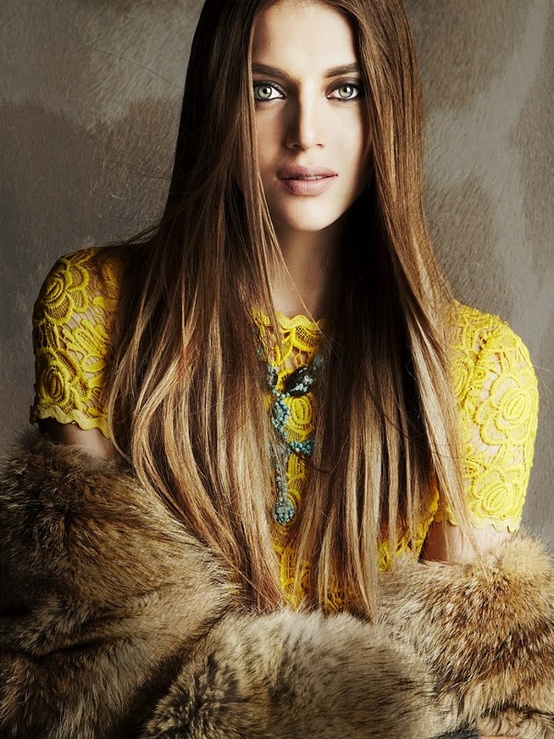
Red, Dark, and Blonde Ombre Hair Styles
A style guide to ombre gradients—dark bases, blonde fades, and red-copper melts—with gallery examples, contrast tips, and a clear salon brief.
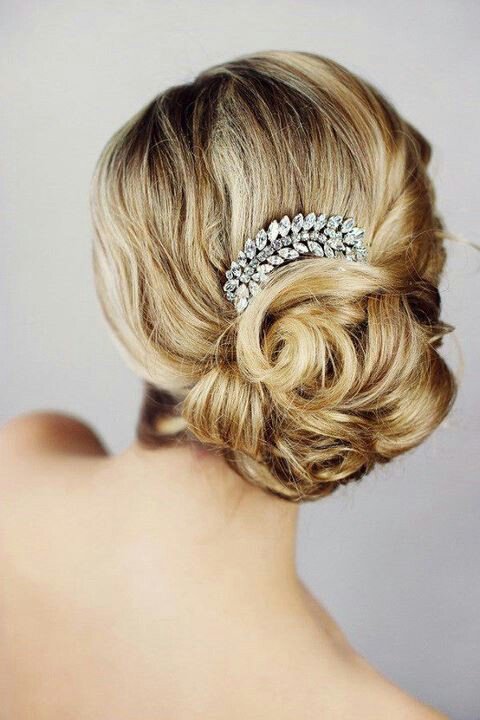
Very French Chignon: Hairstyle Examples and How-To
What makes a chignon French—nape placement, classic shapes, and a practical guide to sleek, braided, and messy summer versions.
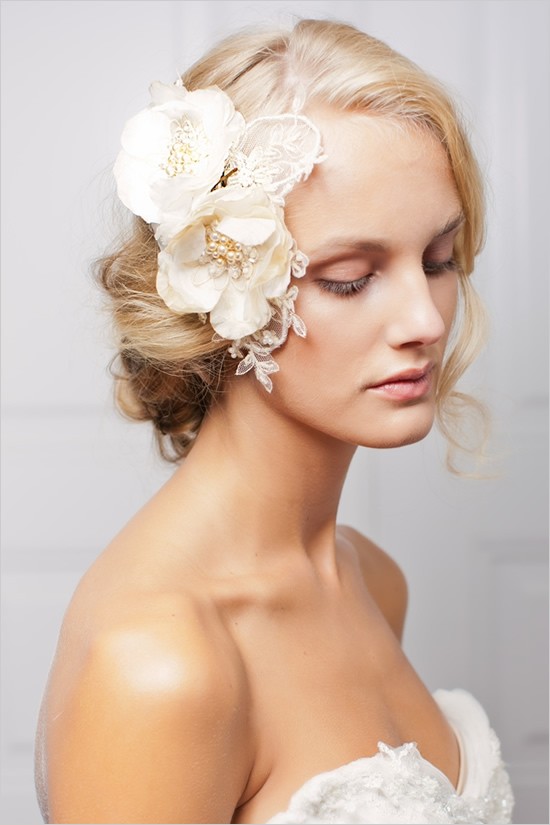
Wedding Hair Ideas That Last the Day
Updos, waves, braids, and veil placement—bridal hair inspiration paired with dress, venue, and trial checklist criteria so the style survives ceremony to dance floor.