
Javier Bardem on GQ’s October 2012 Style Playbook Cover
A historical look at Javier Bardem’s GQ October 2012 Style Playbook cover—menswear portraits timed to Skyfall, with the Madrid profile behind the fashion frames.
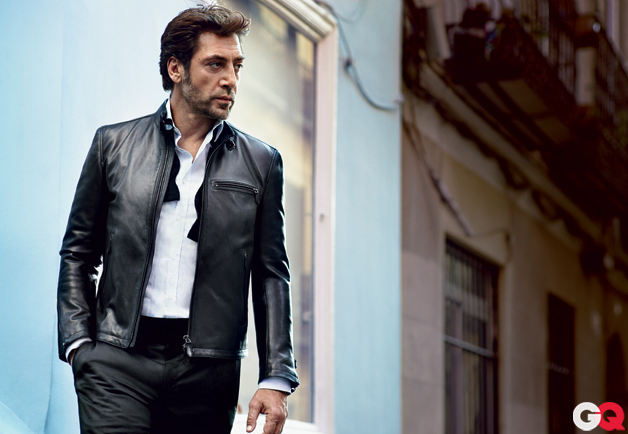
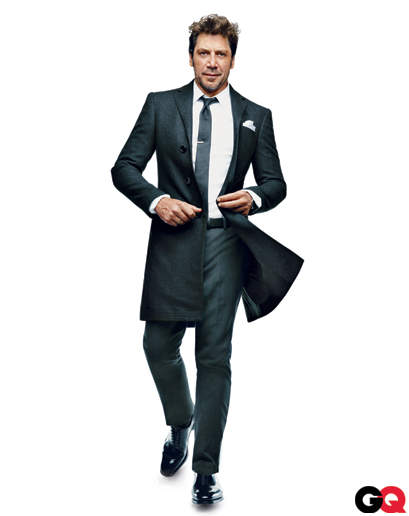
In autumn 2012, GQ put Javier Bardem on an alternate cover of its October Style Playbook issue—a portrait package timed to the approaching release of Skyfall and to a career that had already made him one of the most closely watched Spanish actors of his generation. The images that circulated with the feature were not red-carpet snapshots. They were magazine constructions: tailored clothes, controlled light, and a face the camera treats as both subject and instrument. Looking back from a distance, the cover reads as a historical fashion editorial moment rather than a news flash—Bardem at mid-career, framed by menswear photography just as a new Bond villain was about to enter the public imagination.
That timing mattered. By September 2012, trailers had already revealed Bardem as Raoul Silva, blond and unsettling, a casting that surprised viewers who still associated him most strongly with Anton Chigurh in No Country for Old Men. GQ’s package sat in the gap between anticipation and premiere. It let readers study the actor as a style figure while the industry studied him as a threat to James Bond. The photographs here preserve that pause: polished, theatrical, and deliberately still.
Why this GQ cover landed when it did
Bardem’s public profile in 2012 rested on a particular mix of seriousness and glamour. An Academy Award for the Coen brothers’ film had established him with English-language audiences as a specialist in dangerous quiet. Spanish cinema and theater roots, a working relationship with directors who demand obsessive preparation, and a private life that included marriage to Penélope Cruz kept gossip columns interested without turning him into a purely tabloid presence. A men’s magazine cover is a different machine from a film still. It asks the subject to wear clothes as narrative—suits, shirts, coats—and to hold a gaze that sells the issue as much as the interview.
GQ’s October 2012 Style Playbook was built for that kind of packaging. Alternate covers were part of the era’s newsstand strategy: different faces for different racks, shared editorial DNA inside. Bardem’s version emphasized continental presence—dark hair, sharp tailoring, poses that feel closer to European cinema posters than to American action-hero flex. The gallery that accompanied online and print discussion showed him in variations of that register: formal, slightly severe, sometimes almost sculptural against plain or softly lit backdrops.
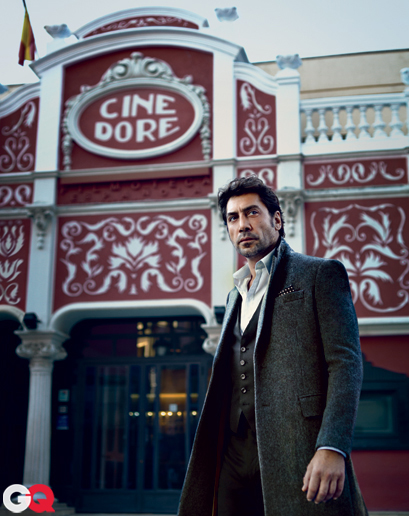
The interview that ran with the cover, by Michael Paterniti, placed Bardem in Madrid at the end of a blistering July, against a backdrop of Spanish austerity protests and bank-bailout politics. That context is easy to forget when scrolling cropped fashion frames years later, but it sharpened the profile’s tone. Bardem appeared not only as a Hollywood export but as a Spaniard briefly home—seeing family, walking with his brother Carlos in protest, then preparing to re-enter the machinery of international production. The magazine used fashion photography to sell the issue; the prose used politics and craft to sell the man.
Style Playbook portraiture, not paparazzi
Fashion covers from this period reward slow looking. Notice how often Bardem’s hands, shoulders, and collar lines do as much storytelling as his expression. Menswear photography in the early 2010s favored clean silhouettes and controlled swagger: jackets that sit correctly, shirts that refuse casual collapse, lighting that carves cheekbones without turning the face into a caricature. Bardem’s features—strong nose, heavy brow, a mouth that can look either tender or severe—give a photographer plenty of architecture. The GQ frames exploit that architecture without parodying it.
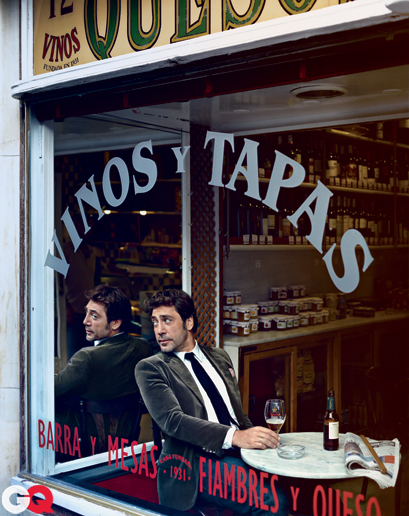
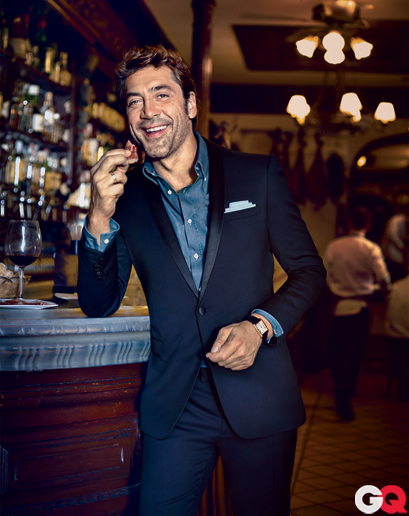
Compare these images with the Skyfall publicity stills that were circulating in the same season and the difference is instructive. Bond marketing sold transformation—bleached hair, prosthetic menace, a villain designed to look wrong in the best way. GQ sold continuity: Bardem as a recognizable leading man who could still wear a suit as if it belonged to him. Magazines need both stories. One sells tickets; the other sells the idea that the actor remains glamorous even when the character is grotesque.
That split is useful for anyone studying celebrity fashion history. A cover is never only about clothes. It is about which version of a person a publication chooses to stabilize for a month. In October 2012, GQ stabilized Bardem as elegance under pressure—European, adult, slightly haunted, ready for the autumn awards-and-blockbuster calendar.
What the interview added to the pictures
Readers who only saw the photographs missed the profile’s more revealing turns. Bardem talked about not enjoying watching himself on screen—the nose, the voice, the eyes becoming alien once performance ends—while insisting that something larger than vanity drives the work in the moment. He described being raised without fear of emotion or imagination, and he pushed back against narrow definitions of masculinity: male and female values in the same body, a refusal of the empty command to “be a man.” He spoke of marriage and fatherhood as a kind of peace, and of gratitude for being loved, even while framing belief in his own skeptical, Pacino-tinged way.
Director Sam Mendes, quoted in coverage around the feature, underlined Bardem’s obsessiveness on Skyfall: translating Bond lines into Spanish, feeling them, shaping them, translating them back into English until every mark of punctuation seemed considered. That anecdote fits the cover’s intensity. Fashion photography often flatters; Bardem’s public method suggests a man who would rather dig than float. The Style Playbook images look calm because the work behind them—and behind the film they advertised—was not.
He also remained selective. Stories around the interview recalled him turning down Steven Spielberg’s Minority Report years earlier with a dry self-assessment about not seeing himself running on roofs. The joke lands because it is also a craft boundary: Bardem’s reputation rests on characters who occupy psychological space, not only kinetic spectacle. Silva in Skyfall would prove he could do both—physical threat and psychological theater—but the GQ cover still markets the actor who chooses carefully.
How to read this gallery now
Treat the set as an early-2010s menswear time capsule and as a pre-Skyfall document. Ask what GQ needed from Bardem in late 2012: authority, romance, European cool, and enough danger to make the Bond connection feel earned without spoiling Silva’s look. Then ask what the photographs withhold. There is little of the bleached villain here. There is plenty of the man who could play him.
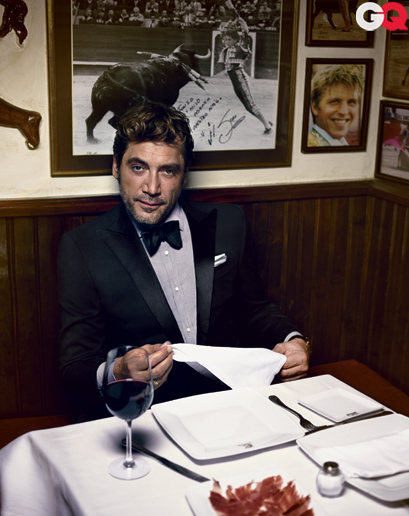
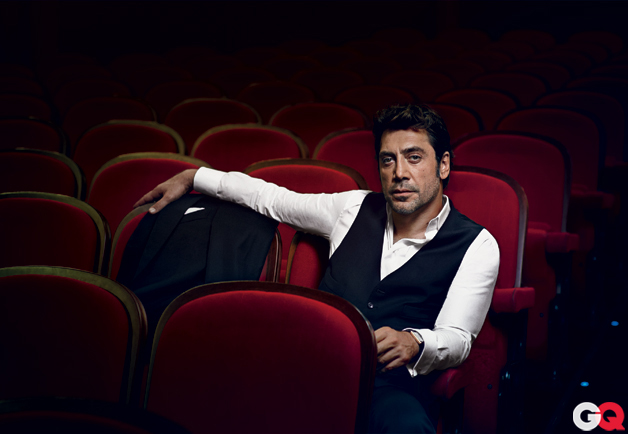
Practical viewing notes for the frames above:
- Silhouette first: Jacket shoulder and collar lines set the mood before facial expression does.
- Gaze as product: Magazine covers sell eye contact; Bardem’s is direct without becoming a grin.
- Costume vs. character: These clothes advertise Bardem; Silva’s wardrobe advertised a fiction. Keep the two files separate in your head.
- Seasonal context: Autumn Style Playbook energy—structured fabrics, serious palette, “grown man” glamour rather than summer casual.
- Historical distance: The feature belongs to 2012’s newsstand economy, when print covers still functioned as event objects for film seasons.
If you came here for the cover alone, stay for that tension between polished menswear and the darker film it helped introduce. Bardem’s GQ moment is a reminder that celebrity photography often works hardest in the weeks before a premiere, when the public face must look inevitable and the character must still feel like a secret.

Comments
Continue reading
Celebrity Bob Haircuts: Curly, Choppy, and Autumn-Ready
A look at the bob’s 2012-era celebrity run—texture, length, and finish—through a gallery of cuts that still read as deliberate.
Lana Del Rey, GQ Woman of the Year (2012)
British GQ named Lana Del Rey Woman of the Year for its October 2012 issue—a cultural snapshot of Born to Die fame, awards-night glamour, and cover controversy.
Funny Animal Signs That Warn People (While Animals Ignore Them)
From a seagull on a no-birds disc to classic zoo and park ironies—why animal warning signs get funny, and what the rules are still for.