
Lana Del Rey, GQ Woman of the Year (2012)
British GQ named Lana Del Rey Woman of the Year for its October 2012 issue—a cultural snapshot of Born to Die fame, awards-night glamour, and cover controversy.
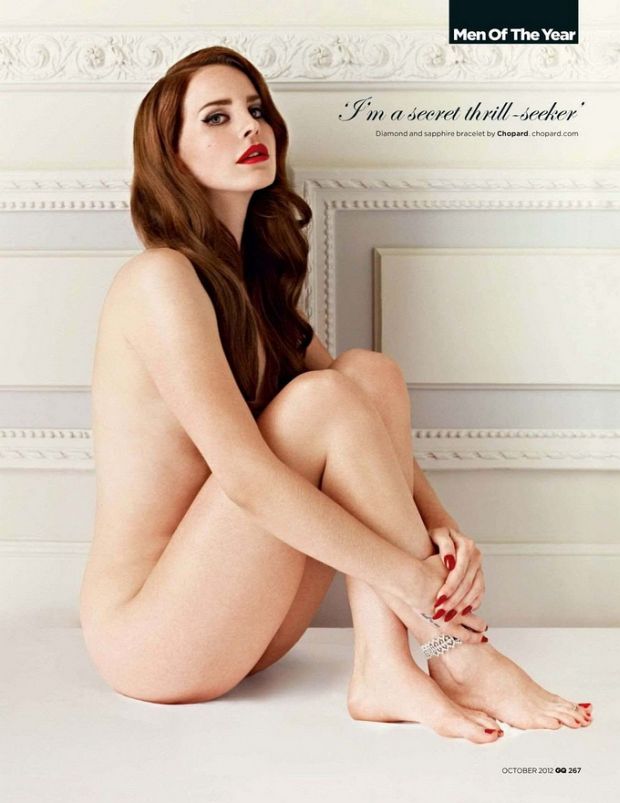
In September 2012, British GQ named Lana Del Rey its Woman of the Year—an honor timed to the magazine’s Men of the Year awards at London’s Royal Opera House and to the October 2012 issue that put her on the cover. The title sat at a strange intersection: peer recognition for songwriting (she had just taken an Ivor Novello for “Video Games”), mainstream glamour, and a cultural argument already raging about authenticity, femininity, and how pop stars are allowed to look and sound.
What follows is not a career retrospective through every later album, and not a gossip roundup. It is a look at why a still-new artist, only months past the Born to Die era’s fiercest scrutiny, became the face of a men’s magazine’s annual “woman” prize, and what that choice said about 2012’s taste for melancholy Americana filtered through European editorial style.
The 2012 frame: awards night and October newsstands
GQ’s Men of the Year ceremony, held 4 September 2012, mixed Olympians, actors, chefs, and musicians into one glossy evening. Del Rey accepted Woman of the Year in a floor-length cream Wayne Cooper gown, clutch by Salvatore Ferragamo—an image of classic red-carpet restraint that sat beside a far more debated magazine cover. Photographer Mariano Vivanco’s shoot for the October issue placed her nude among suited male honorees, a composition that sparked immediate criticism about unequal presentation and about how “woman of the year” can still be framed through a male gaze.
Those two images—dressed award-night elegance and the cover controversy—belong to the same cultural package. Ignoring either flattens the story. Treating the cover as the only story turns a complex debut year into a single scandal headline. A fairer reading holds both: an artist being celebrated for writing and presence, and a media machine that still struggled to honor women without sexualizing the honor.
The issue hit newsstands around 6 September 2012. Inside, Del Rey spoke about reinvention, early sobriety, fans, and critics—material that matched the year’s obsession with whether Lizzy Grant’s transformation into Lana Del Rey was “real.” GQ’s interview sat in a crowded field of profiles that either defended her as a stylized storyteller or dismissed her as a manufactured persona. The Woman of the Year title did not settle that debate. It amplified it.
Why the title landed on her
By autumn 2012, Del Rey was no longer an underground Tumblr rumor. “Video Games” had become a slow-burn international hit; Born to Die had turned cinematic sadness into chart language; live performances and talk-show appearances had been dissected frame by frame. Admirers heard cinematic longing and classic-Hollywood melancholy. Detractors heard affectation. Both camps agreed she was impossible to ignore.
Magazine “of the year” prizes rarely measure pure sales or pure critical consensus. They measure cultural heat—the sense that someone has rewritten the season’s mood. Del Rey’s mood was specific: vintage Americana, doomed romance, lipstick and cigarette-smoke glamour, and a voice that treated pop like a noir score. British GQ, which has long mixed fashion, music, and men’s lifestyle, found in her a figure who looked editorial even when she was being attacked for looking too editorial.
There is also a quieter craft reason. The Ivor Novello recognition for “Video Games” mattered because it came from songwriters, not only from fashion desks. When Del Rey thanked people for acknowledging the material she wrote, she was pushing back against the year’s ugliest talking point: that she was merely a face and a marketing plan. Woman of the Year, coming in the same week, functioned as a second kind of affirmation—public, glamorous, imperfect, but pointed toward authorship as well as image.
Style as argument, not costume checklist
Del Rey’s 2012 visual language—old Hollywood hair, soft makeup, mid-century references, a studied stillness in photographs—was easy to parody and hard to copy well. Fashion editors loved the clarity of the silhouette. Online critics called it cosplay. Both reactions missed a useful middle: she was using costume the way a filmmaker uses production design, building a consistent emotional world rather than chasing every micro-trend.
That is one reason the GQ package felt inevitable even to people who disliked it. Her look already spoke the language of magazine photography. She photographed like a character from a film still, which is exactly how many 2012 covers wanted women to read—iconic, framed, slightly unreal. The respectful question is not whether that look was “authentic,” but whether an artist should be allowed to choose artifice as her medium. Del Rey’s answer, consistently, was yes.
On awards night, the cream gown and restrained jewelry offered a counter-image to the cover debate: a singer presenting herself as guest of honor rather than as cover provocation. Fashion coverage leaned into that contrast. Style files tracked the dress and clutch; commentary tracked the politics of the nude cover. Together they sketched a familiar double bind—be glamorous enough for the prize, then be judged for how glamour is photographed.
Reading the controversy without turning it into spectacle
The cover criticism was not invented out of nowhere. Placing a nude woman beside clothed men on a shared “honors” cover raises fair questions about dignity, equality, and who the image is for. It is also true that some artists choose provocative work and that consent and agency matter in how we talk about those choices. A respectful frame holds both truths: structural critique of magazine conventions, and refusal to reduce Del Rey to a body on newsprint.
What aged poorly from 2012 was less the existence of debate than the cruelty of parts of it—the pile-ons about her live voice, the purity tests about biography, the insistence that melancholy femininity must be either totally sincere or totally fake. Woman of the Year arrived inside that weather. The award did not make her universally beloved. It marked that the establishment had decided she was not a passing meme.
For readers looking back, the useful takeaway is cultural, not tabloid. 2012 was a hinge year for internet-era fame: blogs, early social media, and glossy print still shared the same subject, and they fought over who got to define her. GQ’s title was one institution’s vote. Fans cast others. History has since complicated every side of the argument as her catalog deepened and the first-wave panic cooled.
What the phrase “Woman of the Year” meant here
In GQ’s usage, Woman of the Year is not a political office or a humanitarian ranking. It is a cultural spotlight—often given to someone whose work and image dominated conversation that year. Understanding that limited scope prevents overclaiming. Del Rey was not being crowned the most important woman alive; she was being named the magazine’s emblem of feminine cultural force for that cycle.
That narrower meaning still carries weight. Magazines mint symbols. Once someone is cast as “the woman” of a men’s awards night, her silhouette enters a different archive—next to actors, athletes, and designers who define a season’s mood board. For an artist whose songs already treated American myth as costume drama, the fit was almost too on-the-nose: she became a myth inside a myth-making machine.
Compare neighboring 2012 winners on the same night—Team GB as Team of the Year, Gary Barlow for Outstanding Achievement, Michael Fassbender for Actor of the Year—and you see the ecosystem. Del Rey’s prize sat among establishment names, which is precisely why it irritated some observers and delighted others. Inclusion can look like co-option or like arrival, depending on where you stand.
How to watch the moment now
If you revisit the October 2012 GQ package and the awards-night photos today, try separating three layers. First, the music: “Video Games,” Born to Die, and the slow cinematic register that made her famous. Second, the fashion and photography: Vivanco’s cover, the editorial portraits, the cream gown on the Royal Opera House carpet. Third, the media weather: authenticity wars, gendered cover politics, and the hunger for a new tragic-glamour archetype.
Those layers still speak to each other. The songs explain why editors cared. The images explain why the care became controversy. The weather explains why every sentence about her in 2012 felt louder than it needed to. Woman of the Year is a useful caption for that cluster—not because a trophy settles an artist’s value, but because it freezes a precise date when underground melancholy met mainstream gloss.
Keep the portrait above in that context: a still from a year when Del Rey’s face was already a magazine language, and when British GQ decided that language deserved its annual title. Whether you loved the choice or argued with it, the argument itself is part of the cultural record—proof that in late 2012, one singer’s carefully built world had become impossible for the glossies to look past.

Comments
Continue reading
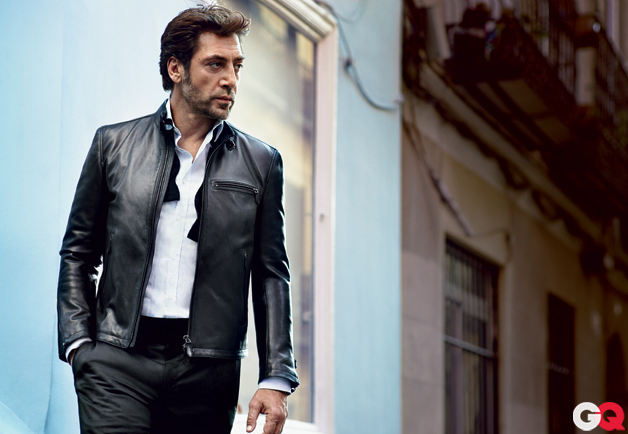
Javier Bardem on GQ’s October 2012 Style Playbook Cover
A historical look at Javier Bardem’s GQ October 2012 Style Playbook cover—menswear portraits timed to Skyfall, with the Madrid profile behind the fashion frames.
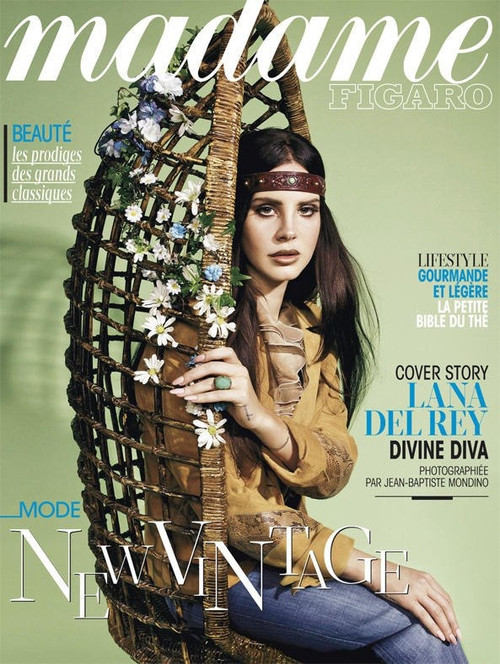
Lana Del Rey for Madame Figaro, January 2013
Jean-Baptiste Mondino’s Paris haute-hippie cover package for Madame Figaro’s January 2013 issue—suede, bronze light, and French weekly glamour.
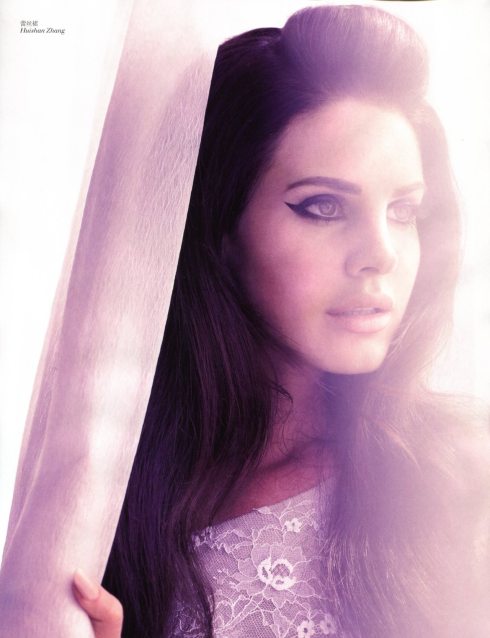
Lana Del Rey for Vogue China: Say Goodbye to the Wonderland
Wee Khim and Grace Lam’s ethereal January 2013 Vogue China story—soft waves, cat eyes, and dreamlike fashion far from French weekly bronze.