
Autumn Wreaths to Beautify Your Home: DIY Ideas and Placement Tips
Fall wreath styles, materials, assembly tips, color recipes, and where to hang them—practical DIY and décor guidance for autumn doors and interiors.
An autumn wreath on the door does a simple job well: it tells visitors the season has arrived, and it gives the house a focal point before anyone steps inside. Fall wreaths work because the materials already look abundant—dried leaves, berries, wheat, pinecones, ribbon in deeper colors—and because a circle is an easy shape to dress without needing advanced craft skills.
You can buy a finished wreath, build one from a plain form, or refresh last year’s base with new accents. The ideas below cover materials, styles, placement, and care so the wreath beautifies the home instead of shedding across the entry for three weeks and then looking tired.
Why wreaths suit autumn so well
Spring wreaths often rely on fresh flowers that fade quickly. Winter wreaths lean on evergreens and sparkle. Autumn sits in between: dried and preserved materials look intentional, not half-dead. Color range is wide—russet, gold, burgundy, cream, deep green—and texture does as much work as hue.
A wreath also scales to different homes. On an apartment door, a smaller grapevine circle with a few leaf clusters is enough. On a wide porch, a fuller arrangement with wheat and ribbon can hold visual weight. Either way, the form is familiar, which makes even a handmade version feel finished.
Choose a base
Most DIY autumn wreaths start with one of these bases:
- Grapevine: rustic, lightweight, easy to tuck stems into the natural gaps.
- Wire frame: good for moss, ribbon wraps, or denser floral foam accents.
- Straw or foam ring: holds picks securely; useful for heavier clusters.
- Embroidery hoop or wood ring: modern minimal look if you prefer sparse design.
Grapevine is the friendliest for beginners because you can weave and nestle without perfect symmetry. If you want a cleaner circle, wrap a foam ring in burlap or wide ribbon first, then add decorations on top.
Materials with autumn character
Gather a mix of “structure” and “sparkle.” Structure pieces create bulk and shape; sparkle pieces catch the eye up close.
Structure ideas:
- Dried oak, maple, or eucalyptus leaves (real or quality faux)
- Wheat, barley, or dried grasses
- Twigs and small branches
- Moss for filling gaps
- Pinecones in mixed sizes
Accent ideas:
- Berry clusters (faux usually lasts longer outdoors)
- Mini pumpkins or gourds (lightweight foam versions for doors)
- Seed pods and lotus pods
- Cinnamon sticks or dried orange slices for fragrance indoors
- Ribbon in velvet, plaid, burlap, or grosgrain
If you forage real leaves, press or dry them first so they do not curl into crumbs on day two. For outdoor doors in rain or wind, faux foliage and wired picks survive better than delicate real leaves.
Five wreath styles to try
1. Classic leaf ring
Cover a grapevine base with overlapping leaf clusters in two or three colors. Keep the outer edge irregular so it feels natural. Add a simple ribbon bow at the bottom or top. This is the most recognizable autumn door look and the easiest to customize with what you already have.
2. Wheat and berry harvest
Bundle wheat stalks and attach them in a crescent on one side of the wreath, leaving some vine exposed. Tuck berry stems into the wheat. The asymmetry looks intentional and photographs well. This style suits farmhouse and cottage entries.
3. Pinecone abundance
Hot-glue or wire pinecones around a sturdy base, mixing sizes. Fill gaps with moss. Optional: lightly dry-brush cone tips with metallic or cream paint for depth. Heavy, so use a strong hanger and a door that can take the weight.
4. Minimal modern circle
Leave most of a wood or metal ring bare. Cluster leaves, one small pumpkin, and a linen ribbon at the lower left or right. Negative space is the design. Ideal for contemporary interiors and for people who dislike busy décor.
5. Scented kitchen wreath
For indoor use, build on a small grapevine with dried orange slices, cinnamon sticks, bay leaves, and a cotton ribbon. Hang in the kitchen or pantry where fragrance makes sense. Avoid direct stovetop heat and strong sunlight that fades dried fruit.
How to assemble without frustration
Work in layers. Attach larger structural pieces first, then mid-size clusters, then tiny accents and ribbon. Step back every few minutes. Wreaths are judged from several feet away; detail that looks sparse on the table often looks right on the door.
Use floral wire for anything that must survive wind. Hot glue is fine for indoor wreaths and for securing pinecones, but wire is more trustworthy outdoors. If using picks with long stems, wrap them into the grapevine rather than relying on glue alone.
Keep a “front.” Decide which side faces out and build depth there. The back can stay flatter so the wreath hangs flush. Add a sturdy loop of wire or ribbon at the top before you finish decorating, so you are not crushing leaves while hunting for a hang point later.
Color recipes
- Warm traditional: orange, rust, gold, brown, natural vine.
- Moody autumn: burgundy, plum, blackened greenery, brass accents.
- Soft harvest: cream, blush, pale gold, bleached wood, white pumpkin accents.
- Forest: deep green, pinecone brown, berry red, minimal orange.
Pick one recipe and stay inside it. Mixed every-color wreaths can look busy unless you are deliberately maximal. Ribbon should echo one color already in the foliage so it ties the circle together.
Where to hang beyond the front door
Doors get the attention, but wreaths also work:
- Above a mantel as a soft alternative to a heavy garland
- On a kitchen wall or pantry door
- In a bedroom above a dresser for a seasonal nod
- On garden gates or shed doors if materials are weather-tolerant
- As a table centerpiece laid flat around a candle (keep flame safety in mind)
Scale matters. A huge wreath in a narrow hallway overwhelms. A tiny wreath on a wide double door looks lost. Measure the door or wall space first; many entry doors look balanced with a wreath roughly one-third to one-half the door width.
Care and storage
Shake gently outdoors after windy days. Spot-clean dust with a soft brush. If using real dried materials indoors, expect some shedding; place a small mat or be willing to sweep. Keep wreaths out of hard rain when possible, or choose faux materials for exposed porches.
At season’s end, photograph the wreath before dismantling if you want to recreate it. Store in a large box or wreath bag in a dry place. Remove fragile dried fruit that can mold. Save the base and wire; replace leaves next year for a fresh look without starting from zero.
Budget paths
Low cost: grapevine base, foraged pinecones, thrift-store ribbon, leaves from the yard (dried properly). Mid cost: quality faux stems and berry picks that last multiple seasons. Higher cost: designer or florist wreaths when you want zero assembly time.
Refreshing an old wreath is often smarter than buying new. Strip last year’s faded pieces, keep the base, and add two or three new clusters in this year’s color recipe. Guests notice freshness more than total reinvention.
Hang the wreath where you will see it when you come home. The point of beautifying the house for autumn is not only curb appeal—it is the small daily reminder that the season is here, the light is changing, and the threshold got a little more intentional for a while.

Comments
Continue reading
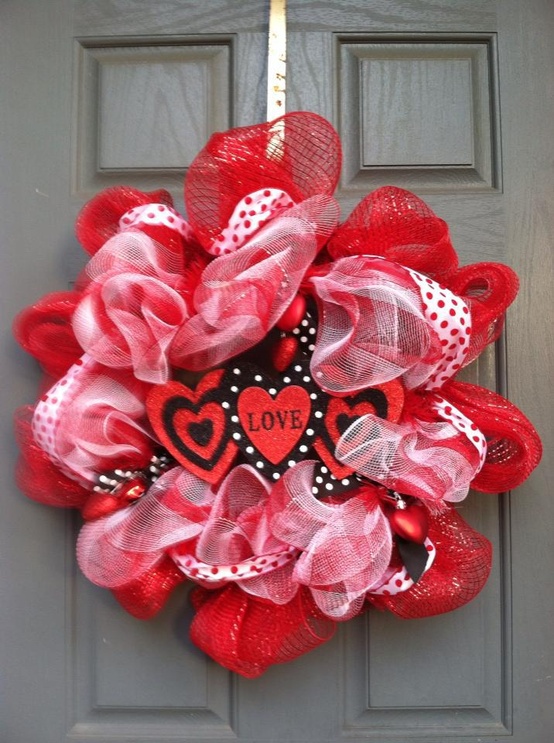
15 Lovely DIY Valentine’s Day Wreaths You Can Make at Home
Fifteen approachable DIY Valentine’s wreaths—felt roses, yarn ombré, paper hearts, dried florals, and more—with materials tips and hanging advice for doors and walls.
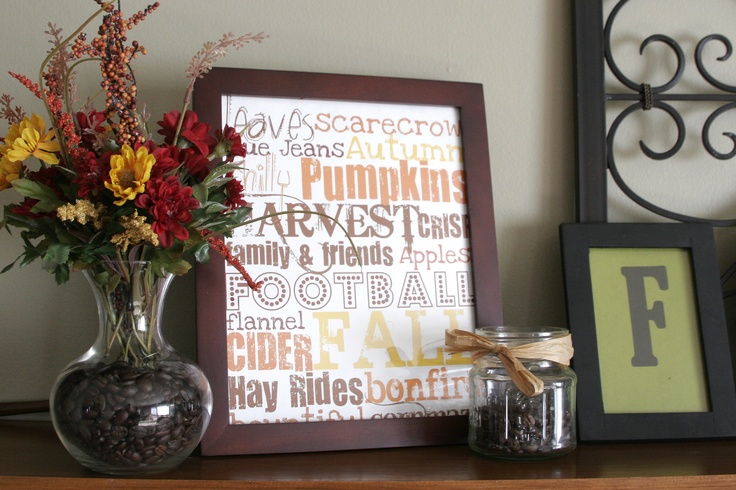
Fall Mantel Decor Ideas with Pumpkins, Candles, and Leaves
Style a fireplace or buffet mantel for autumn with pumpkins, nuts, candles, and foliage—height, color lanes, and a short checklist for small or long shelves.
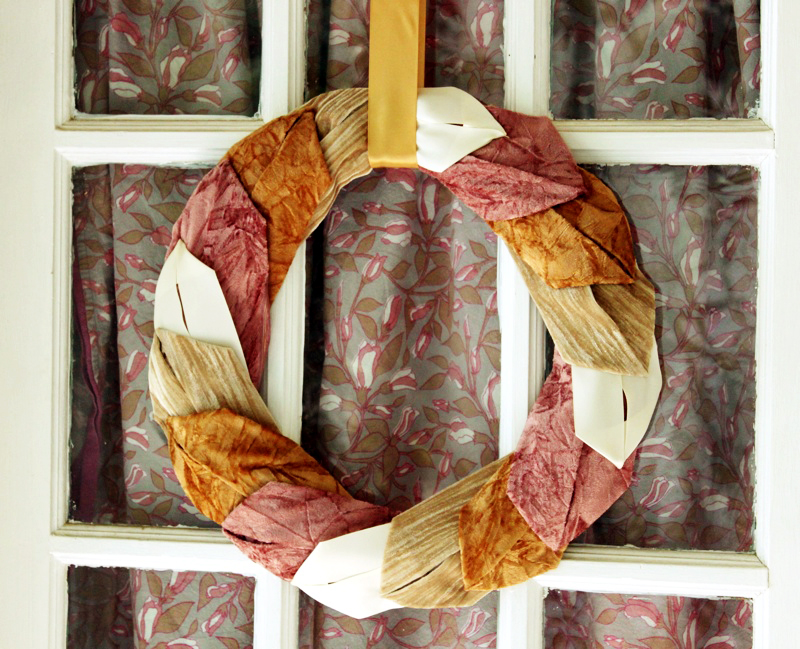
14 DIY Autumn Wreath Tutorials for Fall Doors and Entries
Fourteen autumn wreath projects—yarn argyle, burlap, magnolia, felt leaves, cork, foraged finds, and more—with materials and steps for each.