
Fall Mantel Decor Ideas with Pumpkins, Candles, and Leaves
Style a fireplace or buffet mantel for autumn with pumpkins, nuts, candles, and foliage—height, color lanes, and a short checklist for small or long shelves.
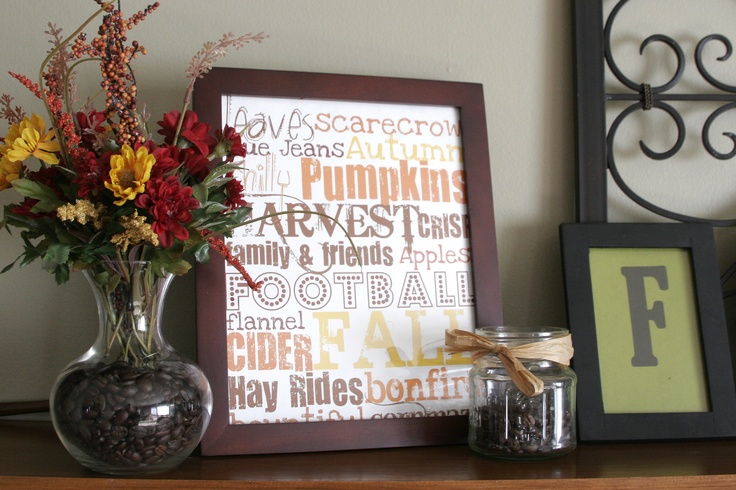
Fall is when many homes want a softer, slower atmosphere: cooler light at the windows, earlier evenings, and rooms that feel gathered rather than aired out for summer. Along with the front porch, the mantel is often the first interior ledge people redecorate for the season. Whether the shelf above your fireplace—or the long surface over a buffet standing in for one—is wide or narrow, autumn gives it an easy brief. Pumpkins, nuts, chestnuts, candles, flowers, and leaves can turn that horizontal line into a small landscape of harvest textures.
This page is a visual idea board for that job, not a shopping list and not a photography how-to. The photographs collected here show different densities and palettes, from sparse candle rows to fuller arrangements crowded with gourds and foliage. Use them as references for proportion, color temperature, and how much emptiness to leave. Fall mantel decor does not require a matching retail set. It requires a few honest seasonal materials and a decision about height, rhythm, and light.
Why the mantel suits autumn so well
A mantel is a natural stage. It sits at eye level, often centered on a wall people already face when they enter a room, and it offers a clear baseline for arranging objects of different heights. In fall, that baseline loves contrast: round pumpkins against vertical candlesticks, dull nut browns against a bright leaf, soft dried flowers against hard ceramic or wood. The season’s familiar melancholy—the sweet, slightly wistful quality people associate with shorter days—reads clearly in warm low light and matte natural surfaces.
Unlike a full dining tablescape, a mantel can stay decorative without interrupting daily life. You are not setting place cards or clearing plates. You are composing a still life that can survive weeknight clutter elsewhere in the room. That makes autumn mantels forgiving. A lopsided pumpkin still looks intentional. A candle burned halfway down can look lived-in rather than unfinished. A trailing bit of greenery that is not perfectly symmetrical often looks more collected than a showroom mirror image.
The mantel also bridges porch and parlor. Many households decorate the front steps with hay bales and stacked gourds, then wonder why the living room still feels like August. Carrying a related material story indoors—smaller pumpkins, a similar candle glow, a shared leaf color—makes the whole house feel continuous. You do not need identical objects outside and in. You need a shared temperature of color and texture.
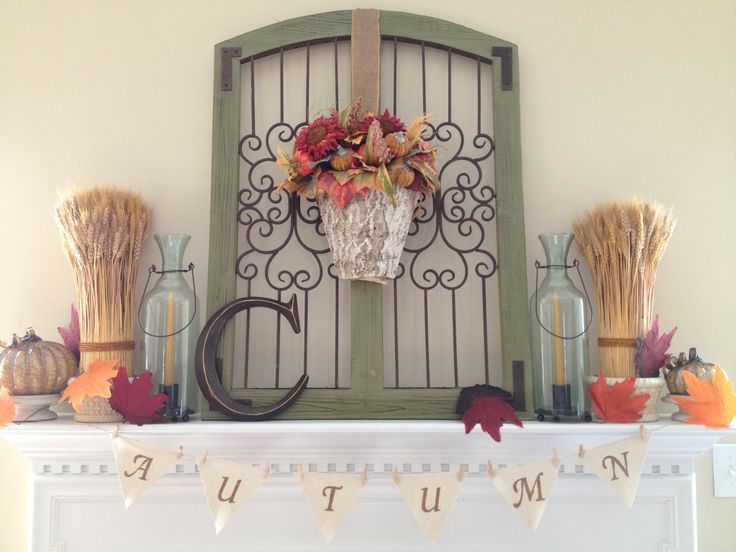
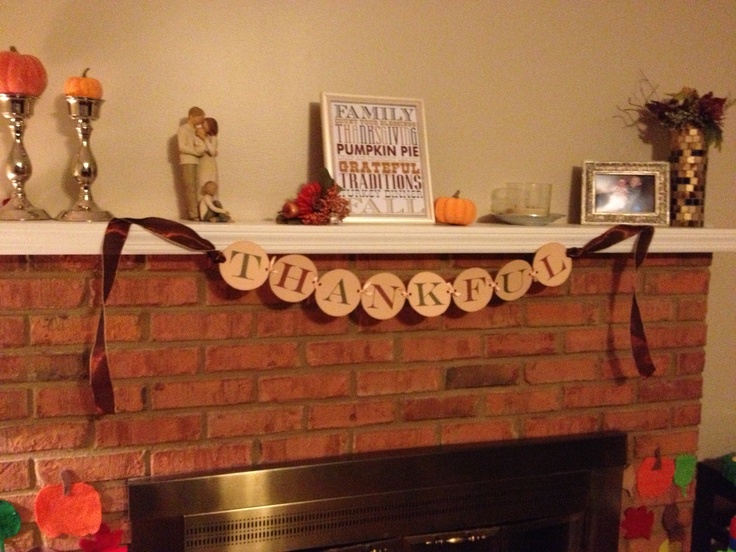
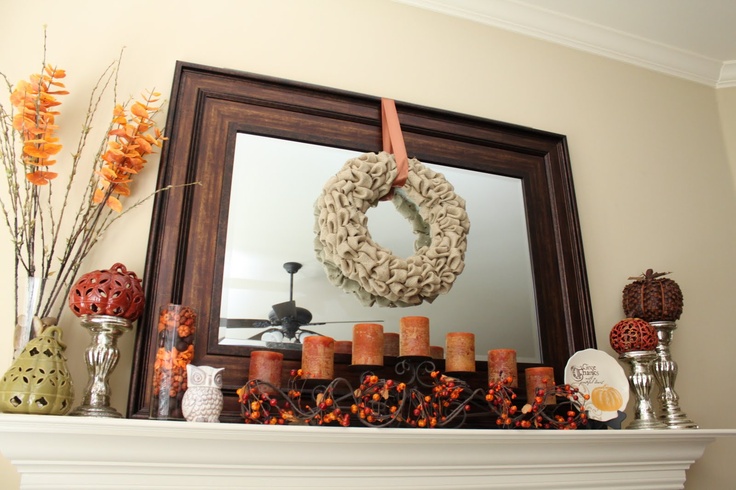
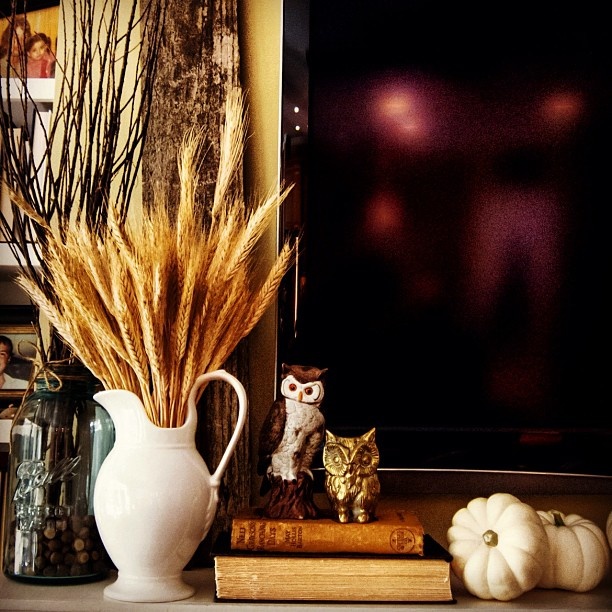
Building blocks: pumpkins, nuts, candles, foliage
Start with one dominant material so the shelf does not become a thrift-store pile. Pumpkins and gourds are the obvious anchors. Mix sizes, keep colors in a related family—cream, pale orange, deep rust, soft green—and let at least one sit slightly forward of the shelf edge if the mantel is deep enough. That slight overhang creates depth in photographs and in person. Flat rows of identical mini pumpkins can look tidy and still feel lifeless; variation in scale is what makes a harvest line read as abundant.
Nuts and chestnuts work as fillers with surprising power. Scattered loosely, they soften hard lines between larger objects. Gathered in a shallow bowl or wooden trencher, they become a single dark mass that calms busier arrangements. Their matte surfaces photograph beautifully against candle shine. They also cost little and store easily if you want to rebuild the mantel next October without starting from zero.
Candles supply vertical rhythm and evening glow—the part of fall décor people remember when the sun goes down. Odd numbers usually read better than even ones. Vary heights so the eye travels instead of stalling on a flat skyline. If you use real flame, leave clearance from dried leaves and garlands; if you prefer flameless, choose warm bulbs that still cast a soft pool of light on neighboring objects. Cool white LEDs will fight the whole autumn mood.
Flowers and leaves—fresh, dried, or mixed—bridge the gap between produce and candlelight. A simple branch of oak, maple, or eucalyptus can do more than a complicated bouquet. Dried hydrangeas, wheat, or seed heads add quiet volume without demanding vase drama. The images in this gallery that feel most resolved usually let foliage do connective work: tying left and right clusters, softening the joint between pumpkin and candlestick, or trailing slightly downward to break the hard shelf line.
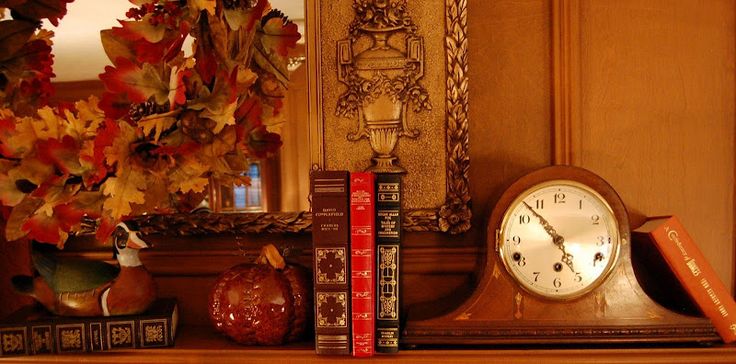
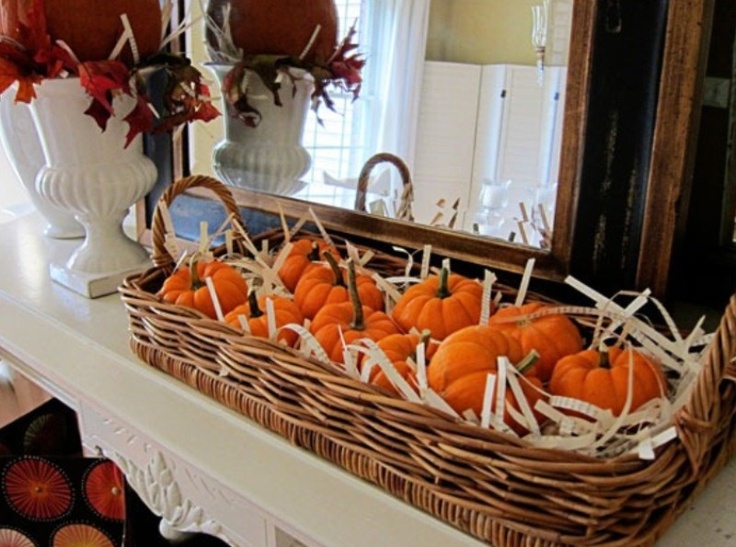
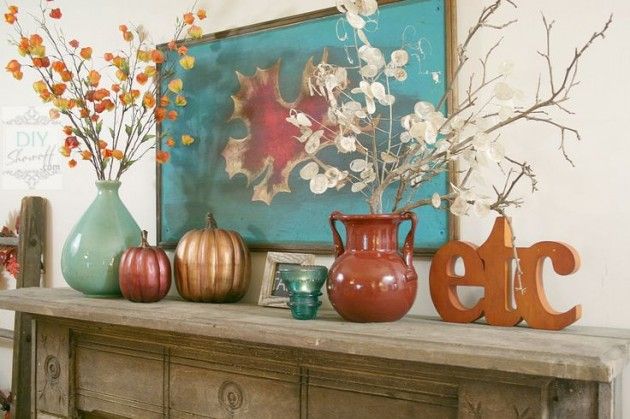
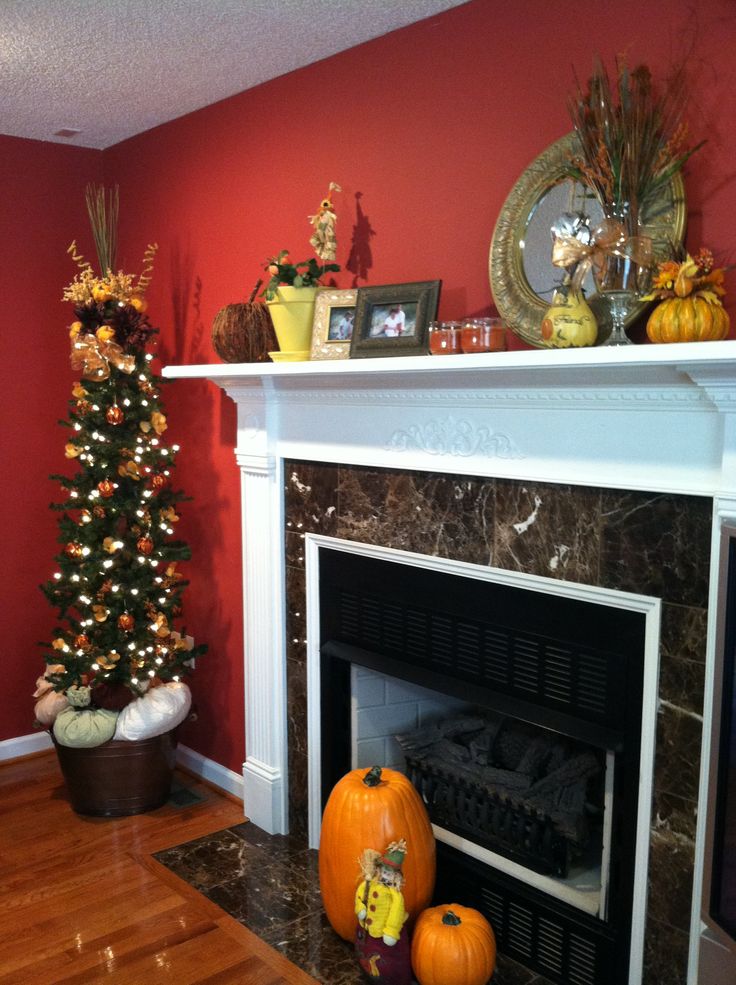
Symmetry is a choice, not a requirement. Some mantels center a clock, mirror, or artwork and build outward in near-mirror pairs. Others pile asymmetrically—heavier on one side, lighter on the other—with a trailing vine or leaf stem to balance the visual weight. Symmetry feels formal and calm, useful in traditional rooms. Asymmetry feels collected and conversational, useful when the rest of the house is already informal. Choose based on the room you already live in, not on a rule copied from a catalog.
Small shelves, long shelves, and color lanes
On a short shelf, edit ruthlessly. Three strong objects beat eight timid ones. A single medium pumpkin, two candle heights, and a small bowl of nuts can look complete if negative space is part of the design. Crowding a small mantel makes everything feel like clutter that failed to find a drawer. Step back often. If you cannot name the hero object in one glance, remove something.
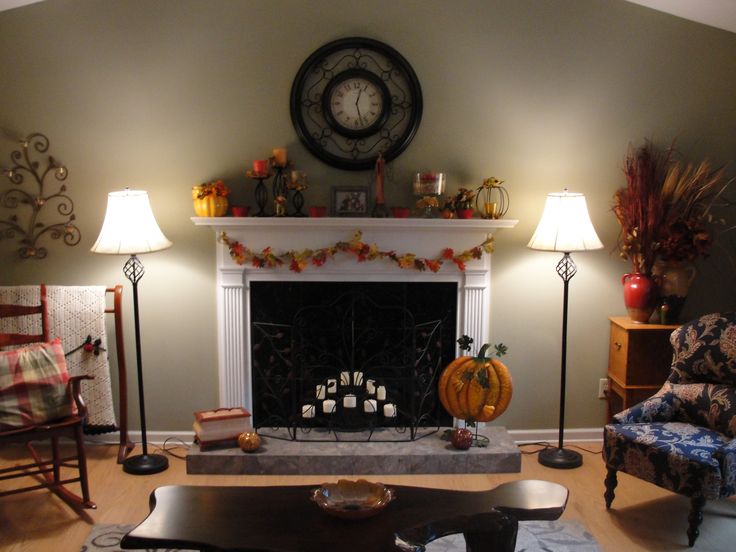
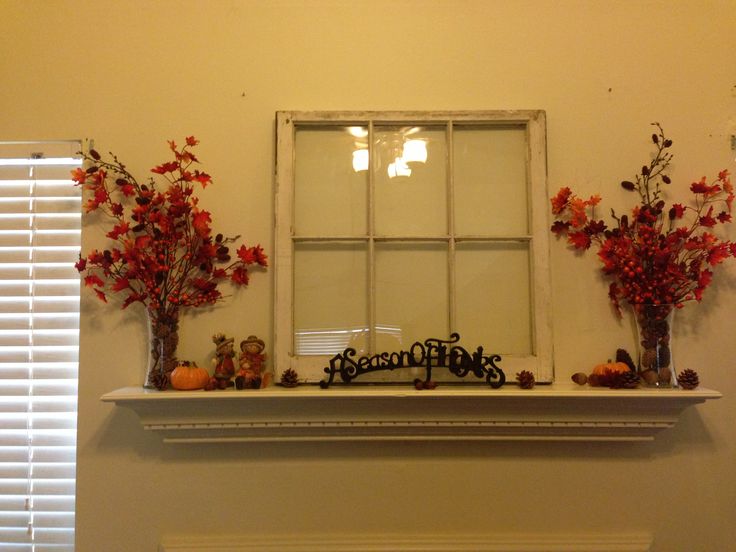
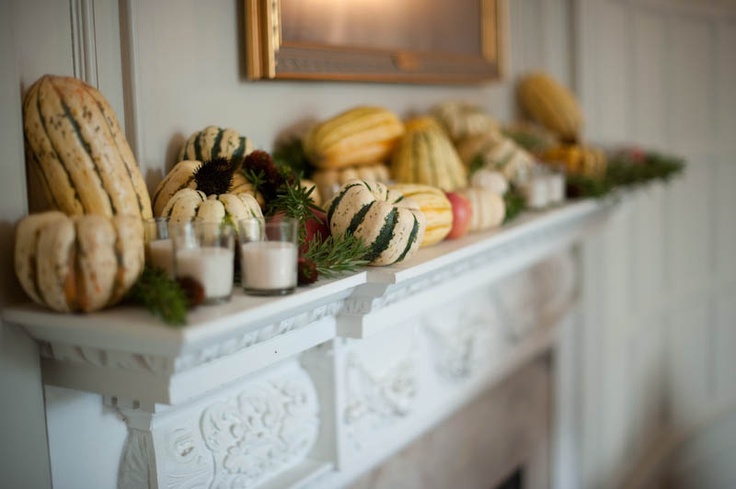
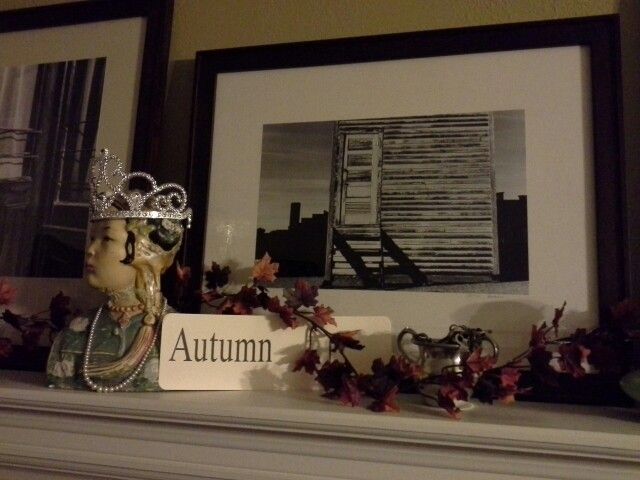
On a long mantel, think in zones. Create a left cluster, a center pause, and a right cluster, or run a low continuous line of small pumpkins under taller candle groups. Garlands can unify the length, but keep them thin enough that individual objects still read. The photographs here that feel abundant without chaos usually protect a little breathing room—even when they look full. Emptiness is not a failure of decorating; it is punctuation.
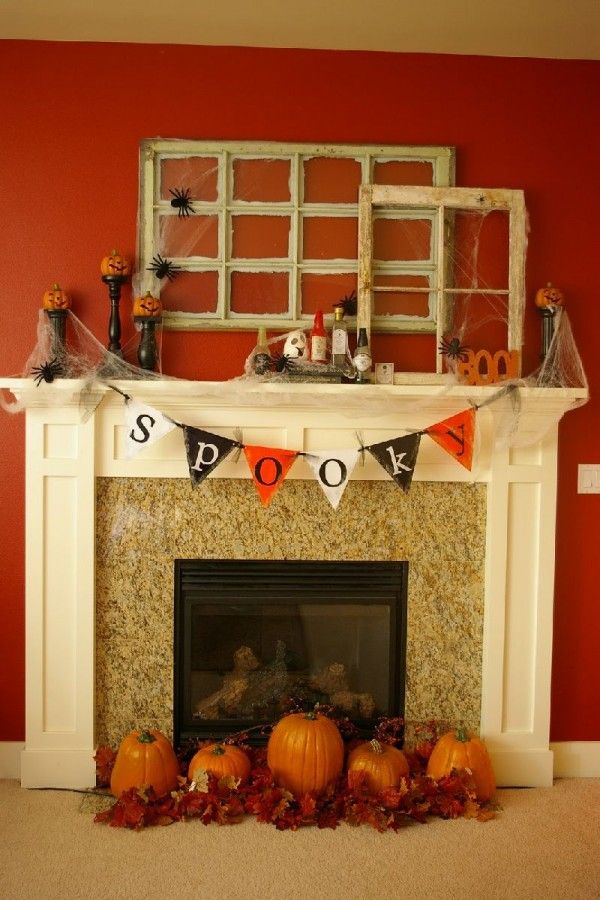
Color temperature is the other quiet decision that separates a coherent mantel from a confused one. Cream, sage, and wood tones make a shelf feel calm and contemporary. Classic orange pumpkins with brass candlesticks push warmer traditional Americana. Deep burgundy leaves and black candleholders lean dramatic and evening-ready. Pick one lane so the shelf does not argue with itself. If your sofa already carries a strong pattern, let the mantel stay quieter. If the room is mostly neutrals, autumn color on the mantel can do the seasonal announcing.
Practical upkeep matters too. Real pumpkins eventually soften; check them weekly and replace early rather than waiting for a visible collapse in the middle of a dinner party. Dried leaves shed. Candles drip. A mantel that is easy to dust will stay beautiful longer than an arrangement that requires engineering to move. Build for living, not only for the first photograph.
A short mantel checklist before you step back
- One anchor material (pumpkins or a substantial candle group)
- Two or three height changes so the line is not flat
- A soft filler (nuts, leaves, or a low bowl)
- Warm light for evening—real or flameless
- Enough empty shelf that the arrangement can breathe
If those five are in place, you are ready to decorate for fall. Step back across the room, squint once, and move only the object that still feels lonely or loud. The mantel does not need more stuff. It needs a clear autumn sentence.

Comments
Continue reading
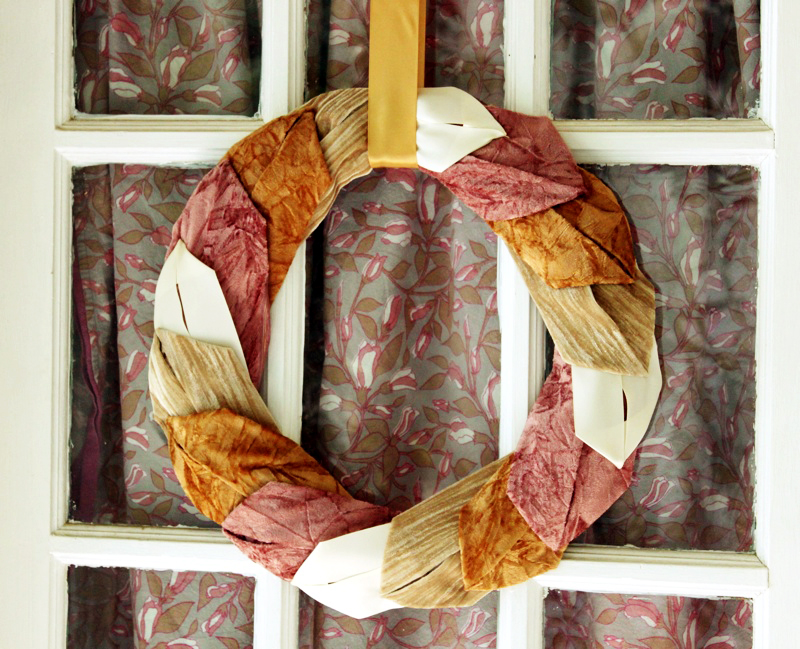
14 DIY Autumn Wreath Tutorials for Fall Doors and Entries
Fourteen autumn wreath projects—yarn argyle, burlap, magnolia, felt leaves, cork, foraged finds, and more—with materials and steps for each.
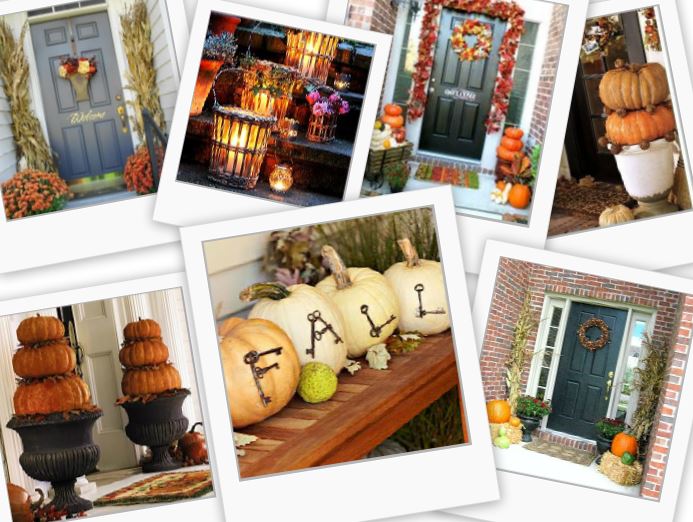
Front Porch Decorations for Autumn
Shape an autumn porch with height, earth tones, mums, pumpkins, and natural texture—gallery ideas that keep the path clear and the welcome warm.
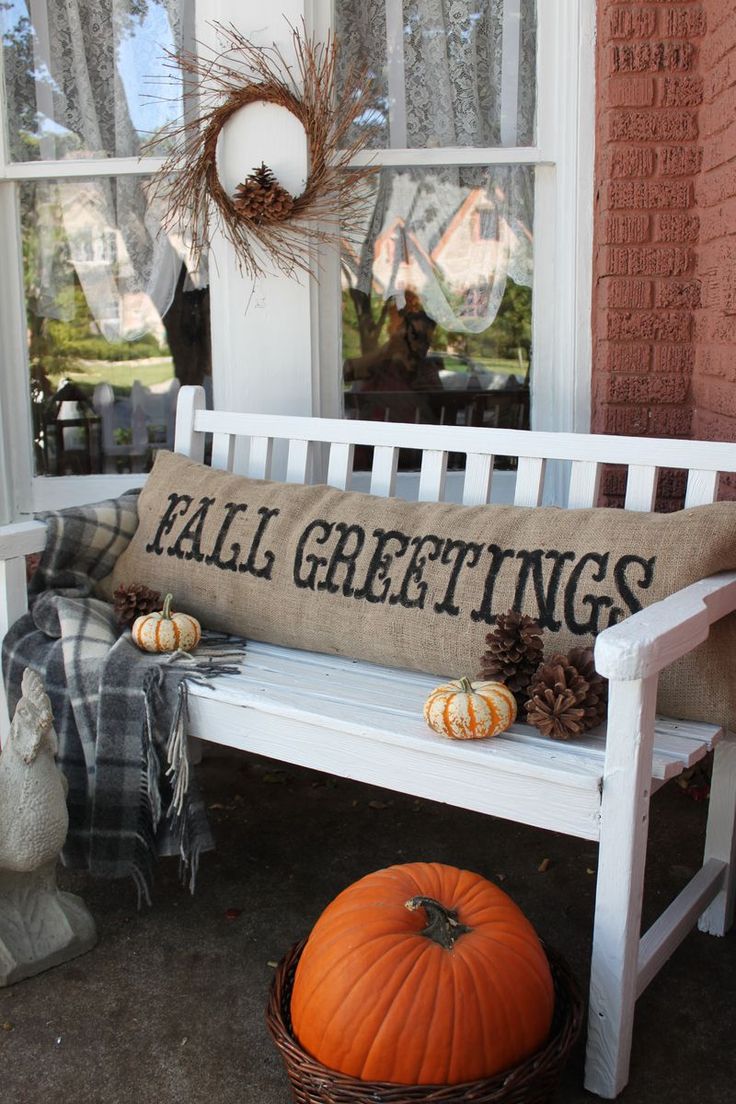
Fabulous Fall Porch Decorations with Pumpkins, Mums & Natural Finds
Stack pumpkins, pot mums, and gather leaves, twigs, and logs to give your front porch autumn structure before Halloween props take over.